In echtem Maßstab anzeigen
 Versenden als Grußkarte
 Teilen
 Details anzeigen
 Leitfaden öffnen

 Herunterladen
 Ähnliche Objekte
 Röntgenaufnahme
 Diashow
 Besucherstatistiken
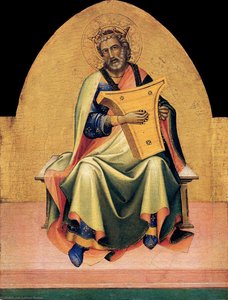
Abraham
 Acrylic On Canvas
- WallArt
 1408
1408 66.0 x 43.0 cm
 Metropolitan Museum of Art
 Mehr anzeigen
Giclée / Kunstdruck
Giclée- oder Leinwanddruck in Museumsqualität mit schneller Produktion und flexiblen Veredelungsoptionen. ( Handgemalte Reproduktion kaufen Zum digitalen Bild wechseln)




P118B €10

P118H €10

P118W €10

P438Z €10

P508JH €12

P508YH €12

P805H €10

P805Z €10

P919BZ €10

P919G €10

P919XJ €10

P959ZH €10

P968JZ €12

W106C €8

W218G €10

W218JH €8

W218Y €10

W307PJ €10

W316G €10

W316PJ €8

W316Y €10

W398PJ €8

W4111J €10

W500HY €15

W500JH €15

W692G €12

W849H €8

W940BG €15

W953PJ €8




Wählen Sie aus unseren vordefinierten Formaten, die den ursprünglichen Proportionen des Kunstwerks entsprechen.

Geben Sie die Breite und die Höhe an, die Sie benötigen, damit der Druck perfekt in Ihren Rahmen oder an Ihre Wand passt. Ein Druck kann nur beschnitten werden und niemals größer als das Originalbild gemacht werden; daher verliert ein Format mit einer anderen Proportion einen Teil des Bildes. Wir senden Ihnen ein digitales Mockup zur Freigabe, bevor wir den Druck ausführen. Das auf dieser Seite gezeigte Bild zeigt nicht den tatsächlichen Beschnitt – dies ist nur im Mockup ersichtlich.
Weltweiter Versand () innerhalb von 2 Wochen statt der üblichen 4/5 Wochen. (22 Oktober)

Kostenloser weltweiter Expressversand

Hochwertige Leinenleinwand

Vollständiger Versicherungsschutz beim Versand

Zollgebühren-Rückerstattungsgarantie

Garantie für exakte Farbtreue

100-tägiges Rückgaberecht (nur bei Mängeln)

100% Geld-zurück-Garantie

Angebot für Mengenrabatt
 Die Glasoption ist nur für Größen unter 110 cm verfügbar.

Abraham
Giclée / Kunstdruck
Format der Reproduktion
-


Gesamtpreis
€ 70
A Glimpse into Faith: Abraham by Lorenzo Monaco
Lorenzo Monaco’s “Abraham,” painted around 1408-10 in Florence, isn't merely a depiction of a biblical scene; it’s a profound meditation on faith, sacrifice, and the enduring promise of divine grace. This remarkable panel painting, now residing within the walls of The Metropolitan Museum of Art, offers a rare window into the artistic sensibilities of a pivotal figure bridging the late Gothic and burgeoning Renaissance periods. Monaco, known as “Lawrence the Monk” for his dedication to the Camaldolese order, imbued his work with an introspective quality rarely seen in contemporary Florentine painting, marking him as a distinct voice amidst the stylistic shifts of the time.
The composition is strikingly intimate, centering on Abraham seated upon a simple stone bench – a deliberate choice that elevates the scene beyond mere narrative illustration. He’s not presented as a heroic patriarch, but rather as a man wrestling with an agonizing decision. His posture, slightly hunched and contemplative, conveys a deep sense of sorrow mingled with resolute acceptance. Beside him kneels Isaac, his son, embodying innocence and vulnerability – a poignant counterpoint to the weighty burden borne by his father. The figures are rendered in a style characteristic of Monaco’s mature work: elongated forms, subtly defined features, and a restrained palette dominated by earthy tones—ochre, umber, and muted blues—all contributing to an atmosphere of solemn dignity.
The Symbolism of Sacrifice
At the heart of “Abraham” lies the powerful symbolism of sacrifice. The scene depicts Abraham preparing to offer Isaac as a burnt offering – a prefiguration of Christ’s crucifixion, a motif that would become increasingly prominent in Renaissance art. However, Monaco doesn't portray this act with overt drama or violence. Instead, he focuses on the emotional weight of the moment, capturing the quiet desperation and profound love between father and son. The knife resting at Abraham’s feet isn’t emphasized; it serves as a stark reminder of the impending tragedy without dominating the composition. The inclusion of the ram caught in the thicket – a last-minute substitution offered by God – subtly underscores the theme of divine intervention and the possibility of redemption.
Beyond the immediate narrative, the painting’s symbolism extends to the architectural setting. The simple stone bench suggests humility and earthly grounding, while the distant landscape hints at a connection to the divine realm. The careful arrangement of attributes – David holding his psaltery (a symbol of kingship and prophecy), Moses clutching the tablets of the Ten Commandments, Noah with his ark—further enriches the painting’s layered meaning, positioning Abraham within a lineage of faith and obedience.
Monaco's Artistic Legacy
Lorenzo Monaco’s artistic journey is particularly fascinating because he represents a transitional figure. Trained in the traditions of Giotto and his followers, he skillfully adapted these influences to develop a distinctly personal style. His work reflects the growing emphasis on psychological realism and emotional depth that would characterize the Renaissance, yet retains a lingering connection to the spiritual intensity of the late Gothic period. His dedication to monastic life profoundly shaped his artistic vision, imbuing his paintings with an introspective quality and a focus on themes of faith, piety, and human suffering.
The “Abraham” panel exemplifies Monaco’s mastery of tempera paint—a medium known for its luminous colors and rich textures. The gold ground, typical of devotional works of the time, adds to the painting's spiritual aura, while the meticulous detail in rendering fabrics and facial expressions reveals his exceptional technical skill. It is a testament to Monaco’s ability to synthesize artistic innovation with profound spiritual conviction, solidifying his place as one of Florence’s most important artists of the 15th century.
A Reproduction for Reflection
Today, reproductions of “Abraham” continue to resonate with viewers, offering an opportunity to contemplate timeless themes of faith, sacrifice, and the enduring power of love. Whether displayed in a private residence or a public gallery, this painting serves as a reminder of humanity’s capacity for both profound suffering and unwavering devotion. Consider commissioning a high-quality reproduction from 1st Art Gallery – a faithful recreation that captures the essence of Monaco's masterpiece, allowing you to bring its contemplative beauty into your own space.
Fragen & Antworten
Kann ich Augmented Reality nutzen, um "Abraham" von Lorenzo Monaco in meinem Raum zu sehen?
„Abraham“ verfügt über eine Augmented-Reality-Vorschau: Die AR-Vorschau-Seite des Kunstwerks zeigt es auf einem kompatiblen Gerät in Ihrem eigenen Raum.
Was stellt "Abraham" von Lorenzo Monaco dar?
Die in "Abraham" von Lorenzo Monaco enthaltenen Themen umfassen abraham, prophets, sacrifice, faith, family, old testament, religion, medieval. Zusammen fassen sie den Gegenstand des Kunstwerks zusammen.
Wie wurde "Abraham" hergestellt und welche Maße hat es?
Das Medium von "Abraham" von Lorenzo Monaco ist Acrylic On Canvas, und die angegebenen Maße sind 66 x 43 cm.
Biografie des Künstlers
Frühes Leben und Ausbildung
- Geboren: Siena, Italien (ca. 1370)
- Gestorben: ca. 1425
- Über Lorenzo Monacos frühes Leben ist wenig bekannt, außer dass er in Florenz eine Lehre absolvierte.
- Er wurde von den Werken Giottos und seinen Anhängern Spinello Aretino und Agnolo Gaddi beeinflusst. Diese Erfahrungen prägten seine künstlerische Entwicklung.
Künstlerisches Schaffen und Stil
- Im Jahr 1390 trat Lorenzo dem Camaldenserkloster Santa Maria degli Angeli bei und wurde als "Laurentius der Mönch" bekannt.
- Seine frühen Werke (1390er Jahre) zeigen einen starken Einfluss des Internationalen Gotischen Stils, zusammen mit Einflüssen von Lorenzo Ghiberti und Gherardo Starnina.
- Monacos Stil ist gekennzeichnet durch:
- Spannte Linearität
- Anfänglich eine kalte Farbpalette
- Später die Übernahme von Elementen des Internationalen Gotischen Stils
- Lange Figuren mit geschwungenen Gewändern
- Scharfe Kanten und leuchtende Farben (Gold und Lapislazuli)
- Angedeutete Gesten und ein minimiertes Raumgefühl
- Er stellte konsequent Bilder mit starkem spirituellen Wert dar, oft losgelöst vom Realismus.
Hauptwerke
- Pietà: Im Galleria dell'Accademia in Florenz ausgestellt – Zeigt nervöse Linien und emotionale Spannung.
- Krönung der Jungfrau: Jetzt im Uffizien – Enthält eine große Anzahl von Heiligen mit geschwungenen Formen und leuchtenden Farben.
- Monteoliveto-Altarbild: In der Galleria dell'Accademia – Zeigt eine Spiritualität, die an Fra Angelico erinnert.
- Anbetung der Könige (1420–1422): Die Vereinfachungen wirken surreal aufgrund des Fehlens geometrischer Perspektive, behalten aber eine hohe bildliche Qualität bei.
- Geschichten der Jungfrau in der Bartolini Salimbeni Kapelle: Eines seiner wenigen Fresken.
Einflüsse und Vermächtnis
- Monacos Werk wurde von Giotto, Spinello Aretino, Agnolo Gaddi, Lorenzo Ghiberti und Gherardo Starnina beeinflusst.
- Er blieb weitgehend unbeeinflusst von den Innovationen Masacios und Filippos Brunelleschis und behielt seinen unverwechselbaren Stil bei.
- Giorgio Vasari nahm eine Biographie Monacos in seine "Leben" auf und erwähnte seinen Tod an einer nicht identifizierten Infektion.
- Trotz begrenzter biographischer Informationen sind Lorenzo Monacos Beiträge zur spätgotischen-frühen Renaissancekunst bedeutend. Seine einzigartige Mischung aus Stilen und sein spiritueller Fokus hinterließen einen bleibenden Eindruck auf nachfolgende Künstler.
Historische Bedeutung
- Gilt als der letzte wichtige Vertreter des Giotto-Stils vor der Renaissance-Revolution.
- Überbrückte die Kluft zwischen den spätgotischen Traditionen und den aufkommenden künstlerischen Prinzipien der Renaissance.
- Sein Schwerpunkt auf Spiritualität und stilisierte Formen stellen eine besondere Ästhetik innerhalb der florentinischen Malerei dar.

Lorenzo Monaco
1370 - 1425 , Italien
Eckdaten zum Künstler
- Beeinflusste Künstler:
- Giotto
- Spinello Aretino
- Bemerkenswerte Werke:
- Pietà
- Verkündigung Mariä
- Anbetung der Könige
- Geburtsdatum: ca. 1370
- Geburtsort: Siena, Italien
- Künstlerischer Stil: Spätgotik-Frührenaissance
- Nationalität: Italiener
- Sterbedatum: ca. 1425
- Vollständiger Name: Lorenzo Monaco
- Von Künstlern Beeinflusst:
- Masaccio
- Brunelleschi
Verwandte Artikel

Gothic Vibes: From Dark Shadows to Bold Modern Edge | The Ultimate Trend Forecast
Explore the evolution of Gothic vibes, from historical shadows to bold modern edge. Discover how dark aesthetics, noir interiors, and contemporary subcultures are redefining modern design through a high-impact, trend-focused lens.
Shadows & Splendor: A Journey Through the Soul of Gothic Art and Architectural Grandeur
Embark on a profound journey through the spiritual intensity of Gothic art. Explore the architectural marvels, luminous stained glass, and sacred sculptures that define this era of grandeur and human devotion.
Late Gothic Art: The Divine Transition from Medieval Symbolism to Renaissance Naturalism
Explore the profound transition of Late Gothic art from medieval symbolism to Renaissance naturalism. Discover the elegance of International Gothic, the legacy of Master Theodoric, and the evolution of European courtly masterpieces through an expert art-historical lens.
Gothic Art Guide for Hotel Designers: Leveraging Dramatic Shadows and Architectural Grandeur in Luxury Interiors
Elevate hospitality interiors with our expert guide to Gothic art. Discover how to leverage dramatic shadows, architectural grandeur, and high-end reproductions to create sophisticated, atmospheric hotel spaces that captivate guests.

International Gothic Style: The Elegant Dawn of European Art History and the Transition to Renaissance Naturalism
Explore the elegance of International Gothic art. Discover how masters like Simone Martini bridged medieval symbolism and Renaissance naturalism through courtly grace, luminous gold, and intricate detail in this expert guide to European art history.