In echtem Maßstab anzeigen
 Versenden als Grußkarte
 Teilen
 Details anzeigen
 Leitfaden öffnen

 Herunterladen
 Ähnliche Objekte
 Röntgenaufnahme
 Diashow
 Besucherstatistiken
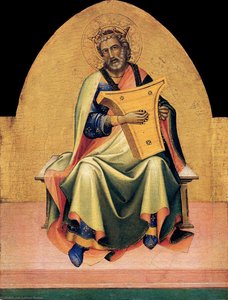
Abraham
 Öl auf Tafel
- Early Renaissance
 1408
1408 66.0 x 43.0 cm
 Metropolitan Museum of Art
 Mehr anzeigen
Giclée / Kunstdruck
Giclée- oder Leinwanddruck in Museumsqualität mit schneller Produktion und flexiblen Veredelungsoptionen. ( Handgemalte Reproduktion kaufen Zum digitalen Bild wechseln)




P118B €10

P118H €10

P118W €10

P438Z €10

P508JH €12

P508YH €12

P805H €10

P805Z €10

P919BZ €10

P919G €10

P919XJ €10

P959ZH €10

P968JZ €12

W106C €8

W218G €10

W218JH €8

W218Y €10

W307PJ €10

W316G €10

W316PJ €8

W316Y €10

W398PJ €8

W4111J €10

W500HY €15

W500JH €15

W692G €12

W849H €8

W940BG €15

W953PJ €8




Wählen Sie aus unseren vordefinierten Formaten, die den ursprünglichen Proportionen des Kunstwerks entsprechen.

Geben Sie die Breite und die Höhe an, die Sie benötigen, damit der Druck perfekt in Ihren Rahmen oder an Ihre Wand passt. Ein Druck kann nur beschnitten werden und niemals größer als das Originalbild gemacht werden; daher verliert ein Format mit einer anderen Proportion einen Teil des Bildes. Wir senden Ihnen ein digitales Mockup zur Freigabe, bevor wir den Druck ausführen. Das auf dieser Seite gezeigte Bild zeigt nicht den tatsächlichen Beschnitt – dies ist nur im Mockup ersichtlich.
Weltweiter Versand () innerhalb von 2 Wochen statt der üblichen 4/5 Wochen. (22 Oktober)

Kostenloser weltweiter Expressversand

Hochwertige Leinenleinwand

Vollständiger Versicherungsschutz beim Versand

Zollgebühren-Rückerstattungsgarantie

Garantie für exakte Farbtreue

100-tägiges Rückgaberecht (nur bei Mängeln)

100% Geld-zurück-Garantie

Angebot für Mengenrabatt
 Die Glasoption ist nur für Größen unter 110 cm verfügbar.

Abraham
Giclée / Kunstdruck
Format der Reproduktion
-


Gesamtpreis
€ 70
A Portrait of Faith: Lorenzo Monaco’s “Abraham”
Lorenzo Monaco's "Abraham," painted in 1408, is more than just a depiction of a biblical scene; it’s a profound meditation on faith, devotion, and the enduring relationship between humanity and divinity. Executed during a pivotal moment in artistic history – bridging the Gothic sensibilities of the Trecento with the burgeoning optimism of the Quattrocento – this work offers a rare glimpse into the mind of a master who seamlessly blended monastic contemplation with unparalleled artistic skill. The painting’s immediate impact lies in its arresting composition: an elderly man, richly adorned and seated upon a throne, receives the reverence of a kneeling child. This pairing immediately evokes the iconic imagery of Saint Joseph with the infant Jesus, a central narrative within Christian iconography, yet Monaco elevates this familiar scene through his masterful execution and deeply considered symbolism.
- A Renaissance Vision: The work’s vertical orientation and dramatic lighting – emanating from above and behind the figures – firmly establish it within the stylistic trends of Early Italian Renaissance art.
- Technical Brilliance: Monaco's command of tempera on wood panel is evident in the textured surface, achieved through meticulous layering of paint and visible brushstrokes. This technique lends a remarkable sense of physicality to the drapery and figures, imbuing them with an almost tangible presence.
The Symbolism of Authority and Reverence
Lorenzo Monaco’s choice of subject matter is laden with symbolic weight. The elderly man, identified as Abraham, embodies authority and protection, symbolized by his elaborate pink robes, ornate crown, and the feather duster he holds – a gesture that speaks to both guardianship and divine favor. His posture, seated upon a throne, reinforces this sense of power and leadership. Conversely, the kneeling child represents reverence, humility, and the nascent faith being nurtured under Abraham’s guidance. The gold background, a recurring motif in Renaissance art, elevates the scene to a realm of sacred grandeur, highlighting the central figures and creating an atmosphere of profound spirituality.
A Monk's Artistic Legacy
Understanding Lorenzo Monaco requires acknowledging his unique position as a monk-artist. His commitment to the Camaldolese order profoundly shaped his artistic vision, imbuing his work with an introspective quality rarely found in secular art of the time. This spiritual devotion is palpable in the painting’s serene atmosphere and the carefully considered symbolism. Monaco's apprenticeship under masters like Giotto instilled a foundation of narrative clarity and emotional resonance, but it was his monastic life that truly defined his artistic identity, allowing him to translate his faith into a timeless masterpiece. The subtle details – the folds of drapery rendered with meticulous precision, the expressive quality of the figures’ faces – all contribute to a work that transcends mere representation, becoming a powerful testament to human spirituality.
Dimensions and Historical Context
This exceptional reproduction measures 66 x 43 cm, offering an intimate scale for contemplation. Painted in 1408, “Abraham” stands as a crucial link between the Gothic and Renaissance artistic traditions. It represents a moment of transition, where artists were beginning to embrace new techniques – such as linear perspective and chiaroscuro – while retaining the emotional depth and narrative richness that characterized earlier works. This piece is not simply a beautiful image; it’s a window into the soul of a master artist and a profound meditation on faith, humanity, and the enduring power of art.
Fragen & Antworten
Welche Emotion vermittelt das Werk der Early Renaissance „Abraham“?
Innerhalb der Early Renaissance-Strömung ist „Abraham“ mit einem Spirituell Ton festgehalten.
Aus welchem Land stammt das Early Renaissance-Werk „Abraham"]?
"Abraham" verbindet die Early Renaissance-Bewegung durch den Geburtsort ihres Schöpfers mit Italien.
Welcher künstlerischen Strömung ist "Abraham" von Lorenzo Monaco zuzuordnen?
Die mit "Abraham" von Lorenzo Monaco verbundene Stilrichtung ist Early Renaissance. Diese Klassifizierung ordnet das Werk in den Kontext verwandter Künstler und Kunstwerke ein.
Biografie des Künstlers
Frühes Leben und Ausbildung
- Geboren: Siena, Italien (ca. 1370)
- Gestorben: ca. 1425
- Über Lorenzo Monacos frühes Leben ist wenig bekannt, außer dass er in Florenz eine Lehre absolvierte.
- Er wurde von den Werken Giottos und seinen Anhängern Spinello Aretino und Agnolo Gaddi beeinflusst. Diese Erfahrungen prägten seine künstlerische Entwicklung.
Künstlerisches Schaffen und Stil
- Im Jahr 1390 trat Lorenzo dem Camaldenserkloster Santa Maria degli Angeli bei und wurde als "Laurentius der Mönch" bekannt.
- Seine frühen Werke (1390er Jahre) zeigen einen starken Einfluss des Internationalen Gotischen Stils, zusammen mit Einflüssen von Lorenzo Ghiberti und Gherardo Starnina.
- Monacos Stil ist gekennzeichnet durch:
- Spannte Linearität
- Anfänglich eine kalte Farbpalette
- Später die Übernahme von Elementen des Internationalen Gotischen Stils
- Lange Figuren mit geschwungenen Gewändern
- Scharfe Kanten und leuchtende Farben (Gold und Lapislazuli)
- Angedeutete Gesten und ein minimiertes Raumgefühl
- Er stellte konsequent Bilder mit starkem spirituellen Wert dar, oft losgelöst vom Realismus.
Hauptwerke
- Pietà: Im Galleria dell'Accademia in Florenz ausgestellt – Zeigt nervöse Linien und emotionale Spannung.
- Krönung der Jungfrau: Jetzt im Uffizien – Enthält eine große Anzahl von Heiligen mit geschwungenen Formen und leuchtenden Farben.
- Monteoliveto-Altarbild: In der Galleria dell'Accademia – Zeigt eine Spiritualität, die an Fra Angelico erinnert.
- Anbetung der Könige (1420–1422): Die Vereinfachungen wirken surreal aufgrund des Fehlens geometrischer Perspektive, behalten aber eine hohe bildliche Qualität bei.
- Geschichten der Jungfrau in der Bartolini Salimbeni Kapelle: Eines seiner wenigen Fresken.
Einflüsse und Vermächtnis
- Monacos Werk wurde von Giotto, Spinello Aretino, Agnolo Gaddi, Lorenzo Ghiberti und Gherardo Starnina beeinflusst.
- Er blieb weitgehend unbeeinflusst von den Innovationen Masacios und Filippos Brunelleschis und behielt seinen unverwechselbaren Stil bei.
- Giorgio Vasari nahm eine Biographie Monacos in seine "Leben" auf und erwähnte seinen Tod an einer nicht identifizierten Infektion.
- Trotz begrenzter biographischer Informationen sind Lorenzo Monacos Beiträge zur spätgotischen-frühen Renaissancekunst bedeutend. Seine einzigartige Mischung aus Stilen und sein spiritueller Fokus hinterließen einen bleibenden Eindruck auf nachfolgende Künstler.
Historische Bedeutung
- Gilt als der letzte wichtige Vertreter des Giotto-Stils vor der Renaissance-Revolution.
- Überbrückte die Kluft zwischen den spätgotischen Traditionen und den aufkommenden künstlerischen Prinzipien der Renaissance.
- Sein Schwerpunkt auf Spiritualität und stilisierte Formen stellen eine besondere Ästhetik innerhalb der florentinischen Malerei dar.

Lorenzo Monaco
1370 - 1425 , Italien
Eckdaten zum Künstler
- Beeinflusste Künstler:
- Giotto
- Spinello Aretino
- Bemerkenswerte Werke:
- Pietà
- Verkündigung Mariä
- Anbetung der Könige
- Geburtsdatum: ca. 1370
- Geburtsort: Siena, Italien
- Künstlerischer Stil: Spätgotik-Frührenaissance
- Nationalität: Italiener
- Sterbedatum: ca. 1425
- Vollständiger Name: Lorenzo Monaco
- Von Künstlern Beeinflusst:
- Masaccio
- Brunelleschi
Verwandte Artikel

Mastering Devotion: The Most Iconic Depictions of Saint Jerome in Art History
Explore the profound iconography of Saint Jerome through art history's most iconic masterpieces. From Renaissance serenity to Baroque drama, discover how legendary painters captured divine devotion in breathtaking oil paintings and fine art reproductions.
Die zartesten Meisterwerke: Top 10 Gemälde in Lichtrosa & ihre Geschichte |
Entdecken Sie die Top 10 berühmter Gemälde in zarten Rosatönen! Von impressionistischen Meisterwerken bis hin zu romantischen Ikonen – erfahren Sie mehr über Künstler, Techniken & Geschichte. Hochwertige Kunstdrucke auf .
Sacred Narratives Embodied: A Comprehensive Exploration of Religious Iconography in Art History
Explore the rich history of religious iconography in art! Discover symbolism, movements & masterpieces from Byzantine to Renaissance periods. Expert insights for collectors and enthusiasts at OriginalUniqueArt.
Sacred Narratives on Canvas: Exploring Religious Painting Through History
Explore the rich history of religious painting with OriginalUniqueArt.com! Discover iconic artworks, symbolism & techniques from antiquity to the Renaissance. Enhance your art appreciation today.
Divine Masterpieces: Exploring the Power and Beauty of Saint Artworks
Discover the profound beauty of Saint Artworks. Explore the history, symbolism, and luminous mastery of Renaissance religious masterpieces through an expert art-historical lens.