

 In echtem Maßstab anzeigen
 Versenden als Grußkarte
 Teilen
 Details anzeigen
 Leitfaden öffnen

 Herunterladen
 Ähnliche Objekte
 Röntgenaufnahme
 Diashow
 Besucherstatistiken
St. Jerome in the Wilderness
 Acryl auf Leinwand
- Wandkunst
- High Renaissance
 1506
1506 48.0 x 40.0 cm
 Louvre
 Mehr anzeigen
Giclée / Kunstdruck
Giclée- oder Leinwanddruck in Museumsqualität mit schneller Produktion und flexiblen Veredelungsoptionen. ( Handgemalte Reproduktion kaufen Zum digitalen Bild wechseln)




P118B $10

P118H $10

P118W $10

P438Z $10

P508JH $12

P508YH $12

P805H $10

P805Z $10

P919BZ $10

P919G $10

P919XJ $10

P959ZH $10

P968JZ $12

W106C $8

W218G $10

W218JH $8

W218Y $10

W307PJ $10

W316G $10

W316PJ $8

W316Y $10

W398PJ $8

W4111J $10

W500HY $15

W500JH $15

W692G $12

W849H $8

W940BG $15

W953PJ $8




Wählen Sie aus unseren vordefinierten Formaten, die den ursprünglichen Proportionen des Kunstwerks entsprechen.

Sie können Ihre eigenen Maße eingeben, um ein bestimmtes Format oder einen speziellen Platz einzupassen. Wenn das von Ihnen gewählte Format nicht den Proportionen des Originalbildes entspricht, werden wir das Kunstwerk entweder beschneiden oder das Bild mit einem gespiegelten oder einfarbigen Rand erweitern. Ein digitaler Entwurf wird Ihnen zur Genehmigung zugesandt, bevor die Produktion beginnt.
Bitte beachten Sie, dass die Vorschau auf dem Bildschirm nicht den tatsächlichen Zuschnitt oder die Erweiterung widerspiegelt. Nur der Entwurf zeigt die endgültige Komposition präzise an.
Obwohl Sondermaße verfügbar sind, empfehlen wir die Auswahl eines Maßes aus der vordefinierten Liste, um die ursprünglichen Proportionen zu bewahren.
Weltweiter Versand () innerhalb von 2 Wochen statt der üblichen 4/5 Wochen. (26 September)

Kostenloser weltweiter Expressversand

Hochwertige Leinenleinwand

Vollständiger Versicherungsschutz beim Versand

Zollgebühren-Rückerstattungsgarantie

Garantie für exakte Farbtreue

100-tägiges Rückgaberecht (nur bei Mängeln)

100% Geld-zurück-Garantie

Angebot für Mengenrabatt
 Die Glasoption ist nur für Größen unter 110 cm verfügbar.

St. Jerome in the Wilderness
Giclée / Kunstdruck
Format der Reproduktion
-


Gesamtpreis
$ 80
Lorenzo Lotto’s “St. Jerome in the Wilderness”: A Portrait of Solitude and Spiritual Intensity
Lorenzo Lotto’s “St. Jerome in the Wilderness,” painted around 1506, is not merely a depiction of a biblical figure; it's a profound meditation on solitude, faith, and the arduous path to spiritual enlightenment. This remarkable work, now housed within the Louvre Museum in Paris, offers a glimpse into the artist’s unique vision – a blend of High Renaissance grace tempered by nascent Mannerist sensibilities that would define his distinctive style. Lotto, a restless spirit who spent much of his career wandering Italy rather than settling in one court or city, imbued this painting with an intensely personal and evocative atmosphere.
The scene itself is deceptively simple: St. Jerome, clad in humble robes, sits upon weathered rocks amidst a rugged, almost desolate landscape. His head is bowed, suggesting either deep contemplation or weary rest – the ambiguity deliberately left open to interpretation by Lotto. The stark contrast between the figure and the vastness of the wilderness immediately establishes a powerful sense of isolation. Noticeably absent are any overt symbols of luxury or worldly comfort; Jerome’s attire speaks volumes about his renunciation of earthly possessions, aligning perfectly with his role as the patron saint of translators and scholars.
A Masterclass in Atmospheric Perspective and Emotional Resonance
Lotto's technical skill is immediately apparent. He masterfully employs atmospheric perspective – a technique borrowed from Italian landscape painters like Giorgione – to create a convincing sense of depth. The distant rocks recede into a hazy blue, while the foreground elements are rendered with greater detail and sharpness. This creates a dynamic interplay between near and far, drawing the viewer’s eye into the scene and emphasizing Jerome's isolation.
However, it is not merely technical proficiency that elevates this painting; it’s Lotto’s ability to convey profound emotion. The artist doesn’t offer a triumphant or heroic portrayal of St. Jerome. Instead, he presents a figure marked by vulnerability and introspection. The subtle shading around Jerome's face, the slight downturn of his mouth – these details communicate a deep sense of melancholy and spiritual struggle. The painting is not about conquest or glory; it’s about the internal battle against temptation and the arduous journey towards salvation.
Symbolism and the Renaissance Ideal
Beyond the immediate depiction, “St. Jerome in the Wilderness” is rich with symbolic meaning. The wilderness itself represents the challenges and temptations of life – a space devoid of comfort and readily beset by distractions. Jerome’s act of penance, symbolized by his solitary posture and the absence of worldly possessions, embodies the core tenets of Christian asceticism. The presence of two figures in the background, partially obscured, adds another layer of complexity. They could represent the temptations that Jerome has overcome, or perhaps simply witnesses to his spiritual struggle – a reminder that even in solitude, one is never truly alone on this path.
A Timeless Reflection on Human Experience
“St. Jerome in the Wilderness” transcends its religious subject matter to offer a timeless reflection on the human condition. It speaks to our innate desire for connection and meaning in a world often characterized by chaos and uncertainty. Lotto’s masterful use of light, shadow, and composition creates an image that is both visually stunning and emotionally resonant – a testament to the enduring power of art to capture the complexities of the human spirit. A reproduction of this work offers a beautiful opportunity to bring this profound meditation into any interior space, inviting contemplation and fostering a sense of quiet introspection.
Biografie des Künstlers
Frühes Leben und Ausbildung
Lorenzo Lotto, ein bedeutender italienischer Maler, Zeichner und Illustrator, wurde um 1480 in Venedig geboren. Sein frühes Leben und seine Ausbildung sind nicht gut dokumentiert, aber es wird angenommen, dass er von Giovanni Bellini beeinflusst war, einer führenden Figur der venezianischen Schule.Künstlerischer Stil und Einflüsse
Lottos Werk zeichnet sich durch eine einzigartige Mischung aus Hochrenaissance und Mannerismus aus. Seine Gemälde zeigen oft Altäre, religiöse Themen und Porträts, die seine technische Fertigkeit und emotionale Tiefe demonstrieren. Der Einfluss von Giorgio Vasaris Freund, Palma der Ältere, ist in Lottos frühen Werken erkennbar.Bemerkenswerte Werke und Standorte
- Jungfrau mit Kind und St. Hieronymus (1506) (National Gallery of Scotland, Edinburgh)
- Allegorie der Tugend und Laster (1505) (National Gallery of Art, Washington)
- St. Hieronymus in der Wüste (1500 oder 1506) (Louvre, Paris)
Karriere und Vermächtnis
Lottos Karriere erstreckte sich über mehrere Standorte, darunter Treviso, Rom und Bergamo. Er war ein respektierter Maler in Norditalien, aber seine Arbeit wurde in Venedig weitgehend übersehen. Lottos einzigartiger Stil, der giorgioneske Klassizismus mit Correggios dramatischen Setpieces vermischt, wurde in den letzten Jahren wiederentdeckt.Wichtige Kunstbewegungen und Einflüsse
Schlussfolgerung
Lorenzo Lottos bemerkenswerte Karriere, die durch seinen einzigartigen künstlerischen Stil und einflussreiche Werke gekennzeichnet ist, hat ihre bleibende Spur in der Welt der italienischen Renaissancekunst hinterlassen. Sein Vermächtnis inspiriert weiterhin Künstler und Kunstliebhaber gleichermaßen, wobei viele seiner Werke auf OriginalUniqueArt.com zu sehen sind.
Lorenzo Lotto
1480 - 1556 , Italien
Eckdaten zum Künstler
- Bemerkenswerte Kunstwerke:
- Jungfrau mit Kind und St. Hieronymus
- Allegorie von Tugend und Laster
- St. Hieronymus in der Wüste
- Geburtsdatum: 1480
- Geburtsort: Venedig, Italien
- Künstler, Die Diesen Künstler Beeinflussten:
- Giovanni Bellini
- Palma der Ältere
- Künstlerische Bewegung Oder Stil:
- Hochrenaissance
- Manierismus
- Nationalität: Italienisch
- Todatum: 1556
- Vollständiger Name: Lorenzo Lotto
- Von Diesem Künstler Beeinflusste Künstler Oder Bewegungen:
- Giorgionesque-Klassizismus
- Correggios dramatische Setzstücke
Verwandte Artikel

Die Top 10 berühmter Gemälde im Reich der dunklen Töne |
Entdecken Sie die Top 10 berühmter Gemälde, beherrscht von dunklen Tönen! Von Caravaggio bis Manet – erfahren Sie die Geschichten hinter Meisterwerken der Kunstgeschichte. Finden Sie Ihre perfekte Reproduktion auf .

Mastering Devotion: The Most Iconic Depictions of Saint Jerome in Art History
Explore the profound iconography of Saint Jerome through art history's most iconic masterpieces. From Renaissance serenity to Baroque drama, discover how legendary painters captured divine devotion in breathtaking oil paintings and fine art reproductions.

Weiße Meisterwerke: Die Top 10 berühmtesten Gemälde und ihre zeitlose Eleganz
Entdecken Sie die Top 10 berühmter Gemälde, dominiert von Weiß! Von Malewitsch bis Rothko – erfahren Sie Geschichten hinter ikonischen Kunstwerke und lassen Sie sich für Ihre Wohnraumgestaltung inspirieren. Kunstreproduktionen in Museumsqualiät auf

Monochrome Visions: Exploring the Aesthetic & Historical Significance of Black & White Photography
Explore the rich history & artistic power of black and white photography. From early techniques to iconic masters like Ansel Adams, discover why monochrome continues to captivate art lovers today. Expert insights for collectors.
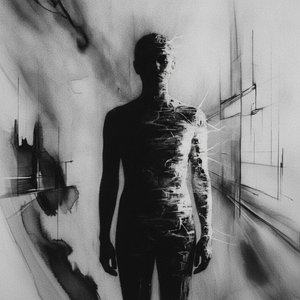
Shadow & Soul: Why Black & White Photography Remains the Ultimate Power Move in Modern Art
Discover why black & white photography remains a powerful force in contemporary art. Explore the impact of light, shadow, and texture through a visual journey of monochrome mastery and learn how to elevate your space with timeless grayscale aesthetics.


