Vorschau anzeigen
 Versenden
 Teilen
 Details anzeigen
 Leitfaden

 Herunterladen
 Ähnliche Objekte
 Röntgenaufnahme
 Diashow
 Q&A
Q&A Statistiken
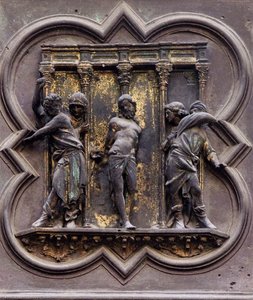
Noah and the Flood

- 79.0 x 79.0 cm


 Weiterlesen
Giclée / Kunstdruck
Giclée- oder Leinwanddruck in Museumsqualität mit schneller Produktion und flexiblen Veredelungsoptionen. ( Handgemalte Reproduktion bestellen Zum digitalen Bild wechseln)




P118B €10

P118H €10

P118W €10

P438Z €10

P508JH €12

P508YH €12

P805H €10

P805Z €10

P919BZ €10

P919G €10

P919XJ €10

P959ZH €10

P968JZ €12

W106C €8

W218G €10

W218JH €8

W218Y €10

W307PJ €10

W316G €10

W316PJ €8

W316Y €10

W398PJ €8

W4111J €10

W500HY €15

W500JH €15

W692G €12

W849H €8

W940BG €15

W953PJ €8




Wählen Sie aus unseren vordefinierten Formaten, die den ursprünglichen Proportionen des Kunstwerks entsprechen.

Geben Sie die benötigte Breite und Höhe an, damit der Druck perfekt in Ihren Rahmen oder an Ihre Wand passt. Ein Druck kann nur beschnitten, aber niemals größer als das Originalbild angefertigt werden; daher verliert ein Format mit anderen Proportionen einen Teil des Bildes. Wir senden Ihnen ein digitales Mockup zur Freigabe, bevor wir den Druck ausführen. Das auf dieser Seite gezeigte Bild zeigt nicht den tatsächlichen Beschnitt – dies ist nur im Mockup ersichtlich.
Weltweiter Versand () innerhalb von 2 Wochen statt der üblichen 4/5 Wochen. (31 Oktober)

Kostenloser weltweiter Expressversand

Hochwertige Leinenleinwand

Umfassender Versicherungsschutz beim Versand

Zollgebühren-Rückerstattungsgarantie

Garantie für exakte Farbtreue

100 Tage Rückgaberecht (nur bei Mängeln)

100% Geld-zurück-Garantie

Mengenrabatt verfügbar
 Die Glasoption ist nur für Größen unter 110 cm verfügbar.

Noah and the Flood
Giclée / Kunstdruck
Format der Reproduktion
-


Endpreis
€ 71
Lorenzo Ghiberti’s Noah and the Flood: A Testament to Resilience and Divine Grace
Florence, 1425 – The air hung heavy with anticipation as Lorenzo Ghiberti meticulously applied pigment to his monumental depiction of Noah's Ark. Commissioned for the Baptistery doors of Florence Cathedral, this ambitious project wasn’t merely a decorative undertaking; it was an attempt to encapsulate the profound narrative of humanity’s redemption from impending doom – a story recounted in Genesis and imbued with layers of symbolic significance. Ghiberti, already renowned for his mastery of bronze sculpture, skillfully transitioned into fresco painting, demonstrating his versatility as one of the foremost artists of the Renaissance.Style and Technique: Embracing Perspective and Detail
Ghiberti’s approach to Noah's Ark exemplifies the burgeoning humanist spirit of the era. Unlike earlier depictions that prioritized theological dogma over human emotion, Ghiberti sought to convey the drama and urgency of the biblical tale with unprecedented realism. He employed linear perspective – a revolutionary technique pioneered by Filippo Brunelleschi – to create an illusionistic space that drew viewers into the scene. Careful observation of nature informed his rendering of the ark itself, capturing its rugged texture and conveying a sense of solidity and stability. The artist’s meticulous attention to detail extended beyond the architectural elements; he painstakingly depicted the faces of Noah and his family, imbuing them with expressions of sorrow, determination, and unwavering faith.Historical Context: Florence Under Medici Patronage
The Baptistery doors project coincided with a period of remarkable artistic flourishing in Florence under the patronage of Cosimo I de’ Medici. The Medicis recognized the transformative power of art as a vehicle for disseminating humanist ideals and bolstering civic pride. Ghiberti's commission was thus inextricably linked to the broader cultural landscape of Renaissance Florence, where artists were increasingly encouraged to engage with classical antiquity and explore innovative artistic methods. Furthermore, the depiction of Noah’s Ark resonated deeply within Florentine society, reflecting anxieties about divine judgment and reaffirming the importance of moral virtue – themes that would continue to dominate artistic discourse throughout the century.Symbolism: Representing Hope Amidst Desolation
The imagery employed in Noah's Ark is replete with symbolic references rooted in Jewish tradition and Christian theology. The ark itself symbolizes God’s covenant with humanity, representing protection from divine wrath and foreshadowing the promise of salvation. The animals depicted on board – lions, bears, oxen, sheep – represent the diversity of creation and symbolize God’s providence over all living beings. Noah's unwavering faith—expressed in his prayerful posture and solemn gaze—represents moral courage and spiritual resilience. Ultimately, the painting conveys a message of hope amidst desolation, reminding viewers that even in the darkest hours, divine grace prevails.Emotional Impact: Capturing the Essence of Biblical Narrative
Ghiberti’s Noah and the Flood transcends mere visual representation; it aspires to evoke profound emotional responses from its audience. The artist skillfully captures the palpable tension of the moment as Noah prepares for the deluge, conveying a sense of apprehension mingled with resolute conviction. The faces of Noah and his family radiate compassion and sorrow—expressions that resonate across centuries and speak to the universal human experience of suffering and redemption. By immersing viewers in this dramatic tableau, Ghiberti achieves an unparalleled feat of artistic storytelling, cementing Noah’s Ark as one of the most enduring symbols of faith and resilience in Western art history.Fragen & Antworten
Aus welchem Land stammt das Renaissance Florentine Style-Werk „Noah and the Flood“?
"Noah and the Flood" wurde von Lorenzo Ghiberti geschaffen, der in Italien geboren wurde, und ist der Renaissance Florentine Style-Bewegung zuzuordnen. Die Herkunft des Künstlers verbindet das Werk mit der Renaissance Florentine Style, wie sie von Künstlern aus Italien praktiziert wird.
Welche Form und welche Maße hat "Noah and the Flood" von Lorenzo Ghiberti?
"Noah and the Flood" von Lorenzo Ghiberti ist eine Komposition im Format Quadratisch, die im Original die Maße 79 x 79 cm aufweist.
Befindet sich "Noah and the Flood" im Land seines Schöpfers?
Ja – das Kunstwerk befindet sich im Heimatland der Künstlerin / des Künstlers. „Noah and the Flood“ befindet sich in Italien, während Lorenzo Ghiberti in Italien geboren wurde.
Künstlerbiografie
Lorenzo Ghiberti: Leben und Vermächtnis
Frühes Leben und Ausbildung
- Lorenzo di Bartolo – später bekannt als Lorenzo Ghiberti – wurde 1378 in Pelago, in der Nähe von Florenz, Italien, geboren. Seine künstlerische Reise begann unter der Anleitung seines Stiefvaters, Bartolo di Michele, einem Goldschmied.
- Er erhielt eine formale Malerausbildung von Gherardo Starnina und erweiterte so seine Fähigkeiten über die Metallverarbeitung hinaus.
- Durch den Ausbruch der Pest im Jahr 1400 wurde er nach Rimini geschickt, wo er für Carlo I Malatesta arbeitete und mit Fresken zusammenarbeitete und seine künstlerischen Sensibilitäten weiterentwickelte.
Der Baptisterium-Wettbewerb und Früher Erfolg
- Im Jahr 1401 kehrte Ghiberti nach Florenz zurück und nahm an einem renommierten Wettbewerb zur Gestaltung der Bronzetüren für das Baptisterium von Florenz teil.
- Er besiegte seine Konkurrenten, darunter Filippo Brunelleschi, mit seinem Panel, das das *Opfer des Isaak* darstellt, und demonstrierte bemerkenswerte Fähigkeiten und Innovation.
- Dieser Sieg leitete seine Karriere ein und sicherte ihm die Beauftragung mit den Nordtüren des Baptisteriums.
Die Nord- und Südtafeln
- Ghiberti verbrachte über zwei Jahrzehnte damit, die Nordtüren (ab 1424 fertiggestellt) zu schaffen, die Szenen aus dem Leben des Johannes des Täufers darstellen.
- Seine Werkstatt wurde zu einem Zentrum künstlerischen Talents und förderte zukünftige Meister wie Donatello, Masolino und Paolo Uccello.
- Nach dem Erfolg der Nordtüren wurde Ghiberti beauftragt, eine zweite Reihe – die Osttüren (ab 1452 fertiggestellt) – zu erstellen.
Die “Tore des Paradieses”
- Die Osttüren, die von Michelangelo berühmt als die "*Tore des Paradieses*" bezeichnet werden, repräsentieren Ghibertis Meisterwerk.
- Diese Türen stellen Szenen aus dem Alten Testament dar und zeichnen sich durch eine bisher ungeahnte Realismus, Perspektive und künstlerische Detailgenauigkeit aus.
- Jedes Panel ist ein Zeugnis seiner Meisterschaft in der Bronzeguss- und Relieftechnik.
Künstlerischer Stil und Einflüsse
- Ghibertis Stil vereinte gotische Eleganz mit den aufkommenden Prinzipien des Renaissance-Humanismus.
- Er ließ sich von der klassischen Antike inspirieren und integrierte Elemente römischer Kunst und Skulpturen in seine Arbeit.
- Seine sorgfältige Detailgenauigkeit, naturalistischen Darstellungen und innovative Verwendung der Perspektive setzten ihn von seinen Zeitgenossen ab.
Commentarii und Vermächtnis
- Ghiberti verfasste *Commentarii*, ein wertvolles Werk über Kunstgeschichte, Theorie und Technik – das als eine der frühesten Autobiografien eines Künstlers gilt.
- Er starb 1455 in Florenz und hinterließ ein bleibendes Vermächtnis als einer der wichtigsten Bildhauer der Frührenaissance.
- Seine Arbeit beeinflusste nachfolgende Generationen von Künstlern nachhaltig, indem sie den Verlauf der westlichen Kunstgeschichte prägte.
Historische Bedeutung
- Ghibertis Beiträge waren entscheidend für die Etablierung Florenz als führendes künstlerisches Zentrum während der Renaissance.
- Die "*Tore des Paradieses*" wurden zu einem Symbol florentinischer städtischer Stolz und künstlerischer Leistung.
- Seine innovativen Techniken und humanistischen Themen halfen, die ästhetischen Ideale der Epoche zu definieren und den Weg für zukünftige Meister wie Leonardo da Vinci und Michelangelo zu ebnen.
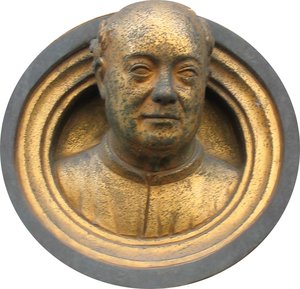
Lorenzo Ghiberti
1378 - 1455 , Italien
Kurzinfos
- Artistic Movement Or Style: Frührenaissance / Internationale Gotik
- Artists Or Movements Influenced By This Artist:
- Donatello
- Masolino
- Michelangelo
- Artists Who Influenced This Artist:
- Bartolo di Michele
- Gherardo Starnina
- Date Of Birth: Um 1378
- Date Of Death: 1455
- Full Name: Lorenzo di Bartolo Ghiberti
- Nationality: Italienisch
- Notable Artworks:
- Himmelstüren
- Nordtüren
- Sakristeischrank
- Place Of Birth: Pelago, Italien
Ähnliche Artikel
Spätmittelalterliche Meisterwerke: 10 Kunstwerke für Ihr Zuhause | OriginalUniqueArt
Entdecken Sie die 10 bedeutendsten Meisterwerke des Spätmittelalters! Erfahren Sie die Geschichten hinter Jan van Eyck, Rogier van der Weyden & mehr. Hochwertige Kunst Reproduktionen für Ihr Zuhause – jetzt auf OriginalUniqueArt.com!

Divine Light & Golden Splendor: A Journey Through the Sacred Grandeur of High Medieval Art
Embark on a soulful journey through High Medieval art. Explore the divine light of Gothic cathedrals, Byzantine splendor, and sacred masterpieces that shaped Western history with our expert-led cultural reflections.
Meisterwerke des Hochmittelalters: 10 Kunstwerke für Ihr Zuhause | OriginalUniqueArt
Entdecken Sie die 10 bedeutendsten Meisterwerke des Hochmittelalters! Erfahren Sie Geschichten von Romanik, Gotik & berühmten Künstlern. Finden Sie hochwertige Reproduktionen für Ihr Zuhause auf OriginalUniqueArt.com.

Sacred Symbols & Golden Light: A Journey Through the Divine Artistry of the Early Medieval Era
Embark on a visual journey through Early Medieval art. Explore the profound beauty of illuminated manuscripts, sacred symbols, and golden light through an expert historical lens, celebrating the enduring legacy of medieval craftsmanship and divine artistry.
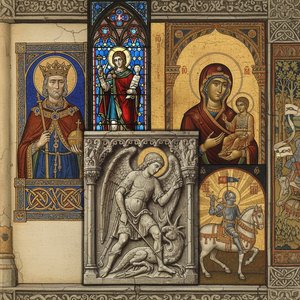
Illuminating Faith & Power: A Journey Through Medieval Art (c. 500 – c. 1500)
Explore the rich history of Medieval Art (c. 500 – c. 1500) with OriginalUniqueArt. Discover Byzantine mosaics, Gothic cathedrals & Renaissance masterpieces. Expert insights & museum-quality reproductions.