
 Vorschau anzeigen
 Versenden
 Teilen
 Details anzeigen
 Leitfaden

 Herunterladen
 Ähnliche Objekte
 Röntgenaufnahme
 Diashow
 Fragen & Antworten
 Statistiken
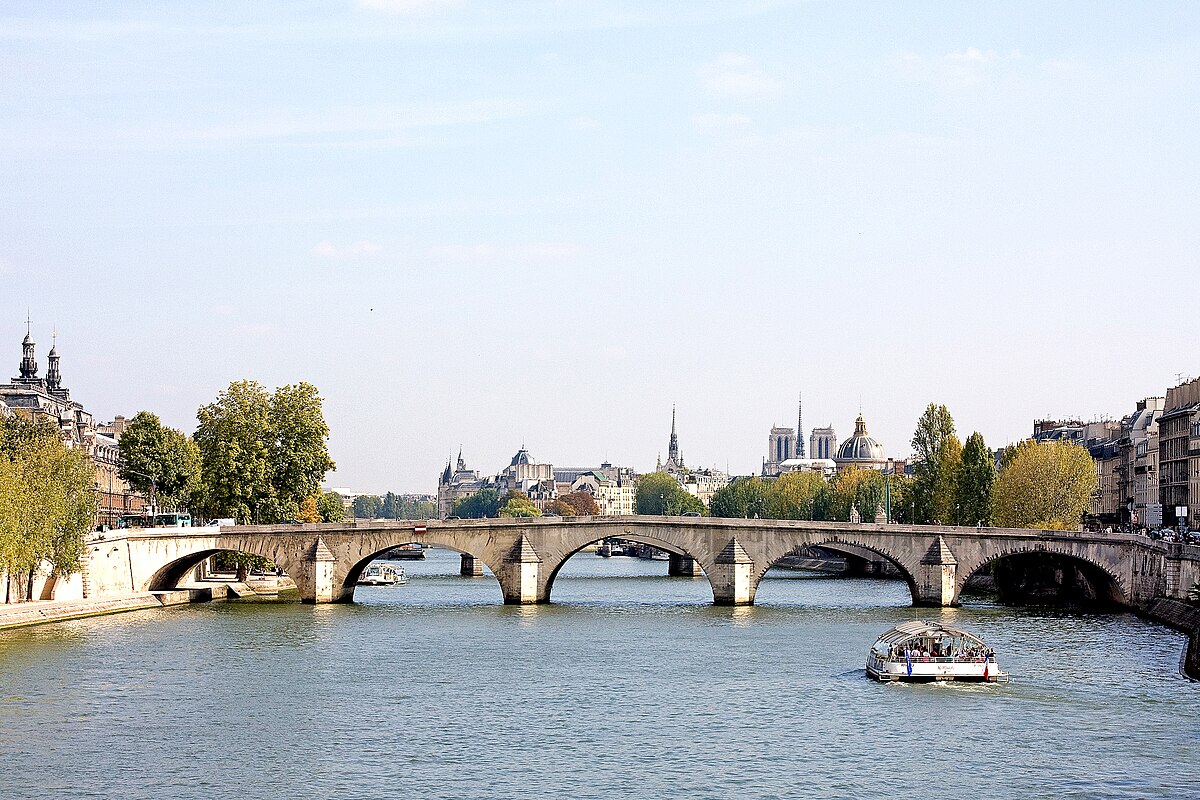
The Pont Royal in Paris


 Weiterlesen
Giclée / Kunstdruck
Giclée- oder Leinwanddruck in Museumsqualität mit schneller Produktion und flexiblen Veredelungsoptionen. ( Handgemalte Reproduktion bestellen Zum digitalen Bild wechseln)




P118B €10

P118H €10

P118W €10

P438Z €10

P508JH €12

P508YH €12

P805H €10

P805Z €10

P919BZ €10

P919G €10

P919XJ €10

P959ZH €10

P968JZ €12

W106C €8

W218G €10

W218JH €8

W218Y €10

W307PJ €10

W316G €10

W316PJ €8

W316Y €10

W398PJ €8

W4111J €10

W500HY €15

W500JH €15

W692G €12

W849H €8

W940BG €15

W953PJ €8




Wählen Sie aus unseren vordefinierten Formaten, die den ursprünglichen Proportionen des Kunstwerks entsprechen.

Geben Sie die benötigte Breite und Höhe an, damit der Druck perfekt in Ihren Rahmen oder an Ihre Wand passt. Ein Druck kann nur beschnitten, aber niemals größer als das Originalbild angefertigt werden; daher verliert ein Format mit anderen Proportionen einen Teil des Bildes. Wir senden Ihnen ein digitales Mockup zur Freigabe, bevor wir den Druck ausführen. Das auf dieser Seite gezeigte Bild zeigt nicht den tatsächlichen Beschnitt – dies ist nur im Mockup ersichtlich.
Weltweiter Versand () innerhalb von 2 Wochen statt der üblichen 4/5 Wochen. (8 November)

Kostenloser weltweiter Expressversand

Hochwertige Leinenleinwand

Umfassender Versicherungsschutz beim Versand

Zollgebühren-Rückerstattungsgarantie

Garantie für exakte Farbtreue

100 Tage Rückgaberecht (nur bei Mängeln)

100% Geld-zurück-Garantie

Mengenrabatt verfügbar
 Die Glasoption ist nur für Größen unter 110 cm verfügbar.

The Pont Royal in Paris
Giclée / Kunstdruck
Format der Reproduktion
-


Endpreis
€ 72
A Glimpse of Parisian Life: Lesser Ury’s “The Pont Royal”
Lesser Ury's "The Pont Royal in Paris," painted in 1928, isn’t merely a depiction of a bridge; it’s a carefully constructed tableau of urban life, imbued with the melancholic beauty characteristic of his Impressionistic style. Born in Birnbaum, Poland, and deeply influenced by the Düsseldorf school, Ury possessed an extraordinary ability to capture fleeting moments – the shimmer of light on water, the muted tones of twilight, and the subtle shifts in mood within a bustling cityscape. This particular work transports us to a winter evening along the Seine, offering a poignant observation of Paris’s vibrant energy juxtaposed with a sense of quiet contemplation.
Impressionistic Techniques and a Masterful Palette
Ury’s technique is distinctly Impressionistic, prioritizing the subjective experience of light and color over precise representation. He employs loose brushstrokes, layering hues to create an atmospheric effect—a deliberate blurring of edges that evokes the ephemeral quality of the scene. Notice how he uses broken color – small dabs of complementary shades – to suggest reflected light on the water’s surface and the wet cobblestones of the street. The muted palette, dominated by blues, greys, and browns, contributes significantly to the painting's mood, conveying a sense of cool stillness amidst the activity below. The artist skillfully utilizes *plein air* techniques, working directly from observation, which is evident in the subtle variations of tone and color that capture the nuances of the Parisian winter.
A Bridge Between Worlds: Symbolism and Context
The Pont Royal itself holds a rich historical significance. Constructed in 1685, it has witnessed centuries of Parisian life – from royal processions to revolutionary fervor. Ury’s painting isn't simply a record of the bridge; it’s an exploration of its role as a connector—a physical and metaphorical link between the Right Bank and the Left, between past and present. The figures strolling along the sidewalk, the vehicles traversing the bridge, all contribute to this sense of movement and connection. The painting subtly reflects the changing social landscape of Paris during the interwar period, capturing a moment of relative calm before the storm of World War II.
Capturing Emotion: A Moment of Reflection
Beyond its technical mastery, “The Pont Royal in Paris” resonates with an underlying sense of melancholy and introspection. The subdued lighting, the blurred figures, and the quiet stillness of the scene evoke a feeling of detachment—a recognition of the transient nature of life and beauty. Ury’s ability to distill such complex emotions into a single image is a testament to his artistic vision. It's a painting that invites viewers to pause, observe, and contemplate the subtle poetry of everyday moments. Reproductions of this piece offer a beautiful way to bring a touch of Parisian charm and contemplative mood into any space.
Fragen & Antworten
Ist "The Pont Royal in Paris" als Kunstdruck erhältlich?
Einen Druck von "The Pont Royal in Paris" von Lesser Ury können Sie ganz einfach auf der Seite Kunstdruck in Premiumqualität bestellen: ein Fine Art Print auf Baumwollkanvas oder Archiv-Leinwandpapier.
Kann ich Augmented Reality nutzen, um "The Pont Royal in Paris" von Lesser Ury in meinem Raum zu sehen?
"The Pont Royal in Paris" von Lesser Ury kann mithilfe der AR-Vorschau-Seite des Kunstwerks mit Augmented Reality auf einem kompatiblen Gerät direkt an Ihrer eigenen Wand vorab betrachtet werden.
Aus welcher Schaffensperiode von Lesser Ury stammt "The Pont Royal in Paris"?
Innerhalb der Schaffensperiode von Lesser Ury lässt sich „The Pont Royal in Paris“ der Late Period zuordnen. Diese Phase ermöglicht einen Vergleich mit anderen Werken des Künstlers.
Künstlerbiografie
Leo Lesser Ury: Eine Biografie
Frühes Leben und Ausbildung (1861-1887)
- Geburt und Familie: Leo Lesser Ury wurde am 7. November 1861 in Birnbaum, Preußen (heute Międzychód, Polen) geboren. Sein Vater war Bäcker.
- Frühe Herausforderungen: Die Familie zog nach dem Tod seines Vaters im Jahr 1872 nach Berlin um.
- Ausbildung und künstlerisches Training: Ury absolvierte zunächst eine Lehre bei einem Händler, bevor er ab 1879 ein Kunststudium an der Kunstakademie Düsseldorf aufnahm.
- Europäische Reisen: Er verbrachte Zeit in Brüssel, Paris, München, Stuttgart und Karlsruhe und erweiterte so seinen künstlerischen Horizont und entwickelte seinen Stil. Diese Reisen beeinflussten seine spätere Arbeit maßgeblich, insbesondere seine Darstellungen des Stadtlebens.
Künstlerische Entwicklung und Stil (1887-1901)
- Frühe Ausstellungen: Urys erste Ausstellung im Jahr 1889 erhielt zunächst einen feindseligen Empfang.
- Einfluss von Adolph Menzel: Unterstützt von Adolph Menzel, erlangte er Anerkennung und Unterstützung durch die Berliner Akademie.
- Münchner Secession: Er trat 1893 der Münchner Secession bei und schloss sich damit progressiven künstlerischen Bewegungen an.
- Impressionistischer Stil: Ury entwickelte einen unverwechselbaren impressionistischen Stil, der durch lebhafte Pinselstriche, Impasto-Malfarbe und eine Betonung auf die Erfassung flüchtiger Momente von Licht und Atmosphäre gekennzeichnet war.
- Themenwahl: Seine Hauptthemen umfassten Landschaften, Stadtansichten (insbesondere nächtliche Ansichten) und Innenräume. Später beschäftigte er sich auch mit biblischen Themen.
Wichtige Errungenschaften und Anerkennung (1901-1931)
- Rückkehr nach Berlin: Ury kehrte 1901 nach Berlin zurück, wo er zu einer bedeutenden Figur in der Stadtkunstszene wurde.
- Ausstellungen der Berliner Secession: Er stellte ab 1915 mit der Berliner Secession aus und erlangte zunehmend Anerkennung für seine Arbeit.
- Große Ausstellung (1922): Eine bedeutende Ausstellung im Jahr 1922 zeigte 150 seiner Gemälde und Pastelle und brachte ihm den Titel "der künstlerische Verkünder der Hauptstadt" des Bürgermeisters von Berlin ein.
- Meisterschaft in Pastell: Ury war besonders für seine Fähigkeiten mit Pastellkreiden bekannt und schuf eindrucksvolle und atmosphärische Werke.
- Ruf und kommerzielle Praktiken: Während er kritische Anerkennung gewann, entwickelte er auch die Gewohnheit, Kompositionen zu wiederholen, um der kommerziellen Nachfrage gerecht zu werden, was leider zur Herstellung minderwertiger Kopien führte, die manchmal seinen Ruf beeinträchtigten.
Historische Bedeutung und Vermächtnis
- Darstellung des modernen Stadtlebens: Ury wird für seine eindringlichen Darstellungen der Berliner Stadtlandschaft in Erinnerung behalten, insbesondere seiner nächtlichen Szenen mit Gaslicht und regennassen Straßen. Er fing das Wesen des modernen Stadtlebens auf eine Weise ein, die beim Publikum Anklang fand.
- Jüdische künstlerische Identität: Als jüdischer Künstler spiegeln Urys Werke Aspekte der jüdischen kulturellen Identität und Erfahrung innerhalb der deutschen Gesellschaft wider.
- Einfluss auf spätere Künstler: Sein unverwechselbarer Stil und seine Themenwahl beeinflussten nachfolgende Generationen von Künstlern.
- Tod und Begräbnis: Leo Lesser Ury starb am 18. Oktober 1931 in Berlin und wurde in dem jüdischen Friedhof Weißensee begraben.

Lesser Ury
1861 - 1931 , Polen
Kurzinfos
- Bemerkenswerte Werke:
- Flämische Schenke
- Frau am Schreibtisch
- Vor dem Café
- Einflussreiche Künstler:
- Adolph von Menzel
- Max Liebermann
- Geburtsdatum: 7. November 1861
- Geburtsort: Birnbaum, Polen
- Künstlerische Richtung: Impressionismus
- Nationalität: Deutsch-Jüdisch
- Todatum: 18. Oktober 1931
- Vollständiger Name: Leo Lesser Ury
Ähnliche Artikel

Impressionismus Meisterwerke: Die Top 10 Kunstwerke für Ihr Zuhause | OriginalUniqueArt
Entdecken Sie die Top 10 Meisterwerke des Impressionismus! Von Monet bis Renoir – erfahren Sie die Geschichten hinter berühmten Gemälden, Techniken & Farben. Hochwertige Kunstdrucke auf OriginalUniqueArt.com.
Urban Visions: A Historical & Artistic Exploration of the Cityscape in Painting
Explore the evolution of cityscape painting from historical maps to Impressionist masterpieces. Discover artists like Caillebotte, Utrillo & Matsumoto Shunsuke. Find museum-quality reproductions at OriginalUniqueArt.
Impressionismus: Die 10 Meisterwerke, die eine Kunstbewegung prägten |
Entdecken Sie die 10 Meisterwerke des Impressionismus! Von Monet bis Renoir – erfahren Sie die Geschichten hinter berühmten Gemälden & ihre einzigartigen Techniken. Kunstdrucke in Museumsqualiät auf .

Herman Armour Webster: Capturing Atmospheric Light in American Impressionism
Explore the captivating world of Herman Armour Webster, an American Impressionist master. Discover his Parisian influences, unique style, and lasting legacy with OriginalUniqueArt.

Impressionismus und Postimpressionismus: Eine vergleichende Analyse
Entdecken Sie die Welt des Impressionismus und Postimpressionismus! Expertenwissen über Künstler wie Monet, Van Gogh & Cézanne. Jetzt lesen!
