
 Vorschau anzeigen
 Versenden
 Teilen
 Details anzeigen
 Leitfaden

 Herunterladen
 Ähnliche Objekte
 Röntgenaufnahme
 Diashow
 Fragen & Antworten
 Statistiken
Judith and Holofernes

- 49.0 x 37.0 cm


 Weiterlesen
Giclée / Kunstdruck
Giclée- oder Leinwanddruck in Museumsqualität mit schneller Produktion und flexiblen Veredelungsoptionen. ( Handgemalte Reproduktion bestellen Zum digitalen Bild wechseln)




P118B €10

P118H €10

P118W €10

P438Z €10

P508JH €12

P508YH €12

P805H €10

P805Z €10

P919BZ €10

P919G €10

P919XJ €10

P959ZH €10

P968JZ €12

W106C €8

W218G €10

W218JH €8

W218Y €10

W307PJ €10

W316G €10

W316PJ €8

W316Y €10

W398PJ €8

W4111J €10

W500HY €15

W500JH €15

W692G €12

W849H €8

W940BG €15

W953PJ €8




Wählen Sie aus unseren vordefinierten Formaten, die den ursprünglichen Proportionen des Kunstwerks entsprechen.

Geben Sie die benötigte Breite und Höhe an, damit der Druck perfekt in Ihren Rahmen oder an Ihre Wand passt. Ein Druck kann nur beschnitten, aber niemals größer als das Originalbild angefertigt werden; daher verliert ein Format mit anderen Proportionen einen Teil des Bildes. Wir senden Ihnen ein digitales Mockup zur Freigabe, bevor wir den Druck ausführen. Das auf dieser Seite gezeigte Bild zeigt nicht den tatsächlichen Beschnitt – dies ist nur im Mockup ersichtlich.
Weltweiter Versand () innerhalb von 2 Wochen statt der üblichen 4/5 Wochen. (6 November)

Kostenloser weltweiter Expressversand

Hochwertige Leinenleinwand

Umfassender Versicherungsschutz beim Versand

Zollgebühren-Rückerstattungsgarantie

Garantie für exakte Farbtreue

100 Tage Rückgaberecht (nur bei Mängeln)

100% Geld-zurück-Garantie

Mengenrabatt verfügbar
 Die Glasoption ist nur für Größen unter 110 cm verfügbar.

Judith and Holofernes
Giclée / Kunstdruck
Format der Reproduktion
-


Endpreis
€ 72
A Vision of Decadence: Moser’s Judith and Holofernes
In the twilight of the early twentieth century, the boundaries between fine art and decorative elegance began to dissolve, giving rise to a movement that celebrated the ornamental as much as the profound. Koloman Moser, a titan of the Vienna Secession, captured this transformative era in his 1916 masterpiece, Judith and Holofernes. This work is not merely a depiction of a biblical narrative; it is a sensory experience that invites the viewer into a world of draped shadows and gilded intensity. The painting presents a striking composition where the human form meets the rhythmic, flowing lines characteristic of the Art Nouveau style, creating a scene that feels both ancient in its mythic weight and strikingly modern in its graphic execution.
The subject matter draws from the dramatic tension of the biblical tale, yet Moser strips away the traditional gore often associated with this story to focus on an intimate, almost theatrical atmosphere. We see a woman poised with a quiet, commanding presence, her form partially veiled by heavy, sweeping curtains that frame the scene like a stage production. The interplay between the figures—one partially obscured, the other seemingly caught in a moment of profound vulnerability—creates a psychological depth that transcends simple storytelling. Through the use of bold reds and warm yellows, Moser bathes the canvas in a glow that feels both inviting and ominous, pulling the observer into the heat of the unfolding drama.
The Mastery of Line and Color
Technically, Judith and Holofernes serves as a testament to Moser’s unparalleled ability to blend graphic precision with painterly warmth. As a founding member of the Wiener Werkstätte, Moser possessed a unique gift for seeing the world through patterns and silhouettes. In this piece, his mastery is evident in the way the fabric folds interact with the light, creating a rhythmic movement that guides the eye across the canvas. The composition is anchored by strong, decisive shapes, yet softened by the delicate, organic flourishes of the Art Nouveau aesthetic. This balance makes the artwork particularly captivating for collectors who appreciate pieces that possess both structural strength and decorative grace.
The color palette is a deliberate choice in emotional manipulation. The dominance of crimson and amber tones evokes a sense of passion, danger, and luxury. For an interior designer, this painting offers a sophisticated focal point; its warm hues can anchor a room with a sense of historical grandeur, while its intricate details provide a layer of complexity that rewards close inspection. Whether placed in a contemporary gallery setting or a classic, richly appointed study, the work radiates a timeless energy that bridges the gap between the classical past and the avant-garde future.
An Eternal Legacy for the Discerning Collector
Owning a reproduction of such a significant piece is an opportunity to bring the spirit of the Vienna Secession into a modern living space. Moser’s work represents a pivotal moment in art history when design became an integrated part of life itself. This painting, with its evocative symbolism and masterful use of light, serves as more than just decoration; it is a conversation piece that speaks to themes of power, destiny, and the beauty found within tension. For those seeking to curate a collection that reflects depth, historical significance, and an appreciation for the exquisite, Moser’s Judith and Holofernes stands as an enduring icon of artistic brilliance.
Fragen & Antworten
Welche Farbpalette wird in "Judith and Holofernes" von Koloman Moser verwendet?
"Judith and Holofernes" von Koloman Moser verwendet eine Dark-Farbpalette. Diese Palette bestimmt den gesamten farblichen Charakter des Werkes.
Wer ist der Künstler hinter "Judith and Holofernes"?
"Judith and Holofernes" wird Koloman Moser zugeschrieben.
Wie intensiv sind die Farben in "Judith and Holofernes" von Koloman Moser?
"Judith and Holofernes" von Koloman Moser besticht durch eine Vivid Farbintensität.
Künstlerbiografie
Frühes Leben und Ausbildung
Koloman Moser, geboren am 30. März 1868 in Wien, Österreich-Ungarn (heute Teil von Kroatien), war eine zentrale Figur der österreichischen Kunstszene, vor allem bekannt für seine Beiträge zur Grafik und als Gründungsmitglied der Wiener Secession. Sein künstlerischer Werdegang begann mit formaler Ausbildung an der Wiener Akademie und der Kunstgewerbeschule, wo er ab 1899 selbst unterrichtete. Diese akademische Grundlage erwies sich als entscheidend für die Gestaltung seiner vielseitigen Karriere in verschiedenen Medien. Mosers familiärer Hintergrund beeinflusste seine frühe Auseinandersetzung mit Kunst und Design und förderte ein scharfes Auge für Details und Ästhetik, das seinen künstlerischen Stil prägen sollte.Künstlerische Beiträge: Eine facettenreiche Karriere
- Grafik: Mosers Einfluss auf die Grafik ist unbestreitbar. Er entwarf Briefmarken, Zeitschriftenvignetten und andere Druckmaterialien mit unverwechselbaren geometrischen Mustern und stilisierten Bildern. Seine Designs zeichneten sich durch Klarheit, Eleganz und innovative Typografie aus.
- Mode und angewandte Kunst: Über die Grafikdesign hinaus erstreckte sich Mosers Talent auf Mode, Glasfenster, Porzellane, Keramiken, Gebläseglas, Tafelgeschirr, Silberwaren und Schmuck. Dies unterstreicht sein Engagement für die Integration von Kunst in den Alltag.
- Architektur: Seine architektonischen Entwürfe, insbesondere das Apsis-Mosaik und die Glasfenster für die Kirche am Steinhof in Wien (1904), zeugen von seiner Fähigkeit, künstlerische Vision mit funktionalem Design zu verbinden. Diese Werke gelten als Meisterwerke der Jugendstilarchitektur.
Die Wiener Werkstätte und gemeinschaftlicher Geist
Im Jahr 1903 gründete Moser zusammen mit Josef Hoffmann die Wiener Werkstätte. Diese kollaborative Werkstatt zielte darauf ab, ästhetisch ansprechende Haushaltswaren zu schaffen, indem Künstler und Handwerker vereint wurden. Die Wiener Werkstätte vertraten eine Philosophie des „Gesamtkunstwerks“, bei dem jeder Aspekt eines Objekts – von seinem Design bis zu seiner Produktion – sorgfältig berücksichtigt wurde. Mosers Beteiligung an der Wiener Werkstätte festigte sein Engagement für funktionelle Schönheit und erhöhte den Stellenwert der angewandten Kunst.Einflüsse, Entwicklung und Vermächtnis
Mosers künstlerische Entwicklung wurde von mehreren Schlüsselbewegungen beeinflusst, darunter Jugendstil, Symbolismus und die Wiener Secession. Er ließ sich von japanischen Holzschnitten inspirieren, die seine Verwendung von Farbflächen und vereinfachten Formen prägten. Sein Stil entwickelte sich im Laufe der Zeit weiter, wobei er zunehmend abstrakt und geometrisch wurde, ohne dabei seinen Sinn für Eleganz und Raffinesse zu verlieren. Mosers Vermächtnis ist besiegelt durch seine Designs, die auf der österreichischen 100-Euro-Gedenkmünze Steinhofkirche (2005) verewigt wurden, was seinen bleibenden Einfluss auf Kunst und Design würdigt. Er starb 1918 in Wien und hinterließ ein bedeutendes Werk, das bis heute Künstler und Designer inspiriert. Seine Beiträge halfen, den Kurs der modernen Kunst und des Designs zu prägen und betonten die Bedeutung der Integration von Schönheit in alltägliche Objekte und Räume.Spätere Jahre und Vermächtnis
- Rückkehr zur Malerei: Nach internen Konflikten innerhalb sowohl der Secession als auch der Wiener Werkstätte zog sich Moser zurück und widmete sich wieder der Malerei, die er 1897 zugunsten des Designs aufgegeben hatte. Seine Gemälde behielten den dekorativen Geist des Jugendstils bei, während sein Stil unter dem Einfluss des Impressionismus eine radikale Veränderung erfuhr.
- Theaterdesign: In seinen letzten Lebensjahren entwarf Moser Theaterdekorationen für Stücke und Opern und gestaltete Briefmarken. Er stellte seine Werke in Rom, Mannheim und Budapest sowie bei der Berliner Secession aus.
- Bleibender Einfluss: Koloman Mosers Werk wird bis heute gefeiert und beeinflusst Künstler und Designer weltweit. Seine Beiträge zur Grafik, angewandten Kunst und Architektur haben einen bleibenden Eindruck in der Geschichte der modernen Kunst hinterlassen.

Koloman Moser
1868 - 1918 , Österreich-Ungarn (heute Teil von Kroatien)
Kurzinfos
- Beeinflusste Künstler: ['Josef Hoffmann']
- Bemerkenswerte Werke:
- Die Quelle (Portfolio)
- Kirche am Steinhof
- Flächenschmuck
- Hohe Warte (Wohnhaus)
- Geburtsdatum: 30. März 1868
- Geburtsort: Wien, Kroatien
- Künstlerische Bewegung: Wiener Secession
- Nationalität: Österreichisch
- Todatum: 18. Oktober 1918
- Vollständiger Name: Koloman Moser
- Von Künstlern Beeinflusst:
- Ferdinand Hodler
- Japanische Holzschnitte
Ähnliche Artikel

Goldene Meisterwerke: Die 25 besten Kunstwerke von Gustav Klimt
Erleben Sie Klimts goldene Meisterwerke der Wiener Secession. Entdecken Sie alle Highlights auf OriginalUniqueArt.com.
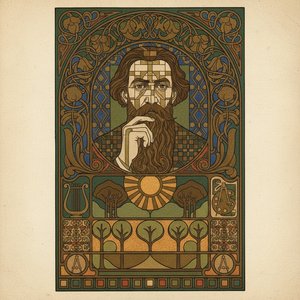
Koloman Moser: Synthese von Jugendstil, Sezession und dem Ideal des Gesamtkunstwerks
Entdecken Sie das faszinierende Werk von Koloman Moser – Schlüsselfigur der Wiener Secession und des Jugendstils. Erfahren Sie mehr über seine Vision des Gesamtkunstwerks, die Wiener Werkstätte und seinen bleibenden Einfluss auf die angewandte Kunst.

Crimson Threads of Narrative: Exploring Symbolism & Representation in Artworks Featuring the Red Dress
Explore the rich symbolism of the red dress in art history! From ancient power displays to iconic portraits like Cézanne’s 'Madame Cezanne', discover the cultural and artistic significance behind this captivating color. Expert analysis & insights.
Art Nouveau Meisterwerke: Die 10 prägendsten Kunstwerke für Ihr Zuhause |
Entdecken Sie die 10 prägendsten Art Nouveau Meisterwerke! Von Mucha bis Klimt – erfahren Sie die Geschichten hinter ikonischen Gemälde & dekorativer Kunst. Hochwertige Kunstdrucke online kaufen auf

The Vienna Secession: A Rebellion of Form & Spirit in Fin-de-Siècle Art
Discover the revolutionary Vienna Secession art movement! Explore Klimt, Olbrich & more. Learn about its history, characteristics & lasting influence on modern art. High-quality reproductions available.


