
 Vorschau anzeigen
 Versenden
 Teilen
 Details anzeigen
 Leitfaden

 Herunterladen
 Ähnliche Objekte
 Röntgenaufnahme
 Diashow
 Fragen & Antworten
 Statistiken
Carp in Water


 Weiterlesen
Giclée / Kunstdruck
Giclée- oder Leinwanddruck in Museumsqualität mit schneller Produktion und flexiblen Veredelungsoptionen. ( Handgemalte Reproduktion bestellen Zum digitalen Bild wechseln)




P118B €10

P118H €10

P118W €10

P438Z €10

P508JH €12

P508YH €12

P805H €10

P805Z €10

P919BZ €10

P919G €10

P919XJ €10

P959ZH €10

P968JZ €12

W106C €8

W218G €10

W218JH €8

W218Y €10

W307PJ €10

W316G €10

W316PJ €8

W316Y €10

W398PJ €8

W4111J €10

W500HY €15

W500JH €15

W692G €12

W849H €8

W940BG €15

W953PJ €8




Wählen Sie aus unseren vordefinierten Formaten, die den ursprünglichen Proportionen des Kunstwerks entsprechen.

Geben Sie die benötigte Breite und Höhe an, damit der Druck perfekt in Ihren Rahmen oder an Ihre Wand passt. Ein Druck kann nur beschnitten, aber niemals größer als das Originalbild angefertigt werden; daher verliert ein Format mit anderen Proportionen einen Teil des Bildes. Wir senden Ihnen ein digitales Mockup zur Freigabe, bevor wir den Druck ausführen. Das auf dieser Seite gezeigte Bild zeigt nicht den tatsächlichen Beschnitt – dies ist nur im Mockup ersichtlich.
Weltweiter Versand () innerhalb von 2 Wochen statt der üblichen 4/5 Wochen. (4 November)

Kostenloser weltweiter Expressversand

Hochwertige Leinenleinwand

Umfassender Versicherungsschutz beim Versand

Zollgebühren-Rückerstattungsgarantie

Garantie für exakte Farbtreue

100 Tage Rückgaberecht (nur bei Mängeln)

100% Geld-zurück-Garantie

Mengenrabatt verfügbar
 Die Glasoption ist nur für Größen unter 110 cm verfügbar.

Carp in Water
Giclée / Kunstdruck
Format der Reproduktion
-


Endpreis
€ 72
A Whisper of Dragons: Katsushika Hokusai’s “Carp in Water”
Katsushika Hokusai's "Carp in Water," painted in 1832, isn’t merely a depiction of fish; it’s a shimmering embodiment of perseverance and the cyclical nature of life itself. This iconic woodblock print, now residing at the Bristol Museum – Art Gallery, transcends its simple subject matter to become a profound meditation on ambition, destiny, and the beauty inherent in the natural world. Hokusai, already a celebrated master by this period, was deeply influenced by Chinese folklore—particularly the legend of the carp leaping the Yellow River to transform into a dragon. This tale of relentless striving resonated profoundly with him, informing his artistic vision and providing a potent metaphor for human aspiration.
The print’s composition is deceptively serene. A single, vibrant carp dominates the scene, its scales rendered in meticulous detail—a testament to Hokusai's unparalleled technical skill. The fish, poised mid-leap, appears to be surging upwards through a clear, azure water, creating a dynamic sense of movement and energy. The background is subtly layered: a hazy blue sky punctuated by wispy clouds suggests distance and the vastness of the natural world. Below, the riverbed is rendered with delicate washes of color, hinting at unseen depths and the quiet currents that shape the carp’s journey.
Technique and Materials – A Masterclass in Ukiyo-e
“Carp in Water” exemplifies the hallmarks of Hokusai's signature *nishiki-e* style—a technique characterized by its bold use of color, intricate detail, and layered washes. The print utilizes multiple blocks of varying colors to achieve a remarkable range of tones and textures. The carp itself is rendered with a vibrant red hue, immediately drawing the viewer’s eye. The water is depicted in shades of blue and green, creating an illusion of depth and movement. Hokusai masterfully employed *bokashi*, a technique involving uneven pressure on the woodblocks to create subtle gradations of color and shadow—a crucial element in conveying the feeling of light and atmosphere.
The print’s surface is smooth and slightly glossy, indicative of the high-quality paper used for *nishiki-e* prints. The meticulous attention to detail suggests a lengthy and painstaking process, reflecting Hokusai's dedication to his craft. He wasn't simply reproducing an image; he was meticulously constructing it, layer by layer, with a profound understanding of color theory and printmaking techniques.
Symbolism – Dragons, Dreams, and the Pursuit of Excellence
Beyond its aesthetic beauty, “Carp in Water” is rich in symbolic meaning. The carp itself represents ambition, perseverance, and the pursuit of excellence—qualities deeply valued in Japanese culture. The act of leaping upwards symbolizes a striving for something greater, a desire to transcend limitations and achieve one’s goals. The legend of the carp transforming into a dragon reinforces this theme, suggesting that dedication and hard work can ultimately lead to extraordinary success.
Furthermore, the print subtly references Japanese mythology and folklore. The inclusion of poetic inscriptions—referencing carp, cherry blossoms, dragons, and rivers—adds layers of meaning and invites contemplation. These poems, penned by three different poets, underscore the interconnectedness of nature, art, and human aspiration. The dragon itself is a powerful symbol of imperial authority and good fortune, further elevating the significance of the carp’s journey.
A Timeless Masterpiece – Bringing “Carp in Water” to Your Space
Reproductions of "Carp in Water" capture the essence of Hokusai's original masterpiece while offering a beautiful and accessible way to bring this iconic image into your home or office. OriginalUniqueArt offers high-quality hand-painted reproductions that faithfully recreate the print’s vibrant colors, intricate details, and evocative atmosphere. Whether you are an art enthusiast, a collector, or simply seeking a stunning piece of decorative art, “Carp in Water” is sure to captivate and inspire.
Consider framing your reproduction within a classic Japanese-inspired setting to further enhance its impact. The print’s serene composition and symbolic richness make it a perfect addition to any space—a reminder of the beauty of perseverance, the allure of dreams, and the enduring power of art.
Fragen & Antworten
Wann wurde "Carp in Water" von Katsushika Hokusai geschaffen und welcher Stil liegt ihm zugrunde?
"Carp in Water" entstand im Jahr 1832 im Rahmen der Ukiyo-e-Bewegung.
Welche Druckgröße wird für "Carp in Water" empfohlen?
Für "Carp in Water" wird ein Druckformat von Formattyp empfohlen. Weitere Größen sind im gleichen Seitenverhältnis verfügbar.
Welche Stimmung vermittelt "Carp in Water" von Katsushika Hokusai innerhalb der Ukiyo-e?
"Carp in Water" vermittelt eine Beschaulich emotionale Stimmung innerhalb der Ukiyo-e-Strömung.
Künstlerbiografie
Katsushika Hokusai: Leben und Vermächtnis
Frühes Leben und Ausbildung
Katsushika Hokusai, geboren in Edo (dem heutigen Tokio), Japan um den 31. Oktober 1760, war eine zentrale Figur der japanischen Kunstwelt. Sein frühes Leben wurde von seinem Vater, Nakajima Ise, einem Spiegelhersteller für den Shogun, geprägt. Bereits im Alter von sechs Jahren – wie berichtet – zeigte Hokusai eine Begabung für das Zeichnen, und er lernte vermutlich die grundlegenden Fähigkeiten von seinem Vater. Diese anfängliche Auseinandersetzung entfachte eine lebenslange Leidenschaft, die seinen künstlerischen Weg prägen sollte.
Künstlerische Entwicklung und Karriere
Mit zwölf Jahren begann Hokusai in einem Buchhandlung und einer Bibliothek zu arbeiten, einer Umgebung, die seine intellektuelle Neugier förderte und seine Fähigkeiten weiter ausbaute. Mit achtzehn Jahren trat er in das Studio von Katsukawa Shunshō ein, dem Leiter der Katsukawa Schule, die sich auf *ukiyo-e* – Holzschnitzdrucke, die Szenen aus dem Alltag darstellten – spezialisiert hatte. Dies markierte einen entscheidenden Wendepunkt und leitete seine fruchtbare Karriere ein.
- Hokusai änderte seinen Namen im Laufe seines Lebens mehr als 30 Mal und nahm verschiedene Pseudonyme an. Diese Praxis war unter *ukiyo-e*-Künstlern üblich und spiegelte künstlerische Neugestaltungen wider.
- Er begann zunächst mit Illustrationen für Bücher, bevor er sich auf Einzelblattdrucke ausweitete.
- Seine frühen Werke zeigten oft Darstellungen von Schauspielern, Geishas und Landschaften.
Wichtige Leistungen und bemerkenswerte Werke
Hokusais künstlerische Produktion war äußerst vielfältig. Er produzierte im Laufe seiner Karriere Tausende von Holzschnitzdrucken, Gemälden und illustrierten Büchern. Einige seiner bekanntesten Werke sind:
- Dreißig-sechs Ansichten des Fuji (富嶽三十六景, Fugaku Sanjūroku-kei, ca. 1831): Diese Serie festigte Hokusais Ruhm, insbesondere der ikonische Die Große Welle vor Kanagawa.
- Feuerwerke am Ryōgoku Bridge (1790): Ein bahnbrechendes Werk, das seine Fähigkeit demonstriert, dynamische Szenen aus dem Alltag einzufangen.
- Hokusai Manga: Eine Sammlung von Skizzen und Studien, die eine breite Palette von Themen – Menschen, Tiere, Landschaften – zeigt und die Entwicklung der Mangakunst als Kunstform beeinflusste.
Einflüsse und künstlerischer Stil
Obwohl er tief in den traditionellen japanischen Ästhetiken verwurzelt war, war Hokusais Stil innovativ und experimentell. Er ließ sich von:
- Ukiyo-e Traditionen: Beherrschung der Techniken des Holzschnitzdrucks und der Themen.
- Chinesische Landschaftsmalerei: Integration von Elementen der Perspektive und Komposition.
- Alltagsleben in Edo: Erfassung der Energie und Lebendigkeit Japans der Stadt.
Hokusais unverwechselbarer Stil ist durch kräftige Linien, leuchtende Farben, dynamische Kompositionen und eine scharfe Beobachtung der Natur gekennzeichnet. Er war ein Meister der Perspektive und nutzte sie, um dramatische und immersive Szenen zu schaffen.
Historische Bedeutung und Vermächtnis
Hokusais Werk hatte im späten 19. Jahrhundert einen tiefgreifenden Einfluss auf die westliche Kunst, der mit dem *Japonismus*-Trend zusammenfiel. Seine innovativen Kompositionen, die Verwendung von Farbe und Themen fesselten europäische Künstler.
- Einfluss auf den Impressionismus: Künstler wie Claude Monet, Edgar Degas und Vincent van Gogh wurden von Hokusais Werk, insbesondere seinen Landschaften und der Verwendung des Lichts, tief inspiriert.
- Auswirkungen auf die moderne Kunst: Sein Einfluss erstreckte sich über den Impressionismus hinaus und prägte die Entwicklung moderner Kunstbewegungen.
- Dauerbeliebtheit: Heute gilt Hokusai als einer der berühmtesten Künstler Japans, und seine Werke werden weltweit für ihre Schönheit, ihren künstlerischen Wert und ihre kulturelle Bedeutung bewundert.
Letzte Jahre
Hokusai arbeitete bis zu seinem Tod im Jahr 1849 im Alter von 89 Jahren weiter an seinen Werken. Er hinterließ ein riesiges Werk, das Künstler und Kunstinteressierte bis heute inspiriert, und festigte damit seinen Platz als wahrer Meister des *ukiyo-e* und eine bedeutende Figur in der Geschichte der Kunst.

Katsushika Hokusai
1760 - 1849 , Japan
Kurzinfos
- Beeinflusste Künstler:
- Claude Monet
- Edgar Degas
- Vincent van Gogh
- Bemerkenswerte Werke:
- Fugaku Sanjūroku-kei
- Die große Welle vor Kanagawa
- Feuerwerk an der Ryōgoku Brücke
- Hokusai Manga
- Geburtsdatum: 31. Oktober 1760
- Geburtsort: Tokio, Japan
- Künstlerische Einflüsse: ['Katsukawa Shunshō']
- Künstlerische Richtung: Ukiyo-e
- Nationalität: Japanisch
- Sterbedatum: 1849
- Vollständiger Name: Katsushika Hokusai
Ähnliche Artikel
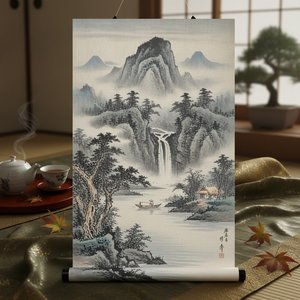
Serenity on Canvas: A Guide to the Timeless Beauty of Japanese Landscape Painting
Discover the serene beauty of Japanese landscape painting. From Hokusai's iconic woodblock prints to meditative sumi-e ink washes, explore a visual journey through the 'floating world' and learn how to bring this timeless Zen aesthetic into your modern home decor.
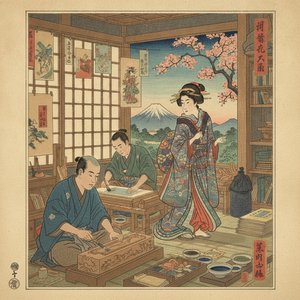
Floating World: The Captivating Art and Legacy of Japanese Ukiyo-e
Explore the profound beauty of Japanese Ukiyo-e. Discover the history, masters like Hokusai, and the enduring legacy of the 'Floating World' through an expert art-historical lens.

Timeless Elegance: Capturing the Spirit of Japanese Culture Through the Lens of Ukiyo-e Fine Art
Explore the profound beauty of Japanese Ukiyo-e art. Discover the legacy of Hokusai and the Utagawa school through an expert exploration of Edo-period aesthetics, seasonal motifs, and the enduring global influence of Japan's 'Floating World' on fine art history.
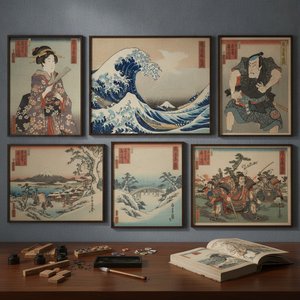
Ukiyo-e: The Art of the Floating World and the Legacy of Japanese Woodblock Masters
Explore the profound history of Ukiyo-e, from Hokusai's iconic waves to the vibrant culture of Edo Japan. Discover the intricate craft of woodblock printing and the enduring legacy of these Japanese masterpieces through our expert art history guide.

Die 25 besten Meisterwerke von Katsushika Hokusai: Zeitlose Ikonen der japanischen Kunst
Entdecken Sie die 25 besten Ukiyo-e Meisterwerke von Hokusai. Erleben Sie japanische Kunst auf OriginalUniqueArt.com.


