

 In echtem Maßstab anzeigen
 Versenden als Grußkarte
 Teilen
 Details anzeigen
 Leitfaden öffnen

 Herunterladen
 Ähnliche Objekte
 Röntgenaufnahme
 Diashow
 Besucherstatistiken
The Downtrodden


 Mehr anzeigen
Giclée / Kunstdruck
Giclée- oder Leinwanddruck in Museumsqualität mit schneller Produktion und flexiblen Veredelungsoptionen. ( Handgemalte Reproduktion kaufen Zum digitalen Bild wechseln)




P118B €10

P118H €10

P118W €10

P438Z €10

P508JH €12

P508YH €12

P805H €10

P805Z €10

P919BZ €10

P919G €10

P919XJ €10

P959ZH €10

P968JZ €12

W106C €8

W218G €10

W218JH €8

W218Y €10

W307PJ €10

W316G €10

W316PJ €8

W316Y €10

W398PJ €8

W4111J €10

W500HY €15

W500JH €15

W692G €12

W849H €8

W940BG €15

W953PJ €8




Wählen Sie aus unseren vordefinierten Formaten, die den ursprünglichen Proportionen des Kunstwerks entsprechen.

Sie können Ihre eigenen Maße eingeben, um ein bestimmtes Format oder einen speziellen Platz einzupassen. Wenn das von Ihnen gewählte Format nicht den Proportionen des Originalbildes entspricht, werden wir das Kunstwerk entweder beschneiden oder das Bild mit einem gespiegelten oder einfarbigen Rand erweitern. Ein digitaler Entwurf wird Ihnen zur Genehmigung zugesandt, bevor die Produktion beginnt.
Bitte beachten Sie, dass die Vorschau auf dem Bildschirm nicht den tatsächlichen Zuschnitt oder die Erweiterung widerspiegelt. Nur der Entwurf zeigt die endgültige Komposition präzise an.
Obwohl Sondermaße verfügbar sind, empfehlen wir die Auswahl eines Maßes aus der vordefinierten Liste, um die ursprünglichen Proportionen zu bewahren.
Weltweiter Versand () innerhalb von 2 Wochen statt der üblichen 4/5 Wochen. (13 Oktober)

Kostenloser weltweiter Expressversand

Hochwertige Leinenleinwand

Vollständiger Versicherungsschutz beim Versand

Zollgebühren-Rückerstattungsgarantie

Garantie für exakte Farbtreue

100-tägiges Rückgaberecht (nur bei Mängeln)

100% Geld-zurück-Garantie

Angebot für Mengenrabatt
 Die Glasoption ist nur für Größen unter 110 cm verfügbar.

The Downtrodden
Giclée / Kunstdruck
Format der Reproduktion
-


Gesamtpreis
€ 69
A Chronicle of Despair and Resilience
Käthe Kollwitz’s “The Downtrodden,” created in 1901, isn't merely a depiction of poverty; it’s a visceral embodiment of the crushing weight of social injustice and the quiet dignity of those enduring its relentless grip. This powerful etching, rendered in stark black and white with masterful cross-hatching, speaks volumes about the anxieties and realities of late 19th-century Germany – a nation grappling with rapid industrialization, burgeoning class divisions, and the profound suffering of its working classes.
The Scene Unfolds: A Family’s Silent Struggle
At first glance, the composition appears deceptively simple. A woman, her face etched with worry and exhaustion, cradles the lifeless head of a child in her lap. Beside her stands a man, his shoulders slumped, his hand instinctively covering his face – an act that simultaneously conveys grief, shame, and perhaps even a sense of helplessness. The setting is deliberately bleak: a dimly lit room, devoid of warmth or comfort, emphasizing the isolation and despair of their situation. The figures are not presented as victims in a melodramatic fashion; rather, they are rendered with a quiet realism that underscores the profound sadness of their circumstances.
Technique and Emotional Resonance
Kollwitz’s genius lies in her ability to translate raw emotion onto the printed page. She expertly utilizes the techniques of etching, drypoint, aquatint, and burnisher – a complex layering process that allows for incredible tonal variation and subtle shading. The deep blacks create an atmosphere of oppressive darkness, while the delicate cross-hatching defines the figures with remarkable precision, highlighting their vulnerability and emphasizing the weight of their burdens. Notice how the child’s head and shoulders stand out in stark relief against the dark background – a poignant reminder of lost innocence and shattered dreams. The artist's choice to work primarily in monochrome amplifies the emotional intensity, stripping away any potential distractions and focusing solely on the core themes of suffering and resilience.
Symbolism and Social Commentary
“The Downtrodden” is rich with symbolic meaning. The rope held by the man represents a desperate attempt to escape the crushing weight of their poverty – a silent allusion to suicide, a tragically common outcome for those trapped in cycles of deprivation. The averted gaze of the father speaks volumes about his inability to provide and his own internal struggle with grief and shame. Kollwitz herself was deeply committed to social justice, drawing inspiration from her husband’s work as a physician treating impoverished patients. This piece is not simply a portrayal of hardship; it's a direct indictment of the societal forces that perpetuate poverty and suffering – a powerful call for empathy and reform.
A Legacy of Compassion
Käthe Kollwitz’s “The Downtrodden” remains a profoundly moving work, resonating with viewers across generations. It serves as a stark reminder of the human cost of inequality and the enduring power of compassion. Reproductions of this iconic etching offer a valuable opportunity to engage with one of the 20th century's most important voices in social art – an artist who used her talent not for personal glory, but to bear witness to the struggles of the marginalized and forgotten.
Fragen & Antworten
Woraus besteht "The Downtrodden"?
Das Medium von "The Downtrodden" von Käthe Kollwitz ist Acrylic On Canvas. Die Reproduktionen zielen darauf ab, das Erscheinungsbild dieser Technik wiederzugeben.
Welcher Raum passt farblich zu "The Downtrodden" von Käthe Kollwitz?
Die Earthy-Farben von "The Downtrodden" von Käthe Kollwitz harmonieren perfekt mit dem empfohlenen Raum: einem Living Room.
Welches Gefühl vermittelt "The Downtrodden" von Käthe Kollwitz?
Die festgehaltene Stimmung von "The Downtrodden" von Käthe Kollwitz ist Dramatic, und ihr emotionaler Tonfall ist Melancholic.
Welcher Künstler und welcher Stil stehen hinter "The Downtrodden"?
Hinter "The Downtrodden" stehen Käthe Kollwitz und die Expressionism-Bewegung.
Kann ich "The Downtrodden" genauer untersuchen?
„The Downtrodden“ kann Schicht für Schicht auf der Röntgenaufnahme-Seite des Kunstwerks untersucht werden – ein Viewer, inspiriert von der Leuchttisch eines Restaurators, mit elf optischen Ebenen des Bildes.
Was ist die dominierende Farbe von "The Downtrodden" von Käthe Kollwitz?
Espresso (#403b34) ist die dominierende Farbe von "The Downtrodden" von Käthe Kollwitz.
Für welchen Raum wird "The Downtrodden" von Käthe Kollwitz empfohlen?
Eine Reproduktion von „The Downtrodden“ passt hervorragend in ein Living Room.
Gibt es Werke, die "The Downtrodden" ähneln?
Die Seite Ähnliche Werke von "The Downtrodden" von Käthe Kollwitz zeigt verwandte Kunstwerke.
Biografie des Künstlers
Frühe Jahre und Ausbildung
- Geboren: 8. Juli 1867, in Königsberg (heute Kaliningrad), Russland
- Familiärer Hintergrund: Tochter von Karl Schmidt, einem radikalen Sozialdemokraten und Freimaurer, und Katharina Rupp, aus einer unabhängigen Gemeinde. Ihr Großvater Julius Rupp beeinflusste sie mit Unterricht in Religion und Sozialismus.
- Frühe künstlerische Entwicklung: Begann im Alter von zwölf Jahren unter Anleitung ihres Vaters zu zeichnen. Studierte bei Gustav Naujok und Rudolf Mauer in Königsberg.
- Formale Ausbildung: Besuchte eine Mädchenkunstschule in Berlin, studierte dann in München (1888-89). Konzentrierte sich auf Zeichnung und Druckgrafik.
Künstlerische Karriere und Hauptwerke
- Heirat und Umzug nach Berlin: Heirate Karl Kollwitz 1891 und zog nach Berlin, wo ihr Mann als Arzt unter den Armen praktizierte.
- Frühe Themen: Stellte zunächst das Leben der Arbeiterklasse dar, beeinflusst von sozialdemokratischen Idealen.
- Der Siebenbürger-Zyklus (1894-1898): Eine Reihe von Drucken, inspiriert von Gerhart Hauptmanns Stück "Die Weber", die die Unterdrückung und den Aufstand der schlesischen Weber darstellt. Dieser Zyklus brachte ihr weitreichende Anerkennung.
- Der Bauernkrieg-Zyklus (1902-1908): Erforschte den deutschen Bauernkrieg des 16. Jahrhunderts und spiegelte Themen von Rebellion und sozialer Ungerechtigkeit wider.
- Erster Weltkrieg und persönlicher Verlust: Der Tod ihres Sohnes Hans im Ersten Weltkrieg hatte einen tiefgreifenden Einfluss auf ihre Arbeit, was zu einem Fokus auf Trauer und Klage führte.
- Bemerkenswerte Werke: "Tod mit Mädchen im Schoß", "Alter Mann mit Galgenhals", "Turm der Mütter". Diese Werke zeichnen sich durch ihre scharfen Bilder und emotionale Intensität aus.
Stil und Einflüsse
- Fokus auf Druckgrafik: Arbeitete hauptsächlich in Radierung, Lithografie, Holzschnitt und Zeichnung.
- Expressionismus: Obwohl sie ursprünglich im Realismus verwurzelt war, wird ihre Kunst eng mit dem Expressionismus aufgrund ihrer rohen Emotionen und vereinfachten Formen verbunden.
- Einflüsse: Max Klingers Druckreihe "Ein Leben" war ein bedeutender Einfluss auf ihre frühe Arbeit. Gerhart Hauptmanns Dramen inspirierten auch mehrere ihrer großen Zyklen.
- Technische Fertigkeit: Beherrschte die Techniken der Druckgrafik und verwendete Aquatinta und Schleifpapier, um dramatische Licht- und Schattenspiele zu erzeugen.
Anerkennung und Späteres Leben
- Mitgliedschaft in der Preußischen Akademie: Wurde 1919 als erste Frau in die Preußische Akademie der Künste gewählt.
- Nazi-Verfolgung: Musste sich 1933 unter der Nazi-Herrschaft von der Akademie zurückziehen, und ihre Arbeit wurde verboten.
- Spätere Skulpturen: In ihren späteren Jahren schuf sie Bronzen und Steinskulpturen und erforschte weiterhin Themen wie Trauer, Verlust und Widerstandsfähigkeit.
- Tod: Starb 1945 in der Nähe von Dresden während der letzten Tage des Zweiten Weltkriegs.
Vermächtnis und historische Bedeutung
- Stimme für die Unterdrückten: Kollwitz' Kunst wurde zu einer kraftvollen Stimme für die Arbeiterklasse, die Opfer des Krieges und diejenigen, die unter sozialer Ungerechtigkeit litten.
- Expressionistischer Pionier: Sie gilt als eine wichtige Figur des Expressionismus und beeinflusste Generationen von Künstlern mit ihren emotional aufgeladenen Bildern.
- Nachhaltige Wirkung: Ihre Arbeit berührt das Publikum bis heute aufgrund ihrer universellen Themen von Verlust, Trauer und der menschlichen Verfassung.
- Museen und Gedenkstätten: Das Käthe Kollwitz Museum in Berlin und andere Institutionen bewahren und stellen ihre Kunst aus und sorgen so dafür, dass ihr Vermächtnis weiterlebt.

Käthe Kollwitz
1867 - 1945 , Russland
Eckdaten zum Künstler
- Bemerkenswerte Werke:
- Die Weber
- Der Bauernkrieg
- Tod und Mädchen
- Alter Mann mit Schlinge
- Mutter mit totem Kind
- Einflüsse: ['Max Klinger']
- Geburtsdatum: 8. Juli 1867
- Geburtsort: Königsberg, Russland
- Kunstbewegung: Expressionismus
- Nationalität: Deutsch
- Sterbedatum: 22. April 1945
- Vollständiger Name: Käthe Kollwitz
Verwandte Artikel
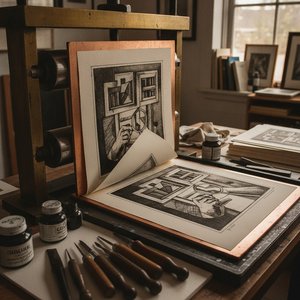
Etching Unlocked: The Sharp, High-Impact Art of Line and Shadow for the Modern Collector
Master the high-impact world of etching. Explore the transformative power of line and shadow through the intaglio tradition, from its armor-making origins to modern collecting strategies for the sophisticated art enthusiast.

Etching: A Historical Survey of Technique, Aesthetic Qualities & Enduring Artistic Significance
Explore the rich history of etching, from its origins to Rembrandt's masterful innovations. Discover the technique, aesthetic qualities & enduring legacy of this captivating art form. Expert insights for collectors and enthusiasts.
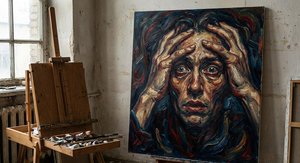
Figurative Expressionism: Emotional Intensity & Subjective Reality in 20th-Century Art
Explore the powerful world of Figurative Expressionism with OriginalUniqueArt. Discover key artists like Kirchner & Beckmann, understand its emotional depth, and learn how to collect this influential 20th-century art movement.

The Intricate World of Etching: A Historical Survey of Technique, Aesthetic Evolution, and Enduring Artistic Impact
Explore the rich history of etching, from its origins to modern practice. Discover techniques, key artists like Rembrandt, and insights for collectors. A comprehensive guide by OriginalUniqueArt.
Die 10 legendärsten Radierungen: Meisterwerke, die Kunstgeschichte schrieben | OriginalUniqueArt
Entdecken Sie die 10 legendärsten Radierungen von Rembrandt, Dürer & Goya! Erfahren Sie die Geschichten hinter diesen Meisterwerken der Kunstgeschichte und lassen Sie sich für Ihre Wohnräume inspirieren. Hochwertige Kunstdrucke auf OriginalUniqueArt.com.