
 Vorschau anzeigen
 Versenden
 Teilen
 Details anzeigen

 Herunterladen
 Ähnliche Objekte
 Röntgenaufnahme
 Diashow
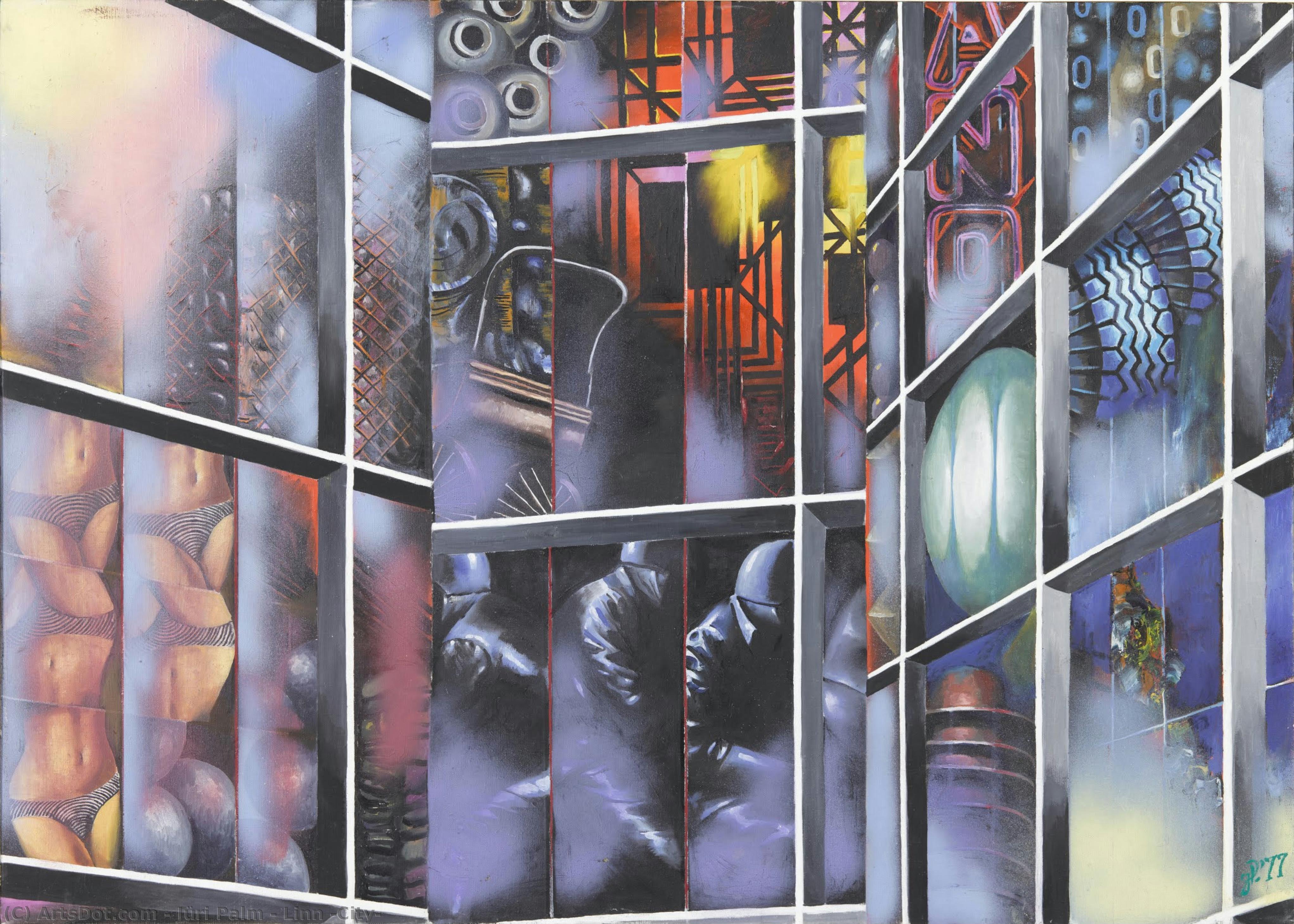
Linn (City)
 Oil On Canvas
- WallArt
- Contemporary Realism
 1977
1977- Modern
 125.0 x 175.0 cm
 Kunstmuseum Estland
 Weiterlesen
Handgefertigte Ölreproduktion
Handgemaltes Ölgemälde auf Leinwand in Ihrer Wunschgröße und mit Rahmen, auf Bestellung von unseren Künstlern angefertigt. ( Zum Druck wechseln Zum Bild wechseln)




P118B $10

P118H $10

P118W $10

P438Z $10

P508JH $12

P508YH $12

P805H $10

P805Z $10

P919BZ $10

P919G $10

P919XJ $10

P959ZH $10

P968JZ $12

W106C $8

W218G $10

W218JH $8

W218Y $10

W307PJ $10

W316G $10

W316PJ $8

W316Y $10

W398PJ $8

W4111J $10

W500HY $15

W500JH $15

W692G $12

W849H $8

W940BG $15

W953PJ $8




Wählen Sie aus unseren vordefinierten Formaten, die den ursprünglichen Proportionen des Kunstwerks entsprechen.

Sie können Ihre eigenen Maße eingeben, um einen bestimmten Rahmen oder Platz auszufüllen. Wenn die gewählte Größe nicht den Proportionen des Originalbildes entspricht, werden wir das Kunstwerk entweder beschneiden oder das Gemälde durch zusätzliche, handgemalte Elemente erweitern. Ein digitales Mockup wird Ihnen zur Genehmigung zugesandt, bevor die Produktion beginnt.
Bitte beachten Sie, dass die Bildschirmvorschau nicht die tatsächliche Beschneidung oder Erweiterung widerspiegelt. Nur das Mockup zeigt die endgültige Komposition exakt an.
Obwohl Sondermaße verfügbar sind, empfehlen wir, eine Größe aus der vordefinierten Liste zu wählen, um die ursprünglichen Proportionen beizubehalten.
Nach der Bestellung wird das OriginalUniqueArt.com-Team dem Kunden Anweisungen per E-Mail zusenden und eine Mockup-Vorschau bereitstellen.
Weltweiter Versand () in nur 3 bis 4 Wochen statt der üblichen 5 Wochen. (10 August). Keine Kompromisse bei der Qualität.

Kostenloser weltweiter Expressversand

Hochwertige Leinenleinwand

Umfassender Versicherungsschutz beim Versand

Zollgebühren-Rückerstattungsgarantie

Garantie für exakte Farbtreue

60 Tage Rückgaberecht (nur bei Mängeln)

100% Geld-zurück-Garantie

Mengenrabatt verfügbar
 Die Glasoption ist nur für Größen unter 110 cm verfügbar.

Linn (City)
Art der Reproduktion
Format der Reproduktion
-


Gesamtpreis
$ 300
Beschreibung des Kunstwerks
The Nocturnal Tapestry of Jüri Palm
In the quiet, shadowed corridors of Estonian modernism, few artists captured the pulse of the urban night as intimately as Jüri Palm. His 1977 masterpiece, Linn (City), serves as a profound window into the soul of Tallinn, acting not merely as a depiction of architecture, but as a psychological map of urban existence. Measuring an imposing 125 x 175 cm, this large-scale work invites the viewer to lose themselves in a labyrinth of light and shadow. The painting functions through a mesmerizing series of at least thirteen distinct window panes, each acting as a miniature stage where life unfolds in silent, nocturnal vignettes. Through these apertures, we glimpse fragments of humanity—people, animals, and enigmatic objects—all suspended in the amber glow of an urban twilight.
The technique employed by Palm is nothing short of cinematic. He utilizes a complex, multi-layered approach that blends elements of realism with a deeply symbolic, almost surrealist sensibility. Each window is meticulously rendered, creating a mosaic effect that demands slow, contemplative observation. As the eye wanders across the canvas, the boundaries between the interior and exterior worlds begin to blur. The artist masterfully manipende the interplay of light, using it to draw focus to specific, poignant details while allowing others to recede into the velvety darkness of the Estonian night. This rhythmic movement of light and shadow creates a sense of depth that makes the canvas feel less like a flat surface and more like a living, breathing entity.
To understand Linn (City), one must look toward the cultural landscape of the 1970s Estonian SSR. This era was defined by an explosion of urban literature and a fascination with the "nocturnal city" as a site of both alienation and profound connection. Palm’s work exists in a beautiful, symbiotic relationship with the literary movements of his time, particularly the urban novels that explored the complexities of modern life. His frequent collaborations with the writer Mati Unt further enriched this thematic depth, infusing his canvases with a narrative weight that mirrors the introspective prose of the era. The painting is a visual companion to the literature of its time, capturing the same sense of mystery and existential inquiry found in the works of the great Estonian intellectuals.
For the discerning collector or interior designer, this reproduction offers more than just aesthetic beauty; it provides a focal point of immense intellectual and emotional gravity. The artwork’s intricate composition makes it an ideal centerpiece for spaces that value storytelling and depth. Whether placed in a contemporary gallery setting or a sophisticated residential study, Linn (City) brings with it an atmosphere of quiet contemplation and historical resonance. It is a piece that rewards the viewer with every glance, offering new secrets within its many windows, and serves as a timeless tribute to the enduring magic of the city after dark.
Über den Künstler
Jüri Palm: Capturing the Soul of Tallinn’s Night
Jüri Palm (1937-2002) occupies a prominent place in Estonian art history, primarily celebrated for his profound depictions of Tallinn's nocturnal cityscape—images that transcend mere representation to embody a deeply felt connection with the spirit of Estonia itself. Born during a period of considerable artistic ferment – fueled by burgeoning urban literature and crucially shaped by collaborative ventures with writer Mati Unt – Palm’s oeuvre distinguishes itself through an arresting fusion of realism and symbolic resonance, securing his position as one of Estonia's most revered modern artists.Early Life and Artistic Influences
Palm’s formative years unfolded amidst the intellectual currents sweeping across Estonia in the 1960s. The urban narratives emerging at this time exerted a decisive impact on his artistic sensibility, nurturing an unwavering fascination with capturing not just the visual contours of city life but also its intangible essence—particularly its nocturnal luminescence and mood. This preoccupation served as a recurring motif throughout his career, mirroring the stylistic explorations undertaken by Estonian writers like Mati Unt who similarly interrogated themes of identity and societal transformation – a shared commitment to confronting complex questions about human experience. The influence of Unt’s literary works undeniably shaped Palm's artistic vision, fostering a sensitivity to narrative and symbolism that would permeate his paintings.Notable Works: Tallinn Through Palm’s Lens
Palm’s artistic output is characterized by an uncompromising dedication to portraying Tallinn’s urban landscape with breathtaking precision and emotional depth. “Lõunatund” (Lunchtime), for instance, exemplifies his meticulous technique—a masterful orchestration of color palettes and compositional arrangements designed to convey atmosphere with remarkable subtlety. Similarly compelling is "Meie elufragment" ("Our Life Fragment"), where Palm skillfully employs vibrant hues and layered textures to distill the multifaceted experience of urban existence into a single unforgettable image – a painting that resides prominently within Estonia’s Art Museum's collection, embodying Palm’s artistic legacy. Furthermore, “Nekroloog kodanik N. surma puhul” confronts existential themes through art, delving into mortality and remembrance against the backdrop of Tallinn’s architectural grandeur—a poignant reflection on human vulnerability and the passage of time.Technique and Artistic Style
Palm's distinctive artistic style is marked by a commitment to photorealism tempered with symbolic elements that elevate his paintings beyond mere visual representation. He meticulously studied light and shadow, striving to capture the nuances of Tallinn’s nighttime illumination—a feat achieved through painstaking brushwork and an astute understanding of color theory. This dedication to detail underscores Palm's belief in art as a vehicle for conveying profound emotional truths – mirroring the stylistic ethos of Estonian Impressionism and reflecting his artistic heritage.Legacy and Recognition
Jüri Palm’s contribution to Estonian art is formally recognized by Estonia’s Art Museum, where numerous canvases depicting Tallinn’s nocturnal vistas are housed—a testament to his enduring influence on Estonia's cultural landscape. His paintings serve as evocative portals into a specific historical moment, mirroring the anxieties and aspirations of a generation grappling with rapid societal change. Beyond their aesthetic beauty, Palm’s works resonate with deeper philosophical considerations – prompting viewers to contemplate themes of memory, loss, and the human condition. Jüri Palm remains an artist whose vision continues to inspire contemporary artists and enthusiasts alike, ensuring that Tallinn's soul—captured in luminous paint strokes—continues to captivate audiences for generations to come.
Jüri Palm
1937 - 2002 , Estland
Kurzinfos
- Artistic Movement Or Style: Urban Painting
- Artists Or Movements Influenced By This Artist: ['Urban Literature']
- Artists Who Influenced This Artist: ['Mati Unt']
- Date Of Birth: 1937
- Date Of Death: 2002
- Full Name: jüri palm
- Nationality: Estonian
- Notable Artworks:
- Lõunatund
- Meie elufragment
- Nekroloog kodanik N. surma puhul
- Place Of Birth: Estonia
Ähnliche Artikel
Concrete Narratives: Exploring Urban Life in Modern & Contemporary Art
Explore the evolution of cityscape painting with OriginalUniqueArt. Discover key artists from Realism to contemporary movements & invest in timeless urban visions. Expert guidance, museum-quality reproductions.

Concrete Visions: Exploring the Urban Landscape in Painting – From Realism to Contemporary Art
Explore the evolution of cityscape painting from Realism to contemporary art with OriginalUniqueArt. Discover key artists & invest in timeless urban visions. Expert guidance, museum-quality reproductions.
Urban Visions: A Historical & Artistic Exploration of the Cityscape in Painting
Explore the evolution of cityscape painting from historical maps to Impressionist masterpieces. Discover artists like Caillebotte & Utrillo. Find museum-quality reproductions at OriginalUniqueArt.
Concrete Visions: Exploring Representations of Urban Life in Modern & Contemporary Art
Explore the evolution of cityscape painting from Realism to contemporary art. Discover key artists & invest in timeless urban visions with OriginalUniqueArt's expert guidance and museum-quality reproductions.
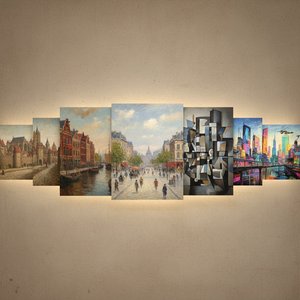
Urban Visions: A Historical & Artistic Exploration of the Cityscape in Painting
Explore the evolution of cityscape painting from historical maps to Impressionist masterpieces. Discover artists like Caillebotte, Utrillo & Matsumoto Shunsuke. Find museum-quality reproductions at OriginalUniqueArt.

