

 Vorschau anzeigen
 Versenden
 Teilen
 Details anzeigen

 Herunterladen
 Ähnliche Objekte
 Röntgenaufnahme
 Diashow
Moving section of giant sequoia,


 Weiterlesen
Giclée / Kunstdruck
Giclée- oder Leinwanddruck in Museumsqualität mit schneller Produktion und flexiblen Veredelungsoptionen. ( Handgemalte Reproduktion bestellen Bild kaufen)




































Wählen Sie aus unseren vordefinierten Formaten, die den ursprünglichen Proportionen des Kunstwerks entsprechen.

Sie können Ihre eigenen Maße eingeben, um ein bestimmtes Format oder einen speziellen Platz einzupassen. Wenn das von Ihnen gewählte Format nicht den Proportionen des Originalbildes entspricht, werden wir das Kunstwerk entweder beschneiden oder das Bild mit einem gespiegelten oder einfarbigen Rand erweitern. Ein digitaler Entwurf wird Ihnen zur Genehmigung zugesandt, bevor die Produktion beginnt.
Bitte beachten Sie, dass die Vorschau auf dem Bildschirm nicht den tatsächlichen Zuschnitt oder die Erweiterung widerspiegelt. Nur der Entwurf zeigt die endgültige Komposition präzise an.
Obwohl Sondermaße verfügbar sind, empfehlen wir die Auswahl eines Maßes aus der vordefinierten Liste, um die ursprünglichen Proportionen zu bewahren.
Weltweiter Versand () innerhalb von 2 Wochen statt der üblichen 4/5 Wochen. (22 August)

Kostenloser weltweiter Expressversand

Hochwertige Leinenleinwand

Umfassender Versicherungsschutz beim Versand

Zollgebühren-Rückerstattungsgarantie

Garantie für exakte Farbtreue

60 Tage Rückgaberecht (nur bei Mängeln)

100% Geld-zurück-Garantie

Mengenrabatt verfügbar
 Die Glasoption ist nur für Größen unter 110 cm verfügbar.

Moving section of giant sequoia,
Giclée / Kunstdruck
Format der Reproduktion
-


Gesamtpreis
$ 80
Über den Künstler
Julius Mordecai Kirschner: Pioneer of Atmospheric Light and Model Construction
Julius Mordecai Kirschner (1876 – 1953) stands as a singular figure in American art history, recognized primarily for his groundbreaking approach to model construction—specifically, meticulously crafted representations of natural phenomena like giant sequoias and manta rays. While overshadowed by the Impressionist movement’s more celebrated luminaries, Kirschner's dedication to scientific observation combined with artistic sensitivity yielded works that continue to fascinate scholars and collectors alike.
Born in Brooklyn, New York, Kirschner pursued a formal education at Pratt Institute, honing his skills in architectural drafting before embarking on a career as an illustrator. However, it was his fascination with the natural world—fueled by expeditions to Yosemite National Park—that irrevocably shaped his artistic vision. Unlike many of his contemporaries who sought solely to capture fleeting impressions of light and color, Kirschner meticulously documented subjects through detailed drawings and, crucially, painstakingly constructed models that aimed to recreate their essence.
- Early Influences: Kirschner’s formative years were marked by exposure to the works of Gustave Dore and Alexandre Cabanel, artists whose dramatic compositions instilled in him a profound appreciation for narrative storytelling and sculptural form.
- Yosemite Expeditions (1908-1917): These expeditions proved pivotal in establishing Kirschner’s distinctive technique. He painstakingly recreated the colossal sequoias of Yosemite using plaster, burlap, and pigment—a process that demanded immense patience and precision. The resulting models weren't merely reproductions; they were attempts to convey the grandeur and complexity of these ancient trees.
- Devil Fish Manta Model Construction: Kirschner’s most ambitious project involved recreating a manta ray specimen brought back from Hawaii. This undertaking showcased his mastery of model construction, demonstrating an unparalleled understanding of anatomy and texture. The meticulous detail captured in this model—particularly the movement of the pectoral fins—became emblematic of Kirschner's artistic philosophy.
Kirschner’s work transcended mere technical accomplishment; it embodied a humanist impulse to engage with the natural world on an intellectual and emotional level. He believed that art could illuminate scientific truths while simultaneously inspiring awe and wonder. His models served as invaluable tools for disseminating knowledge about botany and zoology, contributing significantly to the burgeoning field of paleontology.
Despite facing challenges during the Great Depression, Kirschner continued his artistic pursuits until his death in 1953. Today, his monumental model constructions—particularly ‘Devil Fish Manta’ and ‘Giant Sequoia’—remain treasured artifacts of American art history, representing a unique synthesis of scientific observation and artistic expression.

julius kirschner
United States of America
Kurzinfos
- Artistic Movement Or Style: Early American Impressionism
- Date Of Death: Living
- Full Name: Julius Mordecai Kirschner
- Nationality: American
- Notable Artworks:
- Devil Fish Manta
- Giant Sequoia
- Place Of Birth: United States
Ähnliche Artikel

Monochrome Visions: Exploring the Aesthetic & Historical Significance of Black & White Photography
Explore the rich history & artistic power of black and white photography. From early techniques to iconic masters like Ansel Adams, discover why monochrome continues to captivate art lovers today. Expert insights for collectors.

Beyond the Lens: Photography's Enduring Influence on Modern & Contemporary Art
Explore photography's pivotal role in shaping modern & contemporary art. Discover key movements, influential artists like Stieglitz, and expert collecting advice from OriginalUniqueArt.
Timeless Shadows: The Artistry, History, and Emotional Resonance of Black and White Photography
Explore the profound artistry of black and white photography. From historical mastery to the interplay of light and shadow, discover how monochrome captures timeless emotion and form through a sophisticated lens of art history.

Die Top 10 berühmter Gemälde im Reich der dunklen Töne |
Entdecken Sie die Top 10 berühmter Gemälde, beherrscht von dunklen Tönen! Von Caravaggio bis Manet – erfahren Sie die Geschichten hinter Meisterwerken der Kunstgeschichte. Finden Sie Ihre perfekte Reproduktion auf .
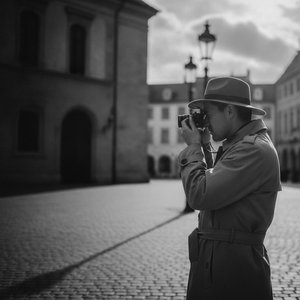
Beyond Color: The Timeless Power and Artistry of Black and White Photography
Explore the profound artistry of black and white photography. From the chemistry of gelatin silver to the chiaroscuro of the Old Masters, discover how monochrome captures the eternal essence of light, form, and emotion for the discerning art collector.

