 Vorschau anzeigen
 Versenden
 Teilen
 Details anzeigen

 Herunterladen
 Ähnliche Objekte
 Röntgenaufnahme
 Diashow
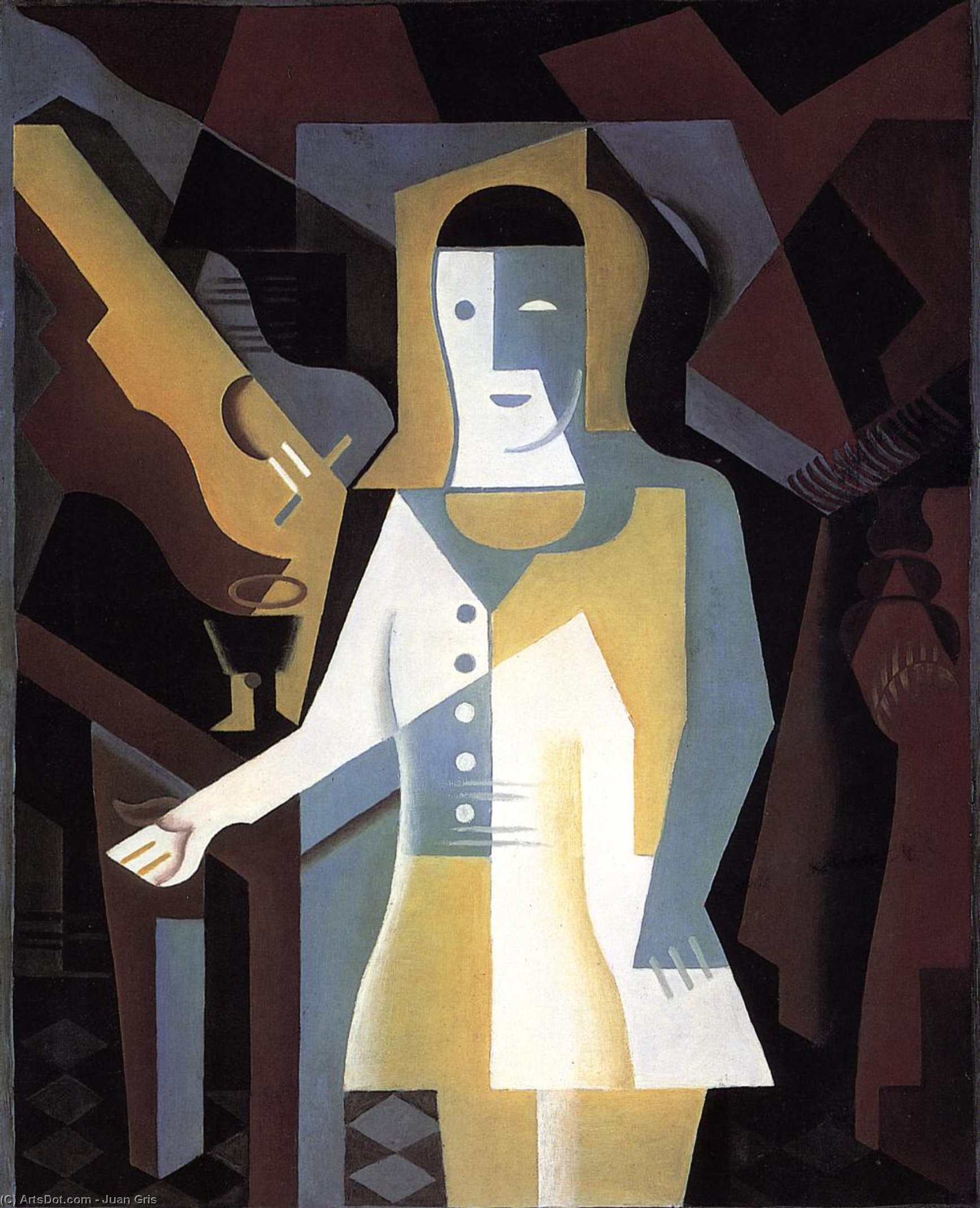
Pierrot
 Oil On Canvas
- WallArt
- Cubism
 1919
1919- Modern
 101.0 x 82.0 cm
 Weiterlesen
Giclée / Kunstdruck
Giclée- oder Leinwanddruck in Museumsqualität mit schneller Produktion und flexiblen Veredelungsoptionen. ( Handgemalte Reproduktion bestellen Bild kaufen)




P118B $10

P118H $10

P118W $10

P438Z $10

P508JH $12

P508YH $12

P805H $10

P805Z $10

P919BZ $10

P919G $10

P919XJ $10

P959ZH $10

P968JZ $12

W106C $8

W218G $10

W218JH $8

W218Y $10

W307PJ $10

W316G $10

W316PJ $8

W316Y $10

W398PJ $8

W4111J $10

W500HY $15

W500JH $15

W692G $12

W849H $8

W940BG $15

W953PJ $8




Wählen Sie aus unseren vordefinierten Formaten, die den ursprünglichen Proportionen des Kunstwerks entsprechen.

Sie können Ihre eigenen Maße eingeben, um ein bestimmtes Format oder einen speziellen Platz einzupassen. Wenn das von Ihnen gewählte Format nicht den Proportionen des Originalbildes entspricht, werden wir das Kunstwerk entweder beschneiden oder das Bild mit einem gespiegelten oder einfarbigen Rand erweitern. Ein digitaler Entwurf wird Ihnen zur Genehmigung zugesandt, bevor die Produktion beginnt.
Bitte beachten Sie, dass die Vorschau auf dem Bildschirm nicht den tatsächlichen Zuschnitt oder die Erweiterung widerspiegelt. Nur der Entwurf zeigt die endgültige Komposition präzise an.
Obwohl Sondermaße verfügbar sind, empfehlen wir die Auswahl eines Maßes aus der vordefinierten Liste, um die ursprünglichen Proportionen zu bewahren.
Weltweiter Versand () innerhalb von 2 Wochen statt der üblichen 4/5 Wochen. (18 August)

Kostenloser weltweiter Expressversand

Hochwertige Leinenleinwand

Umfassender Versicherungsschutz beim Versand

Zollgebühren-Rückerstattungsgarantie

Garantie für exakte Farbtreue

60 Tage Rückgaberecht (nur bei Mängeln)

100% Geld-zurück-Garantie

Mengenrabatt verfügbar
 Die Glasoption ist nur für Größen unter 110 cm verfügbar.

Pierrot
Giclée / Kunstdruck
Format der Reproduktion
-


Gesamtpreis
$ 80
Sammlerstück-Beschreibung
A Fragmented Portrait of Modernity: Juan Gris's "Pierrot"
Juan Gris’s “Pierrot,” painted in 1919, is more than just a depiction of a theatrical character; it’s a meticulously constructed embodiment of Cubism’s revolutionary spirit. This oil on canvas, measuring 101 x 82 cm and currently residing within the Kunstmuseum Winterthur, offers a profound glimpse into the artistic ferment of early 20th-century Europe – a period defined by intellectual upheaval and a radical reimagining of visual reality.
- The Cubist Vision: Created during the height of Cubism’s influence, “Pierrot” exemplifies Picasso and Braque's groundbreaking approach. Rather than striving for realistic representation, Gris dissects his subject – a man in white, holding a handkerchief – into geometric forms, presenting multiple perspectives simultaneously. This technique challenges the viewer to actively participate in constructing the image, moving beyond passive observation.
- A Room of Reflections: The composition itself is layered with meaning. The figures stand within a room, subtly suggesting a domestic setting—a dining table and chairs hint at everyday life, yet they are rendered as fragmented planes, echoing the fractured nature of perception central to Cubism. An instrument, likely a guitar or violin, adds another layer of complexity, perhaps representing music, memory, or the artist’s own creative process.
- Technical Mastery: Gris's masterful use of color and texture further enhances the painting’s impact. The muted tones – primarily whites, blacks, and browns – create a sense of stillness and contemplation, while subtle variations in brushstroke add depth and visual interest. The meticulous application of paint demonstrates a profound understanding of both form and space.
The Historical Context: Cubism's Radical Shift
“Pierrot” was created at a pivotal moment in art history. Pablo Picasso and Georges Braque, working independently yet collaboratively, pioneered Cubism in the early 1910s. This movement rejected traditional representational techniques, challenging the established norms of Western art. Influenced by Paul Cézanne’s emphasis on geometric forms and African sculpture's simplified shapes, Cubists sought to depict objects from multiple viewpoints at once, creating a sense of dynamism and simultaneity. “Pierrot” directly reflects this revolutionary approach, embodying the core tenets of Cubism while showcasing Gris’s unique artistic vision.
The painting’s creation coincided with a period of intense social and political change – World War I was looming, and Europe was grappling with rapid industrialization and urbanization. This atmosphere of uncertainty and disruption undoubtedly fueled the artists' desire to break free from traditional modes of representation and explore new ways of seeing the world.
Symbolism and Emotional Resonance
While “Pierrot” is a formally complex work, it also possesses a subtle emotional resonance. The figure’s posture – slightly melancholic, holding a handkerchief – evokes feelings of vulnerability and introspection. The fragmented composition mirrors the sense of disorientation and uncertainty that characterized the era. The presence of the musical instrument adds another layer of interpretation, suggesting themes of memory, nostalgia, or perhaps even the fleeting nature of beauty.
Gris’s choice to depict Pierrot, a traditional clown figure, is particularly intriguing. The character's inherent duality – simultaneously joyful and sorrowful – aligns perfectly with Cubism’s exploration of multiple perspectives and its ability to convey complex emotions through fragmented forms.
Owning a Piece of Art History
OriginalUniqueArt offers meticulously crafted hand-painted reproductions of Juan Gris’s “Pierrot,” allowing you to bring this iconic work into your home or office. Each reproduction is created by skilled artisans using the same techniques and materials as the original, ensuring exceptional quality and authenticity. More than just a decoration, it's an investment in art history – a tangible connection to one of the most influential movements in modern art.
Size: 101 x 82 cm
Date: 1919
Über den Künstler
Juan Gris: Ein Pionier des Kubismus
- Geboren: 23. März 1887, Madrid, Spanien
- Gestorben: 11. Mai 1927
Frühes Leben und künstlerische Entwicklung
José Victoriano González-Pérez, besser bekannt als Juan Gris, wurde in Madrid, Spanien, geboren. Sein frühes Leben umfasste ein Studium der Ingenieurwissenschaften an der School of Arts and Sciences von 1902 bis 1904. Während dieser Zeit trug er Zeichnungen zu lokalen Periodika bei und demonstrierte so eine frühe Begabung für die visuelle Darstellung. Von 1904 bis 1905 studierte Gris Malerei bei José Moreno Carbonero und entwickelte seine künstlerischen Fähigkeiten weiter. Im Jahr 1905 nahm er den Pseudonym Juan Gris an, einen Namen, der mit seinem unverwechselbaren Stil in Verbindung gebracht werden sollte.
Pariser Einflüsse und die Entstehung des Kubismus
Ein entscheidender Moment in Gris’ Karriere kam im Jahr 1906, als er nach Paris zog. Diese Umsiedlung führte ihn in eine lebendige Kunstgemeinschaft, wo er Freundschaften mit einflussreichen Persönlichkeiten wie Henri Matisse, Georges Braque und Fernand Léger schloss. Er wurde tiefgreifend von Pablo Picasso beeinflusst und reichte zunächst humorvolle Illustrationen an Zeitschriften wie *L'Assiette au Beurre*, *Le Rire*, *Le Charivari* und *Le Cri de Paris* ein. Um 1910 begann Gris ernsthaft zu malen und widmete sich der Entwicklung eines persönlichen kubistischen Stils. Er löste sich von der satirischen Illustration hin zu abstrakteren Kompositionen.
Wichtige Werke und künstlerischer Stil
Juan Gris’ künstlerisches Schaffen ist durch mehrere Schlüsselfeatures gekennzeichnet:
- Klarheit und Ordnung: Seine Arbeit betonte Klarheit und Ordnung, was den Puristenstil beeinflusste, der von Amédée Ozenfant und Charles Edouard Jeanneret (Le Corbusier) vertreten wurde.
- Geometrische Struktur: Gris’ „Kristallperiode“, wie sie in Werken wie *Stillleben vor einem offenen Fenster* und *Place Ravignan* (1915) gezeigt wird, präsentierte eine starke geometrische Struktur.
- Synthetischer Kubismus: Nach 1913 nahm Gris den synthetischen Kubismus an und verwendete Techniken wie Papier collé oder Collage ausgiebig. Dies beinhaltete die Einbeziehung von Materialien aus der realen Welt in seine Gemälde, wodurch Textur und Tiefe hinzugefügt wurden.
Bemerkenswerte Werke sind:
- Gitarre vor dem Meer (1925): Demonstriert seine Einfachheit und sein Festhalten an kubistischen Prinzipien.
- Hommage à Pablo Picasso (1912): Seine erste Ausstellung im Salon des Indépendants, ein Beweis für seine wachsende Anerkennung in der Kunstwelt.
Vermächtnis und historische Bedeutung
Juan Gris’ Beitrag zum Kubismus ist von großer Bedeutung. Er ging über die frühere analytische Phase der Bewegung hinaus zu einem strukturierteren und synthetischeren Ansatz. Sein Fokus auf Klarheit, geometrische Formen und die Einbeziehung alltäglicher Objekte in seine Kompositionen etablierten ihn als eine führende Figur in der Kunst des 20. Jahrhunderts. Seine Arbeit wird weiterhin für ihre intellektuelle Strenge und ästhetische Schönheit gefeiert und beeinflusst nachfolgende Generationen von Künstlern.

Juan Gris
1887 - 1927 , Spanien
Kurzinfos
- Beeinflusste Künstler/Bewegungen:
- Amédée Ozenfant
- Charles Edouard Jeanneret
- Bemerkenswerte Werke:
- Gitarre vor dem Meer
- Hommage à Pablo Picasso
- Stillleben vor Fenster
- Place Ravignan
- Fruchtkorb mit Zeitung
- Geburtsdatum: 23. März 1887
- Geburtsort: Madrid, Spanien
- Künstlerische Bewegung: Kubismus, Synthetischer Kubismus
- Künstlerische Einflüsse:
- Pablo Picasso
- Georges Braque
- Henri Matisse
- Nationalität: Spanisch
- Sterbedatum: 11. Mai 1927
- Vollständiger Name: Juan Gris
Ähnliche Artikel
Juan Gris: Dekonstruktion und Synthese im Kubismus – Eine umfassende Erkundung
Entdecken Sie die faszinierende Welt von Juan Gris und dem Kubismus! Unsere umfassende Analyse beleuchtet seine künstlerische Entwicklung, Techniken und seinen bleibenden Einfluss auf die moderne Kunst. Für Kenner und Sammler.
Deconstructing Identity: A Comprehensive Exploration of Cubist Portraiture
Explore the revolutionary world of Cubist portraiture with our comprehensive guide. Discover Picasso, Braque, Gris & the movement's impact on modern art. Expert analysis for collectors and enthusiasts.
Die 10 Meisterwerke des Kubismus: Kunstgeschichte für Ihr Zuhause |
Entdecken Sie die 10 prägendsten Meisterwerke des Kubismus! Von Picasso bis Braque – erfahren Sie die Geschichten hinter ikonischen Gemälde und lassen Sie sich von moderner Kunst inspirieren. Kunstreproduktionen in Museumsqualiät auf .
Giclée Prints: Archival Quality & Aesthetic Nuances for the Discerning Collector
Explore the world of giclée prints with OriginalUniqueArt. Learn about archival quality, aesthetic nuances & investment potential. Expert guidance for discerning art collectors seeking museum-quality reproductions and lasting value.
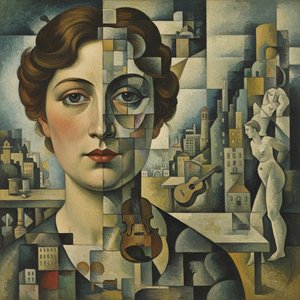
Deconstructing Reality: Cubism's Revolutionary Impact on 20th-Century Art
Explore the revolutionary world of Cubism with OriginalUniqueArt. Discover Picasso & Braque's groundbreaking techniques, its philosophical roots, and lasting impact on modern art. Expert insights for collectors.