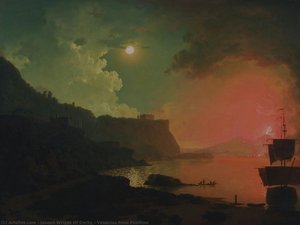
Vorschau anzeigen
 Versenden
 Teilen
 Details anzeigen
 Leitfaden

 Herunterladen
 Ähnliche Objekte
 Röntgenaufnahme
 Diashow
 Q&A
Q&A Statistiken
Indian Widow

- 102.0 x 127.0 cm


 Weiterlesen
Giclée / Kunstdruck
Giclée- oder Leinwanddruck in Museumsqualität mit schneller Produktion und flexiblen Veredelungsoptionen. ( Handgemalte Reproduktion bestellen Zum digitalen Bild wechseln)




P118B €10

P118H €10

P118W €10

P438Z €10

P508JH €12

P508YH €12

P805H €10

P805Z €10

P919BZ €10

P919G €10

P919XJ €10

P959ZH €10

P968JZ €12

W106C €8

W218G €10

W218JH €8

W218Y €10

W307PJ €10

W316G €10

W316PJ €8

W316Y €10

W398PJ €8

W4111J €10

W500HY €15

W500JH €15

W692G €12

W849H €8

W940BG €15

W953PJ €8




Wählen Sie aus unseren vordefinierten Formaten, die den ursprünglichen Proportionen des Kunstwerks entsprechen.

Geben Sie die benötigte Breite und Höhe an, damit der Druck perfekt in Ihren Rahmen oder an Ihre Wand passt. Ein Druck kann nur beschnitten, aber niemals größer als das Originalbild angefertigt werden; daher verliert ein Format mit anderen Proportionen einen Teil des Bildes. Wir senden Ihnen ein digitales Mockup zur Freigabe, bevor wir den Druck ausführen. Das auf dieser Seite gezeigte Bild zeigt nicht den tatsächlichen Beschnitt – dies ist nur im Mockup ersichtlich.
Weltweiter Versand () innerhalb von 2 Wochen statt der üblichen 4/5 Wochen. (2 November)

Kostenloser weltweiter Expressversand

Hochwertige Leinenleinwand

Umfassender Versicherungsschutz beim Versand

Zollgebühren-Rückerstattungsgarantie

Garantie für exakte Farbtreue

100 Tage Rückgaberecht (nur bei Mängeln)

100% Geld-zurück-Garantie

Mengenrabatt verfügbar
 Die Glasoption ist nur für Größen unter 110 cm verfügbar.

Indian Widow
Giclée / Kunstdruck
Format der Reproduktion
-


Endpreis
€ 71
A Moment of Quiet Contemplation
In the profound stillness of Joseph Wright of Derby’s Indian Widow, we encounter a scene that transcends mere portraiture to become a meditation on solitude and the passage of time. The painting presents a Native American woman seated upon the earth, her hands clasped delicately in front of her chest in a gesture that speaks of both reverence and profound introspection. As she gazes upward toward an unseen point beyond the frame, the viewer is drawn into her silent dialogue with the heavens. This is not merely a depiction of a person, but a capture of a soul caught in a moment of deep, spiritual reflection. The presence of two birds—one drifting near the upper periphery and another nestled within the mid-ground—adds a layer of natural grace to the composition, suggesting a world that continues its rhythmic dance even amidst her personal grief or contemplation.
The setting, an expansive outdoor landscape under a sky graced by soft clouds, provides a sense of boundless freedom that contrasts poignantley with the woman's heavy emotional state. Through Wright’s masterful use of light and atmosphere, the environment feels alive yet hushed. The subtle interplay between the natural elements—the sturdy presence of a tree and the shifting textures of the sky—creates a stage where the human experience is elevated to something elemental. For the collector or interior designer, this piece offers a profound focal point that invites the eye to linger, encouraging a sense of peace and thoughtful pause within any curated space.
The Mastery of Light and Shadow
Joseph Wright of Derby, often celebrated as the visual philosopher of the Industrial Age, brings his signature command of chiaroscuro to this intimate subject. While he is famously known for illuminating the dramatic glow of scientific discovery and candlelight, in Indian Widow, he applies a more nuanced, naturalistic light that softens the edges of reality. The technique allows the textures of her traditional attire and the intricate details of her headdress to emerge from the shadows with a tactile, lifelike quality. His ability to manipulate light does not just define form; it dictates the emotional temperature of the work, casting a gentle, melancholic glow over the entire scene.
The brushwork is deliberate and masterful, blending the ruggedness of the natural landscape with the delicate features of the subject. This balance of textures—the softness of skin against the coarse fabric of traditional clothing and the ethereal quality of the clouds—demonstrates a technical prowess that makes a high-quality reproduction truly breathtaking. To possess a piece inspired by Wright’s technique is to bring a sense of historical weight and artistic sophistication into a home, offering an aesthetic that is both intellectually stimulating and visually soothing.
A Legacy of Emotional Depth
Beyond the technical brilliance lies the historical and symbolic resonance of the work. Created in 1785, a period of immense transition in the Western world, the painting stands as a testament to the enduring power of the human spirit amidst change. The subject, an "Indian Widow," carries with her a narrative of loss and resilience. Her seated position on the ground symbolizes a deep connection to the ancestral land, while her upward gaze suggests a hope or a searching that transcends her earthly circumstances. This duality of being grounded yet reaching for the infinite is what gives the painting its timeless, universal appeal.
For those seeking to decorate with purpose, Indian Widow serves as more than an ornament; it is an emotional anchor. It possesses the rare ability to transform a room into a sanctuary of thought. Whether placed in a sunlit library or a quiet study, the painting’s themes of introspection and natural harmony resonate deeply with the modern desire for mindfulness and connection to the past. It remains a captivating masterpiece that continues to inspire awe through its silent, powerful storytelling.
Fragen & Antworten
Wann wurde "Indian Widow" geschaffen?
"Indian Widow" von Joseph Wright von Derby entstand im Jahr 1785.
Welcher künstlerischen Strömung ist "Indian Widow" von Joseph Wright von Derby zuzuordnen?
Die mit "Indian Widow" von Joseph Wright von Derby verbundene Stilrichtung ist Romanticism. Diese Klassifizierung ordnet das Werk in den Kontext verwandter Künstler und Kunstwerke ein.
Welcher Phase in der künstlerischen Entwicklung von Joseph Wright von Derby lässt sich "Indian Widow" zuordnen?
"Indian Widow" repräsentiert die Mature Period von Joseph Wright von Derby.
Künstlerbiografie
Joseph Wright von Derby: Ein Pionier des Lichts und der industriellen Revolution
Joseph Wright von Derby, geboren am 3. September 1734 in Derby, Großbritannien, war weit mehr als nur ein Maler; er war ein Chronist seiner Zeit, ein Beobachter des wissenschaftlichen Fortschritts und ein Meister des Lichts, dessen Werke bis heute faszinieren. Sein Leben war geprägt von einer tiefen Neugier auf die Welt um ihn herum, eine Neugier, die sich in seinen Gemälden manifestierte – oft dramatisch beleuchtete Szenen, die das Aufkommen der industriellen Revolution und die neuen Erkenntnisse der Naturwissenschaften widerspiegelten. Wrights frühe Jahre waren von dem Wunsch geprägt, sein Handwerk zu erlernen. Er studierte unter Thomas Hudson in London, wo er die Grundlagen des Porträts malte, doch schon bald suchte er nach einem eigenen Weg, einer künstlerischen Stimme, die über das bloße Abbild hinausging. Seine Reise führte ihn zurück nach Derby, seine Heimatstadt, wo er sich der Darstellung von Szenen widmete, die die Veränderungen seiner Zeit einfingen – Experimente in wissenschaftlichen Laboren, philosophische Debatten im Kerzenschein und die Schönheit der englischen Landschaft bei Nacht.Der Meister des Chiaroscuro: Licht als Ausdruck
Was Wrights Werke so einzigartig macht, ist seine meisterhafte Beherrschung des Chiaroscuro – dem dramatischen Kontrast zwischen Licht und Schatten. Inspiriert von den Caravaggisten, insbesondere den niederländischen Meistern, nutzte er das Licht nicht nur zur Illumination, sondern als ein zentrales Gestaltungsmittel, um Emotionen zu verstärken, die Aufmerksamkeit auf bestimmte Details zu lenken und eine Atmosphäre der Spannung oder des Staunens zu schaffen. In Gemälden wie "Ein Experiment mit einem Vogel in der Luftpumpe" (1768) wird das Licht nicht einfach nur verwendet, um die Szene zu beleuchten; es wird zum Protagonisten selbst, der die Gesichter der Wissenschaftler erhellt und gleichzeitig die Dunkelheit und die potenziellen Gefahren ihrer Experimente betont. Dieses Spiel mit dem Licht ist charakteristisch für Wrights Werk und verleiht seinen Gemälden eine dramatische Intensität, die selten in der englischen Malerei des 18. Jahrhunderts zu finden ist. Er war ein Beobachter von Feuerwerken, die er studierte um das Licht besser wiedergeben zu können.Von philosophischen Szenen zu Landschaftsdarstellungen: Eine künstlerische Entwicklung
Wrights Werk entwickelte sich im Laufe seiner Karriere stetig weiter. Während seine frühen Gemälde oft philosophische oder wissenschaftliche Themen behandelten – wie "Ein Philosoph führt eine Vorlesung über das Planetarium" (1766) – wandte er sich später auch der Landschaftsmalerei zu. Seine Mondlandschaften, insbesondere "Ein Mondschein mit einem Leuchtturm, Küste der Toskana" (1789), zeugen von seiner Fähigkeit, die Schönheit und die Stimmung der Natur einzufangen. Diese Werke zeigen eine romantische Sensibilität, die auf die Landschaftsmalerei des 19. Jahrhunderts hinweist. Er war einer der ersten Maler, der die industrielle Landschaft Englands erkannte und in seinen Werken thematisierte, was ihn zu einem Vorreiter der Industriekunst machte.Einfluss und Vermächtnis: Ein Künstler seiner Zeit
Joseph Wright von Derby hinterließ ein bedeutendes künstlerisches Erbe. Seine Gemälde spiegeln die intellektuellen und wissenschaftlichen Strömungen seiner Zeit wider und bieten einen faszinierenden Einblick in das England des 18. Jahrhunderts. Sein Einfluss auf nachfolgende Generationen englischer Maler ist unbestreitbar, insbesondere auf Künstler wie William Turner, der Wrights Experimente mit Licht und Atmosphäre bewunderte. Wright starb am 28. August 1797 in Derby, aber seine Werke leben weiter und inspirieren bis heute Kunstliebhaber und Historiker gleichermaßen. Seine Gemälde sind heute in renommierten Museen auf der ganzen Welt zu sehen, ein Beweis für die bleibende Kraft seiner künstlerischen Vision. Er gilt als einer der wichtigsten Vertreter des englischen Rokoko und Vorläufer der Romantik.
Joseph Wright von Derby
1734 - 1797 , Vereinigtes Königreich
Kurzinfos
- Bemerkenswerte Werke:
- Experiment mit Vogel in Luftpumpe
- Philosoph hält Vortrag über Orrery
- Dovedale bei Mondlicht
- Rydal Wasserfall
- Einflussreiche Künstler:
- Alexander Cozens
- Caravaggisten
- Geburtsdatum: 3. September 1734
- Geburtsort: Derby, Vereinigtes Königreich
- Künstlerische Richtung: Industriekunst, Chiaroscuro
- Nationalität: Britisch
- Sterbedatum: 28. August 1797
- Vollständiger Name: Joseph Wright von Derby
Ähnliche Artikel
Joseph Henry Sharp: Capturing the Spirit of the Plains – Life, Art & Legacy
Explore the life & art of Joseph Henry Sharp, a founding member of the Taos Society of Artists renowned for his realistic depictions of Native American culture and Western landscapes. Discover his legacy with OriginalUniqueArt.

Amerikanischer Realismus: Die 10 Meisterwerke, die eine Ära prägten | OriginalUniqueArt
Entdecken Sie die 10 Meisterwerke des Amerikanischen Realismus! Von Edward Hopper bis Winslow Homer – erleben Sie die Geschichten, Techniken & zeitlose Schönheit. Hochwertige Kunstdrucke auf OriginalUniqueArt.com.
James Otto Lewis: Navigating American Modernism Through Regional Identity & Stylistic Innovation
Explore the captivating portraits of James Otto Lewis, a pivotal figure bridging 19th-century realism & American Modernism. Discover his groundbreaking work documenting Native American culture and regional identity.

Joseph Wright of Derby: Die Erleuchtung der Vernunft und die Geburt der Industriekunst
Entdecken Sie Joseph Wright of Derby – den Pionier der Industriekunst und Meister des Chiaroscuro! Erfahren Sie mehr über seine ikonischen Werke, die Aufklärung und seinen Einfluss auf die Kunstgeschichte. Jetzt lesen!

Grant Wood und der amerikanische Regionalismus: Identität, Mythos und die ländliche Landschaft
Entdecken Sie Grant Wood und den amerikanischen Regionalismus! Erfahren Sie mehr über 'American Gothic', Woods Leben, Einflüsse und sein Vermächtnis in der Kunstgeschichte. Expertenwissen & hochwertige Reproduktionen.