

 In echtem Maßstab anzeigen
 Versenden als Grußkarte
 Teilen
 Details anzeigen
 Leitfaden öffnen

 Herunterladen
 Ähnliche Objekte
 Röntgenaufnahme
 Diashow
 Besucherstatistiken
The Red Rigi
 Acryl auf Leinwand
- Wandkunst
- Romanticism
 1842
1842 30.0 x 45.0 cm
 National Gallery of Victoria
 Mehr anzeigen
Giclée / Kunstdruck
Giclée- oder Leinwanddruck in Museumsqualität mit schneller Produktion und flexiblen Veredelungsoptionen. ( Handgemalte Reproduktion kaufen Zum digitalen Bild wechseln)




P118B $10

P118H $10

P118W $10

P438Z $10

P508JH $12

P508YH $12

P805H $10

P805Z $10

P919BZ $10

P919G $10

P919XJ $10

P959ZH $10

P968JZ $12

W106C $8

W218G $10

W218JH $8

W218Y $10

W307PJ $10

W316G $10

W316PJ $8

W316Y $10

W398PJ $8

W4111J $10

W500HY $15

W500JH $15

W692G $12

W849H $8

W940BG $15

W953PJ $8




Wählen Sie aus unseren vordefinierten Formaten, die den ursprünglichen Proportionen des Kunstwerks entsprechen.

Sie können Ihre eigenen Maße eingeben, um ein bestimmtes Format oder einen speziellen Platz einzupassen. Wenn das von Ihnen gewählte Format nicht den Proportionen des Originalbildes entspricht, werden wir das Kunstwerk entweder beschneiden oder das Bild mit einem gespiegelten oder einfarbigen Rand erweitern. Ein digitaler Entwurf wird Ihnen zur Genehmigung zugesandt, bevor die Produktion beginnt.
Bitte beachten Sie, dass die Vorschau auf dem Bildschirm nicht den tatsächlichen Zuschnitt oder die Erweiterung widerspiegelt. Nur der Entwurf zeigt die endgültige Komposition präzise an.
Obwohl Sondermaße verfügbar sind, empfehlen wir die Auswahl eines Maßes aus der vordefinierten Liste, um die ursprünglichen Proportionen zu bewahren.
Weltweiter Versand () innerhalb von 2 Wochen statt der üblichen 4/5 Wochen. (25 September)

Kostenloser weltweiter Expressversand

Hochwertige Leinenleinwand

Vollständiger Versicherungsschutz beim Versand

Zollgebühren-Rückerstattungsgarantie

Garantie für exakte Farbtreue

100-tägiges Rückgaberecht (nur bei Mängeln)

100% Geld-zurück-Garantie

Angebot für Mengenrabatt
 Die Glasoption ist nur für Größen unter 110 cm verfügbar.

The Red Rigi
Giclée / Kunstdruck
Format der Reproduktion
-


Gesamtpreis
$ 80
A Symphony in Mist and Light: Unveiling Turner’s “The Red Rigi”
Joseph Mallord William Turner's "The Red Rigi," painted in 1842, isn’t merely a depiction of a Swiss mountain; it’s an immersive experience. This watercolor, one of four stunning studies capturing the majesty of Mount Rigi from Lake Lucerne, transcends simple landscape painting to become a profound meditation on light, atmosphere, and the ephemeral beauty of nature. Turner, already a master of capturing fleeting moments, sought to distill the essence of this iconic peak – not through precise detail, but through an evocative dance of color and texture that speaks directly to the soul.
The scene unfolds with breathtaking immediacy. The Rigi itself dominates the composition, its slopes rendered in layers of delicate washes—a blend of blues, purples, and greens that suggest both distance and a palpable sense of moisture. It’s not a sharply defined mountain; instead, Turner employs a technique he perfected during his Swiss sojourn: broken color, where thin layers of paint are applied to allow the underlying white paper to peek through. This creates an incredible luminosity, as if the very air itself is shimmering with reflected light. The foreground is dominated by the lake, its surface mirroring the sky and subtly blurring the boundaries between water and atmosphere. A scattering of small boats – a poignant detail hinting at human presence within this vast wilderness – adds a touch of scale and invites us to contemplate our own place in the grandeur of nature.
The Alchemy of Light: Turner’s Technique
Turner's mastery lies not just in his subject matter, but in his extraordinary ability to capture the *effects* of light. He wasn’t interested in a photographic representation; he aimed to convey the *feeling* of being present at that specific moment – bathed in the golden glow of the setting sun. The “red” of the title isn't literal; it’s an impression, a suggestion of warmth and intensity derived from the way the light interacts with the mountain’s surface. Notice how he uses subtle gradations of color to create a sense of depth and volume, building up the forms gradually through countless layers of translucent washes. He employs a technique known as ‘scumbling,’ where dry paint is brushed over wet paint, creating a hazy, atmospheric effect that further enhances the feeling of distance and mystery.
The use of white gouache – a highly pigmented opaque watercolor – is particularly noteworthy. Turner strategically scratched out areas of the paper with his fingernail to reveal the bright white ground beneath, adding highlights and intensifying the sense of luminosity. This delicate touch, combined with his masterful control of color and texture, elevates “The Red Rigi” beyond mere representation into a realm of pure visual poetry.
A Symbol of Transient Beauty
Mount Rigi itself held a particular significance for Turner during his Swiss travels. It’s not the tallest peak in the Alps, but its unique location – isolated and offering uninterrupted views – made it a favorite haunt for artists and tourists alike. Turner was captivated by its beauty and the way the light constantly shifted across its slopes. “The Red Rigi” can be interpreted as an allegory of time's relentless passage and the fleeting nature of beauty. The warm, vibrant colors suggest a moment of intense joy and wonder, while the misty atmosphere hints at the inevitable decay and transformation that awaits all things.
Furthermore, the inclusion of the boats adds another layer of meaning. They represent humanity’s desire to connect with nature, but also our vulnerability in the face of its overwhelming power. The smallness of the vessels against the vast backdrop of the mountain underscores the humbling reality of our existence.
Collecting a Masterpiece: Reproduction and Beyond
"The Red Rigi" is more than just a beautiful painting; it’s a testament to Turner's genius and his profound understanding of light, color, and atmosphere. Reproductions capture much of the original’s magic, offering a window into this extraordinary world. When selecting a reproduction, consider the quality of the print – archival inks and high-resolution paper are essential to faithfully reproduce Turner’s delicate washes and luminous effects. This artwork would be an exceptional addition to any collection, bringing a touch of Alpine serenity and artistic brilliance to your home or office.
Biografie des Künstlers
Frühe Jahre und Ausbildung
Joseph Mallord William Turner, eine bedeutende Figur der britischen Kunst, wurde am 23. April 1775 in Maiden Lane, Covent Garden, London geboren. Sein Vater, William Turner, war Barbier und Perückenmacher, während seine Mutter, Mary Marshall, aus einer Familie von Metzgern stammte. Im Alter von 14 Jahren trat Turner 1789 in die Royal Academy of Art ein, was den Beginn seiner illustren Karriere markierte.Künstlerischer Stil und Einflüsse
Turners Werk zeichnet sich durch seine expressive Farbgebung, fantasievolle Landschaftsbilder und turbulente Meeresansichten aus. Er war ein zutiefst experimenteller und progressiver Künstler, der Maler wie Claude Monet und Mark Rothko beeinflusste. Sein Einfluss ist in den Werken vieler nachfolgender Künstler sichtbar.Bedeutende Werke und Sammlungen
- Das Morgenrot nach der Sintflut (1843): Ein bemerkenswertes Öl auf Leinwand Gemälde, das sich in der Tate Collection, London befindet und Turners stilistische Form zur Darstellung der Naturgewalten zeigt.
- Chichester Kanal (1828): In Auftrag gegeben von George Wyndham, 3rd Earl of Egremont, stellt dieses Gemälde den Chichester Kanal dar und befindet sich derzeit in der Tate Collection.
- Ruinen von Tintern Abbey: Ein Aquarellstück, das sich nun im Calouste Gulbenkian Museum (Lissabon, Portugal) befindet und Turners Meisterschaft bei der Erfassung von Licht und Atmosphäre demonstriert.
Lebenslauf und Entwicklung
Turner entwickelte seinen Stil im Laufe seines Lebens weiter. Seine frühen Werke waren eher realistisch, doch er begann zunehmend mit dem Experimentieren mit Farbe und Licht. Er wurde stark von der Natur beeinflusst und versuchte, die Emotionen und das Drama, die er in ihr sah, auf Leinwand festzuhalten. Er war ein Pionier bei der Darstellung atmosphärischer Effekte wie Nebel, Rauch und Sturm, was seine Werke einzigartig machte.Vermächtnis und Bedeutung
Turner hinterließ über 2.000 Gemälde und 19.000 Zeichnungen und Skizzen. Er gilt weithin als einer der größten Meister der britischen Aquarelllandschafts- und Meeresmalerei, oft als „der Maler des Lichts“ bezeichnet. Sein Einfluss auf nachfolgende Künstler ist unbestreitbar, was ihn zu einer entscheidenden Figur in der Kunstgeschichte macht.- Erleben Sie Turners 'Zeige Sturm'! Ein dramatisches romantisches Seelandschaftsgemälde, das die Wut der Natur einfängt. Entdecken Sie dieses Meisterwerks aus Impasto und Licht – ein fesselnder Blickfang.
- Entdecken Sie Turners 'Fighting Téméraire'! Ein romantisches Meisterwerk, das den Untergang eines historischen Kriegsschiffs darstellt und Verwandlung & zeitlose Schönheit symbolisiert. Perfekt für Kunstliebhaber und Sammler.
- Erleben Sie Turners 'Fighting Temeraire'! Ein romantisches Meisterwerk, das ein herzzerreißendes maritimes Abschiedsgeschenk darstellt. Erkunden Sie sein dramatisches Licht, seine Symbolik und seine historische Bedeutung.
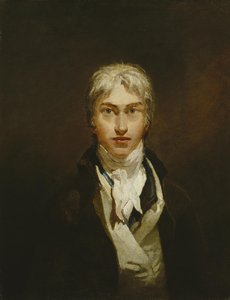
Joseph Mallord William Turner
1775 - 1851 , Vereinigtes Königreich
Eckdaten zum Künstler
- Beeinflusste Künstler:
- Claude Monet
- Mark Rothko
- Bemerkenswerte Werke:
- The Morning After the Deluge
- Chichester Canal
- Ruins of Tintern Abbey
- Geburtsdatum: 23. April 1775
- Geburtsort: Covent Garden, Vereinigtes Königreich
- Künstlerische Richtung: Romantik, Landschaftsmalerei
- Nationalität: Britisch
- Sterbedatum: 19. Dezember 1851
- Vollständiger Name: Joseph Mallord William Turner
Verwandte Artikel

Romantische Landschaften: Die 10 Meisterwerke, die eine Epoche prägten | OriginalUniqueArt
Entdecken Sie die 10 Meisterwerke der Romantischen Landschaftsmalerei! Von Caspar David Friedrich bis Turner – erleben Sie die Kunst, Emotion & Natur. Hochwertige Reproduktionen auf OriginalUniqueArt.com

Ephemeral Visions: Exploring the Artistic Legacy & Contemporary Practice of Watercolor Painting
Explore the captivating world of watercolor painting! Discover its rich history, essential techniques, influential artists & collecting tips. A comprehensive guide for art enthusiasts from OriginalUniqueArt.

Ephemeral Visions: Exploring the Artistic Legacy & Nuances of Watercolor Painting
Explore the captivating world of watercolor painting! Discover its rich history, essential techniques, influential artists & collecting tips from art experts. A comprehensive guide for enthusiasts.

Flüchtige Visionen: Die Geschichte und emotionale Resonanz der Aquarellmalerei
Entdecken Sie die faszinierende Welt der Aquarellmalerei! Von historischen Ursprüngen bis zu modernen Techniken – wir bieten Expertenwissen, Inspiration und Tipps für Anfänger & Fortgeschrittene.

Die 10 legendärsten Aquarellwerke der Kunstgeschichte – Meisterwerke für Ihr Zuhause
Entdecken Sie die 10 legendärsten Aquarellwerke der Kunstgeschichte! Von Turner bis Monet – erleben Sie die Geschichten, Techniken & Farben dieser Meisterwerke. Finden Sie hochwertige Kunstdrucke auf OriginalUniqueArt.com und gestalten Sie Ihr Zuhause mit zeitloser Eleganz.


