
 Vorschau anzeigen
 Versenden
 Teilen
 Details anzeigen

 Herunterladen
 Ähnliche Objekte
 Röntgenaufnahme
 Diashow
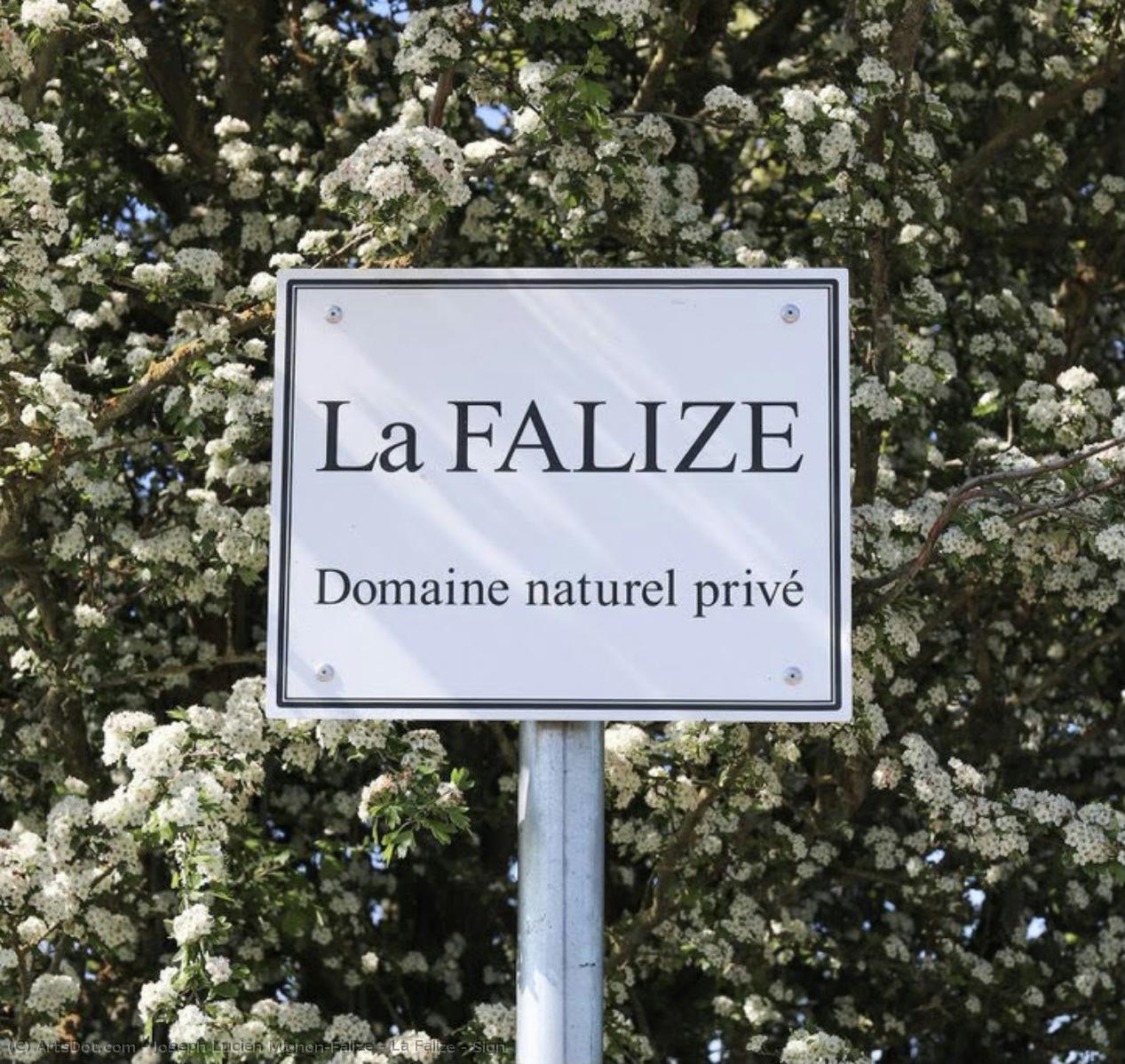
La Falize - Sign


 Weiterlesen
Handgefertigte Ölreproduktion
Handgemaltes Ölgemälde auf Leinwand in Ihrer Wunschgröße und mit Rahmen, auf Bestellung von unseren Künstlern angefertigt. ( Druck bestellen Bild kaufen)




































Wählen Sie aus unseren vordefinierten Formaten, die den ursprünglichen Proportionen des Kunstwerks entsprechen.

Sie können Ihre eigenen Maße eingeben, um einen bestimmten Rahmen oder Platz auszufüllen. Wenn die gewählte Größe nicht den Proportionen des Originalbildes entspricht, werden wir das Kunstwerk entweder beschneiden oder das Gemälde durch zusätzliche, handgemalte Elemente erweitern. Ein digitales Mockup wird Ihnen zur Genehmigung zugesandt, bevor die Produktion beginnt.
Bitte beachten Sie, dass die Bildschirmvorschau nicht die tatsächliche Beschneidung oder Erweiterung widerspiegelt. Nur das Mockup zeigt die endgültige Komposition exakt an.
Obwohl Sondermaße verfügbar sind, empfehlen wir, eine Größe aus der vordefinierten Liste zu wählen, um die ursprünglichen Proportionen beizubehalten.
Nach der Bestellung wird das OriginalUniqueArt.com-Team dem Kunden Anweisungen per E-Mail zusenden und eine Mockup-Vorschau bereitstellen.
Weltweiter Versand () in nur 3 bis 4 Wochen statt der üblichen 5 Wochen. (20 August). Keine Kompromisse bei der Qualität.

Kostenloser weltweiter Expressversand

Hochwertige Leinenleinwand

Umfassender Versicherungsschutz beim Versand

Zollgebühren-Rückerstattungsgarantie

Garantie für exakte Farbtreue

60 Tage Rückgaberecht (nur bei Mängeln)

100% Geld-zurück-Garantie

Mengenrabatt verfügbar
 Die Glasoption ist nur für Größen unter 110 cm verfügbar.

La Falize - Sign
Art der Reproduktion
Format der Reproduktion
-


Gesamtpreis
$ 300
Über den Künstler
Joseph Lucien Mignon-Falize: Pioneer of Art Nouveau Jewelry
Lucien Falize (1839-1897) stands as a pivotal figure in the history of French jewelry and, crucially, the genesis of Art Nouveau. Born in Paris on August 4, 1839, he wasn’t merely a craftsman; he was an architect of aesthetic sensibility, reshaping perceptions of beauty through his firm, Falize, and establishing it as a beacon of innovation during its formative years. His legacy extends beyond exquisite designs—it resides in his unwavering commitment to translating the organic forms and vibrant colors of nature into meticulously crafted metalwork.Early Life and Artistic Foundations
From a young age, Lucien demonstrated an exceptional intellect and a fervent desire for knowledge, initially postponing university aspirations due to the turbulent political climate of his time. However, he swiftly embraced the discipline of École Centrale des Arts et Manufactures before his father announced Falize’s intention to forge him into a future partner—a decision that irrevocably steered his path toward artistic pursuits. Recognizing his innate talent for drawing and modeling, Alexis Falize nurtured Lucien's abilities, equipping him with the foundational skills necessary to oversee the workshop’s creative endeavors. A formative journey to London in 1853 exposed Lucien to the grandeur of British art institutions and instilled within him a profound appreciation for architectural masterpieces like Westminster Abbey—particularly its Henry VII chapel’s breathtaking stone lacework. Furthermore, his explorations of Egyptian and Assyrian art at the Crystal Palace ignited an enduring fascination with exotic motifs and techniques, profoundly influencing his subsequent artistic vision.The Rise of Falize: Innovation and Collaboration
Falize's ascent began in 1869 when Alexis appointed Lucien a full partner, cementing his dedication to pushing boundaries—a commitment that culminated in taking over leadership in 1876. Married to Louise Clémentine Poulard in 1871, Lucien established a family rooted in artistic appreciation and intellectual curiosity, fathering three sons: André Alexis Eugène, Jean Henri Lucien, and Pierre Isidore. Recognizing the importance of mentorship, Falize welcomed Charles Enot into his workshop as an apprentice, fostering a collaborative environment that nurtured talent and propelled Falize’s creative output. His involvement with the Union Centrale des Beaux Arts appliques à l'Industrie underscored his belief in disseminating artistic knowledge and promoting excellence within the craft community. The firm's triumphant exhibitions at the 1878 and 1889 Paris World’s Fairs garnered international acclaim, cementing Falize’s position as a leader in shaping the visual landscape of his era. Collaborations with renowned enamellers like Antoine Tard and Germain Bapst solidified Falize’s reputation as a visionary innovator—a testament to his unwavering dedication to elevating jewelry artistry to new heights.Art Nouveau: Embracing Organic Forms
Falize’s contribution to Art Nouveau transcends mere stylistic imitation; he fundamentally reimagined jewelry design, rejecting academic conventions in favor of embracing the principles championed by Owen Jones—specifically “Beauty in Usefulness.” Inspired by explorations of Japanese art and influenced by luminaries like Alfred Darcel, Falize meticulously studied contemporary publications detailing decorative motifs drawn from diverse artistic traditions. He skillfully blended techniques such as champlevé enamel, cloisonné, and basse-taille, mirroring the grandeur of Renaissance craftsmanship while simultaneously incorporating elements of Oriental aesthetics. The firm’s impressive displays at the 1878 and 1889 Paris World’s Fairs garnered international acclaim, cementing Falize’s position as a leader in shaping the visual landscape of his era. He said of his works that he wished ' to combine the colours of the Impressionists with the draughtsmanship of Ingres'.Legacy and Recognition
Falize’s meticulous craftsmanship—exemplified by pieces like “La Falize - Sheep” and “La Falize - Goblet”—continues to inspire admiration for its elegance and technical virtuosity. His enduring influence is palpable in subsequent generations of jewelry designers who embraced organic forms and vibrant colors as expressions of artistic creativity. Lucien Falize’s unwavering pursuit of knowledge, coupled with his father's astute vision, established Falize as a cornerstone of French art history—a legacy enshrined in the Musée des Arts Décoratifs’ collection and celebrated for its contribution to the enduring beauty of Art Nouveau jewelry.
Lucien Falize
1839 - 1897 , Frankreich
Kurzinfos
- Artistic Movement Or Style: Art Nouveau
- Artists Who Influenced This Artist:
- Owen Jones
- Alfred Darcel
- Date Of Birth: August 4, 1839
- Date Of Death: September 4, 1897
- Full Name: Joseph Lucien Mignon-Falize
- Nationality: Französisch
- Notable Artworks:
- La Falize - Sheep
- La Falize - Goblet
- Place Of Birth: Paris, Frankreich

