

 In echtem Maßstab anzeigen
 Versenden als Grußkarte
 Teilen
 Details anzeigen

 Herunterladen
 Ähnliche Objekte
 Röntgenaufnahme
 Diashow
 Besucherstatistiken
Mr. Oldham and his Friends
 Oil On Canvas
- WallArt
- Rococo Period
 1750
1750- Early Modern
 105.0 x 130.0 cm
 Tate Britain
 Mehr anzeigen
Giclée / Kunstdruck
Giclée- oder Leinwanddruck in Museumsqualität mit schneller Produktion und flexiblen Veredelungsoptionen. ( Handgemalte Reproduktion kaufen Zum digitalen Bild wechseln)




P118B $10

P118H $10

P118W $10

P438Z $10

P508JH $12

P508YH $12

P805H $10

P805Z $10

P919BZ $10

P919G $10

P919XJ $10

P959ZH $10

P968JZ $12

W106C $8

W218G $10

W218JH $8

W218Y $10

W307PJ $10

W316G $10

W316PJ $8

W316Y $10

W398PJ $8

W4111J $10

W500HY $15

W500JH $15

W692G $12

W849H $8

W940BG $15

W953PJ $8




Wählen Sie aus unseren vordefinierten Formaten, die den ursprünglichen Proportionen des Kunstwerks entsprechen.

Sie können Ihre eigenen Maße eingeben, um ein bestimmtes Format oder einen speziellen Platz einzupassen. Wenn das von Ihnen gewählte Format nicht den Proportionen des Originalbildes entspricht, werden wir das Kunstwerk entweder beschneiden oder das Bild mit einem gespiegelten oder einfarbigen Rand erweitern. Ein digitaler Entwurf wird Ihnen zur Genehmigung zugesandt, bevor die Produktion beginnt.
Bitte beachten Sie, dass die Vorschau auf dem Bildschirm nicht den tatsächlichen Zuschnitt oder die Erweiterung widerspiegelt. Nur der Entwurf zeigt die endgültige Komposition präzise an.
Obwohl Sondermaße verfügbar sind, empfehlen wir die Auswahl eines Maßes aus der vordefinierten Liste, um die ursprünglichen Proportionen zu bewahren.
Weltweiter Versand () innerhalb von 2 Wochen statt der üblichen 4/5 Wochen. (17 September)

Kostenloser weltweiter Expressversand

Hochwertige Leinenleinwand

Vollständiger Versicherungsschutz beim Versand

Zollgebühren-Rückerstattungsgarantie

Garantie für exakte Farbtreue

100-tägiges Rückgaberecht (nur bei Mängeln)

100% Geld-zurück-Garantie

Angebot für Mengenrabatt
 Die Glasoption ist nur für Größen unter 110 cm verfügbar.

Mr. Oldham and his Friends
Giclée / Kunstdruck
Format der Reproduktion
-


Gesamtpreis
$ 80
A Glimpse into Georgian Camaraderie
In the soft, amber glow of an imagined mid-eighteenth-century evening, Joseph Highmore’s “Mr. Oldham and his Friends” invites the viewer to step into a world of refined leisure and quiet intellectual intimacy. Painted in 1750, this masterpiece serves as a window into the heart of Georgian England, capturing a moment that transcends mere portraiture to become a celebration of social bond and shared experience. The composition centers on four gentlemen gathered around a mahogany table, their relaxed postures and engaged expressions suggesting a conversation caught mid-sentence. There is an undeniable warmth in the scene; the subtle presence of wine glasses and a communal bowl hints at a ritual of conviviality, where the boundaries between formal status and personal friendship blur under the light of mutual respect.
Highmore, a painter who masterfully navigated the transition from the grandiosity of the Baroque to the delicate grace of the Rococo, utilizes this scene to showcase his profound ability to capture character. One gentleman, distinguished by a hat perched elegantly atop his head, adds a touch of aristocratic flair that anchors the group in their social stratum, yet the overall atmosphere remains remarkably accessible and human. For the collector or interior designer, this piece offers more than just a historical record; it provides an emotional anchor for a room, evoking a sense of timeless stability and the enduring value of companionship.
Mastery of Light and Texture
Technically, the painting is a triumph of chiaroscuro, a technique Highmore adapted from the great Baroque masters like Rembrandt to breathe life into his subjects. By employing dramatic contrasts between deep, velvety shadows and luminous highlights, he sculpts the figures, giving them a three-dimensional presence that feels almost tactile. This play of light does more than define form; it directs the eye through the narrative of the painting, drawing attention to the glint of glass, the rich grain of the wood, and the intricate folds of fine fabrics. The artist’s meticulous attention to detail—the way light catches the rim of a wine glass or the subtle texture of a gentleman's waistcoat—demonstrates a level of craftsmanship that elevates the work from a simple "conversation piece" to a profound study in materiality.
The Rococo influence is felt in the painting’s lighter, more graceful tonal palette, which avoids the heavy somberness of earlier eras in favor of an air of elegance. This delicate balance between shadow and light creates a psychological depth, suggesting that beneath the surface of this pleasant gathering lies a rich inner life and a history of shared secrets and intellectual pursuits. Such technical sophistication makes a high-quality reproduction of this work an exquisite addition to any curated collection, offering a sophisticated interplay of light and shadow that can transform the ambiance of a sophisticated study or a grand dining hall.
Symbolism and the Spirit of an Era
Beyond its aesthetic allure, “Mr. Oldham and his Friends” is steeped in the cultural symbolism of the 1750s. The very act of gathering around wine serves as a metaphor for the era's values: indulgence, pleasure, and the cultivation of taste. In the context of Georgian England, such scenes were not merely decorative but were statements of social identity. The painting subtly underscores the importance of patronage and the role of the landed gentry in fostering a culture of refinement and intellectual curiosity. The presence of the mahogany table—a luxury item of the period—further reinforces the themes of prosperity and the global reach of British commerce during this era.
For those looking to bring a piece of history into their contemporary spaces, this artwork offers a profound sense of continuity. It speaks to the universal human desire for connection and the beauty found in quiet, shared moments. Whether placed in a modern minimalist setting to provide a classical counterpoint or integrated into a traditional period room, Highmore’s work continues to resonate, offering an evocative narrative of friendship that remains as relevant today as it was two and a half centuries ago.
Biografie des Künstlers
Frühes Leben und Karriere
- Geboren: London, Großbritannien (1692)
- Gestorben: 1780
- Joseph Highmore wurde in London als drittes Kind von Edward Highmore, einem Kohlenhändler, und Neffe von Thomas Highmore, serjeant painter für William III., geboren.
- Er zeigte früh künstlerisches Talent, verfolgte aber zunächst auf Wunsch seiner Familie eine juristische Ausbildung.
- Mit 17 Jahren gab er das Jurastudium auf, um Maler zu werden und besuchte Zeichenakademien unter der Leitung von Godfrey Kneller und Anatomielektionen von William Cheselden.
Künstlerische Entwicklung und Stil
- Highmores Stil entwickelte sich von frühen Einflüssen der Barockmalerei hin zu einer Annäherung an die Ästhetik des Rokoko.
- Seine Arbeit ist durch Realismus, Detailgenauigkeit und einen Fokus auf das Festhalten des Aussehens und der Persönlichkeit seiner Motive gekennzeichnet.
- Er erlangte während der 1730er und 1740er Jahre die Förderung der königlichen Familie.
- Eine Reise durch die Niederlande und Frankreich (1732-1734) erweiterte seinen künstlerischen Horizont.
- Später in seiner Karriere bediente Highmore eine wachsende Klientel des Mittelstandes.
Hauptwerke und Errungenschaften
- Porträts: Highmore ist am besten bekannt für seine Porträts von bedeutenden Persönlichkeiten, darunter König Georg II. und General James Wolfe. Diese Werke demonstrieren sein Können, sowohl das physische Ähnlichkeit als auch Charakter einzufangen.
- Illustrationen für "Pamela": Seine Serie aus zwölf Gemälden basierend auf Samuel Richardsons Roman "Pamela, oder Tugend belohnt" (1744) erfreute sich großer Beliebtheit und wurde von Benoist und Louis Truchy graviert. Diese Illustrationen halfen dabei, die Geschichte einem breiteren Publikum zugänglich zu machen.
- Historische Gemälde: Er fertigte auch historische Gemälde an, was seinen Einflüssen französischer künstlerischer Traditionen entspricht. Hagar und Ismael, gespendet am Foundling Hospital, veranschaulicht diesen Aspekt seiner Arbeit.
- Gesprächsbilder: Highmore war berühmt für seine "Gesprächsbilder", Gruppenporträts, die Familien oder gesellschaftliche Zusammenkünfte in informellen Settings darstellten.
Späteres Leben und Vermächtnis
- Im Jahr 1762 verkaufte Highmore den Inhalt seines Ateliers und zog nach Canterbury im Ruhestand, wo er mit seiner Tochter und seinem Schwiegersohn lebte.
- Er starb am 3. März 1780 im Alter von 87 Jahren und wurde auf eine Weise beerdigt, die einer Gesetzgebung entsprach, die den Wollhandel förderte.
- Sein Vermächtnis liegt in seinem Beitrag zur englischen Porträtmalerei während der Rokoko-Ära, das die georgianische Gesellschaft und individuelle Charaktere mit bemerkenswerter Detailgenauigkeit und Realismus darstellt.
- Er war auch Autor und bekannt für Werke wie "A Critical Examination of Reubens' Two Paintings in the Banqueting House".
Familie und bedeutende Beziehungen
- Susanna Highmore (née Hiller): Seine Frau war eine Dichterin, obwohl wenig von ihren Werken veröffentlicht wurde.
- Anthony Highmore: Sein Sohn, Anthony Highmore (1719–99), war ebenfalls Künstler.
- Anthony Highmore Jr.: Einer seiner fünfzehn Enkel, Anthony Highmore Jr. (1758–1829), wurde Schriftsteller für Rechtsangelegenheiten und sozialer Aktivist.
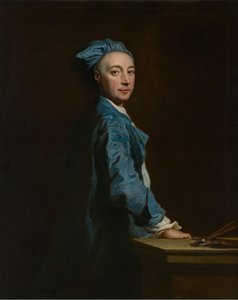
Joseph Highmore
1692 - 1780 , Vereinigtes Königreich
Eckdaten zum Künstler
- Bemerkenswerte Werke:
- Hagar und Ismael
- Pamela zeigt Mr. Williams
- König Georg II.
- General James Wolfe
- Einflussreiche Künstler:
- Godfrey Kneller
- William Cheselden
- Geburtsdatum: 1692
- Geburtsort: London, Vereinigtes Königreich
- Künstlerische Richtung: Rokoko
- Nationalität: Englisch
- Sterbedatum: 1780
- Vollständiger Name: Joseph Highmore
Verwandte Artikel

The Allure of Elegance in Art: A Historical & Aesthetic Exploration of Refinement & Grace
Explore the exquisite world of Rococo art! Discover its history, masters (Watteau, Boucher & more), and defining elegance. Expert insights for collectors seeking museum-quality reproductions & custom portraits.

Rococo Meisterwerke: Die Top 10, die eine Epoche prägten |
Entdecken Sie die Top 10 Rokoko Meisterwerke von Watteau, Boucher & Fragonard! Erfahren Sie die Geschichten hinter diesen ikonischen Gemälden und lassen Sie sich für Ihre Inneneinrichtung inspirieren. Hochwertige Kunstdrucke auf .

The Rococo Aesthetic: Opulence, Rebellion & the Pursuit of Pleasure in 18th-Century Art
Explore the opulent world of Rococo art! Discover its origins, key artists like Watteau & Boucher, and lasting influence on design. Expert insights for collectors & enthusiasts.
Wein, Wände und Wärme: Eine kuratorische Anleitung zur Kunstauswahl für Weinkeller und Verkostungsräume – Die Steigerung der önologischen Erfahrung durch Landschaft, Symbolik und innere Harmonie
Gestalten Sie Ihren Weinkeller oder Verkostungsraum mit Kunst! Expertenrat zur Auswahl von Gemälden, Symbolik & Ästhetik für ein unvergleichliches Weinerlebnis. Jetzt entdecken!

Joseph Highmore: Moral Tales & Domestic Genre in 18th-Century British Art
Explore the captivating world of Joseph Highmore, a leading British Rococo painter. Discover his elegant portraits, insightful 'Pamela' illustrations & contributions to 18th-century art history. Learn more at OriginalUniqueArt.
