
 Vorschau anzeigen
 Versenden
 Teilen
 Details anzeigen
 Leitfaden

 Herunterladen
 Ähnliche Objekte
 Röntgenaufnahme
 Diashow
 Q&A
Q&A Statistiken
Incubation

- 28.0 x 34.0 cm


 Weiterlesen
Die auf dieser Seite dargestellten Kunstwerke sind urheberrechtlich geschützt, was bedeutet, dass wir keine identische Reproduktion rechtmäßig erstellen oder verkaufen dürfen. Dieser Schutz wird durch internationale Abkommen wie die Berner Übereinkunft und durch nationale Gesetze, einschließlich derer, die von den US-Urheberrecht – Titel 17.
Diese Methode entspricht vollumfänglich den Urheberrechtsbestimmungen, da sie keine Kopie oder Vervielfältigung des geschützten Kunstwerks darstellt. Stattdessen handelt es sich um eine kreative Neuinterpretation – ein neues Gemälde, das vom Original inspiriert, aber nicht identisch mit ihm ist.
Giclée / Kunstdruck
Giclée- oder Leinwanddruck in Museumsqualität mit schneller Produktion und flexiblen Veredelungsoptionen. ( Handgemalte Reproduktion bestellen Zum digitalen Bild wechseln)




P118B €10

P118H €10

P118W €10

P438Z €10

P508JH €12

P508YH €12

P805H €10

P805Z €10

P919BZ €10

P919G €10

P919XJ €10

P959ZH €10

P968JZ €12

W106C €8

W218G €10

W218JH €8

W218Y €10

W307PJ €10

W316G €10

W316PJ €8

W316Y €10

W398PJ €8

W4111J €10

W500HY €15

W500JH €15

W692G €12

W849H €8

W940BG €15

W953PJ €8




Wählen Sie aus unseren vordefinierten Formaten, die den ursprünglichen Proportionen des Kunstwerks entsprechen.

Geben Sie die benötigte Breite und Höhe an, damit der Druck perfekt in Ihren Rahmen oder an Ihre Wand passt. Ein Druck kann nur beschnitten, aber niemals größer als das Originalbild angefertigt werden; daher verliert ein Format mit anderen Proportionen einen Teil des Bildes. Wir senden Ihnen ein digitales Mockup zur Freigabe, bevor wir den Druck ausführen. Das auf dieser Seite gezeigte Bild zeigt nicht den tatsächlichen Beschnitt – dies ist nur im Mockup ersichtlich.
Weltweiter Versand () innerhalb von 2 Wochen statt der üblichen 4/5 Wochen. (2 November)

Kostenloser weltweiter Expressversand

Hochwertige Leinenleinwand

Umfassender Versicherungsschutz beim Versand

Zollgebühren-Rückerstattungsgarantie

Garantie für exakte Farbtreue

100 Tage Rückgaberecht (nur bei Mängeln)

100% Geld-zurück-Garantie

Mengenrabatt verfügbar
 Die Glasoption ist nur für Größen unter 110 cm verfügbar.

Incubation
Giclée / Kunstdruck
Format der Reproduktion
-


Endpreis
€ 71
Jorge de la Vega: Incubation – A Symphony of Anxiety and Spiritual Observation
Jorge de la Vega (1930-1971) stands as a singular figure within the Argentine Nueva Figuración movement, an artistic rebellion against academic conventions that sought to capture the turbulent spirit of the postwar era. Initially drawn to architecture—a pursuit he abandoned after six formative years at Universidad de Buenos Aires—Vega swiftly recognized the limitations of geometric abstraction and embraced a path toward intensely personal expression.
His early canvases explored both representational forms and stylistic experimentation, establishing a distinctive visual vocabulary characterized by unsettling imagery and a preoccupation with psychological states. The pivotal decision to forgo formal training proved decisive, propelling him into a multifaceted career encompassing painting, songwriting, and sculptural endeavors—a testament to his unwavering commitment to artistic exploration.
“Incubation,” created in 1966, exemplifies Vega’s signature style: a jarring blend of expressionism and Cubist influences. The artwork depicts a chaotic tableau populated by multiple figures engaged in exaggerated facial expressions – screams, stares, and gestures of profound unease dominate the composition. Thick, bold lines delineate these forms, creating a palpable sense of movement and tension.
- Composition: Vega abandons traditional perspective, favoring instead a flattened space that amplifies the claustrophobic atmosphere. Overlapping figures contribute to this feeling of confinement, mirroring anxieties about societal pressures and interpersonal relationships.
- Color Palette: Primarily monochrome—black and white—the palette underscores the artwork’s emotional intensity. Absence of shading reinforces the flatness of the image and directs attention to textural variations achieved through hatching and cross-hatching techniques.
- Technique: Vega employs direct drawing with forceful lines, prioritizing expressive gesture over meticulous realism. The technique is rooted in Cubist principles but infused with an emotive urgency reminiscent of Expressionism’s focus on subjective experience.
Beyond its formal characteristics, “Incubation” resonates with deeper symbolic concerns. The central figure—a man wearing glasses—represents intellectual scrutiny and perhaps a futile attempt to comprehend the overwhelming forces shaping human existence. Simultaneously, the angel positioned on the right serves as a visual counterpoint, embodying spiritual observation and hinting at judgment – a duality that encapsulates Vega’s exploration of existential dilemmas.
Vega's work continues to captivate audiences with its unflinching portrayal of psychological turmoil and its masterful manipulation of artistic language. “Incubation” stands as a poignant reminder of the artist’s ability to transform personal anxieties into powerful visual narratives, cementing his legacy as one of Argentina’s most influential figures in contemporary art.
Additional Context: Santo Domingo de la Calzada – A Cathedral of Legend
Vega's artistic sensibilities extended beyond painting; he possessed a fascination with architectural spaces and religious iconography. The Catedral de Santo Domingo de la Calzada, nestled in Zaragoza, Spain—a UNESCO World Heritage Site—provided inspiration for his visual explorations. Its Romanesque-Gothic grandeur embodies centuries of history and spiritual devotion.
The cathedral’s Rooster Miracle – a miraculous apparition of a rooster perched atop the spire – exemplifies Vega's interest in symbols that transcend mere representation, reflecting deeper beliefs about faith and divine intervention. Visiting this architectural marvel offers a tangible connection to artistic heritage and contemplative reflection.
Exploring Contemporary Artistic Voices: Águeda Ruiz de la Prada
Vega’s influence can be discerned in the work of Águeda Ruiz de la Prada, a prominent Argentine artist known for her distinctive blend of surrealism and abstraction. Like Vega, Ruiz de la Prada challenges conventional artistic boundaries, prioritizing emotional resonance over stylistic adherence.
Her canvases—often characterized by vibrant colors and dreamlike imagery—engage viewers in dialogues about identity, memory, and the complexities of human experience. Ruiz de la Prada’s commitment to artistic experimentation mirrors Vega's pioneering spirit, demonstrating the enduring legacy of Nueva Figuración’s transformative impact on Argentine art.
Beyond Argentina: Maurice Quentin de La Tour – Pastel Innovation
Vega’s stylistic innovations found parallels in the work of Maurice Quentin de La Tour, a French pastel artist who revolutionized portraiture during the Rococo period. De La Tour's pioneering use of pastel—a medium previously considered marginal—allowed for unprecedented tonal subtlety and expressive nuance.
His portraits captured the aristocratic elegance of his era while simultaneously conveying psychological depth – qualities that resonate with Vega’s artistic vision. Studying de La Tour’s techniques offers insights into the broader context of artistic experimentation and stylistic evolution within European art history.
Fragen & Antworten
Welcher Raum eignet sich aufgrund der Farben von "Incubation" von Jorge De La Vega am besten?
Aufgrund seiner Neutrals Farben wird „Incubation“ für ein Living Room empfohlen.
Ist "Incubation" von Jorge De La Vega ein helles oder ein dunkles Kunstwerk?
Die aufgezeichneten Werte für "Incubation" von Jorge De La Vega sind: brilliant Helligkeit, Luminous Luminanz.
Wie intensiv und gesättigt sind die Farben von "Incubation" von Jorge De La Vega?
"Incubation" von Jorge De La Vega zeichnet sich durch eine Sättigung von Muted und eine Intensität von Monochromatic aus.
Künstlerbiografie
Jorge de la Vega: Leben und Kunst
Frühes Leben und Ausbildung
Jorge de la Vega (geboren am 27. März 1930 in Buenos Aires, Argentinien – gestorben am 26. August 1971) war ein vielseitiger Künstler – Maler, Grafiker, Zeichner, Sänger und Songwriter. Er begann von 1948 bis 1952 mit einem Studium der Architektur an der Universidad de Buenos Aires. Verließ diesen Weg jedoch schließlich, um sich ganz der Malerei zu widmen und wurde größtenteils als Autodidakt zum Künstler.
Künstlerische Entwicklung und Strömungen
De la Vegas frühe künstlerische Erkundungen umfassten in den 1950er Jahren sowohl gegenständliche als auch abstrakte geometrische Stile. Ein entscheidender Moment seiner Karriere war die Gründung der Otra Figuración (Andere Figuration) Gruppe im Jahr 1961, zusammen mit Luis Felipe Noé, Rómulo Macció und Ernesto Diera. Diese Bewegung, auch bekannt als Nueva Figuración (Neue Figuration), stellte eine Reaktion auf die vorherrschende geometrische Abstraktion in der argentinischen Kunst dar.
- Die Gruppe zielte darauf ab, die menschliche Figur wieder in ihre Werke einzuführen und über bloße Nachahmung hinauszugehen, um individuelle existenzielle Ängste zu erforschen.
- Eine Reise nach Europa mit der *Otra Figuración* Gruppe erwies sich als einflussreich und inspirierte eine neue künstlerische Richtung.
- Später führte ihn ein Aufenthalt in den Vereinigten Staaten dem aufstrebenden Pop Art-Moment in New York City näher, was seinen Stil maßgeblich beeinflusste.
Schlüsselthemen und Einflüsse
De la Vegas Werk ist geprägt von seinem kritischen Umgang mit der zeitgenössischen Gesellschaft. Er thematisierte häufig Konsumismus, soziale Kritik und die Komplexität des menschlichen Daseins. Seine Kunst präsentierte oft eine düster-humorvolle Perspektive auf das moderne Leben.
- Einfluss von Pop Art: Die kühne Bildsprache und der Kommentar, die in der Pop Art zu finden sind, beeinflussten stark seine visuelle Sprache.
- Soziales Kommentar: Er nutzte seine Kunst, um gesellschaftliche Normen zu hinterfragen und die Absurditäten der Konsumkultur aufzudecken.
- Existenzielle Anliegen: Viele seiner Werke erforschen Identität, Entfremdung und die menschliche Verfassung.
Wichtige Errungenschaften und künstlerischer Stil
De la Vega entwickelte einen unverwechselbaren Stil, der Abstraktion mit figurativen Elementen verband und oft verstörende Bilder und kühne Linien verwendete. Seine Gemälde zeigen häufig verzerrte Figuren, fragmentierte Formen und symbolische Objekte. Er war bekannt für seine digital wirkende Ästhetik, noch bevor digitale Kunst Mainstream wurde.
- Bemerkenswerte Werke: Zu seinen bekanntesten Werken gehören „Lobpreisung“, „Versuch es erneut“, „Flirten“, „Liebes- und Glücksspiele“, „Inkubation“ und die Werkreihe mit dem Titel "Puzzle".
- Lehrauftrag: Er war 1965 dank eines Fulbright-Stipendiums als Gastdozent/Künstler an der Cornell University tätig.
Übergang zur Musik und Späteres Leben
In den letzten Jahren seines Lebens vollzog De la Vega einen bedeutenden Wandel von der visuellen Kunst hin zur Musik. Er wurde ein populärer Singer-Songwriter und schuf Protestsongs, die seine satirische Weltsicht und sein soziales Bewusstsein widerspiegelten.
Historische Bedeutung und Vermächtnis
Jorge de la Vega ist eine wichtige Figur in der lateinamerikanischen Kunstgeschichte. Seine Beteiligung an der *Nueva Figuración* Bewegung trug dazu bei, den argentinischen künstlerischen Ausdruck während einer Zeit bedeutender politischer und sozialer Veränderungen neu zu definieren. Seine Arbeit findet bis heute Anklang für ihren aufschlussreichen Kommentar zur modernen Gesellschaft und ihren einzigartigen visuellen Stil.
- Seine Werke werden in Museen in ganz Argentinien sowie international ausgestellt – darunter das Phoenix Art Museum, das Museum of Modern Art in Rio de Janeiro, Brasilien, und das Art Museum of the Americas bei der OAS in Washington, DC.
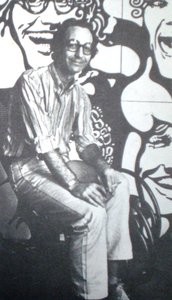
Jorge De La Vega
1930 - 1971 , Argentinien
Kurzinfos
- Bemerkenswerte Werke:
- Praise
- Try Again
- Flirt
- Geburtsdatum: 27. März 1930
- Geburtsort: Buenos Aires, Argentinien
- Künstler Die Diesen Künstler Beeinflussten: ['Pop Art Künstler']
- Künstler/Bewegungen Beeinflusst Von Diesem Künstler: ['Nueva Figuración']
- Künstlerische Bewegung Oder Stil: Nueva Figuración, Pop Art
- Nationalität: Argentinisch
- Sterbedatum: 26. August 1971
- Vollständiger Name: Jorge de la Vega
Ähnliche Artikel

Über uns
Entdecken Sie unsere Geschichte! Wir bringen Weltklasse-Kunst in Ihr Leben durch fachkundige Auswahl, individuelle Kreationen und kostenlose Vorschauen. Seit dem Jahr 2000 von Privatpersonen und Unternehmen geschätzt.
Georges de La Tour: Licht, Spiritualität und Realismus im Barock – Eine Neubewertung
Entdecken Sie Georges de La Tour, den vergessenen Meister des Barocks! Erfahren Sie mehr über sein einzigartiges Lichtkonzept, seine spirituelle Malerei und seinen Einfluss auf die Kunstgeschichte. Expertenanalyse & Hintergrundinformationen.

Meister der Schatten: Die 25 eindrucksvollsten Kunstwerke von Francisco Goya
Erleben Sie Goyas Meisterwerke von Romantik bis Schatten. Entdecken Sie alle Klassiker auf OriginalUniqueArt.com.

Maurice Quentin de La Tour: Licht, Schatten und die Intimität des Rokoko-Porträts
Entdecken Sie das Werk von Maurice Quentin de La Tour! Erfahren Sie mehr über seine innovative Pastelltechnik, die psychologische Tiefe seiner Porträts und seinen Einfluss auf die Rokoko-Malerei. Einblick in königliche Aufträge & sein Vermächtnis.
Águeda Ruiz de la Prada: Eklektizismus und emotionale Resonanz in der zeitgenössischen spanischen Malerei
Entdecken Sie die faszinierende Welt von Águeda Ruiz de la Prada! Unsere Expertenanalyse beleuchtet Eklektizismus, emotionale Tiefe und Investitionspotenzial dieser zeitgenössischen spanischen Malerin. Für anspruchsvolle Kunstsammler.