- Startseite

- Auf Leinwand drucken
- jörg petel
- Ecce Homo

 Gemälde kaufen Bild kaufen
 Versenden
 Teilen
 Details anzeigen
 Zu Favoriten hinzufügen

 Herunterladen
 Ähnliche Objekte
 Röntgenaufnahme
 Diashow anzeigen
Ecce Homo


 Weiterlesen
Giclée / Kunstdruck
Giclée- oder Leinwanddruck in Museumsqualität mit schneller Produktion und flexiblen Veredelungsoptionen.




































Wählen Sie aus unseren vordefinierten Größen, die den ursprünglichen Proportionen des Kunstwerks entsprechen.

Sie können Ihre eigenen Maße eingeben, um ein bestimmtes Format oder einen speziellen Platz einzupassen. Wenn das von Ihnen gewählte Format nicht den Proportionen des Originalbildes entspricht, werden wir das Kunstwerk entweder beschneiden oder das Bild mit einem gespiegelten oder einfarbigen Rand erweitern. Ein digitaler Entwurf wird Ihnen zur Genehmigung zugesandt, bevor die Produktion beginnt.
Bitte beachten Sie, dass die Vorschau auf dem Bildschirm nicht den tatsächlichen Zuschnitt oder die Erweiterung widerspiegelt. Nur der Entwurf zeigt die endgültige Komposition präzise an.
Obwohl Sondermaße verfügbar sind, empfehlen wir die Auswahl eines Maßes aus der vordefinierten Liste, um die ursprünglichen Proportionen zu bewahren.
Weltweiter Versand () innerhalb von 2 Wochen statt der üblichen 4/5 Wochen. (23 Juli)

Kostenloser weltweiter Expressversand

Hochwertige Leinenleinwand

Umfassender Versicherungsschutz beim Versand

Zollsteuer-Rückerstattungsgarantie

Garantie für echte Farbtreue

60-Tage-Rückgaberecht (nur bei Mängeln)

100% Geld-zurück-Garantie

Mengenrabatt verfügbar
 Die Glasoption ist nur in Größen unter 110 cm verfügbar.

Ecce Homo
Giclée / Kunstdruck
Größe der Reproduktion
-


Endpreis aller Optionen
-
Biografie des Künstlers
Georg Petel (1601/02 – January 1635, Augsburg)
Georg Petel was a German sculptor and ivory carver who stands as one of the pivotal figures in establishing Baroque sculpture within Germany. Born in Weilheim im Bayerischen Oberland around 1601 or 1602, he descended from humble origins – orphaned at infancy due to the untimely deaths of his parents – and found mentorship under Bartholomä Steinle, a local carver who instilled in him the foundational skills of craftsmanship. This early training would prove instrumental in shaping Petel’s artistic trajectory.- Early Life & Training: Steinle's workshop provided Petel with invaluable experience in ivory carving, exposing him to the techniques and aesthetic sensibilities prevalent in Munich’s aristocratic circles.
- Influence of Rubens & Antwerp: A formative encounter with Peter Paul Rubens in Antwerp profoundly impacted Petel’s artistic vision. Rubens’ dynamic compositions and masterful use of light served as a powerful stimulus for Petel's own sculptural endeavors, particularly his fascination with portraying emotion and grandeur.
- Roman Period & Artistic Style: Petel’s Roman apprenticeship instilled in him a stylistic approach characterized by dramatic modeling, expressive gestures, and meticulous attention to detail—elements that would define his oeuvre throughout his career.
- Notable Works: Among Petel's most celebrated creations are “Venus and Cupid” (Ashmolean Museum, Oxford), “Triumph of Venus” (Stockholm Palace) and St Christopher Statue for St Moritz Church in Augsburg

jörg petel
1601 - 1634 , Germany
Kurzinfos
- Artistic Movement Or Style: Baroque
- Artists Or Movements Influenced By This Artist: ['Gianlorenzo Bernini']
- Artists Who Influenced This Artist:
- Christoph Angermair
- Peter Paul Rubens
- Date Of Birth: 1601
- Full Name: Jörg Petel
- Nationality: German
- Notable Artworks:
- Bust of Rubens
- Ecce Homo
- Place Of Death: Augsburg
Ähnliche Artikel
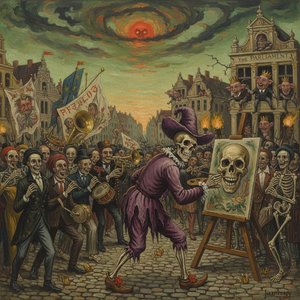
James Ensor und die groteske Vision: Gesellschaftskritik und künstlerische Innovation
Entdecken Sie James Ensors faszinierende Welt der Groteske! Analysieren Sie seine Gesellschaftskritik, den Einfluss des Symbolismus und seinen einzigartigen Stil. Expertenwissen zur modernen Kunst.

Theatricality & Triumph: Baroque Drama in Painting & Sculpture
Explore the dramatic world of Baroque art! Discover its history, defining characteristics, & lasting influence on painting & sculpture. Expert insights into Caravaggio, Zurbarán, and Bernini – plus high-quality reproductions at OriginalUniqueArt.
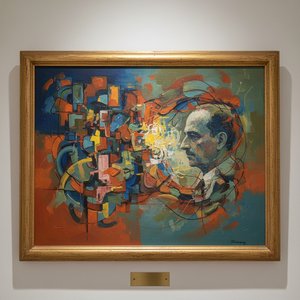
Jorge José Castillo Casalderrey: A Spanish Abstract Expressionist's Evolving Vision
Explore the captivating world of Jorge José Castillo Casalderrey, a leading Spanish Abstract Expressionist. Discover his unique style, market value & legacy. Expert insights for discerning collectors.
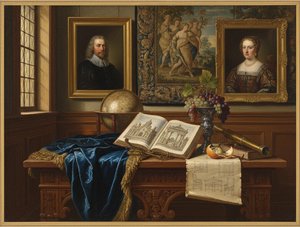
Meisterwerke des 17. Jahrhunderts: Kunst für Ihr Zuhause | OriginalUniqueArt
Entdecken Sie die 10 bedeutendsten Kunstwerke des 17. Jahrhunderts! Von Rembrandt bis Caravaggio – erleben Sie Barockmalerei, niederländische Meister & klassische Gemälde. Finden Sie Ihre perfekte Reproduktion auf OriginalUniqueArt.com.
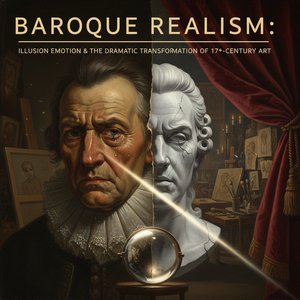
Baroque Realism: Illusion, Emotion & the Dramatic Transformation of 17th-Century Art
Explore the dramatic world of Baroque Realism! Discover iconic artists like Caravaggio & Rubens, their techniques, and the movement's lasting impact on art history. Expert insights for collectors & enthusiasts.

