In echtem Maßstab anzeigen
 Versenden als Grußkarte
 Teilen
 Details anzeigen
 Leitfaden öffnen

 Herunterladen
 Ähnliche Objekte
 Röntgenaufnahme
 Diashow
 Besucherstatistiken
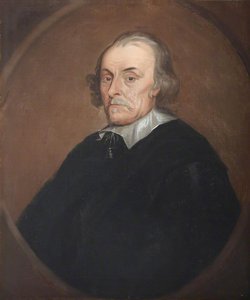
Thomas Britton
 1703
1703 74.0 x 62.0 cm
 Mehr anzeigen
Handgefertigte Ölreproduktion
Handgemaltes Ölgemälde auf Leinwand in Ihrer Wunschgröße und mit Rahmen, auf Bestellung von unseren Künstlern angefertigt. ( Zum Druck wechseln Zum digitalen Bild wechseln)




































Wählen Sie aus unseren vordefinierten Formaten, die den ursprünglichen Proportionen des Kunstwerks entsprechen.

Geben Sie die Breite und die Höhe an, die Sie für Ihren Rahmen oder Ihre Wand benötigen. Da dieses Werk handgemalt ist, kann der Künstler bei einer anderen Form etwas mehr um das Bild herum malen oder etwas abschneiden – Sie entscheiden. Wir senden Ihnen ein digitales Mockup zur Freigabe, bevor mit dem Malen begonnen wird. Das auf dieser Seite gezeigte Bild stellt nicht das tatsächliche Ergebnis dar – dies tut nur das Mockup.
Nach der Bestellung wird das OriginalUniqueArt.com-Team dem Kunden Anweisungen per E-Mail zusenden und eine Mockup-Vorschau bereitstellen.
Weltweiter Versand () in nur 3 bis 4 Wochen statt der üblichen 5 Wochen. (25 Oktober). Keine Kompromisse bei der Qualität.

Kostenloser weltweiter Expressversand

Hochwertige Leinenleinwand

Vollständiger Versicherungsschutz beim Versand

Zollgebühren-Rückerstattungsgarantie

Garantie für exakte Farbtreue

100-tägiges Rückgaberecht (nur bei Mängeln)

100% Geld-zurück-Garantie

Angebot für Mengenrabatt
 Die Glasoption ist nur für Größen unter 110 cm verfügbar.

Thomas Britton
Reproduktionsmedium
Format der Reproduktion
-


Gesamtpreis
€ 263
Biografie des Künstlers
Die Eleganz des Atlantiks: Das Leben und Vermächtnis von Johannes Wollaston
In der Mitte des achtzehnten Jahrhunderts, als die amerikanischen Kolonien begannen, ein wachsendes Bewusstsein für ihre eigene Identität zu entwickeln, erreichte ein raffinierter Hauch aus London ihre Küsten, getragen vom Pinsel Johannes Wollastons. Als Maler von tiefer Anmut und technischer Finesse nimmt Wollaston eine singuläre Stellung in den Annalen der amerikanischen Kunstgeschichte ein – ein britischer Meister, der die ästhetische Landschaft der Kolonien unwiderruflich prägte. Während spätere Größen wie Benjamin West und Gilbert Stuart das Rampenlicht der amerikanischen Porträtkunst beanspruchen sollten, liegt Wollastons wahrer Beitrag in seiner Rolle als Pionier, der die zarte Eleganz und die schimmernde Raffinesse des Rokoko-Stils nach Nordamerika brachte. Er war weit mehr als ein bloßer Chronist von Gesichtern; er war ein Botschafter europäischer Kultiviertheit, der einen der ersten Momente markierte, in denen eine wahrhaft kontinentale künstlerische Bewegung über den Atlantik hinweg florierte.
Das frühe Leben von Wollaston bleibt in den sanften Nebeln der Geschichte verborgen, was den Geistern der Wissenschaft viel Raum für Spekulationen lässt. In London geboren, war er vermutlich der Nachkomme eines Malers, obwohl die Aufzeichnungen über seine Abstammung berüchtigt umstritten sind. Einige Berichte identifizieren seinen Vater als John Wollaston, während andere, gestützt auf die geistreichen Anekdoten von Horace Walpole, nahelegen, dass der Name ursprünglich Woolston lautete – eine Änderung, die dem aristokratischen Trend der Ära entsprach, prestigeträchtigere Titel anzunehmen. Obwohl seine formale Ausbildung nicht im Detail dokumentiert ist, ist das Zeugnis seines Könnens unbestreitbar. Die Briefe von Charles Willson Peale deuten darauf hin, dass Wollaston die komplexe Kunst der Stoffdarstellung bei einem Londoner Meister studierte, eine Spezialisierung, die zu seinem Markenzeichen werden sollte. Ob er nun von seinem Vater geprägt oder vom berühmten Stoffmaler Joseph van Aken beeinflusst wurde, Wollaston trat mit einer Meisterschaft über Textur und Licht hervor, die den edelsten Talenten der britischen Rokoko-Tradition entsprach.
Eine Vision rokokoartiger Pracht
Wollastons künstlerische Identität war tief im englischen Rokoko verwurzelt, einem Stil, der durch Leichtigkeit, Anmut und eine fast haptische Obsession für Texturen gekennzeichnet ist. Sein Werk weist eine unverkennbare Ähnlichkeit mit den Porträts von Thomas Hudson und Allan Ramsay auf und fängt nicht nur das Ebenbild seiner Subjekte ein, sondern die reine Essenz ihres sozialen Standes. Er besaß die bemerkenswerte Fähigkeit, den schweren Glanz von Seide, die zarte Spitze eines Kragens und die komplexen Falten von Samt darzustellen, wodurch er eine visuelle Sprache des Luxus schuf, die die koloniale Elite in ihren Bann zog. Diese Meisterschaft der Draperie war nicht bloß dekorativ; sie diente dazu, seinen Porträtierten ein Gefühl von Bewegung und Vitalität zu verleihen, sodass das statische Medium der Porträtmalerei lebendig und atmend wirkte.
Seine Reise über den Atlantik im Jahr 1749 markierte ein transformatives Kapitel sowohl für den Künstler als auch für die Kolonien. Nach seiner anfänglichen Niederlassung in New York City begann Wollaston eine nomadische Periode intensiver Kreativität und reiste entlang der Atlantikküste, um die neuesten Londoner Moden zu den amerikanischen Auftraggebern zu bringen. Seine Präsenz förderte einen aufkeimenden künstlerischen Dialog zwischen Großbritannien und seinen Kolonien und schuf einen Präzedenzfall für stilistische Experimente, die durch nachfolgende Generationen nachhallen sollten. Trotz seiner Reisen blieb Wollaston zutiefst mit seinen englischen Wurzeln verbunden. Diese beständige Identität wird in der Inschrift auf der Rückseite seines Porträts von William Smith, Jr., ergreifend festgehalten, wo er sich selbst als "Johannes Wollaston Londoniensis" bezeichnete – eine stolze Erklärung seiner Londoner Herkunft inmitten der amerikanischen Wildnis.
Historische Bedeutung und bleibender Einfluss
Obwohl sein Leben mit dem Tod im Jahr 1775 tragisch kurz war, bleibt die Wirkung von Johannes Wollastons Karriere in der Geschichte der frühen amerikanischen Kunst eingraviert. Er bot der kolonialen Oberschicht einen visuellen Spiegel, der ihr Streben nach europäischer Raffinesse widerspiegelte. Seine Fähigkeit, die hohe Mode Londons in den kolonialen Kontext zu übersetzen, ermöglichte eine gemeinsame kulturelle Sprache zwischen der Alten und der Neuen Welt. Die folgenden Elemente definieren sein dauerhaftes historisches Erbe:
- Einführung des Rokoko: Er war maßgeblich daran beteiligt, den leichten, ornamentalen und stoffreichen Rokoko-Stil von Europa in die amerikanischen Kolonien zu transplantieren.
- Technische Meisterschaft: Sein spezialisiertes Geschick bei der Darstellung von Draperie setzte einen neuen Standard für die Porträtkunst in Nordamerika und beeinflusste die Wahrnehmung von Textur und Licht durch zukünftige Generationen von Malern.
- Kulturelle Brücke: Durch seine Reisen von New York bis in die südlichen Kolonien fungierte er als wichtiges Bindeglied bei der Übertragung europäischer ästhetischer Werte in die aufstrebende amerikanische Landschaft.
- Grundlegender Einfluss: Indem er einen Präzedenzfall für hochklassige Porträtmalerei schuf, ebnete er den Weg für die spätere Entwicklung einer eigenständigen amerikanischen Schule der Malerei.
Wenn wir heute die Wollaston zugeschriebenen Werke betrachten, sehen wir mehr als nur Porträts aus der kolonialen Vergangenheit; wir sehen die Ankunft einer Ära der Eleganz. Sein Pinsel fing einen Moment ein, in dem die Kolonien begannen, von Größe zu träumen, und durch seine Kunst wurde dieser Traum in Seide, Spitze und Licht manifestiert.

Johannes Wollaston
1742 - 1775 , England
Eckdaten zum Künstler
- Artistic Movement Or Style: Rokoko Malerei
- Artists Who Influenced This Artist:
- Thomas Hudson
- Allan Ramsay
- Date Of Birth: 1742
- Date Of Death: nach 1775
- Full Name: John Wollaston
- Nationality: Englisch
- Notable Artworks:
- George Whitefield Portrait
- Officer of the British Navy Portrait
- Thomas Willis Portrait
- Place Of Birth: London, Großbritannien