In echtem Maßstab anzeigen
 Versenden als Grußkarte
 Teilen
 Details anzeigen
 Leitfaden öffnen

 Herunterladen
 Ähnliche Objekte
 Röntgenaufnahme
 Diashow
 Besucherstatistiken
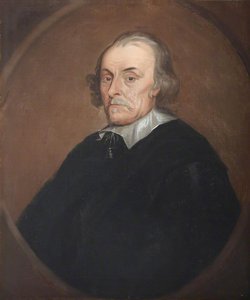
Joseph Reade
 Oil On Canvas
- WallArt
- Rococo Painting
 1749
1749- Early Modern
 76.0 x 64.0 cm
 Metropolitan Museum of Art
 Mehr anzeigen
Handgefertigte Ölreproduktion
Handgemaltes Ölgemälde auf Leinwand in Ihrer Wunschgröße und mit Rahmen, auf Bestellung von unseren Künstlern angefertigt. ( Zum Druck wechseln Zum digitalen Bild wechseln)




P118B $10

P118H $10

P118W $10

P438Z $10

P508JH $12

P508YH $12

P805H $10

P805Z $10

P919BZ $10

P919G $10

P919XJ $10

P959ZH $10

P968JZ $12

W106C $8

W218G $10

W218JH $8

W218Y $10

W307PJ $10

W316G $10

W316PJ $8

W316Y $10

W398PJ $8

W4111J $10

W500HY $15

W500JH $15

W692G $12

W849H $8

W940BG $15

W953PJ $8




Wählen Sie aus unseren vordefinierten Formaten, die den ursprünglichen Proportionen des Kunstwerks entsprechen.

Sie können Ihre eigenen Maße eingeben, um einen bestimmten Rahmen oder Platz auszufüllen. Wenn die gewählte Größe nicht den Proportionen des Originalbildes entspricht, werden wir das Kunstwerk entweder beschneiden oder das Gemälde durch zusätzliche, handgemalte Elemente erweitern. Ein digitales Mockup wird Ihnen zur Genehmigung zugesandt, bevor die Produktion beginnt.
Bitte beachten Sie, dass die Bildschirmvorschau nicht die tatsächliche Beschneidung oder Erweiterung widerspiegelt. Nur das Mockup zeigt die endgültige Komposition exakt an.
Obwohl Sondermaße verfügbar sind, empfehlen wir, eine Größe aus der vordefinierten Liste zu wählen, um die ursprünglichen Proportionen beizubehalten.
Nach der Bestellung wird das OriginalUniqueArt.com-Team dem Kunden Anweisungen per E-Mail zusenden und eine Mockup-Vorschau bereitstellen.
Weltweiter Versand () in nur 3 bis 4 Wochen statt der üblichen 5 Wochen. (26 September). Keine Kompromisse bei der Qualität.

Kostenloser weltweiter Expressversand

Hochwertige Leinenleinwand

Vollständiger Versicherungsschutz beim Versand

Zollgebühren-Rückerstattungsgarantie

Garantie für exakte Farbtreue

100-tägiges Rückgaberecht (nur bei Mängeln)

100% Geld-zurück-Garantie

Angebot für Mengenrabatt
 Die Glasoption ist nur für Größen unter 110 cm verfügbar.

Joseph Reade
Reproduktionsmedium
Format der Reproduktion
-


Gesamtpreis
$ 300
John Wollaston’s Rococo Vision: Capturing Joseph Reade's Dignified Presence
John Wollaston (1742 – 1775) stands as a singular figure in the annals of American art history—a British painter who irrevocably shaped the aesthetic landscape of the burgeoning colonies. While overshadowed by contemporaries like Benjamin West and Gilbert Stuart, Wollaston’s contribution lies not merely in quantity but in introducing the elegance and sophistication of Rococo painting to North America, marking it as one of the first truly European styles to flourish across the Atlantic. This masterful portrait exemplifies Wollaston's pioneering spirit and his ability to elevate artistic expression beyond mere representation, offering a glimpse into the sensibilities of Enlightenment Britain. The painting depicts Joseph Reade, a prominent vestryman and politician from New York City, rendered in exquisite detail against a backdrop of deep crimson velvet—a deliberate choice that speaks volumes about Reade’s social standing and Wollaston's understanding of visual symbolism. The artist skillfully employs the hallmarks of Rococo: diffused lighting, delicate brushstrokes, and opulent drapery to create an atmosphere of refined grandeur. Observe how Wollaston captures Reade’s gaze – direct and unwavering – conveying a sense of confidence and authority that commands attention. This technique is characteristic of Rococo's preoccupation with portraying idealized figures in emotionally resonant poses.- Style: Rococo - Known for its ornate decoration, asymmetrical compositions, and pastel hues.
- Technique: Wollaston utilized oil paint on canvas, applying thin layers of pigment to achieve luminous effects and subtle gradations of color. The meticulous blending of tones contributes significantly to the painting’s ethereal quality.
Biografie des Künstlers
John Wollaston: Pioneer of Rococo in America
John Wollaston (1742 – 1775) stands as a singular figure in the annals of American art history—a British painter who irrevocably shaped the aesthetic landscape of the burgeoning colonies. While overshadowed by contemporaries like Benjamin West and Gilbert Stuart, Wollaston’s contribution lies not merely in quantity but in introducing the elegance and sophistication of Rococo painting to North America, marking it as one of the first truly European styles to flourish across the Atlantic. Little biographical detail survives about Wollaston's formative years. He was born in London, likely the son of a painter—though conflicting accounts regarding his father’s name vary between John Wollaston and John Woolston, bolstered by Horace Walpole’s anecdotes of artistic circles in England during 1765. Walpole suggests Wollaston’s father changed his name to Wollaston, mirroring the broader trend of aristocratic families adopting more prestigious titles. Artistic training records are sparse; Charles Willson Peale, in a letter penned to his son Rembrandt in 1812, mentions Wollaston studied drapery with a London painter—a suggestion that underscores the limited documentation available concerning his artistic education. Nevertheless, stylistic analysis reveals Wollaston’s considerable skill and independence, demonstrating he either acquired further training or honed his distinctive style through self-directed experimentation. His artistic style bears unmistakable resemblance to portraits by Thomas Hudson and Allan Ramsay, artists who championed Rococo principles in Britain. These masters skillfully blended opulent fabrics with delicate brushwork—techniques that Wollaston adopted wholeheartedly, establishing a visual vocabulary characterized by refined textures and luminous color palettes. Some scholars propose Joseph van Aken served as Wollaston's teacher, attributing the drapery depicted in paintings by these and other artists of the period to his influence. This assertion speaks volumes about Wollaston’s identity—he considered himself firmly rooted in English culture rather than embracing American sensibilities, evidenced by the inscription on the back of a portrait of William Smith Jr., which identifies him as “Johannes Wollaston londoniensis.” Wollaston's artistic career gained momentum with his debut commission in 1742: a portrait of George Whitefield, the influential Methodist evangelist. This painting—still residing in the collections of the National Portrait Gallery—became Wollaston’s most celebrated work and was reproduced by John Faber Jr., cementing his reputation as a masterful artist. Further bolstering his portfolio were portraits of unnamed naval officers and other commissions that attest to his growing acclaim within London society. Wollaston's transatlantic voyage commenced in 1749, establishing himself temporarily in New York City—a move that allowed him to cultivate connections with the American artistic community. Among Wollaston’s notable achievements is “Thomas Willis,” completed in 1752. This Baroque masterpiece exemplifies his signature style: rich detail, dramatic lighting, and a contemplative subject rendered with meticulous precision. The painting utilizes opulent fabrics and employs masterful brushwork to convey both grandeur and psychological depth—characteristics that define Wollaston's oeuvre. It stands as a testament to his ability to capture the essence of his subjects while adhering to the stylistic conventions of Rococo art. He skillfully blended light and shadow, creating an atmosphere of solemn beauty that reflects the sitter’s inner life. Furthermore, Wollaston’s influence extended beyond individual portraits; he actively collaborated with other artists, shaping the visual culture of his time. His work served as inspiration for subsequent generations of painters in America and Britain alike—a legacy that continues to resonate within the broader history of European and American art. John Wollaston's contribution solidified Rococo's presence in America and cemented his place as a pivotal figure in establishing artistic traditions across continents.
Johannes Wollaston
1742 - 1775 , England
Eckdaten zum Künstler
- Artistic Movement Or Style: Rokoko Malerei
- Artists Who Influenced This Artist:
- Thomas Hudson
- Allan Ramsay
- Date Of Birth: 1742
- Date Of Death: nach 1775
- Full Name: John Wollaston
- Nationality: Englisch
- Notable Artworks:
- George Whitefield Portrait
- Officer of the British Navy Portrait
- Thomas Willis Portrait
- Place Of Birth: London, Großbritannien
Verwandte Artikel

John Singer Sargent: Die 25 Meisterwerke des Porträts – Kunst für Ihr Zuhause | OriginalUniqueArt
Entdecken Sie die 25 Meisterwerke von John Singer Sargent! Tauchen Sie ein in die Welt der Porträtmalerei, des Impressionismus & der Belle Époque. Hochwertige Kunstdrucke & Reproduktionen für Ihr Zuhause – jetzt auf OriginalUniqueArt.com!

John Constable: Die 25 Meisterwerke des englischen Landschaftsgenies – OriginalUniqueArt
Entdecken Sie die 25 Meisterwerke von John Constable! Erleben Sie englische Landschaftsmalerei vom Hay Wain bis zur Stour Valley. Hochwertige Reproduktionen & Kunst für Ihr Zuhause auf OriginalUniqueArt.com.

Rococo Meisterwerke: Die Top 10, die eine Epoche prägten |
Entdecken Sie die Top 10 Rokoko Meisterwerke von Watteau, Boucher & Fragonard! Erfahren Sie die Geschichten hinter diesen ikonischen Gemälden und lassen Sie sich für Ihre Inneneinrichtung inspirieren. Hochwertige Kunstdrucke auf .

Grant Wood und der amerikanische Regionalismus: Identität, Mythos und die ländliche Landschaft
Entdecken Sie Grant Wood und den amerikanischen Regionalismus! Erfahren Sie mehr über 'American Gothic', Woods Leben, Einflüsse und sein Vermächtnis in der Kunstgeschichte. Expertenwissen & hochwertige Reproduktionen.
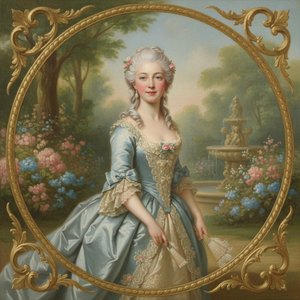
The Elegance of Rococo Portraiture: A Journey Through Grace, Soft Light, and Pastel Dreams
Discover the exquisite world of Rococo portraiture. Explore the delicate beauty of 18th-century French art, from pastel light to graceful asymmetry, and learn how to bring this era of elegance into your home through masterfully hand-painted oil reproductions.