
 Vorschau anzeigen
 Versenden
 Teilen
 Details anzeigen
 Leitfaden

 Herunterladen
 Ähnliche Objekte
 Röntgenaufnahme
 Diashow
 Fragen & Antworten
 Statistiken
Trevi Fountain

- 35.0 x 50.0 cm


 Weiterlesen
Giclée / Kunstdruck
Giclée- oder Leinwanddruck in Museumsqualität mit schneller Produktion und flexiblen Veredelungsoptionen. ( Handgemalte Reproduktion bestellen Zum digitalen Bild wechseln)




P118B €10

P118H €10

P118W €10

P438Z €10

P508JH €12

P508YH €12

P805H €10

P805Z €10

P919BZ €10

P919G €10

P919XJ €10

P959ZH €10

P968JZ €12

W106C €8

W218G €10

W218JH €8

W218Y €10

W307PJ €10

W316G €10

W316PJ €8

W316Y €10

W398PJ €8

W4111J €10

W500HY €15

W500JH €15

W692G €12

W849H €8

W940BG €15

W953PJ €8




Wählen Sie aus unseren vordefinierten Formaten, die den ursprünglichen Proportionen des Kunstwerks entsprechen.

Geben Sie die benötigte Breite und Höhe an, damit der Druck perfekt in Ihren Rahmen oder an Ihre Wand passt. Ein Druck kann nur beschnitten, aber niemals größer als das Originalbild angefertigt werden; daher verliert ein Format mit anderen Proportionen einen Teil des Bildes. Wir senden Ihnen ein digitales Mockup zur Freigabe, bevor wir den Druck ausführen. Das auf dieser Seite gezeigte Bild zeigt nicht den tatsächlichen Beschnitt – dies ist nur im Mockup ersichtlich.
Weltweiter Versand () innerhalb von 2 Wochen statt der üblichen 4/5 Wochen. (3 November)

Kostenloser weltweiter Expressversand

Hochwertige Leinenleinwand

Umfassender Versicherungsschutz beim Versand

Zollgebühren-Rückerstattungsgarantie

Garantie für exakte Farbtreue

100 Tage Rückgaberecht (nur bei Mängeln)

100% Geld-zurück-Garantie

Mengenrabatt verfügbar
 Die Glasoption ist nur für Größen unter 110 cm verfügbar.

Trevi Fountain
Giclée / Kunstdruck
Format der Reproduktion
-


Endpreis
€ 72
A Vision of Roman Grandeur
In this evocative depiction of the Trevi Fountain, we are transported to the heart of Rome during a pivotal moment in the nineteenth century. The painting captures the monumental Baroque masterpiece not merely as a static architectural feat, but as a living, breathing entity. Through John Ruskin’s observant eye, the fountain emerges from its stone surroundings with a sense of profound vitality. The composition is anchored by the majestic presence of Neptune and his companions, their sculpted forms rising triumphantly above the cascading waters. As light dances across the turbulent surfaces of the pools, the viewer is invited to witness the interplay between the permanence of classical sculpture and the fleeting, rhythmic motion of the gushing torrents. This work serves as a window into an era where the grandeur of antiquity met the romantic sensibilities of the Victorian age.
The artist’s technique breathes life into the very elements of water and stone. There is a remarkable fluidity in the way the spray is rendered, creating a sense of mist and movement that seems to drift off the canvas. The inclusion of scattered birds adds a layer of spontaneous naturalism, breaking the formal rigidity of the architecture with traces of life and motion. For the discerning collector or interior designer, this piece offers a sophisticated balance of structural strength and ethereal lightness. The way the light catches the ripples in the water suggests a depth that draws the eye inward, making it an ideal focal point for a room that seeks to evoke elegance, tranquility, and a sense of historical discovery.
Historical Resonance and Emotional Depth
To understand this work is to understand the journey of its creator. Painted during a period of personal reflection and physical frailty, Ruskin’s encounter with the Trevi Fountain was marked by a complex emotional duality. While he famously harbored a preference for the intricate details of Gothic architecture over the sweeping drama of the Baroque, his sketches of Rome reveal an undeniable fascination with the power of the elements. In this painting, one can sense the artist's personal connection to the scene; he describes feeling lost among the mimicked rocks and deep pools, almost as if transported back to the familiar, rugged landscapes of his native Cumberland. This subtle infusion of personal nostalgia into a Roman landscape lends the artwork an intimate, soulful quality that transcends mere architectural documentation.
Beyond its aesthetic beauty, the painting carries a profound symbolic weight. The Trevi Fountain, with its themes of abundance and the mastery of water, represents the eternal cycle of nature and human ingenuity. The presence of Neptune, the god of the sea, serves as a reminder of the untamable forces of the world, even when harnessed within the confines of a city square. For those looking to adorn a space with art that inspires contemplation, this reproduction offers more than just decoration; it provides a narrative of resilience and beauty. It is a piece that invites the viewer to pause, to listen to the imagined roar of the water, and to find a moment of sublime peace amidst the complexities of modern life.
Fragen & Antworten
Welche Technik und welches Entstehungsdatum haben "Trevi Fountain" von John Ruskin?
"Trevi Fountain" entstand im Jahr 1841 in Drawing.
Welche Emotion vermittelt "Trevi Fountain" von John Ruskin?
Die für "Trevi Fountain" von John Ruskin festgelegte emotionale Stimmung ist Dramatic. Sie fasst das Gefühl zusammen, das das Werk ausdrückt.
Ist "Trevi Fountain" von John Ruskin ein helles oder ein dunkles Kunstwerk?
"Trevi Fountain" weist eine Gesamthelligkeit von brilliant auf, und die Luminanz beträgt Gentle Luminance.
Künstlerbiografie
Frühes Leben und Ausbildung
John Ruskin, ein renommierter englischer Universalgelehrter, wurde am 8. Februar 1819 in London, Großbritannien, geboren. Seine Kindheit war geprägt von den gegensätzlichen Einflüssen seines Vaters, John James Ruskin, und seiner Mutter, Margaret Cock. Diese Dualität spiegelte sich später in seinen vielfältigen Interessen und Schreibstilen wider. Ruskins frühe Ausbildung fand zu Hause statt, unter der Anleitung seiner Eltern und Privatlehrer. Später besuchte er das King's College in London, wo er sich auf die Universität Oxford vorbereitete. Dieses akademische Fundament legte den Grundstein für seine zukünftigen Unternehmungen.Künstlerische und Literarische Tätigkeiten
John Ruskins Schreibstile und literarische Formen waren so vielfältig wie seine Interessen. Er verfasste Essays, Abhandlungen, Gedichte, Vorträge, Reiseführer und sogar ein Märchen. Seine detaillierten Skizzen und Gemälde von Gesteinen, Pflanzen, Vögeln, Landschaften und architektonischen Strukturen zeigten sein künstlerisches Können. Ruskins erstes Hauptwerk, *Moderne Maler* (1843), verteidigte die Arbeit von J.M.W. Turner und betonte die Bedeutung der "Wahrheit zur Natur". Dies markierte den Beginn seiner weiten Anerkennung und seines Einflusses auf Kunst und Literatur des 19. Jahrhunderts.Bedeutende Werke und Vermächtnis
- Morgenröte, Coniston (Abbot Hall Art Gallery, Kendal, Großbritannien) – ein Aquarellgemälde, das Ruskins Fähigkeit zeigt, die Schönheit der Natur einzufangen.
- Fors Clavigera (1871-1884) – eine Reihe von Briefen an die Arbeiter und Tagelöhner Großbritanniens, die seine sozialen und politischen Anliegen hervorheben.
Entwicklung und Historische Bedeutung
Ruskin entwickelte seine Ideen im Laufe seines Lebens weiter. Anfangs konzentrierte er sich stark auf die Schönheit der Natur und die Bedeutung der Wahrheit in der Kunst. Später wandte er sich zunehmend sozialen und politischen Fragen zu, wobei er sich für eine gerechtere Gesellschaft einsetzte und die Auswirkungen der Industrialisierung kritisierte. Seine Schriften über Architektur, insbesondere *Die Steine von Venedig*, hatten einen tiefgreifenden Einfluss auf die Denkweise über den Erhalt historischer Gebäude und Stadtlandschaften. Ruskin gilt als einer der wichtigsten Kunstkritiker des 19. Jahrhunderts. Sein Werk trug dazu bei, das Verständnis von Kunstgeschichte zu prägen und neue Wege für die Kunstkritik zu eröffnen.Relevante Links
Schlussfolgerung
John Ruskins Leben war ein Beweis für seine facettenreiche Natur, die sich in seiner Kunst, seinen Schriften und seinen philanthropischen Unternehmungen widerspiegelte. Sein Einfluss auf das viktorianische Zeitalter und darüber hinaus ist unbestreitbar, was ihn zu einem Universalgelehrten von Weltrang macht.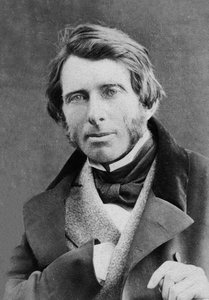
John Ruskin
1819 - 1900 , Vereinigtes Königreich
Kurzinfos
- Bemerkenswerte Werke:
- Morgenröte, Coniston
- Fors Clavigera
- Geburtsdatum: 8. Februar 1819
- Geburtsort (Stadt Und Land): London, Vereinigtes Königreich
- Künstler Oder Bewegungen, Die Von Diesem Künstler Beeinflusst Wurden:
- Präraffaeliten
- Viktorianische Kunstkritik
- Künstler, Die Diesen Künstler Beeinflussten: ['J. M. W. Turner']
- Künstlerische Bewegung Oder Stil: Viktorianisch, Präraffaeliten
- Nationalität: Britisch
- Sterbedatum: 1900
- Vollständiger Name: John Ruskin
Ähnliche Artikel

John Ruskin: Art, Ethics & the Victorian Pursuit of Beauty
Explore the life & work of John Ruskin, Victorian polymath and influential art critic. Discover his aesthetic principles, social critiques, and lasting impact on art, architecture, and our understanding of beauty. Learn about the Pre-Raphaelites & more.

John Singer Sargent: Die 25 Meisterwerke des Porträts – Kunst für Ihr Zuhause | OriginalUniqueArt
Entdecken Sie die 25 Meisterwerke von John Singer Sargent! Tauchen Sie ein in die Welt der Porträtmalerei, des Impressionismus & der Belle Époque. Hochwertige Kunstdrucke & Reproduktionen für Ihr Zuhause – jetzt auf OriginalUniqueArt.com!

Die 25 besten Kunstwerke von John Constable: Meisterwerke der englischen Landschaft
Entdecken Sie die 25 besten Werke von John Constable. Erleben Sie englische Romantik auf OriginalUniqueArt.com. Jetzt Meisterwerke online entdecken!

The Dramatic Flourish: Exploring the Baroque Movement's Enduring Legacy in Art History
Explore the dramatic world of Baroque art! Discover iconic artists like Caravaggio & Rubens, defining techniques, and its lasting impact on art history. Expert insights for collectors & enthusiasts at OriginalUniqueArt.

Barocke Pracht: Wie Sie Opulenz und Emotionen in zeitgenössische Innenräume bringen
Entdecken Sie die Pracht des Barock! Expertenratgeber für luxuriöse Innenräume mit barocken Elementen. Inspiration, Tipps & hochwertige Kunst bei .
