
 Vorschau anzeigen
 Versenden
 Teilen
 Details anzeigen

 Herunterladen
 Ähnliche Objekte
 Röntgenaufnahme
 Diashow
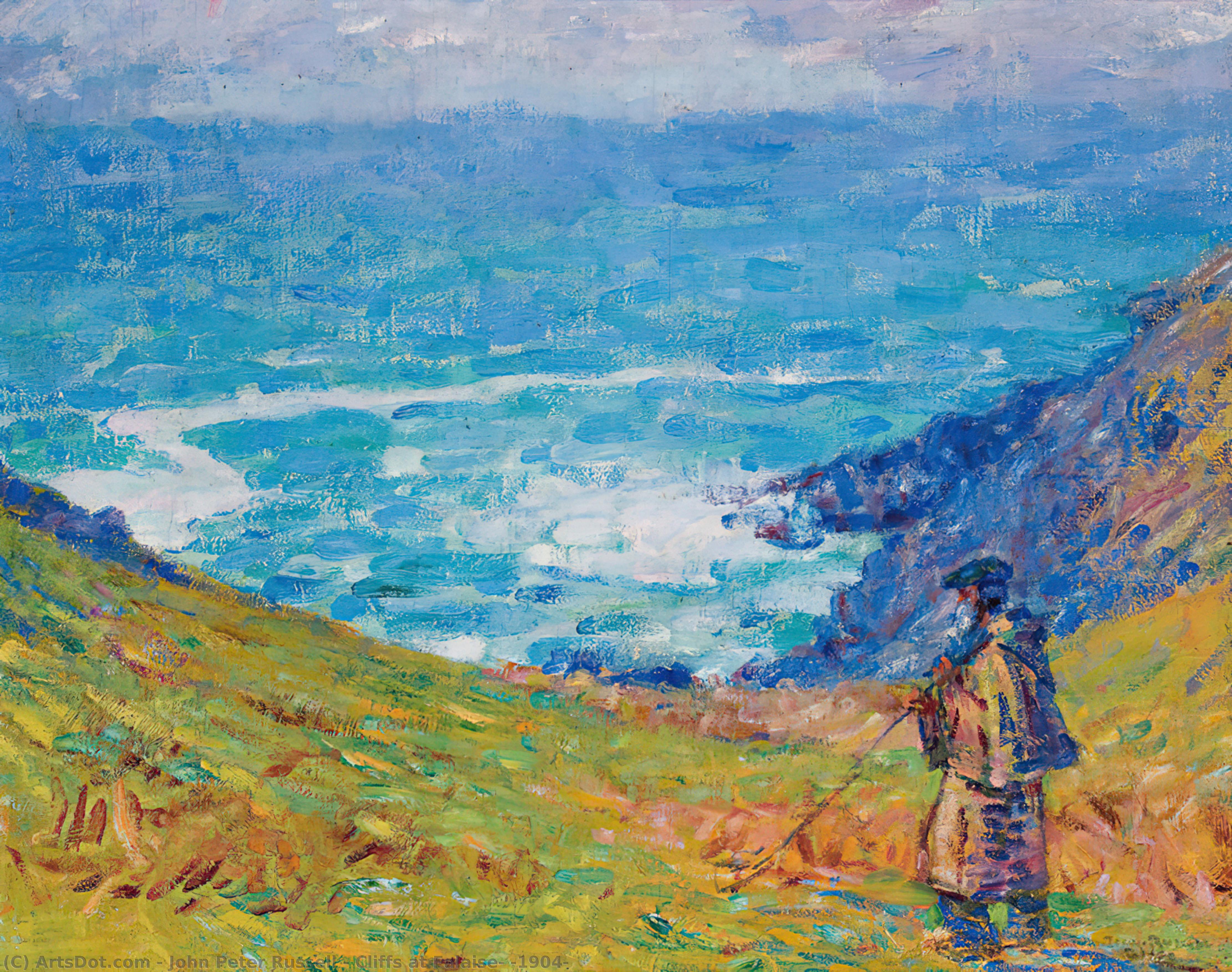
Cliffs at Falaise, (1904)


 Weiterlesen
Giclée / Kunstdruck
Giclée- oder Leinwanddruck in Museumsqualität mit schneller Produktion und flexiblen Veredelungsoptionen. ( Handgemalte Reproduktion bestellen Bild kaufen)




P118B $10

P118H $10

P118W $10

P438Z $10

P508JH $12

P508YH $12

P805H $10

P805Z $10

P919BZ $10

P919G $10

P919XJ $10

P959ZH $10

P968JZ $12

W106C $8

W218G $10

W218JH $8

W218Y $10

W307PJ $10

W316G $10

W316PJ $8

W316Y $10

W398PJ $8

W4111J $10

W500HY $15

W500JH $15

W692G $12

W849H $8

W940BG $15

W953PJ $8




Wählen Sie aus unseren vordefinierten Formaten, die den ursprünglichen Proportionen des Kunstwerks entsprechen.

Sie können Ihre eigenen Maße eingeben, um ein bestimmtes Format oder einen speziellen Platz einzupassen. Wenn das von Ihnen gewählte Format nicht den Proportionen des Originalbildes entspricht, werden wir das Kunstwerk entweder beschneiden oder das Bild mit einem gespiegelten oder einfarbigen Rand erweitern. Ein digitaler Entwurf wird Ihnen zur Genehmigung zugesandt, bevor die Produktion beginnt.
Bitte beachten Sie, dass die Vorschau auf dem Bildschirm nicht den tatsächlichen Zuschnitt oder die Erweiterung widerspiegelt. Nur der Entwurf zeigt die endgültige Komposition präzise an.
Obwohl Sondermaße verfügbar sind, empfehlen wir die Auswahl eines Maßes aus der vordefinierten Liste, um die ursprünglichen Proportionen zu bewahren.
Weltweiter Versand () innerhalb von 2 Wochen statt der üblichen 4/5 Wochen. (21 August)

Kostenloser weltweiter Expressversand

Hochwertige Leinenleinwand

Umfassender Versicherungsschutz beim Versand

Zollgebühren-Rückerstattungsgarantie

Garantie für exakte Farbtreue

60 Tage Rückgaberecht (nur bei Mängeln)

100% Geld-zurück-Garantie

Mengenrabatt verfügbar
 Die Glasoption ist nur für Größen unter 110 cm verfügbar.

Cliffs at Falaise, (1904)
Giclée / Kunstdruck
Format der Reproduktion
-


Gesamtpreis
$ 80
Sammlerstück-Beschreibung
A Solitary Encounter with the Infinite
In the evocative landscape of Cliffs at Falaise, painted in 1904, we are invited to witness a moment of profound stillness amidst the restless energy of nature. The composition centers on a solitary figure perched upon a rugged, grassy precipice, gazing out over an expansive seascape that seems to stretch into eternity. This is not merely a depiction of a coastline; it is a meditation on the relationship between the human spirit and the vast, untamable elements of the earth. Through a masterful use of diagonal lines, John Peter Russell directs our gaze from the textured, warm-toned foreground—rich with ochre, amber, and burnt sienna grasses—down toward the churning whitecaps of the Atlantic. The cliff face acts as a dramatic threshold, separating the terrestrial world of the viewer from the ethereal, misty horizon where the sea meets the sky.
The emotional resonance of the piece lies in its ability to evoke a sense of sublime solitude. There is a gentle melancholy present in the diffused, overcast light, suggesting a day where the atmosphere is heavy with salt spray and quiet contemplation. For the collector or interior designer, this painting offers a window into a world of peaceful introspection. It possesses a unique ability to anchor a room, providing a focal point that encourages slow looking and deep thought. The interplay between the stability of the earth and the fluid motion of the waves creates a rhythmic tension that is both calming and intellectually stimulating, making it an ideal centerpiece for spaces dedicated to relaxation or creative inspiration.
The Impressionist Touch: Texture and Light
Technically, Cliffs at Falaise stands as a testament to Russell’s mastery of the Impressionist vocabulary. Eschewing the rigid lines of academic realism, the artist employs a vigorous, impasto technique that lends the canvas a sculptural quality. Each brushstroke is visible and purposeful, building up layers of oil paint to mimic the tactile reality of wind-sweed vegetation and the frothing crests of breaking waves. This heavy application of paint allows light to play across the surface of the work, creating actual shadows within the texture of the pigment itself. The color palette is a sophisticated study in contrast; the warm, earthy tones of the foreground provide a necessary counterpoint to the cool, swirling blues and brilliant whites of the ocean.
Russell’s approach to light is particularly noteworthy. Rather than capturing a single, frozen moment of sunlight, he captures the atmosphere of the scene. The lighting feels soft and pervasive, characteristic of an overcast maritime climate, which helps to flatten the perspective in a way that is quintessentially modern. This atmospheric perspective—where colors become progressively lighter and less saturated as they recede toward the horizon—creates a breathtaking sense of depth without relying on traditional vanishing points. For those seeking a high-quality reproduction, this emphasis on texture and light ensures that the painting retains its luminous, breathing quality, bringing the raw energy of the French coast into any contemporary setting.
A Legacy of Connection
To understand the soul of this work, one must consider the artist’s place within the broader tapestry of art history. John Peter Russell, often referred to as Australia’s Lost Impressionist, occupied a unique position at the crossroads of international movements. Having studied in London and lived in the vibrant heart of Paris, his work carries the DNA of the great Impressionist masters while maintaining a distinct, rugged individuality. This painting reflects that transatlantic exchange—the technical rigor of his formal training blended with the experimental freedom of the French avant-garde.
When choosing a reproduction of such a significant piece, one is not just selecting a decoration, but investing in a fragment of art history. Cliffs at Falaise serves as a bridge between the physical world and the emotional landscape, offering a timeless beauty that transcends its era. It remains a powerful symbol of the human desire to find meaning within the vastness of the natural world, making it an enduring choice for those who appreciate art that speaks to both the eye and the soul.
Über den Künstler
John Peter Russell: Der vergessene australische Impressionist
Frühes Leben und Ausbildung
- Geboren: Sydney, Australien (16. Juni 1858)
- Gestorben: Randwick, Sydney, Australien (30. April 1930)
- Familienhintergrund: Sohn von John Russell (Ingenieur) und Charlotte Elizabeth Nicholl. Neffe von Sir Peter Nical Russell.
- Frühe Ausbildung: Goulburn School.
- Umzug nach Europa: Im Alter von achtzehn Jahren zog er zunächst für eine Ingenieurlehre nach England, wandte sich aber bald der Kunst zu.
- Slade School of Fine Art (London): Studierte von 1881 bis 1883 unter Alphonse Legros.
- Pariser Studien: Vertiefte seine künstlerische Ausbildung in Paris und studierte Malerei unter Fernand Cormon.
Künstlerische Entwicklung und Einflüsse
- Freundschaft mit Vincent van Gogh: Eine enge Freundschaft entwickelte sich während ihrer gemeinsamen Zeit in Paris, was zu Russells ikonischem Porträt von Van Gogh (1886) führte.
- Einfluss von Claude Monet: Verbrachte viel Zeit damit, an der Seite Monets auf Belle Île zu malen und dabei impressionistische Techniken und Farbpaletten zu erlernen.
- Verbindung mit Henri Matisse: Russells Einfluss auf Matisse ist gut dokumentiert; Matisse würdigte Russell dafür, dass dieser ihn während eines Besuchs auf Belle Île in den 1890er Jahren dem Impressionismus und der Farblehre näherbrachte.
- Impressionistischer Stil: Anfangs folgte Russell eng dem reinen französischen impressionistischen Stil, der durch lockere Pinselstriche und einen Schwerpunkt auf Licht und Farbe gekennzeichnet war.
- Belle Île als Inspiration: Die Insel Belle Île wurde zu einer zentralen Inspirationsquelle für seine Arbeit und findet sich in vielen seiner Gemälde wieder.
Hauptwerke und künstlerischer Stil
- Porträt von Vincent van Gogh (1886): Gilt als eine der wichtigsten Darstellungen von Van Gogh durch einen zeitgenössischen Künstler.
- Meeresansichten von Belle Île: Russell war bekannt für seine lebendigen Meeresansichten, die die wilde Schönheit und das wechselnde Licht der Atlantikküste einfingen.
- Madame Sisley am Ufer der Loing in Moret (1887): Demonstriert seine Beherrschung impressionistischer Techniken, beeinflusst von Alfred Sisley.
- Mon Ami 'Polite' (ca. 1900): Ein Porträt eines lokalen Fischers von Belle Île, das seine Fähigkeit zeigt, Charakter und Atmosphäre einzufangen.
- Les aiguilles de Coton, Belle-Île (1897): Ein Aquarell, das die markanten Felsformationen in der Nähe seines Hauses auf Belle Île darstellt.
- Stil: Gekennzeichnet durch eine lebendige Verwendung von Farbe, lockere Pinselstriche und eine optimistische Darstellung von Landschaften und Figuren.
Späteres Leben, Wiederentdeckung und Vermächtnis
- Vernichtung von Werken: Nach dem Tod seiner Frau Marianna im Jahr 1907 zerstörte Russell etwa 400 seiner Gemälde, ein bedeutender Verlust für die Kunstgeschichte.
- Rückkehr nach Australien: Kehrte in alter Jahren nach Sydney zurück und führte dort ein relativ ruhiges Leben.
- Posthume Anerkennung: Seine Nichte Thea Proctor spielte eine entscheidende Rolle bei der Förderung von Russells Werk nach seinem Tod.
- Wiederentdeckung als "Australiens vergessener Impressionist": Gegen Ende des 20. Jahrhunderts halfen Biografien und Ausstellungen, seinen Ruf als bedeutender Künstler wiederherzustellen.
- Aktueller Status: Seine Werke befinden sich heute in wichtigen Galerien sowohl in Australien als auch in Europa (Musée d'Orsay, Musée Rodin).
- Historische Bedeutung: Russells Geschichte unterstreicht die oft übersehenen Beiträge australischer Künstler zur europäischen Avantgarde-Bewegung. Er dient als Brücke zwischen australischem und französischem Impressionismus.

John Peter Russell
1858 - 1930 , Australien
Kurzinfos
- Beeinflusste Künstler: ['Claude Monet']
- Bemerkenswerte Werke:
- Porträt von Vincent van Gogh
- Madame Sisley am Loing
- Mon Ami 'Polite'
- Les aiguilles de Coton, Belle-Île
- Geburtsdatum: 16. Juni 1858
- Geburtsort: Sydney, Australien
- Künstlerische Richtung: Impressionismus
- Nationalität: Australier
- Sterbedatum: 30. April 1930
- Vollständiger Name: John Peter Russell
- Von Künstlern Beeinflusst: ['Henri Matisse']
Ähnliche Artikel

John Constable: Die 25 Meisterwerke des englischen Landschaftsgenies – OriginalUniqueArt
Entdecken Sie die 25 Meisterwerke von John Constable! Erleben Sie englische Landschaftsmalerei vom Hay Wain bis zur Stour Valley. Hochwertige Reproduktionen & Kunst für Ihr Zuhause auf OriginalUniqueArt.com.

John Singer Sargent: Die 25 Meisterwerke des Porträts – Kunst für Ihr Zuhause | OriginalUniqueArt
Entdecken Sie die 25 Meisterwerke von John Singer Sargent! Tauchen Sie ein in die Welt der Porträtmalerei, des Impressionismus & der Belle Époque. Hochwertige Kunstdrucke & Reproduktionen für Ihr Zuhause – jetzt auf OriginalUniqueArt.com!
Die schönsten Landschaftsbilder: 10 Meisterwerke für Ihr Zuhause | OriginalUniqueArt.com
Entdecken Sie die 10 schönsten Landschaftsbilder der Kunstgeschichte! Von Monet bis Van Gogh – erfahren Sie die Geschichten hinter Meisterwerken & finden Sie Inspiration für Ihr Zuhause. Hochwertige Kunstdrucke auf OriginalUniqueArt.com.

Impressionistische Landschaften: Die 10 Meisterwerke, die eine Epoche prägten | OriginalUniqueArt
Entdecken Sie die 10 Meisterwerke des Impressionismus! Von Monet bis Renoir – erleben Sie die Geschichte, Technik und zeitlose Schönheit ikonischer Landschaftsbilder. Hochwertige Kunstdrucke auf OriginalUniqueArt.com. Jetzt entdecken!

Romantische Landschaften: Die 10 Meisterwerke, die eine Epoche prägten | OriginalUniqueArt
Entdecken Sie die 10 Meisterwerke der Romantischen Landschaftsmalerei! Von Caspar David Friedrich bis Turner – erleben Sie die Kunst, Emotion & Natur. Hochwertige Reproduktionen auf OriginalUniqueArt.com


