

 In echtem Maßstab anzeigen
 Versenden als Grußkarte
 Teilen
 Details anzeigen
 Leitfaden öffnen

 Herunterladen
 Ähnliche Objekte
 Röntgenaufnahme
 Diashow
 Besucherstatistiken
Hilltop


 Mehr anzeigen
Handgefertigte Ölreproduktion
Handgemaltes Ölgemälde auf Leinwand in Ihrer Wunschgröße und mit Rahmen, auf Bestellung von unseren Künstlern angefertigt. ( Zum Druck wechseln Zum digitalen Bild wechseln)




P118B €10

P118H €10

P118W €10

P438Z €10

P508JH €12

P508YH €12

P805H €10

P805Z €10

P919BZ €10

P919G €10

P919XJ €10

P959ZH €10

P968JZ €12

W106C €8

W218G €10

W218JH €8

W218Y €10

W307PJ €10

W316G €10

W316PJ €8

W316Y €10

W398PJ €8

W4111J €10

W500HY €15

W500JH €15

W692G €12

W849H €8

W940BG €15

W953PJ €8




Wählen Sie aus unseren vordefinierten Formaten, die den ursprünglichen Proportionen des Kunstwerks entsprechen.

Geben Sie die Breite und die Höhe an, die Sie für Ihren Rahmen oder Ihre Wand benötigen. Da dieses Werk handgemalt ist, kann der Künstler bei einer anderen Form etwas mehr um das Bild herum malen oder etwas abschneiden – Sie entscheiden. Wir senden Ihnen ein digitales Mockup zur Freigabe, bevor mit dem Malen begonnen wird. Das auf dieser Seite gezeigte Bild stellt nicht das tatsächliche Ergebnis dar – dies tut nur das Mockup.
Nach der Bestellung wird das OriginalUniqueArt.com-Team dem Kunden Anweisungen per E-Mail zusenden und eine Mockup-Vorschau bereitstellen.
Weltweiter Versand () in nur 3 bis 4 Wochen statt der üblichen 5 Wochen. (23 Oktober). Keine Kompromisse bei der Qualität.

Kostenloser weltweiter Expressversand

Hochwertige Leinenleinwand

Vollständiger Versicherungsschutz beim Versand

Zollgebühren-Rückerstattungsgarantie

Garantie für exakte Farbtreue

100-tägiges Rückgaberecht (nur bei Mängeln)

100% Geld-zurück-Garantie

Angebot für Mengenrabatt
 Die Glasoption ist nur für Größen unter 110 cm verfügbar.

Hilltop
Reproduktionsmedium
Format der Reproduktion
-


Gesamtpreis
€ 264
The Essence of a Moment – John La Farge’s Hilltop
John La Farge's “Hilltop,” painted in 1862, isn’t merely a depiction of a woodland scene; it’s a carefully constructed evocation of the American spirit—a blend of Romantic idealism and burgeoning realism. The painting captures a fleeting moment within a verdant landscape, centered around two figures standing beneath a canopy of trees. The composition immediately draws the eye to this intimate tableau, suggesting a shared experience of quiet contemplation amidst nature’s grandeur. La Farge masterfully employs light and shadow to create a sense of depth and atmosphere, imbuing the scene with a palpable warmth that belies the cool tones of the palette.

Image: John La Farge, portrait by an unknown artist
A Symphony of Color and Technique
La Farge’s distinctive approach to color is immediately apparent in “Hilltop.” He eschews the stark realism favored by some contemporary artists, instead opting for a rich, luminous palette—a hallmark of his style. The greens are not uniform; they range from deep forest hues to lighter, almost ethereal shades, suggesting varying depths and textures within the foliage. The figures themselves are rendered with subtle gradations of tone, conveying a sense of volume and form without resorting to sharp outlines. La Farge’s technique is characterized by loose brushstrokes and a delicate layering of paint—a method that contributes significantly to the painting's atmospheric quality. He was particularly known for his innovative use of glass in stained-glass windows, which informed his approach to color mixing and light manipulation.
Historical Context: Japonisme and American Pastoral
“Hilltop” is deeply rooted in the artistic currents of its time—particularly the influence of Japanese art, or “Japonisme,” which was sweeping through Europe and America during the mid-19th century. La Farge’s fascination with Japan led him to incorporate elements of Japanese composition and color theory into his work. The flattened perspective, simplified forms, and emphasis on decorative patterns—all characteristic of Japanese prints—are subtly reflected in “Hilltop.” Simultaneously, the painting embodies a romanticized vision of American pastoral life—a nostalgic yearning for an idealized past rooted in rural simplicity and connection to nature. This theme resonated strongly with artists seeking to define a distinctly American artistic identity.
Symbolism and Emotional Resonance
Beyond its aesthetic qualities, “Hilltop” is rich in symbolic meaning. The two figures, seemingly engaged in conversation, represent the potential for human connection and shared experience within the natural world. Their placement beneath the trees suggests a sense of humility and reverence—a recognition of nature’s power and beauty. The dappled sunlight filtering through the foliage creates an atmosphere of tranquility and serenity, inviting the viewer to step into the scene and share in this moment of quiet contemplation. La Farge's work evokes a feeling of peacefulness and nostalgia, reminding us of the enduring appeal of simple pleasures and the restorative power of nature.
Collecting “Hilltop” – A Legacy of American Art
Reproductions of John La Farge’s “Hilltop” offer a beautiful way to bring this evocative painting into your home or office. Whether you choose a fine art print on canvas, archival paper, or a meticulously crafted hand-painted reproduction, you'll be acquiring a piece of American art history—a testament to La Farge’s artistic vision and his profound understanding of color, composition, and the human spirit. Consider framing your chosen reproduction in a style that complements its timeless appeal, allowing this captivating scene to continue inspiring for generations to come.
Fragen & Antworten
Welche Platzierung passt zum Format von "Hilltop" von John La Farge?
Format (Tall) und der empfohlene Raum (Living Room) sind die zwei festgehaltenen Platzierungsdetails für "Hilltop" von John La Farge.
Ist "Hilltop" von John La Farge ein Gemälde, eine Zeichnung oder ein Druck?
"Hilltop" ist ein Werk der Art WallArt.
Was ist das Entstehungsdatum von "Hilltop" von John La Farge?
"Hilltop" stammt aus dem Jahr 1862. Dieses Datum ordnet das Werk in die Schaffensperiode von John La Farge sowie in dessen Epoche ein.
Biografie des Künstlers
Frühes Leben und Ausbildung
John La Farge, ein renommierter amerikanischer Maler, Wandmaler, Herstellungsdesigner von Buntglasfenstern, Dekorateur und Schriftsteller, wurde am 31. März 1835 in New York City für wohlhabende französische Eltern geboren. Bilingual aufgewachsen, begann La Farges Interesse an der Kunst während seines Studiums an der Mount St. Mary's University in Maryland und am St. John's College (heute Fordham University) in New York.Künstlerische Karriere
La Farges früheste Zeichnungen und Landschaftsbilder aus seinen Studien in Newport zeigten eine bemerkenswerte Originalität, insbesondere bei der Behandlung von Farbnuancen. Viele seiner mythologischen und religiösen Gemälde, darunter „Virgil“, wurden in einem Gebiet von Rhode Island geschaffen, das als „The Sacred Grove“ (Der Heilige Hain) bekannt ist, einem Wald, den La Farge nach Virgil benannte.- Bemerkenswerte Werke:
- The Sacred Grove (Rhode Island)
- Trinity Church, Boston (1873) – La Farges erstes Wandgemälde
- Church of the Ascension (New York) – mit einem großen Altarbild
Innovationen und Vermächtnis
La Farge war ein Pionier bei der Erforschung japanischer Kunst, was sich in seiner Arbeit widerspiegelt. Er unterhielt ein Atelier an der 51 West 10th Street im Greenwich Village, das heute Teil des Standorts des Eugene Lang Colleges an der New School University ist.- Wichtige Beiträge:
- Einführung von Opaleszenzglas in Buntglasfenstern
- Bahnbrechende Arbeit beim Wandmalen für öffentliche Gebäude und Kirchen
- Umfangreiche Reisen nach Asien und im Südpazifik, die seine Malerei inspirierten
Späteres Leben und Tod
La Farge starb am 14. November 1910 im Butler Hospital in Providence, Rhode Island. Seine Beisetzung erfolgte auf dem Green-Wood Cemetery in Brooklyn, New York.- Relevante Ressourcen:
Schlussfolgerung
La Farges innovative Ansätze in der Kunst, insbesondere bei Buntglasfenstern und Wandmalereien, haben einen bleibenden Eindruck in der amerikanischen Kunst hinterlassen. Seine Arbeit inspiriert weiterhin Künstler und Kunstliebhaber gleichermaßen und macht ihn zu einer entscheidenden Figur in der Geschichte der amerikanischen Kunst. The Sacred Grove, Trinity Church, Boston und Church of the Ascension sind nur einige Beispiele für La Farges bemerkenswerte Werke, die seine Meisterschaft in Farbe und Komposition demonstrieren. Als Künstler, Schriftsteller und Dekorateur zeugt John La Farges Vermächtnis von seiner grenzenlosen Kreativität.
John La Farge
1835 - 1910 , Vereinigte Staaten von Amerika
Eckdaten zum Künstler
- Bemerkenswerte Werke:
- The Sacred Grove
- Trinity Church, Boston
- Church of the Ascension
- Einflüsse:
- Japanische Kunst
- Hudson River School
- Geburtsdatum: 31. März 1835
- Geburtsort: New York City, USA
- Künstlerische Richtung: Symbolismus, Arts and Crafts
- Nationalität: Amerikanisch
- Sterbedatum: 14. November 1910
- Vollständiger Name: John La Farge
Verwandte Artikel
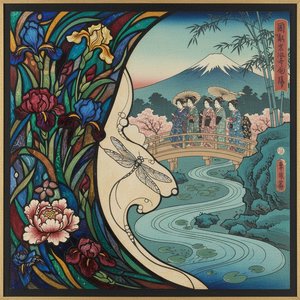
John La Farge: Pionier des amerikanischen Kolorismus und der Einfluss des Japonismus
Entdecken Sie John La Farge, einen Pionier des amerikanischen Kolorismus und seine faszinierende Verbindung zum Japonismus. Erfahren Sie mehr über seine innovativen Glasmalereitechniken und seinen Einfluss auf die Arts and Crafts Bewegung.

John Constable: Die 25 Meisterwerke des englischen Landschaftsgenies – OriginalUniqueArt
Entdecken Sie die 25 Meisterwerke von John Constable! Erleben Sie englische Landschaftsmalerei vom Hay Wain bis zur Stour Valley. Hochwertige Reproduktionen & Kunst für Ihr Zuhause auf OriginalUniqueArt.com.

Die Top 10 berühmter Gemälde im Reich der dunklen Töne |
Entdecken Sie die Top 10 berühmter Gemälde, beherrscht von dunklen Tönen! Von Caravaggio bis Manet – erfahren Sie die Geschichten hinter Meisterwerken der Kunstgeschichte. Finden Sie Ihre perfekte Reproduktion auf .

John Singer Sargent: Die 25 Meisterwerke des Porträts – Kunst für Ihr Zuhause | OriginalUniqueArt
Entdecken Sie die 25 Meisterwerke von John Singer Sargent! Tauchen Sie ein in die Welt der Porträtmalerei, des Impressionismus & der Belle Époque. Hochwertige Kunstdrucke & Reproduktionen für Ihr Zuhause – jetzt auf OriginalUniqueArt.com!

Romantische Landschaften: Die 10 Meisterwerke, die eine Epoche prägten | OriginalUniqueArt
Entdecken Sie die 10 Meisterwerke der Romantischen Landschaftsmalerei! Von Caspar David Friedrich bis Turner – erleben Sie die Kunst, Emotion & Natur. Hochwertige Reproduktionen auf OriginalUniqueArt.com


