

 Vorschau anzeigen
 Versenden
 Teilen
 Details anzeigen

 Herunterladen
 Ähnliche Objekte
 Röntgenaufnahme
 Diashow
Richard Humphreys, the Boxer
 Acrylic On Canvas
- WallArt
- Neoclassical Portraiture
 142.0 x 112.0 cm
 Metropolitan Museum of Art
 Weiterlesen
Handgefertigte Ölreproduktion
Handgemaltes Ölgemälde auf Leinwand in Ihrer Wunschgröße und mit Rahmen, auf Bestellung von unseren Künstlern angefertigt. ( Druck bestellen Bild kaufen)




P118B $10

P118H $10

P118W $10

P438Z $10

P508JH $12

P508YH $12

P805H $10

P805Z $10

P919BZ $10

P919G $10

P919XJ $10

P959ZH $10

P968JZ $12

W106C $8

W218G $10

W218JH $8

W218Y $10

W307PJ $10

W316G $10

W316PJ $8

W316Y $10

W398PJ $8

W4111J $10

W500HY $15

W500JH $15

W692G $12

W849H $8

W940BG $15

W953PJ $8




Wählen Sie aus unseren vordefinierten Formaten, die den ursprünglichen Proportionen des Kunstwerks entsprechen.

Sie können Ihre eigenen Maße eingeben, um einen bestimmten Rahmen oder Platz auszufüllen. Wenn die gewählte Größe nicht den Proportionen des Originalbildes entspricht, werden wir das Kunstwerk entweder beschneiden oder das Gemälde durch zusätzliche, handgemalte Elemente erweitern. Ein digitales Mockup wird Ihnen zur Genehmigung zugesandt, bevor die Produktion beginnt.
Bitte beachten Sie, dass die Bildschirmvorschau nicht die tatsächliche Beschneidung oder Erweiterung widerspiegelt. Nur das Mockup zeigt die endgültige Komposition exakt an.
Obwohl Sondermaße verfügbar sind, empfehlen wir, eine Größe aus der vordefinierten Liste zu wählen, um die ursprünglichen Proportionen beizubehalten.
Nach der Bestellung wird das OriginalUniqueArt.com-Team dem Kunden Anweisungen per E-Mail zusenden und eine Mockup-Vorschau bereitstellen.
Weltweiter Versand () in nur 3 bis 4 Wochen statt der üblichen 5 Wochen. (26 August). Keine Kompromisse bei der Qualität.

Kostenloser weltweiter Expressversand

Hochwertige Leinenleinwand

Umfassender Versicherungsschutz beim Versand

Zollgebühren-Rückerstattungsgarantie

Garantie für exakte Farbtreue

60 Tage Rückgaberecht (nur bei Mängeln)

100% Geld-zurück-Garantie

Mengenrabatt verfügbar
 Die Glasoption ist nur für Größen unter 110 cm verfügbar.

Richard Humphreys, the Boxer
Art der Reproduktion
Format der Reproduktion
-


Gesamtpreis
$ 300
Beschreibung des Kunstwerks
A Moment Frozen in Time: John Hoppner’s “Richard Humphreys, the Boxer”
John Hoppner's "Richard Humphreys, the Boxer," painted circa 1785, isn’t merely a depiction of a sporting contest; it’s a carefully constructed tableau brimming with Victorian fascination for both spectacle and the human form. The painting captures a pivotal moment – not necessarily a victory, but a poised readiness – within the brutal world of bare-knuckle boxing, a pastime that held a strange allure for artists and audiences alike during the late eighteenth century. Hoppner masterfully blends the physicality of combat with an almost sculptural elegance, elevating the scene beyond simple documentation to become a study in tension, power, and vulnerability.
The subject himself, Richard Humphreys, is presented as a young man, radiating a controlled intensity. His stance, honed by years of training, is both defensive and threatening; his arms extended, fists clenched, he embodies the coiled energy of a predator. The detail in his attire – the meticulously rendered breeches, silk stockings, and polished pumps – speaks to the status afforded to boxers at this time, suggesting they were not simply rough men but performers worthy of admiration. Hoppner’s use of light is particularly striking; it highlights Humphreys' musculature, emphasizing the strength beneath the surface while simultaneously casting shadows that hint at the potential for violence.
The Victorian Obsession with Combat and the Body
Hoppner’s painting exists within a broader cultural context. Bare-knuckle boxing was immensely popular in England during this period, offering a thrilling spectacle that combined elements of sport, theatre, and even ritualistic combat. The public flocked to these matches, drawn by the raw energy and the perceived drama of witnessing human strength pitted against human strength. Artists like Hoppner were captivated by the physicality of the boxers – their powerful bodies, their expressive faces, and the inherent beauty in their struggle. This fascination extended beyond mere representation; it reflected a Victorian interest in exploring themes of masculinity, power, and the darker aspects of human nature.
Furthermore, the painting’s circulation through printed reproductions—a relatively new medium at the time—amplified its impact. The image was disseminated widely, transforming the boxing match into a public spectacle accessible to those who couldn't attend in person. This mass reproduction contributed to the growing fascination with the subject and cemented Hoppner’s reputation as a skilled portraitist capable of capturing both the drama and the aesthetic qualities of this unusual subject matter.
Technique and Artistic Style
Hoppner’s technical skill is evident in every brushstroke. He employs a loose, expressive style reminiscent of Reynolds, utilizing broad washes of color and dynamic compositions to convey movement and emotion. The painting's palette is rich and vibrant, dominated by earthy tones – browns, ochres, and reds – which ground the scene while simultaneously highlighting the textures of the boxer’s clothing and skin. Noticeably, Hoppner avoids overly detailed rendering; instead, he focuses on capturing the essence of the moment, prioritizing atmosphere and psychological impact over photographic accuracy.
The background, a simple depiction of a tree, serves not as a distraction but as a subtle framing device, drawing attention to the central figure. The use of atmospheric perspective – softening distant elements – further enhances the sense of depth and immediacy. Hoppner’s ability to create such a compelling image with relatively few details speaks volumes about his artistic mastery.
Symbolism and Emotional Resonance
"Richard Humphreys, the Boxer" transcends its subject matter to offer a poignant meditation on human potential and the precarious nature of triumph. The boxer's poised stance suggests not just readiness for battle but also a moment of intense self-awareness – a recognition of his own strength and vulnerability. The painting’s ambiguity—we don’t know if he has won or lost—adds to its emotional resonance, inviting viewers to contemplate the complexities of competition and the human condition.
Ultimately, Hoppner's work is more than just a sporting portrait; it’s a captivating glimpse into a bygone era, a testament to the enduring appeal of spectacle and the power of art to capture fleeting moments of intense emotion. Reproductions of this iconic painting continue to resonate with audiences today, offering a window into the Victorian fascination with combat, beauty, and the human spirit.
Über den Künstler
Ein Leben voller Kunstfertigkeit und königlicher Förderung
John Hoppner, ein bedeutender englischer Porträtmaler, hat mit seiner lebendigen Farbpalette einen bleibenden Eindruck in der Kunstwelt hinterlassen. Geboren 1758 im Whitechapel, London, aus deutsch-jüdischen Eltern, war Hoppners Leben von königlicher Förderung und künstlerischem Genie geprägt.Frühes Leben und Ausbildung
- In jungen Jahren wurde Hoppner als Chorist an der Royal Chapel tätig, doch seine Neigung zur Kunst führte ihn 1775 in die Royal Academy.
- 1778 erhielt er eine Silbermedaille für das Zeichnen nach dem Leben und 1782 die Goldmedaille für historische Malerei mit seinem Werk über König Lears Wahnsinn.
Künstlerischer Aufstieg und bedeutende Werke
John Hoppner's Porträts von Frauen und Kindern galten als seine erfolgreichsten Arbeiten, wie kompetente Kritiker feststellten. Sein Stil, der durch Breite und Freiheit gekennzeichnet war, verlieh seinen Gemälden einen Hauch des Charmes von Reynolds. Zu den bemerkenswertesten Werken gehören:- Mrs. Jordan als Viola in „Zwölfte Nacht“, jetzt im Besitz von English Heritage (London, Großbritannien), das seine Meisterschaft im Porträtmalerei demonstriert.
- Seine Porträts des Prinzen von Wales, des Herzogs und der Herzogin von York, Lord Rodney und Lord Nelson, die in den Staatsapartments im St. James's Palace hingen, zeugen von seinen hohen gesellschaftlichen Verbindungen.
Entwicklung, Einflüsse und künstlerische Bedeutung
John Hoppner entwickelte seinen Stil unter dem Einfluss der Porträtmaler des 18. Jahrhunderts, insbesondere Joshua Reynolds. Er übernahm dessen lockere Pinselführung und die Betonung von Farbe, während er gleichzeitig einen eigenen, lebendigeren Farbton beibehielt. Seine Fähigkeit, die Persönlichkeit seiner Modelle einzufangen, machte ihn zu einem gefragten Porträtisten des englischen Adels und der aufstrebenden bürgerlichen Gesellschaft. Hoppners Bedeutung liegt in seinem Beitrag zur Entwicklung des englischen Porträts im Übergang vom Rokoko zum frühen Empire-Stil.Späteres Leben und Vermächtnis
John Hoppner litt unter einer chronischen Lebererkrankung. Er starb am 23. Januar 1810. Trotzdem lebt sein Vermächtnis durch seine lebendigen Porträts weiter, die Kunstliebhaber weiterhin in ihren Bann ziehen.- Erkunden Sie weitere Werke von John Hoppner unter https://OriginalUniqueArt.com/@/johnhoppner.
- Entdecken Sie den breiteren Kontext der britischen Kunst auf https://en.wikipedia.org/wiki/art_of_the_united_kingdom.
Weitere Lektüre und Erkundungen
Für einen tieferen Einblick in die Welt der britischen Kunst sollten Sie Folgendes berücksichtigen:- Entdeckung der Kunstwerke von Dyrham Park, Großbritannien
- Sir Edwin Landseer Lutyens, ein englischer Architekt, der für seine einfallsreichen Anpassungen bekannt ist.

John Hoppner
1758 - 1810 , Vereinigtes Königreich
Kurzinfos
- Beeinflusste Künstler:
- Thomas Gainsborough
- Joshua Reynolds
- Bemerkenswerte Werke:
- Mrs. Jordan als Viola
- Porträts der königlichen Familie
- Geburtsdatum: 1758
- Geburtsort: Whitechapel, Vereinigtes Königreich
- Künstlerische Richtung: Porträtmalerei
- Nationalität: Britisch
- Sterbedatum: 1810
- Vollständiger Name: John Hoppner
Ähnliche Artikel
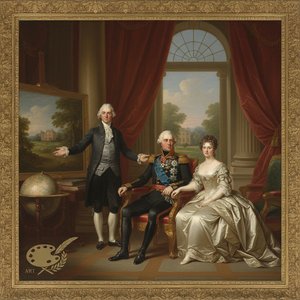
John Hoppner: Porträtmalerei, Mäzenatentum und die Inszenierung britischer Identität im späten Georgischen Zeitalter
Entdecken Sie das Werk von John Hoppner, einem Meister der britischen Porträtmalerei des späten Georgischen Zeitalters. Erfahren Sie mehr über seine Technik, sein Mäzenatentum und die Inszenierung gesellschaftlicher Identität. Exklusive Reproduktionen bei OriginalUniqueArt.

John Constable: Die 25 Meisterwerke des englischen Landschaftsgenies – OriginalUniqueArt
Entdecken Sie die 25 Meisterwerke von John Constable! Erleben Sie englische Landschaftsmalerei vom Hay Wain bis zur Stour Valley. Hochwertige Reproduktionen & Kunst für Ihr Zuhause auf OriginalUniqueArt.com.

John Singer Sargent: Die 25 Meisterwerke des Porträts – Kunst für Ihr Zuhause | OriginalUniqueArt
Entdecken Sie die 25 Meisterwerke von John Singer Sargent! Tauchen Sie ein in die Welt der Porträtmalerei, des Impressionismus & der Belle Époque. Hochwertige Kunstdrucke & Reproduktionen für Ihr Zuhause – jetzt auf OriginalUniqueArt.com!
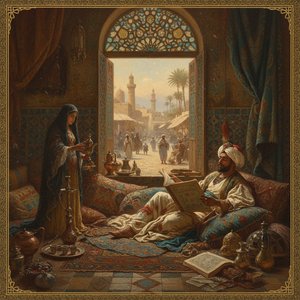
John Frederick Lewis: Orientalismus, Detail und Genremalerei im 19. Jahrhundert der britischen Kunst
Entdecken Sie das faszinierende Werk von John Frederick Lewis! Wir analysieren seinen Orientalismus, Detailreichtum und seine Genremalerei im Kontext des 19. Jahrhunderts. Expertenwissen zur britischen Kunstgeschichte.
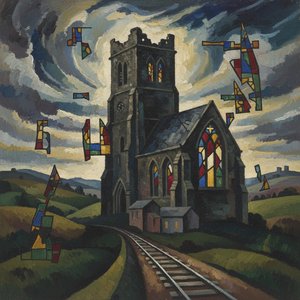
John Piper: A Spiritual Vision of British Landscape & Modernism's Embrace
Explore the captivating world of John Piper, a celebrated British painter whose evocative landscapes & iconic church art captured the spirit of his time. Discover his legacy and find high-quality reproductions at OriginalUniqueArt.



