

 In echtem Maßstab anzeigen
 Versenden als Grußkarte
 Teilen
 Details anzeigen
 Leitfaden

 Herunterladen
 Ähnliche Objekte
 Röntgenaufnahme
 Diashow
 Besucherstatistiken
The Pool (also known as Pool)


 Mehr anzeigen
Handgefertigte Ölreproduktion
Handgemaltes Ölgemälde auf Leinwand in Ihrer Wunschgröße und mit Rahmen, auf Bestellung von unseren Künstlern angefertigt. ( Zum Druck wechseln Zum digitalen Bild wechseln)




P118B $10

P118H $10

P118W $10

P438Z $10

P508JH $12

P508YH $12

P805H $10

P805Z $10

P919BZ $10

P919G $10

P919XJ $10

P959ZH $10

P968JZ $12

W106C $8

W218G $10

W218JH $8

W218Y $10

W307PJ $10

W316G $10

W316PJ $8

W316Y $10

W398PJ $8

W4111J $10

W500HY $15

W500JH $15

W692G $12

W849H $8

W940BG $15

W953PJ $8




Wählen Sie aus unseren vordefinierten Formaten, die den ursprünglichen Proportionen des Kunstwerks entsprechen.

Sie können Ihre eigenen Maße eingeben, um einen bestimmten Rahmen oder Platz auszufüllen. Wenn die gewählte Größe nicht den Proportionen des Originalbildes entspricht, werden wir das Kunstwerk entweder beschneiden oder das Gemälde durch zusätzliche, handgemalte Elemente erweitern. Ein digitales Mockup wird Ihnen zur Genehmigung zugesandt, bevor die Produktion beginnt.
Bitte beachten Sie, dass die Bildschirmvorschau nicht die tatsächliche Beschneidung oder Erweiterung widerspiegelt. Nur das Mockup zeigt die endgültige Komposition exakt an.
Obwohl Sondermaße verfügbar sind, empfehlen wir, eine Größe aus der vordefinierten Liste zu wählen, um die ursprünglichen Proportionen beizubehalten.
Nach der Bestellung wird das OriginalUniqueArt.com-Team dem Kunden Anweisungen per E-Mail zusenden und eine Mockup-Vorschau bereitstellen.
Weltweiter Versand () in nur 3 bis 4 Wochen statt der üblichen 5 Wochen. (21 September). Keine Kompromisse bei der Qualität.

Kostenloser weltweiter Expressversand

Hochwertige Leinenleinwand

Vollständiger Versicherungsschutz beim Versand

Zollgebühren-Rückerstattungsgarantie

Garantie für exakte Farbtreue

100-tägiges Rückgaberecht (nur bei Mängeln)

100% Geld-zurück-Garantie

Angebot für Mengenrabatt
 Die Glasoption ist nur für Größen unter 110 cm verfügbar.

The Pool (also known as Pool)
Reproduktionsmedium
Format der Reproduktion
-


Gesamtpreis
$ 300
The Serene Embrace of “The Pool” – A Masterpiece by John Henry Twachtman
John Henry Twachtman’s “The Pool,” painted in 1890, isn't merely a landscape; it’s an invitation to stillness. This captivating work, often referred to simply as "Pool," embodies the heart of American Impressionism – a movement defined by capturing fleeting moments of light and atmosphere rather than striving for photographic realism. Twachtman, a pivotal figure in this artistic revolution, masterfully transports us to a tranquil scene: a small pond nestled within a verdant embrace of trees, subtly hinting at human presence in the distance. The painting’s enduring appeal lies not just in its picturesque beauty but also in the profound sense of peace and contemplation it evokes.
Twachtman's artistic journey was one of constant evolution, beginning with academic training before he embraced a more personal style influenced by European masters like Monet and Pissarro. His time in Paris proved transformative, shifting his palette towards softer, tonal hues – a technique that profoundly shaped his later work. This period saw him develop the ability to capture not just what he *saw*, but how he *felt* about what he observed, imbuing each canvas with an emotional resonance. “The Pool” is a testament to this evolution; it’s less a literal depiction of a place and more a distilled essence of serenity.
A Symphony of Light and Color – The Impressionistic Technique
The painting's power resides in Twachtman’s masterful use of technique. He employed a wet-on-wet method, applying paint while it was still glistening on the canvas, allowing colors to blend seamlessly and creating an ethereal quality. Notice how light dances across the water’s surface, reflecting the sky above with subtle shifts in tone – a delicate interplay that captures the ephemeral nature of sunlight. The brushstrokes are loose and visible, contributing to the painting's vibrant energy while simultaneously suggesting movement and texture. The muted palette—dominated by greens, blues, and browns—creates a sense of depth and atmosphere, drawing the viewer into the scene’s tranquil depths.
Twachtman wasn’t interested in precise detail; instead, he focused on conveying an *impression* – a feeling, a mood. The trees are rendered with broad strokes, their forms suggested rather than meticulously defined. Similarly, the distant figures are almost ghostly, adding to the painting's sense of mystery and inviting us to project our own interpretations onto the scene. This deliberate ambiguity is characteristic of Impressionism, which prioritized capturing the subjective experience of seeing over objective representation.
Symbolic Resonance – Nature’s Sanctuary
Beyond its technical brilliance, “The Pool” resonates with symbolic meaning. The pond itself represents a sanctuary—a place of quiet contemplation and escape from the complexities of modern life. The surrounding trees offer a sense of protection and enclosure, while the distant figures suggest the presence of humanity within this natural haven. It’s a scene that speaks to our innate desire for connection with nature, a longing for simplicity and tranquility in an increasingly chaotic world.
Interestingly, Twachtman's own life was deeply intertwined with nature. He owned a substantial property in Greenwich, Connecticut, where he cultivated a garden and spent countless hours observing the landscape. His paintings of this area—including “Hemlock Pool,” a remarkably similar work – reflect his profound appreciation for the beauty and restorative power of the natural world. These works are not simply depictions of scenery; they’re expressions of a deep personal connection to the land.
A Timeless Masterpiece – Reproduction and Beyond
“The Pool” by John Henry Twachtman is more than just a painting; it's an experience—a journey into a world of light, color, and tranquility. Reproductions offer a wonderful opportunity to bring this timeless masterpiece into your home or office, allowing you to enjoy its beauty and serenity every day. When selecting a reproduction, consider the quality of materials used – a hand-painted reproduction will capture the nuances of Twachtman’s original technique far more effectively than a digital print. Whether as a centerpiece in a living room or a calming addition to an office space, “The Pool” continues to inspire and captivate, reminding us of the enduring power of art to transport us to another time and place.
Biografie des Künstlers
Frühes Leben und künstlerische Entwicklung
John Henry Twachtman, ein amerikanischer Maler, wurde am 4. August 1853 in Cincinnati, Ohio, geboren. Seine künstlerische Reise begann unter der Anleitung von Frank Duveneck in seiner Heimatstadt. Diese grundlegende Ausbildung legte den Grundstein für seine späteren Erkundungen in verschiedenen Kunstrichtungen.Europäische Studienzeit und künstlerische Entwicklung
Zwischen 1875 und 1877 besuchte Twachtman die Akademie der Schönen Künste in München, wo er seine Fähigkeiten in einer locker gebürsteten, schattigen Technik verfeinerte. Diese Zeit war geprägt von seinem Besuch in Venedig mit William Merritt Chase, wodurch sich seine künstlerischen Horizonte weiter erweiterten. Seine Landschaftsbilder aus dieser Zeit spiegeln die Einflüsse seiner europäischen Ausbildung wider.Pariser Intermezzo und Tonalismus
Von 1883 bis 1885 studierte Twachtman an der Académie Julian in Paris, was seinen Stil deutlich in einen weichen, grauen und grünen tonalistischen Ansatz verlagerte. Diese Zeit wird oft als der Höhepunkt seiner Karriere angesehen, mit bemerkenswerten Werken wie *Arques-la-Bataille* (in der Sammlung des Metropolitan Museum of Art, New York) und *Frühling* (in der Sammlung des Cincinnati Art Museum).Amerikanische Rückkehr und Cos Cob Einfluss
Nach seiner Rückkehr in die Vereinigten Staaten ließ sich Twachtman in Connecticut nieder und kaufte einen Bauernhof in Greenwich. Seine Anwesenheit in der Cos Cob Kunstkolonie war entscheidend, sie entfachte den kreativen Geist seiner Freunde und Schüler mit seiner Kunst, seinen Gesprächen und seinem Unterricht.Vermächtnis und bedeutende Werke
Twachtmans spätere Arbeit ist durch eine hochpersönliche impressionistische Technik gekennzeichnet, die oft schneebedeckte Landschaften seines Bauernhofs und Gartens darstellt. Seine Serie lebendiger Szenen in Gloucester, Massachusetts, kündigte einen moderneren Stil in der amerikanischen Kunst an.- Landschaft 3 (200 x 152 cm, Metropolitan Museum of Art, New York, Tonalismus, Öl)
- Der Holland Dyke (Tonalismus, Öl)
- Weitere Werke von John Henry Twachtman
Referenzen:

John Henry Twachtman
1853 - 1902 , Vereinigte Staaten von Amerika
Eckdaten zum Künstler
- Beeinflusste Künstler:
- Marsden Hartley
- Arthur Dove
- Milton Avery
- Bemerkenswerte Werke:
- Landschaft 3
- The Holland Dyke
- Einflüsse:
- Frank Duveneck
- Claude Monet
- Geburtsdatum: 04. August 1853
- Geburtsort: Cincinnati, USA
- Künstlerische Richtung: Impressionismus, Tonalismus
- Nationalität: Amerikanisch
- Todatum: 08. August 1902
- Vollständiger Name: John Henry Twachtman
Verwandte Artikel

John Henry Twachtman: Atmosphärischer Impressionismus und die amerikanische Landschaft
Entdecken Sie John Henry Twachtman (1853-1902), einen Pionier des amerikanischen Impressionismus und Tonalismus! Erfahren Sie mehr über seine atmosphärischen Landschaften, Winterstimmungen und seinen nachhaltigen Einfluss auf die amerikanische Kunstgeschichte.

Impressionistische Landschaften: Die 10 Meisterwerke, die eine Epoche prägten | OriginalUniqueArt
Entdecken Sie die 10 Meisterwerke des Impressionismus! Von Monet bis Renoir – erleben Sie die Geschichte, Technik und zeitlose Schönheit ikonischer Landschaftsbilder. Hochwertige Kunstdrucke auf OriginalUniqueArt.com. Jetzt entdecken!

John Constable: Die 25 Meisterwerke des englischen Landschaftsgenies – OriginalUniqueArt
Entdecken Sie die 25 Meisterwerke von John Constable! Erleben Sie englische Landschaftsmalerei vom Hay Wain bis zur Stour Valley. Hochwertige Reproduktionen & Kunst für Ihr Zuhause auf OriginalUniqueArt.com.

John Singer Sargent: Die 25 Meisterwerke des Porträts – Kunst für Ihr Zuhause | OriginalUniqueArt
Entdecken Sie die 25 Meisterwerke von John Singer Sargent! Tauchen Sie ein in die Welt der Porträtmalerei, des Impressionismus & der Belle Époque. Hochwertige Kunstdrucke & Reproduktionen für Ihr Zuhause – jetzt auf OriginalUniqueArt.com!
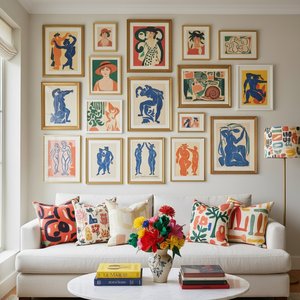
Henri Matisse: Die 25 Meisterwerke des Farbgenies – Kunst für Ihr Zuhause | OriginalUniqueArt
Entdecken Sie die 25 Meisterwerke von Henri Matisse! Tauchen Sie ein in die Welt des Fauvismus, der leuchtenden Farben und ikonischen Formen. Kunstreproduktionen & Inspiration für Ihr Zuhause – exklusiv auf OriginalUniqueArt.com.


