
 Vorschau anzeigen
 Versenden
 Teilen
 Details anzeigen

 Herunterladen
 Ähnliche Objekte
 Röntgenaufnahme
 Diashow
 Statistiken
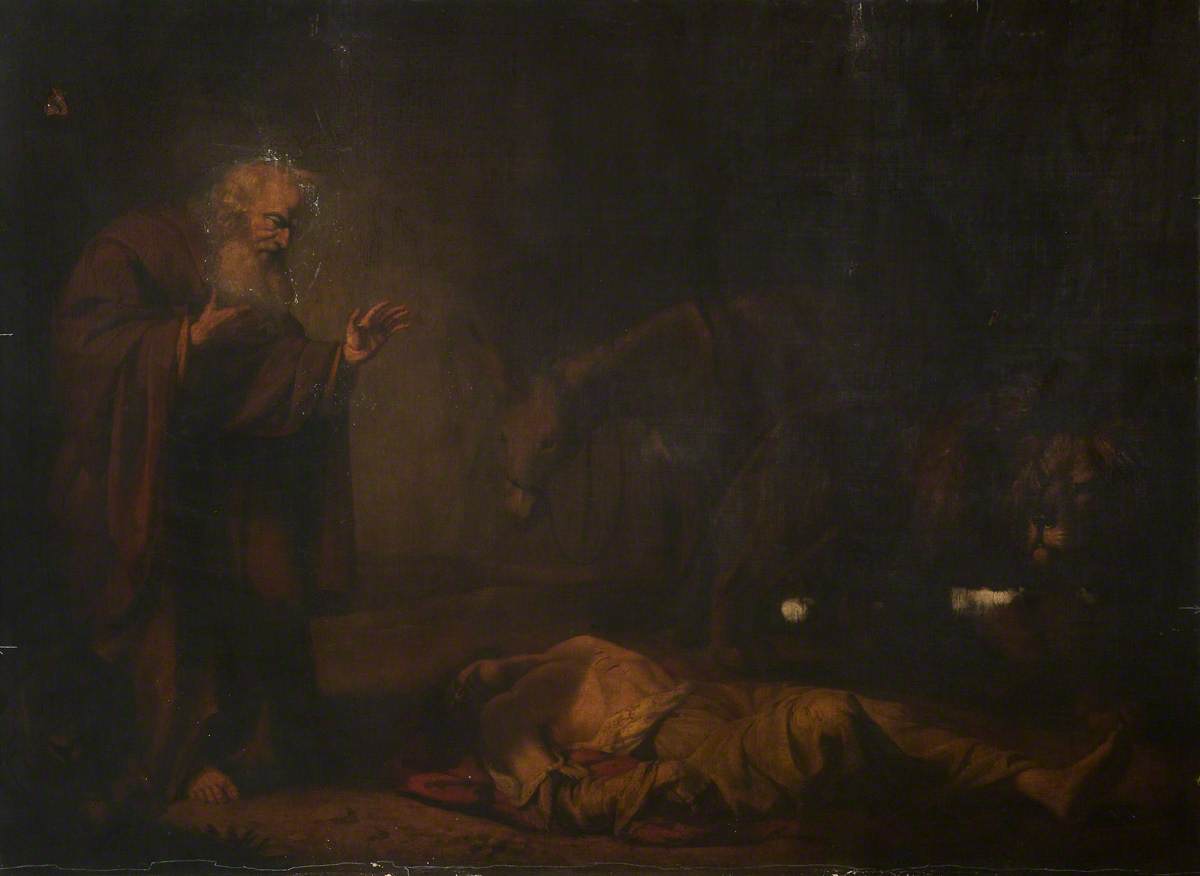
Der Widerspenstige Prophet
 Öl auf Leinwand
- Wandkunst
- Baroque Drama
 1790
1790 243.0 x 332.0 cm
 Royal Scottish Academy of Art – Architektur
 Weiterlesen
Handgefertigte Ölreproduktion
Handgemaltes Ölgemälde auf Leinwand in Ihrer Wunschgröße und mit Rahmen, auf Bestellung von unseren Künstlern angefertigt. ( Zu Druck wechseln Zum digitalen Bild wechseln)




P118B $10

P118H $10

P118W $10

P438Z $10

P508JH $12

P508YH $12

P805H $10

P805Z $10

P919BZ $10

P919G $10

P919XJ $10

P959ZH $10

P968JZ $12

W106C $8

W218G $10

W218JH $8

W218Y $10

W307PJ $10

W316G $10

W316PJ $8

W316Y $10

W398PJ $8

W4111J $10

W500HY $15

W500JH $15

W692G $12

W849H $8

W940BG $15

W953PJ $8




Wählen Sie aus unseren vordefinierten Formaten, die den ursprünglichen Proportionen des Kunstwerks entsprechen.

Sie können Ihre eigenen Maße eingeben, um einen bestimmten Rahmen oder Platz auszufüllen. Wenn die gewählte Größe nicht den Proportionen des Originalbildes entspricht, werden wir das Kunstwerk entweder beschneiden oder das Gemälde durch zusätzliche, handgemalte Elemente erweitern. Ein digitales Mockup wird Ihnen zur Genehmigung zugesandt, bevor die Produktion beginnt.
Bitte beachten Sie, dass die Bildschirmvorschau nicht die tatsächliche Beschneidung oder Erweiterung widerspiegelt. Nur das Mockup zeigt die endgültige Komposition exakt an.
Obwohl Sondermaße verfügbar sind, empfehlen wir, eine Größe aus der vordefinierten Liste zu wählen, um die ursprünglichen Proportionen beizubehalten.
Nach der Bestellung wird das OriginalUniqueArt.com-Team dem Kunden Anweisungen per E-Mail zusenden und eine Mockup-Vorschau bereitstellen.
Weltweiter Versand () in nur 3 bis 4 Wochen statt der üblichen 5 Wochen. (12 September). Keine Kompromisse bei der Qualität.

Kostenloser weltweiter Expressversand

Hochwertige Leinenleinwand

Umfassender Versicherungsschutz beim Versand

Zollgebühren-Rückerstattungsgarantie

Garantie für exakte Farbtreue

100-Tage-Rückgaberecht (nur bei Mängeln)

100% Geld-zurück-Garantie

Mengenrabatt verfügbar
 Die Glasoption ist nur für Größen unter 110 cm verfügbar.

Der Widerspenstige Prophet
Art der Reproduktion
Format der Reproduktion
-


Gesamtpreis
$ 400
Artistic Style and Composition
The composition of The Disobedient Prophet showcases John Graham's mastery of light and shadow, creating a sense of depth and tension. The dark background adds emphasis to the religious theme, while the use of oil on canvas brings a level of richness and texture to the painting. For art enthusiasts interested in similar works, John Graham's The Disobedient Prophet is a must-see.Other Notable Works by John Graham Gilbert
In addition to The Disobedient Prophet, John Graham Gilbert has created other notable works, including John Gibson (1790–1866), An Italian Nobleman, and The Bandit’s Bride. These paintings demonstrate the artist's range and skill in capturing a variety of subjects and themes. For more information on these works, visit John Graham Gilbert's page on OriginalUniqueArt.- Oil on canvas reproductions of The Disobedient Prophet are available for purchase on OriginalUniqueArt, allowing art lovers to own a piece of history.
- The Musée Réattu in Arles, France, is another notable museum featuring an impressive collection of artworks, including those by French painter Jacques Réattu.
For those interested in learning more about the art world and exploring other masterpieces, OriginalUniqueArt's extensive collection of handmade oil painting reproductions is a valuable resource. With its rich history and cultural significance, The Disobedient Prophet by John Graham is a true masterpiece that continues to inspire and captivate art enthusiasts today.
Über den Künstler
Ein Leben, geschmiedet in Revolution und Renaissance
Die Geschichte von John Graham ist eine der tiefgreifenden Transformation, eine Erzählung, die weit entfernt von den belebten Ateliers New Yorks beginnt, inmitten der aristokratischen Eleganz und der darauffolgenden politischen Turbulenzen von Kiew. Geboren als Ivan Gratianovitch Dombrowsky im Jahr 1886, waren seine frühen Jahre durch eine klassische Ausbildung und eine privilegierte Abstammung geprägt, die ihn für ein Leben in der Rechtswissenschaft oder Diplomatie vorbestimmt schienen. Doch die Winde der Geschichte hatten andere Pläne. Die seismischen Verschiebungen der Russischen Revolution und die anschließende bolschewistische Machtübernahme stürzten ihn in einen Tiegel des Konflikts, der zu seiner Inhaftierung als Konterrevolutionär führte. Diese Zeit des Umbruchs diente als spirituelle und künstlerische Katalysator; auf der Flucht vor dem Chaos seiner Heimat fand er 1920 schließlich Zuflucht in den Vereinigten Staaten. Während dieser Migration legte er seine alte Identität ab und nahm den Namen John Graham an – ein Moniker, der später die Brücke zwischen den Traditionen der Alten Welt und der avantgardistischen Energie der Neuen Welt verkörpern sollte.
Grahams Ankunft in New York City markierte den Beginn eines außergewöhnlichen künstlerischen Erwachens. Obwohl er sein formales Studium der Malerei erst in seinen Dreißigern begann, wurde dieser späte Start durch einen unersättlichen intellektuellen Hunger kompensiert. Durch die Mentorenschaft von John F. Sloan tauchte er in die lebendige, raue Realität der Ashcan School ein, doch sein Blick war stets auf den Horizont der Moderne gerichtet. Seine Reise war nicht nur eine der persönlichen Entdeckung, sondern eine der kulturellen Synthese, während er die Komplexitäten von Kubismus, Surrealismus und Abstrakter Expressionismus navigierte und diese disparaten Fäden zu einer kohärenten visuellen Sprache webte, die klassische Strukturen ehrte und gleichzeitig die moderne Fragmentierung annahm.
Der Architekt des modernistischen Dialogs
Über seine eigene Leinwand hinaus fungierte Graham als lebenswichtiger Vermittler für die aufstrebende New Yorker Kunstszene. Er war weit mehr als ein einsamer Maler; er war Sammler, Schriftsteller und Philosoph der Form. Sein tiefes Engagement mit der Systemtheorie und der Dialektik erlaubte es ihm, Kunst nicht nur als ästhetisches Streben, sondern als strukturiertes Argument zu betrachten – eine Überzeugung, die in seiner berühmten Behauptung zum Ausdruck kommt, dass „ein abstraktes Gemälde ein zu einem Schluss geführtes Argument ist.“ Diese intellektuelle Strenge machte ihn zu einer zentralen Figur in der Entwicklung der New Yorker Schule. Als Mentor und Fürsprecher lieferte er das Gerüst, auf dem Legenden wie Jackson Pollock und
Willem de Kooning ihre revolutionären Stile aufbauen konnten. Er besaß die seltene Fähigkeit, das radikale Unbekannte zu verteidigen und gleichzeitig einen tiefen Respekt vor den Meistern der Vergangenheit zu bewahren.
Seine künstlerische Entwicklung war durch eine faszinierende Spannung zwischen dem Figürlichen und dem Abstrakten gekennzeichnet. Während er tief bewegt von dem expressiven Potenzial der modernen Abstraktion war, kehrten seine späteren Werke zu einem hoch entwickelten figurativen Stil zurück. In dieser Periode ließ er sich von klassischen Meistern inspirieren, um Themen wie russische Soldaten mit einer Intensität darzustellen, die sich sowohl archaisch als auch unmittelbar anfühlte. Sein Pinselstrich trug oft ein spürbares emotionales Gewicht und nutzte lebendige Farbpaletten sowie ein Gefühl von barockem Drama, um die Spannungen einer modernen Ära zu navigieren. Durch sein Werk trafen die schweren Schatten der Geschichte auf das helle, gebrochene Licht des zwanzigsten Jahrhunderts.
Das Vermächtnis eines kulturellen Vermittlers
Die historische Bedeutung von John Graham liegt in seiner Rolle als Stabilisator und Provokateur innerhalb des Wirbelsturms der Moderne der Mitte des Jahrhunderts. Er war nicht nur Zeuge der Geburt des Abstrakten Expressionismus; er half dabei, das Umfeld zu kultivieren, das ihn erst ermöglichte. Sein Vermächtnis findet sich in mehreren Schlüsselbereichen:
- Die Synthese der Traditionen: Er überbrückte erfolgreich die Kluft zwischen den europäischen Avantgarde-Bewegungen und der aufstrebenden amerikanischen Identität und stellte sicher, dass die Lehren der Alten Welt die Innovationen der Neuen beeinflussten.
- Mentorenschaft und Gemeinschaft: Durch sein Engagement in Gruppen wie den „Modernists“ in Baltimore und seine Präsenz in den New Yorker Kunstkreisen förderte er einen kollaborativen Geist, der eine ganze Ära definierte.
- Intellektueller Rahmen: Indem er philosophisches und systemisches Denken auf den Akt des Malens anwandte, erhob er den Diskurs über die abstrakte Kunst von bloßer Intuition zu einer strukturierten, intellektuellen Disziplin.
Obwohl er 1961 in London verstarb, bleiben die Echos von Grahams Einfluss fest in der DNA der modernen Kunst verankert. Er bleibt eine Figur von immensem Geheimnis und Brillanz – ein Mann, der die Revolution überlebte, nur um dabei zu helfen, seine eigene künstlerische Revolution zu orchestrieren.

John Graham
1886 - 1961 , Russland
Kurzinfos
- Artistic Movement Or Style: Modernismus / Figurative Malerei
- Artists Or Movements Influenced By This Artist: ['New York Schule']
- Artists Who Influenced This Artist: ['Ashcan Schule']
- Date Of Birth: 1886
- Date Of Death: 1961
- Full Name: Ivan Gratianovitch Dombrowsky / John D. Graham
- Nationality: Russisch / Amerikanisch
- Notable Artworks:
- Die Ungezogene Prophet
- Frau John Jarvie
- Place Of Birth: Kyiv, Russland
Ähnliche Artikel

John Constable: Die 25 Meisterwerke des englischen Landschaftsgenies – OriginalUniqueArt
Entdecken Sie die 25 Meisterwerke von John Constable! Erleben Sie englische Landschaftsmalerei vom Hay Wain bis zur Stour Valley. Hochwertige Reproduktionen & Kunst für Ihr Zuhause auf OriginalUniqueArt.com.
John Graham Gilbert: Rediscovering a Victorian Master of Narrative & Portraiture
Discover the captivating world of John Graham Gilbert, a Victorian master! Explore his portraits, genre scenes & illustrations. Learn about his influences, legacy & find high-quality reproductions at OriginalUniqueArt.

Barocke Pracht: Wie Sie Opulenz und Emotionen in zeitgenössische Innenräume bringen
Entdecken Sie die Pracht des Barock! Expertenratgeber für luxuriöse Innenräume mit barocken Elementen. Inspiration, Tipps & hochwertige Kunst bei .

The Dramatic Flourish: Exploring the Baroque Movement's Enduring Legacy in Art History
Explore the dramatic world of Baroque art! Discover iconic artists like Caravaggio & Rubens, defining techniques, and its lasting impact on art history. Expert insights for collectors & enthusiasts at OriginalUniqueArt.

John Singer Sargent: Die 25 Meisterwerke des Porträts – Kunst für Ihr Zuhause | OriginalUniqueArt
Entdecken Sie die 25 Meisterwerke von John Singer Sargent! Tauchen Sie ein in die Welt der Porträtmalerei, des Impressionismus & der Belle Époque. Hochwertige Kunstdrucke & Reproduktionen für Ihr Zuhause – jetzt auf OriginalUniqueArt.com!
