
 Vorschau anzeigen
 Versenden
 Teilen
 Details anzeigen

 Herunterladen
 Ähnliche Objekte
 Röntgenaufnahme
 Diashow
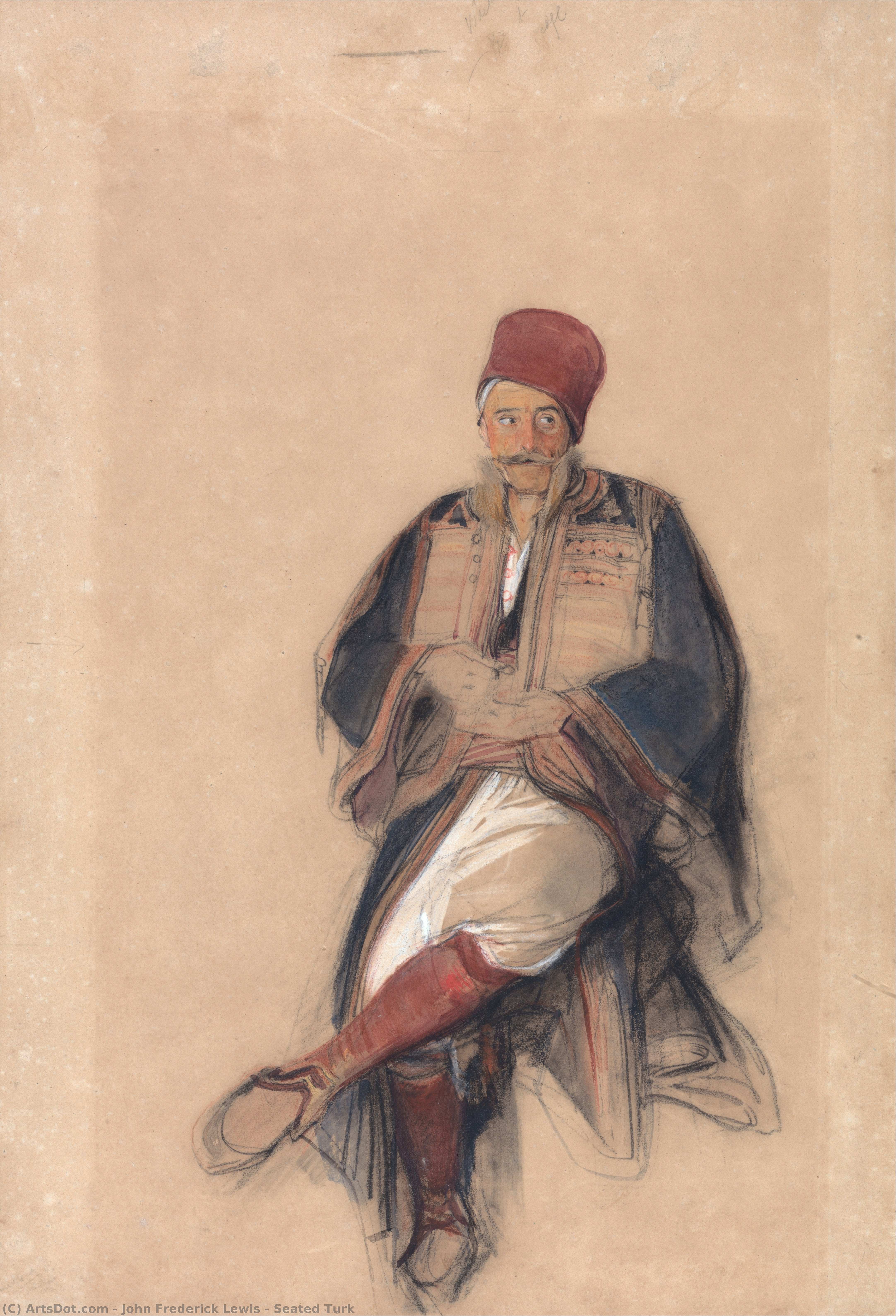
Seated Turk


 Weiterlesen
Giclée / Kunstdruck
Giclée- oder Leinwanddruck in Museumsqualität mit schneller Produktion und flexiblen Veredelungsoptionen. ( Zur handgemalten Reproduktion wechseln Zum Bild wechseln)




P118B $10

P118H $10

P118W $10

P438Z $10

P508JH $12

P508YH $12

P805H $10

P805Z $10

P919BZ $10

P919G $10

P919XJ $10

P959ZH $10

P968JZ $12

W106C $8

W218G $10

W218JH $8

W218Y $10

W307PJ $10

W316G $10

W316PJ $8

W316Y $10

W398PJ $8

W4111J $10

W500HY $15

W500JH $15

W692G $12

W849H $8

W940BG $15

W953PJ $8




Wählen Sie aus unseren vordefinierten Formaten, die den ursprünglichen Proportionen des Kunstwerks entsprechen.

Sie können Ihre eigenen Maße eingeben, um ein bestimmtes Format oder einen speziellen Platz einzupassen. Wenn das von Ihnen gewählte Format nicht den Proportionen des Originalbildes entspricht, werden wir das Kunstwerk entweder beschneiden oder das Bild mit einem gespiegelten oder einfarbigen Rand erweitern. Ein digitaler Entwurf wird Ihnen zur Genehmigung zugesandt, bevor die Produktion beginnt.
Bitte beachten Sie, dass die Vorschau auf dem Bildschirm nicht den tatsächlichen Zuschnitt oder die Erweiterung widerspiegelt. Nur der Entwurf zeigt die endgültige Komposition präzise an.
Obwohl Sondermaße verfügbar sind, empfehlen wir die Auswahl eines Maßes aus der vordefinierten Liste, um die ursprünglichen Proportionen zu bewahren.
Weltweiter Versand () innerhalb von 2 Wochen statt der üblichen 4/5 Wochen. (11 August)

Kostenloser weltweiter Expressversand

Hochwertige Leinenleinwand

Umfassender Versicherungsschutz beim Versand

Zollgebühren-Rückerstattungsgarantie

Garantie für exakte Farbtreue

60 Tage Rückgaberecht (nur bei Mängeln)

100% Geld-zurück-Garantie

Mengenrabatt verfügbar
 Die Glasoption ist nur für Größen unter 110 cm verfügbar.

Seated Turk
Giclée / Kunstdruck
Format der Reproduktion
-


Gesamtpreis
$ 80
Sammlerstück-Beschreibung
A Portrait of Dignified Mystery: John Frederick Lewis’s “Seated Turk”
John Frederick Lewis's "Seated Turk," painted in 1841, is more than just a portrait; it’s a meticulously crafted tableau vivant—a frozen moment imbued with an air of quiet dignity and subtle melancholy. This watercolor study, now housed at the Yale Center for British Art, offers a captivating glimpse into the burgeoning field of Orientalism within 19th-century European art, revealing both the artist's technical mastery and his engagement with exotic cultures.
The subject himself is an enigmatic figure, a man seated in what appears to be a richly appointed interior. His attire—a vibrant red headpiece, a flowing robe adorned with intricate patterns, and a delicately embroidered vest—immediately transports the viewer to the world of the Ottoman Empire. However, Lewis doesn’t simply depict a literal representation; instead, he captures an essence, a character. The man's gaze is direct yet contemplative, hinting at a life lived beyond the confines of the canvas. The composition itself is carefully balanced, with the figure occupying a significant portion of the frame while leaving ample space around him—a deliberate choice that emphasizes his importance and isolates him within a world of quiet contemplation.
Technique and Style: A Romantic Orientalist Vision
Lewis’s technique is characterized by a remarkable blend of observation and artistic license. He was famously stationed in Cairo for several years, immersing himself in the sights and sounds of Egyptian life. This firsthand experience informed his meticulous attention to detail—the textures of fabrics, the patterns on carpets, the play of light and shadow within the room. Yet, he wasn’t simply aiming for photographic realism; rather, he employed a distinctly Romantic style, prioritizing emotional impact over strict accuracy.
The watercolor medium itself is crucial to the painting's effect. Lewis masterfully utilizes layering washes—thin, translucent applications of pigment that build up gradually to create depth and luminosity. Dry brush techniques are then applied to define form and add textural interest, particularly in the folds of the clothing and the man’s hair. The muted color palette—dominated by earthy tones and rich reds—contributes to the painting's overall atmosphere of quiet contemplation. The flattened perspective, a common feature of Orientalist paintings at the time, further enhances this sense of timelessness and distance, suggesting that the scene exists outside of conventional Western notions of space and reality.
Historical Context: The Rise of Orientalism
“Seated Turk” is a product of its time—a period marked by increasing European interest in the Ottoman Empire and the broader Middle East. The 1830s and 40s witnessed a surge in travel to these regions, fueled by scientific expeditions, diplomatic missions, and, increasingly, artistic exploration. This “Orientalist” movement sought to depict the cultures of the East with a mixture of fascination and exoticism, often romanticizing them while simultaneously perpetuating stereotypes.
Lewis’s work reflects this complex dynamic. While he undoubtedly admired the beauty and sophistication of Ottoman culture, his painting also reveals a certain degree of detachment—a sense that he is observing from a position of privileged distance. Notably, Lewis deliberately avoided depicting overtly sensual or provocative scenes, choosing instead to focus on portraying dignified figures engaged in everyday activities. This approach distinguished him from some of his contemporaries who were more interested in exploiting the perceived exoticism and sensuality associated with Eastern cultures.
Symbolism and Emotional Resonance
Beyond its technical merits, “Seated Turk” possesses a subtle but powerful emotional resonance. The man’s expression—a mixture of serenity and perhaps a hint of melancholy—suggests a life lived in contemplation, far removed from the bustle of Western society. The painting invites us to consider themes of identity, cultural difference, and the complexities of human experience.
The inclusion of details such as the long pipe—a symbol of leisure and philosophical reflection—further reinforces this sense of quiet introspection. “Seated Turk” is not merely a portrait; it’s an invitation to pause, reflect, and contemplate the mysteries of another culture and the enduring questions of human existence. It remains a testament to John Frederick Lewis's skill as an artist and his profound engagement with the world beyond Europe.
Über den Künstler
John Frederick Lewis: Ein Leben in der Orientalistenmalerei
Frühes Leben und Ausbildung
John Frederick Lewis, ein bedeutender englischer Orientalist maler, wurde am 14. Juli 1804 in London geboren. Er war der Sohn von Frederick Christian Lewis, einem Graveur und Landschaftsmaler. Diese familiäre künstlerische Herkunft hat sich zweifellos auf seine frühe Entwicklung ausgewirkt. Seine formale Ausbildung begann unter der Anleitung von Sir Thomas Lawrence, wo er zusammen mit anderen Künstlern wie Edwin Landseer seine Fähigkeiten verfeinerte. Dieser grundlegende Zeitraum vermittelte ihm ein solides Verständnis von Technik und Komposition.
Künstlerische Karriere & Entwicklung
Lewis’s künstlerische Karriere entfaltete sich in mehreren, unterschiedlichen Phasen, die jeweils durch sich entwickelnde Stile und thematische Schwerpunkte gekennzeichnet waren:
- Orientalist-Periode: Lewis unternahm umfangreiche Reisen quer durch das Mittelmeergebiet und erfasste dessen Wesenheit in detaillierten Aquarellen und Ölgemälden. Er besuchte Kompositionen oft wiederholt und fertigte sie in verschiedenen Medien an.
- Spanische & Marokkanische Einflüsse (1832-1834): Eine Reise nach Spanien und Marokko erwies sich als entscheidend. Er produzierte zahlreiche Lithographien, die später unter dem Titel „Sketches and Drawings of the Alhambra“ (1835) und „Lewis’s Sketches of Spain and Spanish Character“ (1836) veröffentlicht wurden.
- Ägyptische Periode (1841-1851): Seine Stationierung in Kairo war zweifellos seine produktivste Zeit. Hier vollendete er seinen Orientalist-Stil und schuf detaillierte Werke, die sowohl realistische Genreszenen als auch idealisierte Darstellungen von oberen Gesellschaftsschichten in ägyptischen Innenräumen zeigten.
Bekannte Werke
Lewis schuf einen beträchtlichen Bestand an Werken, die für ihren akribischen Detailgrad und ihre suggestive Atmosphäre bekannt sind. Einige seiner bekanntesten Stücke umfassen:
- A Bedouin (Yale Center for British Art, New Haven) – Ein Aquarell, das seinen Orientalist-Stil exemplarisch darstellt.
- The Ramesseum at Thebes (Yale Center for British Art, New Haven) – Zeigt seine bemerkenswerte Aufmerksamkeit für architektonische Details.
- A Young Turkish Woman (Yale Center for British Art, New Haven) – Ein weiteres eindrucksvolles Beispiel seiner Orientalist-Arbeit.
- Harem Life in Constantinople - Ein detailliertes Ölgemälde, das osmanisches häusliches Leben darstellt.
Einflüsse und Künstlerischer Stil
Lewis’s Stil wurde von mehreren Einflüssen geprägt, wobei Sir Thomas Lawrence's Betonung auf Porträtkunst und Komposition eine besondere Rolle spielte. Seine direkte Beobachtung der mittelöstlichen Kulturen ermöglichte es ihm jedoch, einen einzigartigen ästhetischen Ausdruck zu entwickeln, der sich durch folgende Merkmale auszeichnet:
- Akribischer Detailgrad: Ein Engagement für die genaue Darstellung von Texturen, Mustern und architektonischen Elementen.
- Reiche Farbpalette: Die Verwendung lebhafter Farben, inspiriert von den Landschaften und Kostümen, denen er begegnete.
- Genreszenen & Innenansichten: Der Fokus auf alltägliches Leben und intime häusliche Umgebungen.
Vermächtnis und Historische Bedeutung
Lewis’s Beitrag zur Kunstwelt liegt in seiner bedeutenden Rolle bei der Entwicklung der Orientalistenmalerei. Seine akribischen Darstellungen islamischer Architektur, Möbel und Kostüme setzten neue Maßstäbe für Realismus innerhalb des Genres. Er trug dazu bei, eine romantisierte, aber detaillierte Vision des Nahen Ostens im Westen zu popularisieren. Nach seiner Rückkehr nach England im Jahr 1851 setzte er seine Tätigkeit als Maler bis zu seinem Tod am 15. August 1876 in Walton-on-Thames fort.
Seine Werke werden weiterhin für ihre künstlerische Leistung und ihren historischen Einblick in die Wahrnehmung des Orients im 19. Jahrhundert studiert und bewundert.

John Frederick Lewis
1804 - 1876 , Vereinigtes Königreich
Kurzinfos
- Artistic Movement Or Style: Orientalismus
- Artists Who Influenced This Artist: ['Sir Thomas Lawrence']
- Date Of Birth: 14 Juli 1804
- Full Name: John Frederick Lewis
- Nationality: Britisch
- Notable Artworks:
- Ein Bedouin
- Das Ramesseum zu Thebes
- Eine junge türkische Frau
- Harem Leben Konstantinopel
- Place Of Birth: London, Vereinigtes Königreich
Ähnliche Artikel
Carl Haag: Orientalist Visions & Victorian Spirituality in Watercolor
Explore the captivating Orientalist paintings of Carl Haag (1820-1915). Discover his detailed watercolors, Victorian landscapes & spiritual themes. Expert insights for collectors and art enthusiasts at OriginalUniqueArt.
The Allure of Detail: Precision & Narrative Resonance in Art History
Explore the captivating history of detail in art – from Renaissance masterpieces to modern movements like Precisionism. Discover how specificity shapes narrative, value & collector appeal. Expert insights at OriginalUniqueArt.

Die Verwandlung persönlicher Erinnerungen in zeitlose Serenity: KI-gestützte Aquarellkunst für Ihr Zuhause
Verwandeln Sie Ihre Fotos in einzigartige Aquarell-Meisterwerke! Handgemalte Kunst von OriginalUniqueArt – höchste Qualität, persönliche Beratung & sicherer Versand. Jetzt gestalten!

Entwicklung von Familienporträts: Personalisierte Kunst als Chronik des Lebens über Generationen hinweg
Entdecken Sie die faszinierende Welt der Familienporträts! Von historischen Meisterwerken bis zu personalisierten Auftragsgemälden – wir bieten Kunst für Generationen. Expertenberatung & höchste Qualität.

Die 10 legendärsten Aquarellwerke der Kunstgeschichte – Meisterwerke für Ihr Zuhause
Entdecken Sie die 10 legendärsten Aquarellwerke der Kunstgeschichte! Von Turner bis Monet – erleben Sie die Geschichten, Techniken & Farben dieser Meisterwerke. Finden Sie hochwertige Kunstdrucke auf OriginalUniqueArt.com und gestalten Sie Ihr Zuhause mit zeitloser Eleganz.


