
 Vorschau anzeigen
 Versenden
 Teilen
 Details anzeigen

 Herunterladen
 Ähnliche Objekte
 Röntgenaufnahme
 Diashow
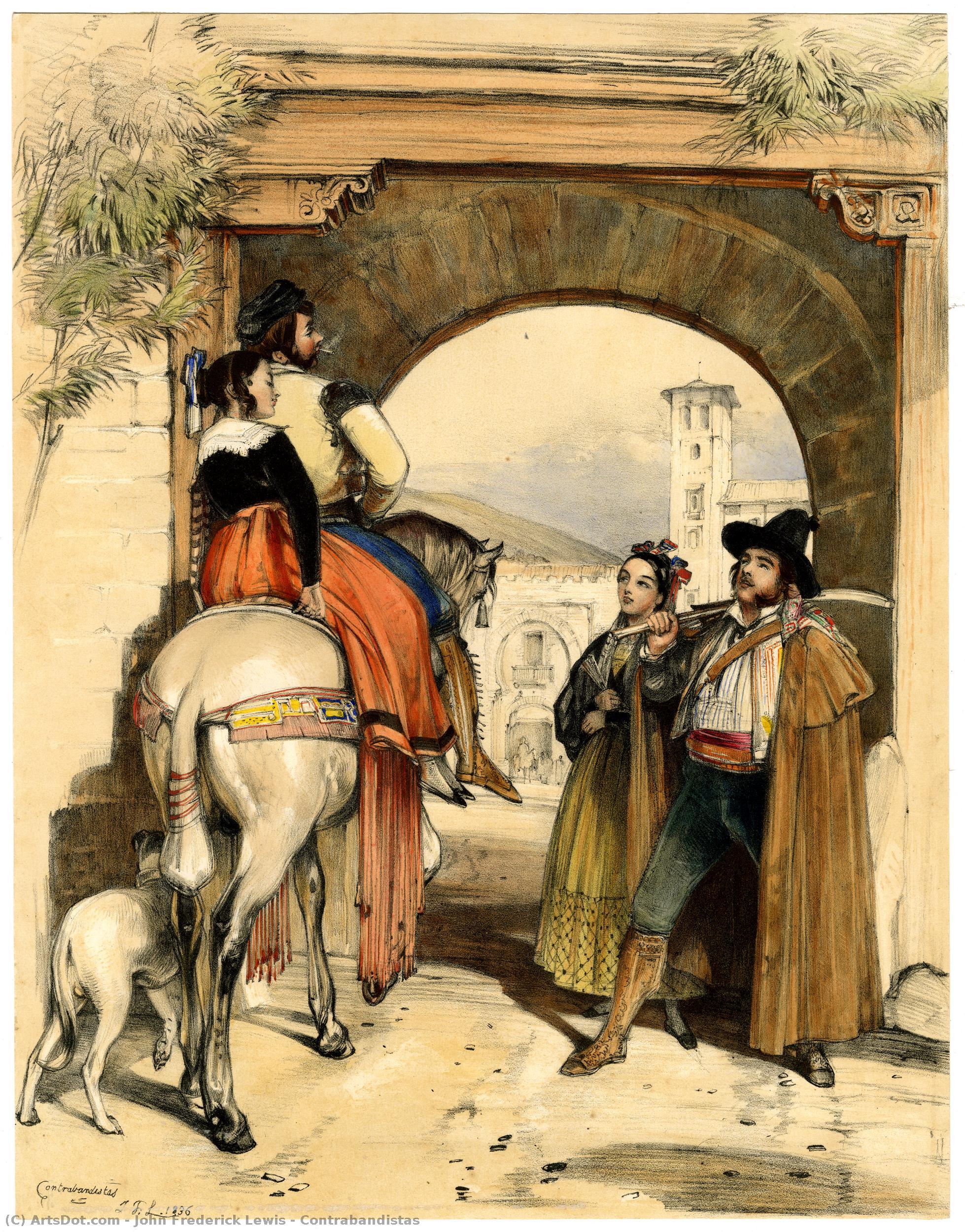
Contrabandistas


 Weiterlesen
Giclée / Kunstdruck
Giclée- oder Leinwanddruck in Museumsqualität mit schneller Produktion und flexiblen Veredelungsoptionen. ( Handgemalte Reproduktion bestellen Bild kaufen)




P118B $10

P118H $10

P118W $10

P438Z $10

P508JH $12

P508YH $12

P805H $10

P805Z $10

P919BZ $10

P919G $10

P919XJ $10

P959ZH $10

P968JZ $12

W106C $8

W218G $10

W218JH $8

W218Y $10

W307PJ $10

W316G $10

W316PJ $8

W316Y $10

W398PJ $8

W4111J $10

W500HY $15

W500JH $15

W692G $12

W849H $8

W940BG $15

W953PJ $8




Wählen Sie aus unseren vordefinierten Formaten, die den ursprünglichen Proportionen des Kunstwerks entsprechen.

Sie können Ihre eigenen Maße eingeben, um ein bestimmtes Format oder einen speziellen Platz einzupassen. Wenn das von Ihnen gewählte Format nicht den Proportionen des Originalbildes entspricht, werden wir das Kunstwerk entweder beschneiden oder das Bild mit einem gespiegelten oder einfarbigen Rand erweitern. Ein digitaler Entwurf wird Ihnen zur Genehmigung zugesandt, bevor die Produktion beginnt.
Bitte beachten Sie, dass die Vorschau auf dem Bildschirm nicht den tatsächlichen Zuschnitt oder die Erweiterung widerspiegelt. Nur der Entwurf zeigt die endgültige Komposition präzise an.
Obwohl Sondermaße verfügbar sind, empfehlen wir die Auswahl eines Maßes aus der vordefinierten Liste, um die ursprünglichen Proportionen zu bewahren.
Weltweiter Versand () innerhalb von 2 Wochen statt der üblichen 4/5 Wochen. (17 August)

Kostenloser weltweiter Expressversand

Hochwertige Leinenleinwand

Umfassender Versicherungsschutz beim Versand

Zollgebühren-Rückerstattungsgarantie

Garantie für exakte Farbtreue

60 Tage Rückgaberecht (nur bei Mängeln)

100% Geld-zurück-Garantie

Mengenrabatt verfügbar
 Die Glasoption ist nur für Größen unter 110 cm verfügbar.

Contrabandistas
Giclée / Kunstdruck
Format der Reproduktion
-


Gesamtpreis
$ 80
Sammlerstück-Beschreibung
John Frederick Lewis’s “Contrabandistas”: A Glimpse of Spain’s Shadowed Past
John Frederick Lewis's "Contrabandistas," painted in 1836, is more than just a depiction of a roadside scene; it’s a meticulously crafted window into the complexities of early 19th-century Spain – a nation grappling with political upheaval, economic hardship, and the enduring allure of illicit trade. This remarkable lithograph, now housed within the British Museum's collection, offers a rare insight into the artist’s keen observation of Spanish life and his masterful ability to capture both its rugged beauty and underlying tensions. Lewis, an English Orientalist painter who spent considerable time in Spain and North Africa, brought a distinctly European sensibility to his subject matter, yet he demonstrated a remarkable sensitivity to the local culture and atmosphere.The Scene Unfolds: Narrative and Composition
The painting immediately draws the eye with its dynamic composition. A small group of figures – a woman, presumably a smuggler’s wife or accomplice, and two men on horseback – are positioned before an arched gateway, likely leading to a village square. The architecture itself is significant; the weathered stone arches suggest a history steeped in tradition and perhaps even clandestine activity. The placement of the figures creates a strong diagonal line that guides the viewer's eye through the scene, emphasizing the movement and urgency of the moment. Note the deliberate use of light and shadow – a hallmark of Lewis’s technique – which adds depth and drama to the composition. The man on the left, sporting a hat, appears to be directing the group, while the figure on the right is turned away, adding an element of mystery and perhaps suggesting a hidden agenda. A dog sits patiently near the bottom left corner, a subtle detail that hints at the practical realities of life in this region.Technique and Style: Romanticism with Orientalist Influences
Lewis’s style is firmly rooted in the Romantic movement, characterized by its emphasis on emotion, drama, and the sublime. However, his work also bears a distinct influence from his extensive travels in the East – particularly Morocco and Egypt. This fusion of styles is evident in his meticulous attention to detail, his use of rich colors, and his ability to render complex textures, such as the worn stone of the arches and the rough fabric of the figures’ clothing. The lithograph medium itself—a technique he frequently employed—allowed for a high level of precision and tonal control, enabling him to capture the nuances of light and shadow with remarkable accuracy. The artist's skill in depicting the Spanish landscape is particularly noteworthy; it feels both authentically regional and imbued with a sense of timelessness.Symbolism and Historical Context: Smuggling and Social Commentary
“Contrabandistas” offers a poignant commentary on Spain’s economic realities during this period. The illegal trade in goods – often wine, textiles, or even people – was widespread, providing a vital source of income for many communities but also fueling corruption and instability. The figures depicted are not idealized heroes; they represent individuals caught in the margins of society, engaged in an activity that was both risky and morally ambiguous. The woman’s posture suggests a quiet resilience, while the men on horseback embody the spirit of adventure and perhaps even desperation. Lewis's decision to portray this scene with such realism speaks volumes about his engagement with the social issues of his time. It is important to note that Lewis, unlike many other Orientalist painters, avoided sensationalizing the depiction of women in the Middle East, focusing instead on portraying them with dignity and respect.A Reproduction for Today’s Collector
OriginalUniqueArt offers meticulously hand-painted reproductions of “Contrabandistas” that capture the essence of Lewis's original masterpiece. Our skilled artists replicate his meticulous attention to detail, vibrant color palette, and evocative atmosphere with unparalleled accuracy. Whether you are an art enthusiast, a collector seeking to expand your collection, or simply someone looking for a stunning piece of wall décor, our reproduction provides a beautiful and authentic representation of this significant work. It’s a timeless image that speaks volumes about Spanish history, human resilience, and the enduring power of art to illuminate the past. Explore our selection today and bring a touch of 19th-century Spain into your home.Über den Künstler
John Frederick Lewis: Ein Leben in der Orientalistenmalerei
Frühes Leben und Ausbildung
John Frederick Lewis, ein bedeutender englischer Orientalist maler, wurde am 14. Juli 1804 in London geboren. Er war der Sohn von Frederick Christian Lewis, einem Graveur und Landschaftsmaler. Diese familiäre künstlerische Herkunft hat sich zweifellos auf seine frühe Entwicklung ausgewirkt. Seine formale Ausbildung begann unter der Anleitung von Sir Thomas Lawrence, wo er zusammen mit anderen Künstlern wie Edwin Landseer seine Fähigkeiten verfeinerte. Dieser grundlegende Zeitraum vermittelte ihm ein solides Verständnis von Technik und Komposition.
Künstlerische Karriere & Entwicklung
Lewis’s künstlerische Karriere entfaltete sich in mehreren, unterschiedlichen Phasen, die jeweils durch sich entwickelnde Stile und thematische Schwerpunkte gekennzeichnet waren:
- Orientalist-Periode: Lewis unternahm umfangreiche Reisen quer durch das Mittelmeergebiet und erfasste dessen Wesenheit in detaillierten Aquarellen und Ölgemälden. Er besuchte Kompositionen oft wiederholt und fertigte sie in verschiedenen Medien an.
- Spanische & Marokkanische Einflüsse (1832-1834): Eine Reise nach Spanien und Marokko erwies sich als entscheidend. Er produzierte zahlreiche Lithographien, die später unter dem Titel „Sketches and Drawings of the Alhambra“ (1835) und „Lewis’s Sketches of Spain and Spanish Character“ (1836) veröffentlicht wurden.
- Ägyptische Periode (1841-1851): Seine Stationierung in Kairo war zweifellos seine produktivste Zeit. Hier vollendete er seinen Orientalist-Stil und schuf detaillierte Werke, die sowohl realistische Genreszenen als auch idealisierte Darstellungen von oberen Gesellschaftsschichten in ägyptischen Innenräumen zeigten.
Bekannte Werke
Lewis schuf einen beträchtlichen Bestand an Werken, die für ihren akribischen Detailgrad und ihre suggestive Atmosphäre bekannt sind. Einige seiner bekanntesten Stücke umfassen:
- A Bedouin (Yale Center for British Art, New Haven) – Ein Aquarell, das seinen Orientalist-Stil exemplarisch darstellt.
- The Ramesseum at Thebes (Yale Center for British Art, New Haven) – Zeigt seine bemerkenswerte Aufmerksamkeit für architektonische Details.
- A Young Turkish Woman (Yale Center for British Art, New Haven) – Ein weiteres eindrucksvolles Beispiel seiner Orientalist-Arbeit.
- Harem Life in Constantinople - Ein detailliertes Ölgemälde, das osmanisches häusliches Leben darstellt.
Einflüsse und Künstlerischer Stil
Lewis’s Stil wurde von mehreren Einflüssen geprägt, wobei Sir Thomas Lawrence's Betonung auf Porträtkunst und Komposition eine besondere Rolle spielte. Seine direkte Beobachtung der mittelöstlichen Kulturen ermöglichte es ihm jedoch, einen einzigartigen ästhetischen Ausdruck zu entwickeln, der sich durch folgende Merkmale auszeichnet:
- Akribischer Detailgrad: Ein Engagement für die genaue Darstellung von Texturen, Mustern und architektonischen Elementen.
- Reiche Farbpalette: Die Verwendung lebhafter Farben, inspiriert von den Landschaften und Kostümen, denen er begegnete.
- Genreszenen & Innenansichten: Der Fokus auf alltägliches Leben und intime häusliche Umgebungen.
Vermächtnis und Historische Bedeutung
Lewis’s Beitrag zur Kunstwelt liegt in seiner bedeutenden Rolle bei der Entwicklung der Orientalistenmalerei. Seine akribischen Darstellungen islamischer Architektur, Möbel und Kostüme setzten neue Maßstäbe für Realismus innerhalb des Genres. Er trug dazu bei, eine romantisierte, aber detaillierte Vision des Nahen Ostens im Westen zu popularisieren. Nach seiner Rückkehr nach England im Jahr 1851 setzte er seine Tätigkeit als Maler bis zu seinem Tod am 15. August 1876 in Walton-on-Thames fort.
Seine Werke werden weiterhin für ihre künstlerische Leistung und ihren historischen Einblick in die Wahrnehmung des Orients im 19. Jahrhundert studiert und bewundert.

John Frederick Lewis
1804 - 1876 , Vereinigtes Königreich
Kurzinfos
- Artistic Movement Or Style: Orientalismus
- Artists Who Influenced This Artist: ['Sir Thomas Lawrence']
- Date Of Birth: 14 Juli 1804
- Full Name: John Frederick Lewis
- Nationality: Britisch
- Notable Artworks:
- Ein Bedouin
- Das Ramesseum zu Thebes
- Eine junge türkische Frau
- Harem Leben Konstantinopel
- Place Of Birth: London, Vereinigtes Königreich
Ähnliche Artikel
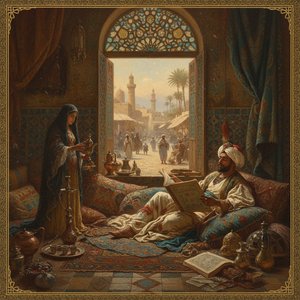
John Frederick Lewis: Orientalismus, Detail und Genremalerei im 19. Jahrhundert der britischen Kunst
Entdecken Sie das faszinierende Werk von John Frederick Lewis! Wir analysieren seinen Orientalismus, Detailreichtum und seine Genremalerei im Kontext des 19. Jahrhunderts. Expertenwissen zur britischen Kunstgeschichte.

John Singer Sargent: Die 25 Meisterwerke des Porträts – Kunst für Ihr Zuhause | OriginalUniqueArt
Entdecken Sie die 25 Meisterwerke von John Singer Sargent! Tauchen Sie ein in die Welt der Porträtmalerei, des Impressionismus & der Belle Époque. Hochwertige Kunstdrucke & Reproduktionen für Ihr Zuhause – jetzt auf OriginalUniqueArt.com!

John Constable: Die 25 Meisterwerke des englischen Landschaftsgenies – OriginalUniqueArt
Entdecken Sie die 25 Meisterwerke von John Constable! Erleben Sie englische Landschaftsmalerei vom Hay Wain bis zur Stour Valley. Hochwertige Reproduktionen & Kunst für Ihr Zuhause auf OriginalUniqueArt.com.
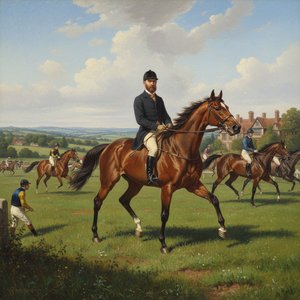
John Frederick Herring Senior: Meister der Pferde und Aufstieg der Sportmalerei im viktorianischen England
Entdecken Sie das Leben und Werk von John Frederick Herring Senior, dem Meister der viktorianischen Pferdeporträts. Erfahren Sie mehr über seinen Stil, seine königlichen Aufträge und sein Vermächtnis in der englischen Kunstgeschichte.

John Frederick Kensett: Luministische Ästhetik und nationale Identität in der amerikanischen Landschaftsmalerei
Entdecken Sie das Werk von John Frederick Kensett und die Ästhetik des Luminismus! Erfahren Sie mehr über seine Bedeutung für die amerikanische Landschaftsmalerei und die Suche nach nationaler Identität. Expertenanalyse & Hintergrundinformationen.


