
 In echtem Maßstab anzeigen
 Versenden als Grußkarte
 Teilen
 Details anzeigen
 Leitfaden öffnen

 Herunterladen
 Ähnliche Objekte
 Röntgenaufnahme
 Diashow
 Besucherstatistiken
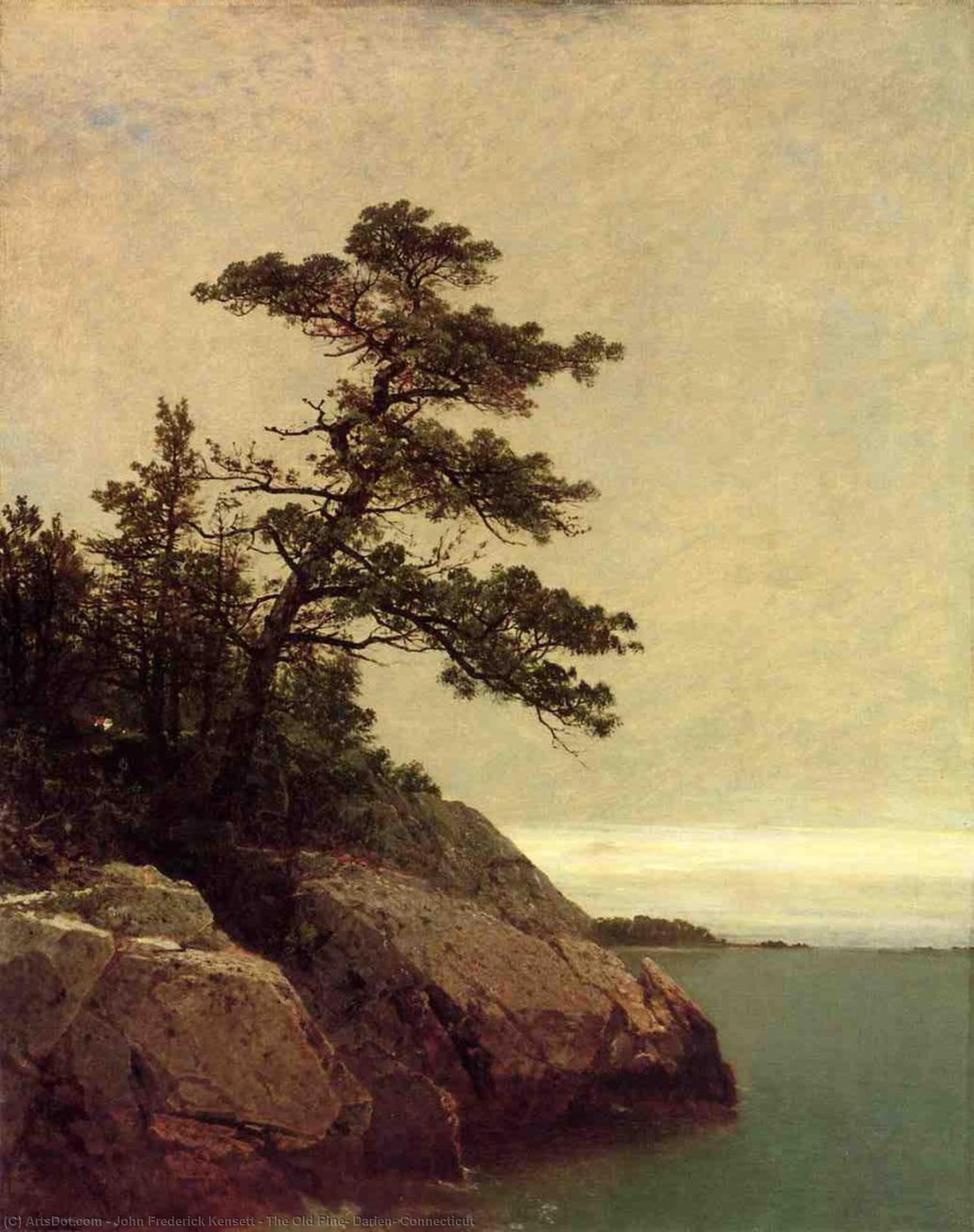
The Old Pine, Darien, Connecticut


 Mehr anzeigen
Giclée / Kunstdruck
Giclée- oder Leinwanddruck in Museumsqualität mit schneller Produktion und flexiblen Veredelungsoptionen. ( Handgemalte Reproduktion kaufen Zum digitalen Bild wechseln)




P118B $10

P118H $10

P118W $10

P438Z $10

P508JH $12

P508YH $12

P805H $10

P805Z $10

P919BZ $10

P919G $10

P919XJ $10

P959ZH $10

P968JZ $12

W106C $8

W218G $10

W218JH $8

W218Y $10

W307PJ $10

W316G $10

W316PJ $8

W316Y $10

W398PJ $8

W4111J $10

W500HY $15

W500JH $15

W692G $12

W849H $8

W940BG $15

W953PJ $8




Wählen Sie aus unseren vordefinierten Formaten, die den ursprünglichen Proportionen des Kunstwerks entsprechen.

Sie können Ihre eigenen Maße eingeben, um ein bestimmtes Format oder einen speziellen Platz einzupassen. Wenn das von Ihnen gewählte Format nicht den Proportionen des Originalbildes entspricht, werden wir das Kunstwerk entweder beschneiden oder das Bild mit einem gespiegelten oder einfarbigen Rand erweitern. Ein digitaler Entwurf wird Ihnen zur Genehmigung zugesandt, bevor die Produktion beginnt.
Bitte beachten Sie, dass die Vorschau auf dem Bildschirm nicht den tatsächlichen Zuschnitt oder die Erweiterung widerspiegelt. Nur der Entwurf zeigt die endgültige Komposition präzise an.
Obwohl Sondermaße verfügbar sind, empfehlen wir die Auswahl eines Maßes aus der vordefinierten Liste, um die ursprünglichen Proportionen zu bewahren.
Weltweiter Versand () innerhalb von 2 Wochen statt der üblichen 4/5 Wochen. (25 September)

Kostenloser weltweiter Expressversand

Hochwertige Leinenleinwand

Vollständiger Versicherungsschutz beim Versand

Zollgebühren-Rückerstattungsgarantie

Garantie für exakte Farbtreue

100-tägiges Rückgaberecht (nur bei Mängeln)

100% Geld-zurück-Garantie

Angebot für Mengenrabatt
 Die Glasoption ist nur für Größen unter 110 cm verfügbar.

The Old Pine, Darien, Connecticut
Giclée / Kunstdruck
Format der Reproduktion
-


Gesamtpreis
$ 80
A Moment Frozen in Light: Exploring John Frederick Kensett’s “The Old Pine”
John Frederick Kensett (1816–1872), a pivotal figure in the Hudson River School and Luminist movement, possessed an unparalleled ability to distill the essence of American landscape into exquisitely rendered paintings. His work transcends mere depiction; it strives for a profound communion with nature, capturing not just what is seen but also how it feels—a stillness imbued with radiant luminosity that continues to captivate viewers today. “The Old Pine,” painted in 1872 during his final summer on Long Island Sound off Darien, Connecticut, exemplifies this artistic philosophy perfectly.Subject Matter and Composition: A Study in Tranquility
At first glance, the painting presents a deceptively simple scene: a solitary pine tree perched precariously on a cliff edge overlooking the expansive ocean. However, Kensett’s meticulous observation reveals layers of detail—the rugged coastline punctuated by weathered rocks—that contribute to an overall impression of austere beauty and resilience. The artist deliberately eschewed grand vistas or dramatic narratives, opting instead for a focused portrayal of a single tree against the backdrop of atmospheric light. This deliberate restraint serves not to diminish the scene’s impact but rather to heighten its contemplative quality.Luminist Technique: Capturing Transient Light
Kensett's signature style—luminism—was born from a fascination with capturing fleeting moments of natural illumination. Unlike his predecessors who often employed dramatic chiaroscuro effects, Kensett favored subtle gradations of color and tone to convey the ethereal quality of sunlight filtering through foliage. The artist achieved this remarkable feat through painstaking layering of thin glazes – applying multiple coats of translucent paint—allowing each subsequent layer to subtly modify the hue and intensity of light reflected from beneath. This technique is particularly evident in the dappled illumination that dances across the pine needles, creating an illusion of movement and vibrancy despite the stillness of the composition.Historical Context: Transcendentalism and the American Spirit
“The Old Pine” emerged during a period marked by intellectual ferment—the Transcendentalist movement championed by Ralph Waldo Emerson and Henry David Thoreau—which profoundly influenced American art and thought. These thinkers believed in the inherent goodness of humanity and the interconnectedness of all things, advocating for a return to nature as a source of spiritual renewal. Kensett’s painting embodies this ethos, reflecting the broader cultural preoccupation with capturing sublime beauty and conveying a sense of awe before the grandeur of the natural world. It speaks to an ideal of American identity rooted in simplicity, contemplation, and reverence for the unspoiled landscapes of the nation.Symbolism: Resilience Amidst Decay
The pine tree itself holds significant symbolic weight within Western tradition—representing longevity, perseverance, and spiritual fortitude. Its weathered trunk and sparse foliage serve as a poignant reminder of the passage of time and the inevitability of decay, yet it stands tall against the turbulent sea winds, symbolizing resilience and unwavering faith in the face of adversity. Kensett’s deliberate choice to depict this tree—a symbol of enduring strength—underscores the painting's overarching message: beauty can be found even in solitude and vulnerability, and true artistry lies in capturing the profound emotional resonance of natural phenomena.Emotional Impact: A Balm for the Soul
Ultimately, “The Old Pine” transcends mere visual representation; it aspires to evoke a feeling of serenity and contemplation within the viewer. The painting’s luminous palette and harmonious composition invite us to pause, breathe deeply, and appreciate the quiet grandeur of the natural world—a balm for the anxieties of modern life that continues to resonate with audiences today. It is a testament to Kensett's mastery of Luminist technique and his unwavering commitment to conveying the sublime beauty of American landscape.Biografie des Künstlers
Ein Leben in der Hingabe an friedliche Landschaften
John Frederick Kensett wurde am 22. März 1816 in Cheshire, Connecticut, geboren. Als Mitglied der zweiten Generation der Hudson River School Künstler sind Kensetts charakteristische Werke durch ihre friedlichen und leuchtenden Qualitäten gekennzeichnet, die die transzendenten Aspekte der Natur feiern.Frühes Leben und Ausbildung
Kensett besuchte die Cheshire Academy und studierte Gravur bei seinem Vater, Thomas Kensett. Er arbeitete später in New Haven als Graveur, bevor er 1838 nach New York City zog, um dort Banknotengravuren zu fertigen. Im Jahr 1840 reiste Kensett nach Europa, um seine Fähigkeiten im Malen zu verfeinern und lernte dabei Benjamin Champney kennen.Etablierter Stil und Luminismus
Nach der Eröffnung seines Ateliers in New York City bereiste Kensett ausgiebig die nordöstliche Region und die Colorado Rockies und hielt das Wesen dieser Landschaften fest. Sein Stil entwickelte sich von der traditionellen Hudson River School hin zu einem raffinierteren Luminismus, der durch unbefangene Pinselstriche gekennzeichnet ist, die die Qualitäten des atmosphärischen Lichts vermitteln.- Mount Washington from the Valley of Conway (1851), ein ikonisches Gemälde, wurde von der American Art Union erworben und an 13.000 Abonnenten verteilt.
- Eaton's Neck, Long Island (1872), ein Paradebeispiel für Kensetts Luminismus-Stil, befindet sich nun in der Sammlung des Metropolitan Museum of Art in New York.
Vermächtnis und Beiträge
Kensett war Mitbegründer des Metropolitan Museum of Art und Vollmitglied der National Academy of Design. Seine Arbeit, die zu Lebzeiten hoch angesehen war, beeinflusst weiterhin die Landschaftsmalerei. Wichtige Werke:- Sunset Sky (ca. 1870), The Metropolitan Museum of Art, New York
- Three Mile Harbor (ca. 1860), Museum of Fine Arts, Tallahassee

John Frederick Kensett
1816 - 1872 , Vereinigte Staaten von Amerika
Eckdaten zum Künstler
- Beeinflusste Künstler:
- Thomas Cole
- Benjamin Champney
- Bemerkenswerte Werke:
- Mount Washington from the Valley
- Eaton’s Neck, Long Island
- Sunset Sky
- Three Mile Harbor
- Geburtsdatum: 22. März 1816
- Geburtsort: Cheshire, USA
- Künstlerische Richtung: Hudson River School, Luminismus
- Nationalität: Amerikanisch
- Sterbedatum: 14. Dezember 1872
- Vollständiger Name: John Frederick Kensett
Verwandte Artikel
The Sublime Landscape: Exploring the Hudson River School Movement
Explore the captivating world of the Hudson River School! Discover the history, artists, and defining characteristics of this iconic American art movement. Learn about Romanticism's influence & find inspiration for your collection.
Die 10 Meisterwerke der Hudson River School: Kunst für Ihr Zuhause | OriginalUniqueArt
Entdecken Sie die 10 prägendsten Meisterwerke der Hudson River School! Erfahren Sie mehr über Thomas Cole, Frederic Church & Co. und ihre atemberaubenden Landschaftsbilder. Hochwertige Kunstdrucke für Ihr Zuhause – jetzt auf OriginalUniqueArt.com!

Wild & Untamed: The High-Impact Energy of American Romanticism and the Hudson River School
Experience the raw power of American Romanticism. Explore the high-impact energy of the Hudson River School through premium, hand-painted oil reproductions that capture the sublime beauty and untamed spirit of the American wilderness for discerning collectors.

Robert Spencer: Luminism, Narrative & the American Landscape Tradition
Explore the captivating world of Luminism & the Hudson River School with our expert analysis. Discover the history, artists, and enduring beauty of 19th-century American landscape painting. Find museum-quality reproductions at OriginalUniqueArt.

John Frederick Kensett: Luministische Ästhetik und nationale Identität in der amerikanischen Landschaftsmalerei
Entdecken Sie das Werk von John Frederick Kensett und die Ästhetik des Luminismus! Erfahren Sie mehr über seine Bedeutung für die amerikanische Landschaftsmalerei und die Suche nach nationaler Identität. Expertenanalyse & Hintergrundinformationen.


