- Startseite

- Auf Leinwand drucken lassen
- Joan Miró
- Eine Hofszene

 In echtem Maßstab anzeigen
 Versenden
 Teilen
 Details anzeigen

 Herunterladen
 Ähnliche Objekte
 Röntgenaufnahme
 Diashow starten
Eine Hofszene

 Mehr anzeigen
Giclée / Kunstdruck
Giclée- oder Leinwanddruck in Museumsqualität mit schneller Produktion und flexiblen Veredelungsoptionen. ( Zur handgemalten Reproduktion wechseln Zum Bild wechseln)




P118B $10

P118H $10

P118W $10

P438Z $10

P508JH $12

P508YH $12

P805H $10

P805Z $10

P919BZ $10

P919G $10

P919XJ $10

P959ZH $10

P968JZ $12

W106C $8

W218G $10

W218JH $8

W218Y $10

W307PJ $10

W316G $10

W316PJ $8

W316Y $10

W398PJ $8

W4111J $10

W500HY $15

W500JH $15

W692G $12

W849H $8

W940BG $15

W953PJ $8




Wählen Sie aus unseren vordefinierten Formaten, die den ursprünglichen Proportionen des Kunstwerks entsprechen.

Sie können Ihre eigenen Maße eingeben, um ein bestimmtes Format oder einen speziellen Platz einzupassen. Wenn das von Ihnen gewählte Format nicht den Proportionen des Originalbildes entspricht, werden wir das Kunstwerk entweder beschneiden oder das Bild mit einem gespiegelten oder einfarbigen Rand erweitern. Ein digitaler Entwurf wird Ihnen zur Genehmigung zugesandt, bevor die Produktion beginnt.
Bitte beachten Sie, dass die Vorschau auf dem Bildschirm nicht den tatsächlichen Zuschnitt oder die Erweiterung widerspiegelt. Nur der Entwurf zeigt die endgültige Komposition präzise an.
Obwohl Sondermaße verfügbar sind, empfehlen wir die Auswahl eines Maßes aus der vordefinierten Liste, um die ursprünglichen Proportionen zu bewahren.
Weltweiter Versand () innerhalb von 2 Wochen statt der üblichen 4/5 Wochen. (3 August)

Kostenloser weltweiter Expressversand

Hochwertige Leinenleinwand

Vollumfänglicher Versicherungsschutz beim Versand

Zollgebühren-Rückerstattungsgarantie

Garantie für exakte Farbtreue

60 Tage Rückgaberecht (nur bei Mängeln)

100% Geld-zurück-Garantie

Angebot für Mengenrabatt
 Die Glasoption ist nur in Größen unter 110 cm verfügbar.

Eine Hofszene
Giclée / Kunstdruck
Format der Reproduktion
-


Gesamtpreis
$ 80
Objektbeschreibung
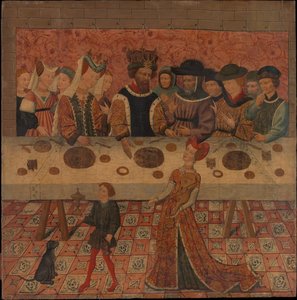
Joan Miró’s “A Courtyard Scene”: A Catalan Soul Captured in Abstraction
The painting "A Courtyard Scene," attributed to Joan Miró (1893 – 1983), embodies the essence of Catalan surrealism—a visual exploration rooted in dreams and memory, filtered through a prism of organic forms and vibrant color palettes. Created during his prolific artistic output spanning decades, this piece exemplifies Miró’s distinctive approach to translating inner landscapes onto canvas, cementing his place as one of the foremost artists of the 20th century.Subject Matter and Composition
At first glance, “A Courtyard Scene” presents a deceptively simple tableau: a sunlit courtyard populated by figures—primarily humans and a dog—around a dining table laden with dishes. However, Miró eschews realistic representation, opting instead for an abstracted depiction that prioritizes emotional resonance over literal accuracy. The figures themselves are rendered as stylized shapes reminiscent of animalistic forms and human silhouettes, blending seamlessly into the surrounding environment. This deliberate blurring of boundaries reflects Miró’s fascination with the subconscious mind and his belief in art's capacity to convey feelings beyond the realm of observable reality.Style and Technique: Organic Surrealism
Miró’s style is undeniably organic surrealist—a movement he championed alongside Salvador Dalí—characterized by a rejection of rational thought and an embrace of irrational imagery drawn from dreams, mythology, and folklore. He employs a technique that combines bold brushstrokes with meticulous layering to achieve textural depth and luminosity. The color palette leans heavily toward warm hues—ochres, yellows, reds—creating an atmosphere of warmth and conviviality while simultaneously hinting at underlying tensions. Miró’s use of geometric shapes interspersed amongst organic forms contributes to the painting's visual complexity, mirroring the multifaceted nature of human experience.Historical Context: The Rise of Catalan Surrealism
“A Courtyard Scene” emerged during a period of significant artistic ferment in Catalonia—the birthplace of Miró—where surrealist ideas were gaining traction amidst broader cultural debates about identity and modernity. Influenced by Gaudí’s architectural innovations, which celebrated natural forms and organic patterns, Miró sought to capture the spirit of Catalan culture—its traditions, its landscapes, and its collective memory—through a lens of imaginative abstraction. The painting stands as testament to Miró's commitment to artistic experimentation and his unwavering belief in art's transformative power.Symbolism: Dreams, Memory, and Catalan Identity
The imagery within “A Courtyard Scene” is laden with symbolic significance. The dining table represents nourishment and social connection—fundamental aspects of Catalan life—while the figures embody human vulnerability and resilience. Recurring motifs such as animalistic forms and stylized shapes evoke primal instincts and subconscious desires, mirroring Miró’s preoccupation with exploring the depths of the human psyche. Furthermore, the courtyard itself symbolizes a space between worlds—a realm where reality merges with imagination—reflecting Miró's artistic vision as a conduit for conveying intangible emotions and ideas.Emotional Impact: Tranquility Amidst Complexity
Despite its visual complexity, “A Courtyard Scene” exudes an aura of tranquility—a paradoxical achievement given the painting’s surrealist aesthetic. The warm color palette and gentle brushstrokes create a sense of serenity, inviting contemplation and fostering empathy for the depicted figures. Ultimately, Miró's masterpiece succeeds in capturing the elusive beauty of human connection and the enduring power of memory—themes that resonate deeply with viewers seeking inspiration or contemplating the acquisition of a stunning reproduction.Künstlerbiografie
**frühes Leben und Karriere**
joan miró, ein renommierter spanischer Maler, Bildhauer und Keramiker, wurde am 20. April 1893 in Barcelona, Spanien, geboren. Seine Familie, von jüdischen (Marrano oder Konverso) Wurzeln, hatte einen bedeutenden Einfluss auf sein frühes Leben. Mirós Vater, Miquel Miró Adzerias, war Goldschmied und Uhrmacher, was möglicherweise der Künstlersein Interesse an komplizierten Details inspirierte.**Künstlerische Entwicklung**
Miró begann mit sieben Jahren mit Zeichenunterricht in einer privaten Schule in Barcelona. Später nahm er am Kunstakademie La Llotja auf, trotz Ablehnung durch seinen Vater. Dies markierte den Beginn von Mirós künstlerischer Reise, die schließlich zu seiner Pionierarbeit im Surrealismus und abstrakter Kunst führte.**Bekannte Werke und Kooperationen**
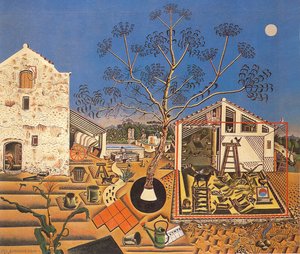
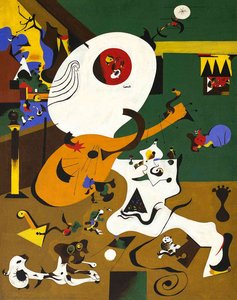
* The Farm (1922), ein Gemälde, das Mirós Übergang zu einem individuelleren Stil zeigt, mit nationalistischen Zügen. * Zusammenarbeit mit Max Ernst bei der Gestaltung von Sergei Diaghilews Ballett 1926, die die Technik des Grattage begründete. * The Dutch Interiors (1928), eine Reihe von Gemälden, inspiriert von Hendrik Martenszoon Sorth und Jan Steen, die Mirós einzigartigen Stil zeigt.**Museen und Vermächtnis**
* Die Fundació Joan Miró in Barcelona, gegründet 1975, die Mirós Werke präsentiert. * Die Fundació Pilar i Joan Miró in Palma de Mallorca, gegründet 1981, festigte Mirós Vermächtnis weiter.**Wichtige Werke und ihre Bedeutung**
- Painting (1933), ein abstraktes Ölgemälde, das Mirós surrealistische Vision veranschaulicht.
- Pintura 11, ein weiteres bemerkenswertes abstraktes Werk, das Mirós einzigartigen Stil zeigt.
- The Ear of Corn (37 x 46 cm), ein surrealistisches Werk, das komplizierte Details zeigt.
- The Birth of Day, ein abstraktes Kunstwerk, das Mirós Beiträge zur abstrakten Kunst weiter festigt.
**Fazit**
Mirós Vermächtnis als Pionier des Surrealismus und der abstrakten Kunst ist unbestreitbar. Seine Werke, die in verschiedenen Museen ausgestellt werden, darunter die Fundació Joan Miró, inspirieren weiterhin Künstler und Kunstliebhaber gleichermaßen. Für weitere Informationen über Mirós Werke besuchen Sie [https://OriginalUniqueArt.com/@/joan-miro](https://OriginalUniqueArt.com/@/joan-miro) oder erkunden Sie seine bemerkenswerten Werke unter [https://OriginalUniqueArt.com/@@/8ewky5-joan-miro-painting](https://OriginalUniqueArt.com/@@/8ewky5-joan-miro-painting).- Mehr Kunstwerke von Joan Miró auf OriginalUniqueArt.com
- Entdecken Sie das Museum Fundació Joan Miró in Barcelona, Spanien
- Erkunden Sie die Biografie und bemerkenswerten Werke des Künstlers unter [https://en.wikipedia.org/wiki/joan_mir%c3%b3](https://en.wikipedia.org/wiki/joan_mir%c3%b3)
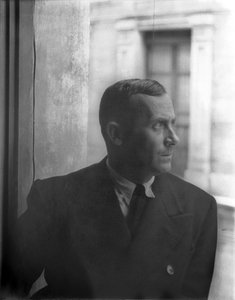
Joan Miró
1893 - 1983 , Spanien
Eckdaten zum Künstler
- Beeinflusste Künstler:
- Vincent van Gogh
- Paul Cézanne
- Bemerkenswerte Werke:
- Die Farm (1922)
- Dutch Interiors (1928)
- Gemälde (1933)
- Geburtsdatum: 20. April 1893
- Geburtsort: Barcelona, Spanien
- Künstlerischer Stil: Surrealismus, abstrakte Kunst
- Nationalität: Spanisch
- Todatum: 1983
- Vollständiger Name: Joan Miró i Ferrà
Verwandte Artikel
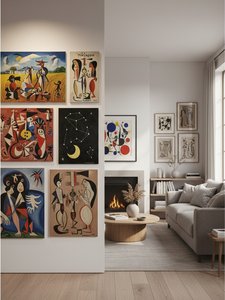
Joan Mirós Meisterwerke: Die Top 25 für Kunstliebhaber & stilvolles Wohnen
Entdecken Sie die Top 25 Gemälde von Joan Miró! Tauchen Sie ein in die Welt des Surrealismus, abstrakter Kunst & katalanischer Farben. Hochwertige Kunstdrucke & Reproduktionen für Ihr Zuhause – jetzt auf OriginalUniqueArt.com!
MoMA Meisterwerke: Die 25 ikonischsten Kunstwerke für Ihr Zuhause | OriginalUniqueArt
Entdecken Sie die 25 ikonischsten Kunstwerke des MoMA New York! Von Van Goghs Sternennacht bis Warhols Campbell Soup Dosen – erleben Sie moderne Meisterwerke. Hochwertige Kunstreproduktionen & Inspiration für Ihr Zuhause auf OriginalUniqueArt.com.
René Magritte: Die 25 Meisterwerke des Surrealismus für Ihr Zuhause | OriginalUniqueArt
Entdecken Sie die 25 ikonischsten Gemälde von René Magritte! Tauchen Sie ein in die surreale Welt des belgischen Künstlers – von 'Der verlorene Jockey' bis 'Golconda'. Hochwertige Reproduktionen & Kunst für Ihr Zuhause auf OriginalUniqueArt.com.
Die 25 Meisterwerke des Metropolitan Museum of Art: Kunst für Ihr Zuhause | OriginalUniqueArt
Entdecken Sie die 25 berühmtesten Kunstwerke des Metropolitan Museum of Art, New York! Von Van Gogh bis Monet – erleben Sie Geschichten hinter Meisterwerken. Hochwertige Reproduktionen & Inspiration für Ihr Zuhause auf OriginalUniqueArt.com.
Die 25 Meisterwerke der National Gallery Washington: Kunst für Ihr Zuhause | OriginalUniqueArt
Entdecken Sie die 25 ikonischsten Meisterwerke der National Gallery Washington! Von Cézanne bis Picasso – erfahren Sie die Geschichten hinter berühmten Gemälden, Kunststilen & Farbpaletten. Hochwertige Kunstdrucke online bei OriginalUniqueArt.com.