Vorschau anzeigen
 Versenden
 Teilen
 Details anzeigen
 Leitfaden

 Herunterladen
 Ähnliche Objekte
 Röntgenaufnahme
 Diashow
 Fragen & Antworten
 Statistiken
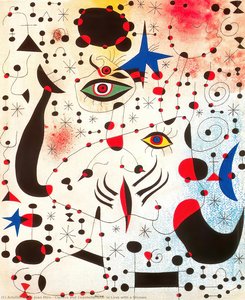
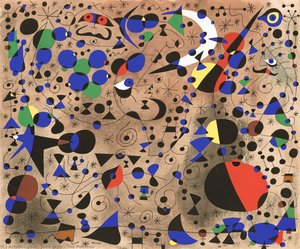
Der Flug der Libelle vor der Sonne

 Weiterlesen
Die auf dieser Seite dargestellten Kunstwerke sind urheberrechtlich geschützt, was bedeutet, dass wir keine identische Reproduktion rechtmäßig erstellen oder verkaufen dürfen. Dieser Schutz wird durch internationale Abkommen wie die Berner Übereinkunft und durch nationale Gesetze, einschließlich derer, die von den US-Urheberrecht – Titel 17.
Diese Methode entspricht vollumfänglich den Urheberrechtsbestimmungen, da sie keine Kopie oder Vervielfältigung des geschützten Kunstwerks darstellt. Stattdessen handelt es sich um eine kreative Neuinterpretation – ein neues Gemälde, das vom Original inspiriert, aber nicht identisch mit ihm ist.
Giclée / Kunstdruck
Giclée- oder Leinwanddruck in Museumsqualität mit schneller Produktion und flexiblen Veredelungsoptionen. ( Handgemalte Reproduktion bestellen Zum digitalen Bild wechseln)




P118B €10

P118H €10

P118W €10

P438Z €10

P508JH €12

P508YH €12

P805H €10

P805Z €10

P919BZ €10

P919G €10

P919XJ €10

P959ZH €10

P968JZ €12

W106C €8

W218G €10

W218JH €8

W218Y €10

W307PJ €10

W316G €10

W316PJ €8

W316Y €10

W398PJ €8

W4111J €10

W500HY €15

W500JH €15

W692G €12

W849H €8

W940BG €15

W953PJ €8




Wählen Sie aus unseren vordefinierten Formaten, die den ursprünglichen Proportionen des Kunstwerks entsprechen.

Geben Sie die benötigte Breite und Höhe an, damit der Druck perfekt in Ihren Rahmen oder an Ihre Wand passt. Ein Druck kann nur beschnitten, aber niemals größer als das Originalbild angefertigt werden; daher verliert ein Format mit anderen Proportionen einen Teil des Bildes. Wir senden Ihnen ein digitales Mockup zur Freigabe, bevor wir den Druck ausführen. Das auf dieser Seite gezeigte Bild zeigt nicht den tatsächlichen Beschnitt – dies ist nur im Mockup ersichtlich.
Weltweiter Versand () innerhalb von 2 Wochen statt der üblichen 4/5 Wochen. (4 November)

Kostenloser weltweiter Expressversand

Hochwertige Leinenleinwand

Umfassender Versicherungsschutz beim Versand

Zollgebühren-Rückerstattungsgarantie

Garantie für exakte Farbtreue

100 Tage Rückgaberecht (nur bei Mängeln)

100% Geld-zurück-Garantie

Mengenrabatt verfügbar
 Die Glasoption ist nur für Größen unter 110 cm verfügbar.

Der Flug der Libelle vor der Sonne
Giclée / Kunstdruck
Format der Reproduktion
-


Endpreis
€ 72
A Symphony of Circles and Light: Exploring Joan Miró’s “Vuelo de la Libélula Frente al Sol”
Joan Miró’s “Vuelo de la libélula delante del sol,” painted in 1968, stands as a quintessential example of Surrealist abstraction—a realm where logic yields to intuition and dreamlike imagery dominates. More than just a visual spectacle, this artwork embodies the Catalan artist's profound engagement with themes of metamorphosis, resilience, and the elusive beauty of nature, reflecting his lifelong fascination with Catalan landscapes and folklore.
- Subject Matter: The painting depicts a single red circle positioned prominently against a serene blue backdrop. Complementing this central element are two smaller circles situated at the upper left and lower right corners, subtly directing the viewer’s gaze inwards.
- Style & Technique: Miró employed his signature technique—a blend of spontaneous brushstrokes and meticulous layering—to achieve an ethereal effect. The textured surface captures the artist's tactile approach to painting, conveying a sense of organic growth and movement despite its geometric simplicity.
The Surrealist Vision – Beyond Representation
Miró’s artistic trajectory began in Barcelona during his formative years, influenced by the architectural grandeur of Antoni Gaudí—a kindred spirit who championed organic forms and challenged conventional aesthetic norms. This influence is palpable in Miró's refusal to depict recognizable subjects; instead, he sought to express inner emotions and subconscious impulses through abstract shapes and colors.
- Symbolism: The red circle represents vitality and passion—a powerful visual metaphor for the artist’s exploration of primal energies. Simultaneously, it symbolizes wholeness and unity, mirroring Miró's belief in the interconnectedness of all things.
- Historical Context: Created during the height of Surrealist experimentation, “Vuelo de la libélula delante del sol” aligns with Miró’s broader artistic project—a deliberate rejection of academic conventions and a commitment to capturing the essence of human experience beyond rational thought.
Emotional Resonance – A Meditation on Transformation
Looking closely at “Vuelo de la libélula delante del sol,” one perceives an undeniable sense of tranquility juxtaposed with underlying dynamism. The blue hue evokes feelings of serenity and contemplation, while the red circle pulsates with energy—suggesting a continuous process of change and renewal. It’s as if Miró invites us to embark on a journey inward, mirroring the artist's own lifelong quest for spiritual understanding.
- Color Palette: The harmonious blend of blue and red underscores Miró’s masterful use of color—a tool he employed not merely for decorative purposes but as a conduit for conveying emotional states.
- Overall Impression: Ultimately, “Vuelo de la libélula delante del sol” transcends mere visual representation; it becomes an embodiment of Miró's artistic philosophy—a celebration of imagination and a testament to the transformative power of art.
This artwork’s enduring appeal lies in its ability to resonate with viewers on a deeply personal level, prompting contemplation about themes of life, death, and the sublime beauty of existence. A reproduction captures this essence beautifully, bringing Miró's visionary aesthetic into any interior space.
Fragen & Antworten
Welche Farbe dominiert in "Der Flug der Libelle vor der Sonne" von Joan Miró?
Die dominante Farbe von "Der Flug der Libelle vor der Sonne" von Joan Miró ist Rot (#e40102).
Inwiefern steht das Sujet von „Der Flug der Libelle vor der Sonne“ in Beziehung zu den üblichen Themen von Joan Miró?
Unter den dokumentierten Themen von Joan Miró – organic forms, dreamlike imagery, catalan expression, symbolic representation, personal vision – setzt „Der Flug der Libelle vor der Sonne“ einen ganz eigenen Fokus auf red circle, blue background, insect flight, sunlight, geometric shapes, organic forms, catalan identity.
Welche Farbe dominiert in "Der Flug der Libelle vor der Sonne" von Joan Miró?
"Der Flug der Libelle vor der Sonne" weist einen Warme Sonnenuntergangstöne Farbton auf.
Künstlerbiografie
**frühes Leben und Karriere**
joan miró, ein renommierter spanischer Maler, Bildhauer und Keramiker, wurde am 20. April 1893 in Barcelona, Spanien, geboren. Seine Familie, von jüdischen (Marrano oder Konverso) Wurzeln, hatte einen bedeutenden Einfluss auf sein frühes Leben. Mirós Vater, Miquel Miró Adzerias, war Goldschmied und Uhrmacher, was möglicherweise der Künstlersein Interesse an komplizierten Details inspirierte.**Künstlerische Entwicklung**
Miró begann mit sieben Jahren mit Zeichenunterricht in einer privaten Schule in Barcelona. Später nahm er am Kunstakademie La Llotja auf, trotz Ablehnung durch seinen Vater. Dies markierte den Beginn von Mirós künstlerischer Reise, die schließlich zu seiner Pionierarbeit im Surrealismus und abstrakter Kunst führte.**Bekannte Werke und Kooperationen**
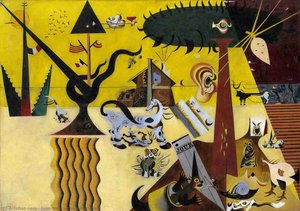
* The Farm (1922), ein Gemälde, das Mirós Übergang zu einem individuelleren Stil zeigt, mit nationalistischen Zügen. * Zusammenarbeit mit Max Ernst bei der Gestaltung von Sergei Diaghilews Ballett 1926, die die Technik des Grattage begründete. * The Dutch Interiors (1928), eine Reihe von Gemälden, inspiriert von Hendrik Martenszoon Sorth und Jan Steen, die Mirós einzigartigen Stil zeigt.**Museen und Vermächtnis**
* Die Fundació Joan Miró in Barcelona, gegründet 1975, die Mirós Werke präsentiert. * Die Fundació Pilar i Joan Miró in Palma de Mallorca, gegründet 1981, festigte Mirós Vermächtnis weiter.**Wichtige Werke und ihre Bedeutung**
- Painting (1933), ein abstraktes Ölgemälde, das Mirós surrealistische Vision veranschaulicht.
- Pintura 11, ein weiteres bemerkenswertes abstraktes Werk, das Mirós einzigartigen Stil zeigt.
- The Ear of Corn (37 x 46 cm), ein surrealistisches Werk, das komplizierte Details zeigt.
- The Birth of Day, ein abstraktes Kunstwerk, das Mirós Beiträge zur abstrakten Kunst weiter festigt.
**Fazit**
Mirós Vermächtnis als Pionier des Surrealismus und der abstrakten Kunst ist unbestreitbar. Seine Werke, die in verschiedenen Museen ausgestellt werden, darunter die Fundació Joan Miró, inspirieren weiterhin Künstler und Kunstliebhaber gleichermaßen. Für weitere Informationen über Mirós Werke besuchen Sie [https://OriginalUniqueArt.com/@/joan-miro](https://OriginalUniqueArt.com/@/joan-miro) oder erkunden Sie seine bemerkenswerten Werke unter [https://OriginalUniqueArt.com/@@/8ewky5-joan-miro-painting](https://OriginalUniqueArt.com/@@/8ewky5-joan-miro-painting).- Mehr Kunstwerke von Joan Miró auf OriginalUniqueArt.com
- Entdecken Sie das Museum Fundació Joan Miró in Barcelona, Spanien
- Erkunden Sie die Biografie und bemerkenswerten Werke des Künstlers unter [https://en.wikipedia.org/wiki/joan_mir%c3%b3](https://en.wikipedia.org/wiki/joan_mir%c3%b3)
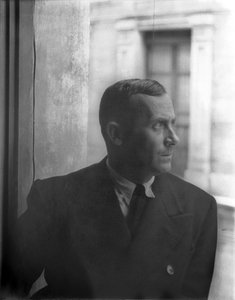
Joan Miró
1893 - 1983 , Spanien
Kurzinfos
- Beeinflusste Künstler:
- Vincent van Gogh
- Paul Cézanne
- Bemerkenswerte Werke:
- Die Farm (1922)
- Dutch Interiors (1928)
- Gemälde (1933)
- Geburtsdatum: 20. April 1893
- Geburtsort: Barcelona, Spanien
- Künstlerischer Stil: Surrealismus, abstrakte Kunst
- Nationalität: Spanisch
- Todatum: 1983
- Vollständiger Name: Joan Miró i Ferrà
Ähnliche Artikel

Meister der Abstraktion: Die 25 ikonischsten Werke von Wassily Kandinsky
Entdecken Sie die 25 Meisterwerke Kandinskys und die Magie der Abstraktion. Erleben Sie die volle Sammlung auf OriginalUniqueArt.com.

Abstrakter Expressionismus: Die 10 Meisterwerke, die eine Kunstbewegung prägten |
Entdecken Sie die 10 Meisterwerke des Abstrakten Expressionismus! Von Jackson Pollock bis Mark Rothko – erfahren Sie die Geschichten hinter ikonischen Gemälde und finden Sie hochwertige Reproduktionen für Ihr Zuhause. Jetzt bei entdecken!

Geometrische Abstraktion: Die 10 Meisterwerke, die Kunstgeschichte prägten | OriginalUniqueArt.com
Entdecken Sie die 10 Meisterwerke der geometrischen Abstraktion! Von Kandinsky bis Mondrian – erleben Sie die Geschichte, Farben & Formen dieser revolutionären Kunstrichtung. Hochwertige Kunstreproduktionen auf OriginalUniqueArt.com

25 Meisterwerke von Joan Miró: Eine Reise durch den surrealen Zauber
Entdecken Sie 25 Meisterwerke von Joan Miró und den Surrealismus. Erleben Sie die volle Sammlung auf OriginalUniqueArt.com.

Visual Power Move: Warum zeitgenössische Abstraktion dein Interior revolutioniert
Erfahren Sie alles über die Wirkung zeitgenössischer Abstraktion im Interior Design. Revolutionieren Sie Ihr Zuhause mit visuellem Impact!