

 In echtem Maßstab anzeigen
 Versenden als Grußkarte
 Teilen
 Details anzeigen
 Leitfaden öffnen

 Herunterladen
 Ähnliche Objekte
 Röntgenaufnahme
 Diashow
 Besucherstatistiken
Slaughtered Pig
 Oil On Canvas
- WallArt
- Renaissance Realism
 1563
1563- Renaissance
 114.0 x 83.0 cm
 Wallraf-Richartz-Museum
 Mehr anzeigen
Giclée / Kunstdruck
Giclée- oder Leinwanddruck in Museumsqualität mit schneller Produktion und flexiblen Veredelungsoptionen. ( Handgemalte Reproduktion kaufen Zum digitalen Bild wechseln)




P118B €10

P118H €10

P118W €10

P438Z €10

P508JH €12

P508YH €12

P805H €10

P805Z €10

P919BZ €10

P919G €10

P919XJ €10

P959ZH €10

P968JZ €12

W106C €8

W218G €10

W218JH €8

W218Y €10

W307PJ €10

W316G €10

W316PJ €8

W316Y €10

W398PJ €8

W4111J €10

W500HY €15

W500JH €15

W692G €12

W849H €8

W940BG €15

W953PJ €8




Wählen Sie aus unseren vordefinierten Formaten, die den ursprünglichen Proportionen des Kunstwerks entsprechen.

Geben Sie die Breite und die Höhe an, die Sie benötigen, damit der Druck perfekt in Ihren Rahmen oder an Ihre Wand passt. Ein Druck kann nur beschnitten werden und niemals größer als das Originalbild gemacht werden; daher verliert ein Format mit einer anderen Proportion einen Teil des Bildes. Wir senden Ihnen ein digitales Mockup zur Freigabe, bevor wir den Druck ausführen. Das auf dieser Seite gezeigte Bild zeigt nicht den tatsächlichen Beschnitt – dies ist nur im Mockup ersichtlich.
Weltweiter Versand () innerhalb von 2 Wochen statt der üblichen 4/5 Wochen. (23 Oktober)

Kostenloser weltweiter Expressversand

Hochwertige Leinenleinwand

Vollständiger Versicherungsschutz beim Versand

Zollgebühren-Rückerstattungsgarantie

Garantie für exakte Farbtreue

100-tägiges Rückgaberecht (nur bei Mängeln)

100% Geld-zurück-Garantie

Angebot für Mengenrabatt
 Die Glasoption ist nur für Größen unter 110 cm verfügbar.

Slaughtered Pig
Giclée / Kunstdruck
Format der Reproduktion
-


Gesamtpreis
€ 70
A Visceral Encounter with Renaissance Realism
In the quiet intensity of Joachim Beuckelaer’s 1563 masterpiece, "Slaughtered Pig," the viewer is not merely an observer but a witness to a profound moment of transformation. This oil on canvas, born from the vibrant intellectual and commercial energy of Antwerp’s golden age, transcends the boundaries of a simple genre painting. At first glance, the scene presents a raw, almost unsettling depiction of butchery: a pig hangs suspended from a sturdy wooden beam, its hind legs bound, while the visceral reality of its anatomy is laid bare. The artist does not flinch from the grisly details; instead, he invites us to look closer at the exposed musculature and the glistening textures of the carcass. Through this unflinching gaze, Beuckelaer captures a pivotal moment in art history where the boundaries between the mundane and the monumental begin to blur.
The composition is a masterclass in chiaroscuro, utilizing dramatic light and deep, enveloping shadows to sculpt the figures and the central subject. As light spills across the scene, it illuminates the intricate textures of the pig's skin and the practiced movements of the two men engaged in their labor. One figure, perched precariously atop a ladder, reaches toward the animal, while another stands below, wielding his tools with a precision that speaks to years of tradition. This interplay of light and shadow does more than create depth; it imbues the scene with a somber, almost ritualistic atmosphere, turning a common agricultural task into a heavy meditation on the cycle of life and death.
The Art of the Everyday: Symbolism and Technique
Beyond the surface-level realism lies a complex web of symbolism deeply rooted in the humanist spirit of the sixteenth century. While Beuckelaer is celebrated for his mastery of market and kitchen scenes, his work often carries an undercurrent of spiritual reflection. The act of slaughter depicted here can be viewed as a symbolic representation of sacrifice, a theme that resonated powerfully within the religious landscape of the Renaissance. The vulnerability of the animal, contrasted with the methodical, almost clinical precision of the butchers, serves as a poignant reminder of mortality and the interconnectedness of all living things. It is this ability to find profound meaning within the most earthly of subjects that elevates Beuckelaer from a mere chronicler of daily life to a philosopher of the canvas.
Technically, the painting is a triumph of Flemish precision. Beuckelaer employed a meticulous layering of translucent glazes, a technique that allows light to penetrate the paint layers and reflect back, creating an inner luminosity and an extraordinary sense of tactile realism. Every element—from the rough grain of the wooden beam to the sheen of the metal instruments—is rendered with an obsessive attention to detail. This dedication to texture makes the painting feel remarkably alive, as if one could almost sense the weight of the carcass or the dampness of the rural setting. For the collector or interior designer, such a piece offers more than just visual beauty; it provides a conversation piece that commands attention through its sheer technical prowess and emotional depth.
A Timeless Addition to the Sophisticated Interior
For those seeking to curate a space that reflects depth, history, and a love for classical realism, "Slaughtered Pig" offers an unparalleled sense of character. The painting’s palette, dominated by rich earth tones, provides a grounding element that complements both traditional and contemporary decor. Its ability to evoke a sense of nostalgia and reverence makes it an ideal centerpiece for a study, a library, or a dining room where themes of sustenance and heritage are celebrated. Owning a high-quality reproduction of this work allows one to bring the spirit of the Antwerp Renaissance into the modern home, offering a window into a world where even the most unsettling realities were met with profound artistic contemplation.
Fragen & Antworten
Ist Joachim Beuckelaer, der Schöpfer von „Slaughtered Pig“, unter anderen Namen bekannt?
Weitere unter denen Joachim Beuckelaer, Schöpfer von „Slaughtered Pig“, bekannt ist, umfassen Joachim Bueckelaer, Ioachimus Bueckelaer, Joachim, Joachim Beuckeleer.
Wo kann ich das Original von "Slaughtered Pig" von Joachim Beuckelaer sehen?
"Slaughtered Pig" von Joachim Beuckelaer wird im Wallraf-Richartz-Museum, Köln, Deutschland ausgestellt. Die Museumsangabe bezieht sich auf das Originalwerk, nicht auf Reproduktionen.
Wie viele Personen sehen "Slaughtered Pig"?
Die Seite Statistiken von "Slaughtered Pig" von Joachim Beuckelaer präsentiert öffentliche Besucherstatistiken: die monatlichen Aufrufe dieses Kunstwerks, einen Vergleich mit den meistbesuchten Werken des Künstlers sowie die Herkunft der Besucher.
Biografie des Künstlers
Joachim Beuckelaer: Ein Leben in der flämischen Malerei
- Geboren: Antwerpen, Belgien (ca. 1533)
- Gestorben: ca. 1573
Joachim Beuckelaer war ein bedeutender flämischer Maler, der sich auf Marktszenen und Küchenbilder spezialisierte und für seine detaillierten Darstellungen von Lebensmitteln, Haushaltsgeräten und die Integration biblischer Erzählungen in den Alltag bekannt war. Seine Arbeit beeinflusste maßgeblich die Entwicklung der Stilllebenkunst nicht nur in Nordeuropa, sondern auch in Italien.
Frühes Leben und Ausbildung
Beuckelaer wurde in eine Familie von Malern geboren; sein Vater, Mattheus Beuckeleer, war als Meister in der Antwerpener Lukasgilde registriert. Diese familiäre Verbindung verschaffte ihm frühzeitig Einblicke in die Kunstwelt. Er erhielt wahrscheinlich seine erste Ausbildung von seinem Vater und Onkel, Pieter Aertsen, einem gefeierten Maler, der Pionierarbeit bei Marktszenen und Küchenbildern leistete. Sein Bruder, Huybrecht Beuckelaer, folgte ebenfalls ihren Spuren als Maler.
Joachim Beuckelaer wurde 1560 zum unabhängigen Meister in der Antwerpener Lukasgilde, was seinen formellen Eintritt in die künstlerische Gemeinschaft markierte. Während seiner Karriere blieb er aktiv in Antwerpen und entwickelte kontinuierlich die von Aertsen etablierten Themen weiter.
Hauptmerkmale seines Werkes
- Marktszenen: Beuckelaers Marktszenen zeichneten sich durch ihre akribische Detailgenauigkeit aus und enthielten oft biblische Episoden im Hintergrund. Zum Beispiel stellt seine „Die vier Elemente“-Serie einen belebten Fischmarkt mit zwölf Fischarten dar, die die zwölf Jünger Jesu repräsentieren, während ein Bogen eine Szene von Jesus am See Genezareth zeigt.
- Küchenbilder: Ähnlich wie Aertsen zeigten Beuckelaers Küchenbilder üppige Zutaten und häusliche Umgebungen. Sein „Küchenbild mit Christus in Emmaus“ kombiniert auf einzigartige Weise eine großzügige Mahlzeitenzubereitung mit der biblischen Geschichte von Christi Erscheinen an seine Jünger.
- Stillleben-Elemente: Obwohl er hauptsächlich für Marktszenen und Küchenbilder bekannt ist, schuf Beuckelaer auch Stillleben mit Alltagsgegenständen und Lebensmitteln, die seine Meisterschaft in Detailtreue und Realismus demonstrierten. Sein „Stillleben einer Karkasse“ (1563) gilt als eines der frühesten datierten Beispiele für dieses Thema.
Einfluss und Vermächtnis
Beuckelaers künstlerische Innovationen hatten einen bleibenden Einfluss auf nachfolgende Generationen von Malern. Er beeinflusste maßgeblich Künstler wie Frans Snyders, der das Genre der elaborierten Stillleben weiterentwickelte, und Vincenzo Campi in Italien. Die „Die vier Elemente“-Serie zeugt von seinem Können, alltägliche Szenen nahtlos mit religiöser Symbolik zu verbinden, und trägt so wesentlich zur Entwicklung sowohl der Marktszenenmalerei als auch des aufkommenden Feldes der Stilllebenkunst bei.
Historische Bedeutung
Joachim Beuckelaer spielte eine entscheidende Rolle beim Übergang der flämischen Kunst von vorwiegend religiösen Themen hin zu profaneren Motiven. Seine detaillierten Darstellungen des Alltagslebens – Märkte, Küchen und Stillleben – spiegelten ein wachsendes Interesse an Realismus und Beobachtung innerhalb der künstlerischen Gemeinschaft wider. Durch die Integration biblischer Erzählungen in diese Szenen schuf er Werke, die sowohl visuell fesselnd als auch reich an Bedeutung waren, was seine Position als eine zentrale Figur in der flämischen Kunst des 16. Jahrhunderts festigte.

Joachim Beuckelaer
1533 - 1573 , Belgien
Eckdaten zum Künstler
- Artistic Movement Or Style: Renaissance Kunst
- Artists Or Movements Influenced By This Artist:
- Frans Snyders
- Vincenzo Campi
- Artists Who Influenced This Artist: ['Pieter Aertsen']
- Date Of Birth: ca. 1533
- Date Of Death: ca. 1573
- Full Name: Joachim Beuckelaer
- Nationality: Flämisch
- Notable Artworks:
- Vier Elemente: Wasser
- Küchenszene mit Christ in Emmaus
- Fischmarkt
- Place Of Birth: Antwerpen, Belgien
Verwandte Artikel
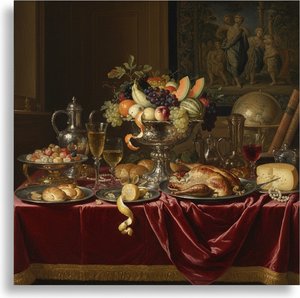
Abraham Hendricksz van Beyeren: Pioneering Dutch Still Life & the Banquet Tradition
Explore the captivating world of Dutch Golden Age still life with Abraham van Beyeren. Discover his innovative techniques, symbolic banquet scenes & lasting influence on art history. Learn about collecting these masterpieces.
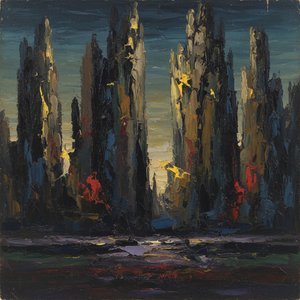
Clyfford Still's Abstract Expressionism: A Study of Color, Form & the Existential Landscape
Explore the profound world of Clyfford Still's Abstract Expressionism with OriginalUniqueArt. Discover his unique style, existential themes & investment potential. Expert analysis for discerning collectors.

Silent Narratives: Exploring the Enduring Appeal of Still Life Painting Across Centuries
Explore the rich history of still life painting with OriginalUniqueArt. Discover Dutch Masters, decode vanitas symbolism & learn about collecting timeless art. Expert insights and museum-quality reproductions.
Vom klassischen Stillleben zur zeitgenössischen Abstraktion: Die Veredelung von Villa-Ambientes durch kunstvolle Reproduktionen
Entdecken Sie die faszinierende Welt der Stilllebenmalerei! Von historischen Meisterwerken bis zur zeitgenössischen Abstraktion – wir bieten hochwertige Reproduktionen für luxuriöse Villa-Ambientes. Expertenberatung & Kunstsammlerqualität.
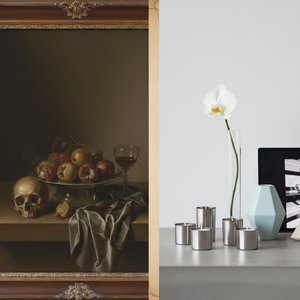
The Enduring Appeal of Still Life: A Historical & Contemporary Exploration
Explore the rich history & symbolism of still life painting with OriginalUniqueArt. Discover masterpieces from the Dutch Golden Age, learn about vanitas art, and find expert guidance for collecting timeless artworks.


