In echtem Maßstab anzeigen
 Versenden als Grußkarte
 Teilen
 Details anzeigen
 Leitfaden öffnen

 Herunterladen
 Ähnliche Objekte
 Röntgenaufnahme
 Diashow
 Besucherstatistiken
Drunken Bacchus and Cupid


 Mehr anzeigen
Giclée / Kunstdruck
Giclée- oder Leinwanddruck in Museumsqualität mit schneller Produktion und flexiblen Veredelungsoptionen. ( Handgemalte Reproduktion kaufen Zum digitalen Bild wechseln)




P118B €10

P118H €10

P118W €10

P438Z €10

P508JH €12

P508YH €12

P805H €10

P805Z €10

P919BZ €10

P919G €10

P919XJ €10

P959ZH €10

P968JZ €12

W106C €8

W218G €10

W218JH €8

W218Y €10

W307PJ €10

W316G €10

W316PJ €8

W316Y €10

W398PJ €8

W4111J €10

W500HY €15

W500JH €15

W692G €12

W849H €8

W940BG €15

W953PJ €8




Wählen Sie aus unseren vordefinierten Formaten, die den ursprünglichen Proportionen des Kunstwerks entsprechen.

Geben Sie die Breite und die Höhe an, die Sie benötigen, damit der Druck perfekt in Ihren Rahmen oder an Ihre Wand passt. Ein Druck kann nur beschnitten werden und niemals größer als das Originalbild gemacht werden; daher verliert ein Format mit einer anderen Proportion einen Teil des Bildes. Wir senden Ihnen ein digitales Mockup zur Freigabe, bevor wir den Druck ausführen. Das auf dieser Seite gezeigte Bild zeigt nicht den tatsächlichen Beschnitt – dies ist nur im Mockup ersichtlich.
Weltweiter Versand () innerhalb von 2 Wochen statt der üblichen 4/5 Wochen. (24 Oktober)

Kostenloser weltweiter Expressversand

Hochwertige Leinenleinwand

Vollständiger Versicherungsschutz beim Versand

Zollgebühren-Rückerstattungsgarantie

Garantie für exakte Farbtreue

100-tägiges Rückgaberecht (nur bei Mängeln)

100% Geld-zurück-Garantie

Angebot für Mengenrabatt
 Die Glasoption ist nur für Größen unter 110 cm verfügbar.

Drunken Bacchus and Cupid
Giclée / Kunstdruck
Format der Reproduktion
-


Gesamtpreis
€ 70
The Drunken Bacchus and Cupid: A Celebration of Myth and Academic Mastery
Jean Léon Gérôme’s “Drunken Bacchus and Cupid,” painted in 1850, is more than just a depiction of the Greek god Dionysus indulging with his divine counterpart, Cupid. It's a meticulously crafted testament to the enduring power of Neoclassical ideals within the vibrant landscape of 19th-century French art. This oil on canvas masterpiece, currently residing in the Musée des Beaux-Arts de Bordeaux, offers a captivating glimpse into a world where mythology and artistic skill converged to create an image of unparalleled detail and emotional resonance.
- Subject Matter: The painting’s core narrative revolves around the iconic pairing of Bacchus (Dionysus), god of wine and revelry, and Cupid, the embodiment of love. Their playful interaction – a scene of apparent intoxication and shared joy – immediately draws the viewer into a world of ancient mythology.
- Style & Technique: Gérôme’s approach firmly anchors this work within the Academicism style, a movement characterized by its commitment to historical subjects, precise realism, and masterful brushwork. The smooth, polished surfaces achieved through meticulous layering of oil paint demonstrate an exceptional command of technique. Notice the subtle gradations in color, creating a sense of volume and depth that is characteristic of the era’s most accomplished artists.
- Composition: The circular composition directs the eye across the scene, emphasizing the central figures while subtly incorporating a distant landscape – a common feature in academic paintings designed to evoke a sense of vastness and timelessness.
Decoding Symbolism and Narrative
Beyond its immediate visual appeal, “Drunken Bacchus and Cupid” is rich with symbolic meaning. The depiction of Bacchus, often associated with excess and liberation, speaks to the human desire for pleasure and escape from societal constraints. Cupid, ever present, represents not just romantic love but also the capricious nature of fate and divine intervention. The lush landscape surrounding the figures – a carefully rendered representation of idealized beauty – further reinforces this sense of idyllic harmony. Floral wreaths adorning their heads are potent symbols of divinity and grace, elevating the scene to a realm beyond mere earthly revelry.
- Color Palette: Gérôme’s masterful use of color contributes significantly to the painting's emotional impact. Rich reds, golds, and browns dominate, evoking warmth, sensuality, and the intoxicating effects of wine.
- Light & Shadow: The soft, diffused lighting creates a sense of atmosphere and drama, highlighting the figures’ forms and enhancing their expressions.
Historical Context and Artistic Significance
Created in 1850, “Drunken Bacchus and Cupid” reflects the broader artistic trends of its time – a period marked by a renewed interest in classical antiquity and a desire to emulate the achievements of the Old Masters. Jean-Léon Gérôme was one of the most celebrated artists of his era, renowned for his ability to capture historical scenes with breathtaking realism and dramatic flair. His work served as an important bridge between Neoclassicism and Romanticism, demonstrating a commitment to both traditional techniques and innovative storytelling. The painting’s enduring appeal lies in its ability to transport viewers to another time and place, inviting them to contemplate the timeless themes of love, pleasure, and divine intervention.
OriginalUniqueArt.com offers meticulously crafted hand-painted reproductions of this iconic artwork, allowing you to bring a piece of art history into your home or office. Each reproduction is created using archival quality materials, ensuring that it will retain its beauty and vibrancy for generations to come.
Fragen & Antworten
Kann ich eine Röntgenaufnahme von "Drunken Bacchus and Cupid" von Jean-Léon Gérôme sehen?
„Drunken Bacchus and Cupid“ kann Schicht für Schicht auf der Röntgenaufnahme-Seite des Kunstwerks untersucht werden – ein Viewer, inspiriert von der Leuchttisch eines Restaurators, mit elf optischen Ebenen des Bildes.
Wo sollte eine Reproduktion von "Drunken Bacchus and Cupid" von Jean-Léon Gérôme aufgehängt werden?
Das Format Portrait von "Drunken Bacchus and Cupid" von Jean-Léon Gérôme wird für ein Dining Room empfohlen. Format und Raumgestaltung leiten gemeinsam die Platzierung einer Reproduktion.
Wo finde ich einen Leitfaden zu „Drunken Bacchus and Cupid“?
Die Leitfaden-Seite von "Drunken Bacchus and Cupid" von Jean-Léon Gérôme bietet ein druckbares, zweiseitiges Infoblatt: das Kunstwerk mit seiner Identifikationstabelle, eine Zeitstrahl-Einordnung in die Lebensspanne des Künstlers, weitere Werke des Künstlers, die gemessene Farbpalette sowie kopierfertige Zitate in vier verschiedenen Stilen.
Biografie des Künstlers
Frühe Jahre und Ausbildung
Jean-Léon Gérôme, ein renommierter französischer Maler und Bildhauer, wurde am 11. Mai 1824 in Vesoul, Haute-Saône geboren. Seine frühe künstlerische Ausbildung erhielt er von dem lokalen Künstler Claude-Basile Cariage. Im Jahr 1840 zog er nach Paris, um unter Paul Delaroche zu studieren und besuchte später die École des Beaux-Arts.Aufstieg zum Ruhm
Gérômes Gemälde Die Stierkampf (1846) brachte ihm 1847 eine dritte Auszeichnung beim Pariser Salon ein. Dieses Werk wurde als Inbegriff der Neo-Grec-Bewegung angesehen und katapultierte seine Karriere. Er wurde zu einem der einflussreichsten Lehrer seiner Zeit, wobei Schüler wie Thomas Eakins, John Singer Sargent und Mary Cassatt zu seinen Schützlingen gehörten.Wichtige Aufträge
Gérôme erhielt den Auftrag, ein großes Wandgemälde mit dem Titel Das Zeitalter des Augustus, die Geburt Christi zu malen. Dieses Werk vereinte die Darstellung der Geburt Christi mit der Huldigung des Augustus durch unterworfene Nationen und sollte Napoleon III. schmeicheln, der es in Auftrag gegeben hatte.Künstlerischer Stil und Vermächtnis
Gérômes Gemälde zeichneten sich durch seine akribische Detailgenauigkeit, lebendigen Farben und dramatische Beleuchtung aus. Er verwendete oft historische oder mythologische Themen, um Themen wie Macht, Gewalt und Sexualität zu erkunden. Seine orientalistischen Gemälde, wie Haremfrauen füttern Tauben im Innenhof, wurden für ihre exotischen Schauplätze und die erotisierten Darstellungen von Frauen aus dem Nahen Osten hoch geschätzt.- Betrachten Sie Gérômes Kunstwerke auf OriginalUniqueArt: Schlangenbeschwörer
- Erkunden Sie das Musée d'Art et d'Histoire de Cholet, das Gérômes Werke zeigt: Entdeckung des Musée d'Art et d'Histoire de Cholet (Frankreich)
- Erfahren Sie mehr über John Singer Sargent, einen von Gérômes Schülern: John Singer Sargent
Schlussfolgerung
Jean-Léon Gérômes künstlerisches Vermächtnis ist ein Beweis für seinen innovativen Stil und seine technische Fertigkeit. Als einflussreicher Lehrer und Künstler hat er bleibende Spuren in der Kunstwelt hinterlassen. Seine Werke inspirieren und faszinieren das Publikum bis heute. Wichtige Daten:- Mai 1824: Geburt in Vesoul, Haute-Saône
- 1840: Umzug nach Paris zur Studienzeit bei Paul Delaroche
- 1846: Malte Die Stierkampf
- 10. Januar 1904: Tod in Paris

Jean-Léon Gérôme
1824 - 1904 , Frankreich
Eckdaten zum Künstler
- Beeinflusste Künstler:
- Thomas Eakins
- John Singer Sargent
- Mary Cassatt
- Bemerkenswerte Werke:
- Der Hahnkampf
- Öffentliches Gebet in Kairo
- Harem Frauen füttern Tauben
- Geburtsdatum: 11. Mai 1824
- Geburtsort: Vesoul, Frankreich
- Künstlerische Richtung: Neoklassizismus, Orientalismus
- Nationalität: Französisch
- Todatum: 10. Januar 1904
- Vollständiger Name: Jean-Léon Gérôme
Verwandte Artikel

Jean-Léon Gérôme: Akademische Strenge und orientalistische Visionen – Ein Meister der französischen Malerei
Entdecken Sie das faszinierende Werk von Jean-Léon Gérôme! Wir analysieren seine akademische Strenge, orientalistischen Visionen und ikonischen Gemälde. Ein tiefer Einblick in den Meister der französischen Malerei des 19. Jahrhunderts.
Akademischer Realismus: Die 10 Meisterwerke, die eine Epoche prägten | OriginalUniqueArt
Entdecken Sie die 10 prägendsten Meisterwerke des Akademischen Realismus! Erfahren Sie die Geschichten hinter berühmten Gemälden, Künstlern & Techniken. Hochwertige Reproduktionen für Ihr Zuhause – jetzt auf OriginalUniqueArt.com!
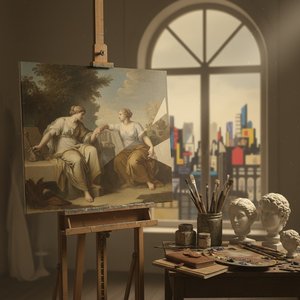
Academic Art: Tradition, Technique & the Rise of Modernism
Explore the rich history of Academic Art – its techniques, key masters like Bouguereau & Ingres, and influence on 19th-century painting. Discover this enduring tradition.

Academic Art: Tradition, Technique & the Pursuit of Ideal Form in the 19th Century
Explore the world of Academic Art! Discover its history, key artists like Ingres & Bouguereau, defining techniques, and lasting influence on 19th-century painting. Learn about the Salon system and its legacy.

Meisterwerke des 19. Jahrhunderts: Kunst für Ihr Zuhause | OriginalUniqueArt
Entdecken Sie die 10 bedeutendsten Kunstwerke des 19. Jahrhunderts! Von Impressionismus bis Realismus – erleben Sie die Geschichten berühmter Maler und ihre Meisterwerke. Hochwertige Reproduktionen für Ihr Zuhause auf OriginalUniqueArt.com.