
 Vorschau anzeigen
 Versenden
 Teilen
 Details anzeigen

 Herunterladen
 Ähnliche Objekte
 Röntgenaufnahme
 Diashow
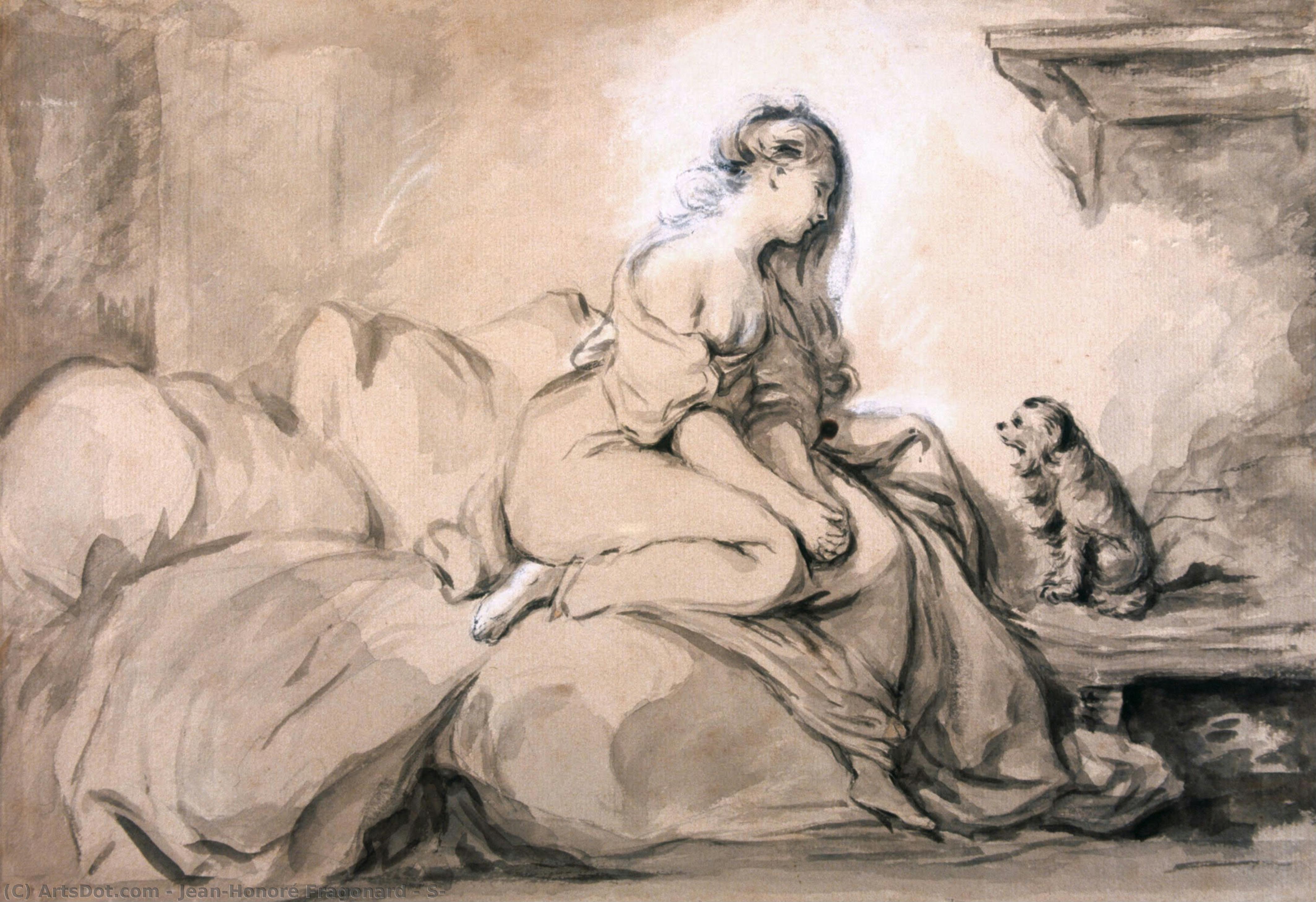
S


 Weiterlesen
Erwerben Sie ein hochauflösendes, optimiertes digitales Bild, das der Online-Vorschau weit überlegen ist.
Jede Datei wird von unseren hauseigenen Spezialisten mit modernsten Werkzeugen und fachmännischer manueller Retusche sorgfältig vorbereitet. Wir stellen sicher, dass jedes Bild eine außergewöhnliche Klarheit, präzise Farbgenauigkeit und feinste Details aufweist.
Die endgültige Datei wird innerhalb von 72 Stunden per E-Mail zugestellt und ist für den sofortigen Einsatz in professionellen, redaktionellen und Druckumgebungen optimiert. Es handelt sich um dieselbe Qualität, der führende Designstudios, Verlage und Galerien vertrauen.
Digitales Bild
Laden Sie eine hochauflösende Datei für die persönliche Präsentation, den Druck und kreative Projekte herunter. ( Druck bestellen Handgemalte Reproduktion bestellen)
In jeder Bestellung digitaler Bilder enthalten
Professionelle digitale Bereitstellung, garantiert
Wenn Sie sich für OriginalUniqueArt.com entscheiden, erhalten Sie nicht nur ein Bild – Sie erhalten ein professionell aufbereitetes digitales Kunstwerk, das mit höchster Präzision erstellt und durch eine Zufriedenheitsgarantie abgesichert wird. Hier ist alles, was automatisch mit Ihrer Bestellung geliefert wird:

Schnelle E-Mail-Zustellung
Ihre hochauflösende digitale Bilddatei wird Ihnen innerhalb von 72 Stunden nach der Bestellung per E-Mail zugestellt – bereit zur sofortigen Verwendung.

KI-optimierte digitale Datei
Ihre Kunstwerke werden professionell mithilfe fortschrittlicher KI-Tools und manueller Bearbeitung optimiert, um maximale Detailtreue, Klarheit und Farbgenauigkeit zu gewährleisten.

Lebenslanger kostenloser Neudruckservice
Datei versehentlich gelöscht oder verloren? Keine Sorge – wir senden sie Ihnen jederzeit kostenlos erneut zu.

Keine Einfuhrgebühren – jemals
Genießen Sie Ihr Kunstwerk sofort ohne Zollgebühren, Einfuhrabgaben oder Versandkosten – digitale Downloads sind immer steuerfrei.

Garantierte Farbtreue
Wir garantieren, dass Ihr digitales Bild mithilfe professioneller Werkzeuge und Farbmanagement die Originalfarben so präzise wie möglich wiedergibt.

60-Tage-Zufriedenheitsgarantie
Sollten Sie mit Ihrem digitalen Bild nicht zufrieden sein, werden wir es überarbeiten oder Ihnen innerhalb von 60 Tagen 100% erstatten – ohne Wenn und Aber.

100% Geld-zurück-Garantie
Nicht zufrieden? Erhalten Sie innerhalb von 60 Tagen nach Erhalt Ihrer digitalen Datei eine vollständige Rückerstattung – ohne Angabe von Gründen.

Rabatte bei Großbestellungen
3 Bilder kaufen, 10% sparen – 5 Bilder kaufen, 15% sparen – Ab 10 Bildern 20% sparen. Ideal für kreative Projekte, Galerien und Agenturen.
Details zum Sammlerstück
A Dance of Light and Desire: Jean-Honoré Fragonard’s *The Swing*
Jean-Honoré Fragonard's The Swing, painted around 1769, isn’t merely a depiction of a leisurely afternoon; it’s an exquisite distillation of the Rococo era’s intoxicating blend of pleasure, secrecy, and aristocratic indulgence. More than just a beautiful painting, it’s a carefully constructed narrative brimming with subtle symbolism and a palpable sense of youthful abandon. The scene unfolds within a lush, overgrown garden – a space deliberately chosen to evoke both natural beauty and the hidden corners of private life. The composition is masterfully balanced, drawing the eye through a series of interconnected gestures and glances, creating an immediate feeling of intimacy and intrigue.
Fragonard’s signature style shines brilliantly here. He employs a loose, painterly technique, prioritizing atmosphere and emotion over precise detail. Notice how he uses dappled light to create a sense of shimmering warmth, bathing the figures in a golden glow. The brushstrokes are quick and confident, conveying a feeling of spontaneity and delight. The color palette is rich and vibrant – deep greens, rosy pinks, and creamy yellows—reflecting the opulence associated with the French court. This isn’t a formal portrait; it's an intimate snapshot capturing a fleeting moment of flirtation and youthful exuberance.
The Secret Language of Gesture
At first glance, the painting appears to depict a simple scene: a young woman is being swung by her lover on a swing suspended from a tree branch. However, closer observation reveals a complex web of unspoken desires and veiled intentions. The central figure, elegantly draped in a flowing gown, leans back with an expression of blissful surrender, while her husband, oblivious to the clandestine affair, reads a book at a nearby table. The young man, clearly the woman’s lover, is positioned strategically to capture her attention, his hand playfully reaching towards her dress.
Fragonard brilliantly utilizes gesture and body language to convey this hidden drama. The woman's relaxed posture and upward gaze suggest both pleasure and a degree of complicity. The young man’s playful touch hints at the forbidden nature of their encounter. Even the dog, playfully leaping into the scene, seems to be caught up in the game of seduction. These subtle cues invite the viewer to become an active participant in deciphering the painting's narrative.
Rococo Sensuality and Aristocratic Life
The Swing is a quintessential example of Rococo art—a style that flourished during the reign of Louis XV, characterized by its emphasis on elegance, grace, and sensual pleasure. Rococo paintings often depicted scenes from aristocratic life, portraying themes of love, leisure, and social gatherings. However, unlike the more formal portraits of the Baroque period, Rococo works were typically informal and intimate, reflecting a shift in values towards greater freedom and enjoyment.
The painting’s setting—a lavish garden filled with fountains, statues, and exotic plants—further reinforces its connection to aristocratic life. These gardens were not merely decorative spaces; they were carefully designed retreats where the wealthy could indulge in their passions and escape the constraints of courtly etiquette. Fragonard expertly captures this atmosphere of luxurious indulgence, creating a world of beauty, pleasure, and hidden secrets.
A Timeless Masterpiece
The Swing remains one of Fragonard’s most celebrated works, admired for its exquisite beauty, masterful technique, and captivating narrative. It's a painting that continues to resonate with viewers today, evoking a sense of nostalgia for a bygone era of elegance and indulgence. Its enduring appeal lies in its ability to capture the fleeting moments of human connection—the unspoken desires, the playful flirtations, and the hidden dramas that shape our lives. Reproductions of this iconic work offer a chance to bring this exquisite scene into your own home, adding a touch of Rococo charm and timeless allure.
Biografie des Künstlers
Frühe Jahre und Ausbildung
Jean-Honoré Fragonard, ein bedeutender französischer Maler und Grafiker, wurde am 4. April 1732 in Grasse, Alpes-Maritimes geboren. Sein Vater, François Fragonard, war Handschuhmacher, und seine Mutter, Françoise Petit, Hausfrau. Im Alter von achtzehn Jahren wurde Fragonard an den renommierten Künstler François Boucher vermittelt, wo er seine Fähigkeiten verfeinerte.Künstlerische Karriere
Fragonards künstlerische Karriere lässt sich in mehrere Phasen unterteilen:- Frühwerk (1750er Jahre): Fragonard gewann 1752 den Prix de Rome mit einem Gemälde von Jeroboam, der zum goldenen Kalb opfert. Anschließend studierte er drei Jahre bei Charles-André van Loo.
- Italienische Einflüsse (1760er Jahre): Fragonard schloss Freundschaft mit dem Maler Hubert Robert und bereiste Italien, wo er zahlreiche Skizzen der lokalen Landschaft anfertigte. Diese Zeit sah die Entwicklung seines charakteristischen Stils.
- Rokoko-Reife (1770er Jahre): Fragonards Gemälde aus dieser Zeit, wie „Die Schaukel“ (1767) und „Der blinde Manns Fangspiel“ (1780), zeugen von seiner Meisterschaft des Rokostils.
- Neoklassizismus (späte 1770er Jahre): Fragonard experimentierte mit dem Neoklassizismus, wie in seinem Werk „Porträt von Denis Diderot“ (1769) zu sehen ist.
Wichtige Werke und Stil
Fragonards Stil zeichnet sich durch eine leichte Eleganz, sinnliche Darstellungen und lebendige Farben aus. Er bevorzugte Szenen des höfischen Lebens, Liebesbegegnungen und Porträts. Zu seinen bekanntesten Werken zählen:- „Die Schaukel“ (1767): Ein ikonisches Werk des Rokoko, das die Leichtigkeit und den Vergnügenstreib der Aristokratie einfängt.
- „Der blinde Manns Fangspiel“ (1780): Eine spielerische Szene, die Fragonards Fähigkeit zeigt, Bewegung und Emotionen darzustellen.
- „Die Bolt“: Zeigt eine idyllische Landschaftsszene mit Figuren.
- „Liebesgelübde“: Ein Gemälde, das romantische Gefühle und Zärtlichkeit vermittelt.
Vermächtnis und Bedeutung
Fragonards Werk hatte einen bedeutenden Einfluss auf die Entwicklung der französischen Malerei des 18. Jahrhunderts. Er gilt als einer der wichtigsten Vertreter des Rokoko und seine Werke werden für ihre Schönheit, Anmut und sinnliche Atmosphäre geschätzt. Sein Einfluss erstreckt sich bis in nachfolgende Kunstbewegungen hinein. Fragonards Gemälde befinden sich heute in zahlreichen Museen weltweit, darunter das Louvre-Museum. Er starb am 22. August 1806 in Paris.
Jean-Honoré Fragonard
1732 - 1806 , Frankreich
Kurzinfos
- Beeinflusste Künstler: ['Alexis Grimou']
- Bemerkenswerte Werke:
- Der Schwinge
- Liebesgelübde
- Das Hemd entfernt
- Der Blinde Manns Spiel
- Geburtsdatum: 4. April 1732
- Geburtsort: Grasse, Frankreich
- Künstlerische Bewegung: Rokoko
- Nationalität: Französisch
- Sterbedatum: 22. August 1806
- Vollständiger Name: Jean-Honoré Fragonard
- Von Künstlern Beeinflusst:
- François Boucher
- Charles-André van Loo

