Vorschau anzeigen
 Versenden
 Teilen
 Details anzeigen

 Herunterladen
 Ähnliche Objekte
 Röntgenaufnahme
 Diashow
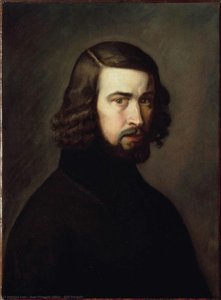
Self-Portrait


 Weiterlesen
Giclée / Kunstdruck
Giclée- oder Leinwanddruck in Museumsqualität mit schneller Produktion und flexiblen Veredelungsoptionen. ( Handgemalte Reproduktion bestellen Bild kaufen)




P118B $10

P118H $10

P118W $10

P438Z $10

P508JH $12

P508YH $12

P805H $10

P805Z $10

P919BZ $10

P919G $10

P919XJ $10

P959ZH $10

P968JZ $12

W106C $8

W218G $10

W218JH $8

W218Y $10

W307PJ $10

W316G $10

W316PJ $8

W316Y $10

W398PJ $8

W4111J $10

W500HY $15

W500JH $15

W692G $12

W849H $8

W940BG $15

W953PJ $8




Wählen Sie aus unseren vordefinierten Formaten, die den ursprünglichen Proportionen des Kunstwerks entsprechen.

Sie können Ihre eigenen Maße eingeben, um ein bestimmtes Format oder einen speziellen Platz einzupassen. Wenn das von Ihnen gewählte Format nicht den Proportionen des Originalbildes entspricht, werden wir das Kunstwerk entweder beschneiden oder das Bild mit einem gespiegelten oder einfarbigen Rand erweitern. Ein digitaler Entwurf wird Ihnen zur Genehmigung zugesandt, bevor die Produktion beginnt.
Bitte beachten Sie, dass die Vorschau auf dem Bildschirm nicht den tatsächlichen Zuschnitt oder die Erweiterung widerspiegelt. Nur der Entwurf zeigt die endgültige Komposition präzise an.
Obwohl Sondermaße verfügbar sind, empfehlen wir die Auswahl eines Maßes aus der vordefinierten Liste, um die ursprünglichen Proportionen zu bewahren.
Weltweiter Versand () innerhalb von 2 Wochen statt der üblichen 4/5 Wochen. (21 August)

Kostenloser weltweiter Expressversand

Hochwertige Leinenleinwand

Umfassender Versicherungsschutz beim Versand

Zollgebühren-Rückerstattungsgarantie

Garantie für exakte Farbtreue

60 Tage Rückgaberecht (nur bei Mängeln)

100% Geld-zurück-Garantie

Mengenrabatt verfügbar
 Die Glasoption ist nur für Größen unter 110 cm verfügbar.

Self-Portrait
Giclée / Kunstdruck
Format der Reproduktion
-


Gesamtpreis
$ 80
Sammlerstück-Beschreibung
The Genesis of a Visionary: Millet's Early Years and Artistic Roots
Jean-François Millet, born in Gruchy, Normandy, in 1814, wasn’t destined for the hallowed halls of artistic academies. Instead, his formative years were inextricably linked to the rhythms of rural life – a landscape he would later translate onto canvas with unparalleled honesty and depth. His family, farmers themselves, instilled within him not just practical skills but also an intimate understanding of the land, its people, and their arduous existence. This grounding in the soil wasn’t merely a backdrop; it became the very foundation of his artistic vision, informing his meticulous observation and profound empathy for those who toiled beneath the sun. Early education was supplemented by the tangible lessons of farm work – sowing seeds, reaping harvests, and enduring the physical demands of rural labor—experiences that would later infuse his paintings with an authentic resonance rarely found in contemporary art.
Millet’s initial exposure to artistic pursuits began through the guidance of local priests who recognized his intellectual curiosity. However, the realities of family life quickly intervened, demanding he contribute to the farm's operations alongside his formal studies. This dual existence—balancing academic learning with the practicalities of rural life—shaped his perspective and instilled a deep respect for the dignity of manual labor, themes that would repeatedly surface in his celebrated works.
A Portrait of Purpose: Deconstructing Millet’s Self-Portrait
Millet's 1841 self-portrait offers an intimate glimpse into the mind and spirit of a burgeoning artist. Painted during a period of significant transition in his career, it transcends a simple likeness to become a carefully constructed statement about artistic ambition and personal reflection. The composition is strikingly direct; Millet confronts the viewer with unwavering gaze, projecting an aura of control and self-assurance—a deliberate choice that speaks volumes about his evolving confidence as an artist.
The attire – a dark suit and tie, indicative of a burgeoning bourgeois identity – subtly contrasts with the rough texture of his beard and mustache. The visible white shirt beneath the jacket hints at a desire to maintain standards of formality while simultaneously acknowledging his roots. This juxtaposition suggests a negotiation between tradition and modernity, reflecting Millet’s own journey as he navigated the changing landscape of 19th-century France. The painting isn't merely a depiction of a man; it’s an exploration of identity—the artist grappling with his place in the world and asserting his artistic voice.
Realism and the Dignity of Labor: Millet’s Artistic Philosophy
Millet’s self-portrait is a pivotal work within the Realist movement, a reaction against the idealized forms and mythological subjects prevalent in earlier art. He sought to capture the everyday lives of ordinary people—particularly rural laborers—with unflinching honesty and without romanticizing their struggles. This commitment to realism extended beyond mere representation; Millet aimed to convey the dignity inherent in manual labor, portraying his subjects with respect and empathy.
The painting’s stark black-and-white palette further emphasizes this sense of austerity and directness. It mirrors the somber tones often found in Millet's later works depicting peasant life—fields of wheat, harvests, and scenes of rural toil. The lack of embellishment forces the viewer to confront the subject directly, fostering a connection rooted in shared humanity.
A Reproduction for Reflection: Bringing Millet’s Vision Home
OriginalUniqueArt offers meticulously crafted hand-painted reproductions of Jean-François Millet's Self-Portrait, allowing you to bring this powerful work into your own space. Each reproduction is created by skilled artists who understand the nuances of Millet’s technique and his artistic philosophy. The result is a faithful representation that captures not only the visual details but also the emotional depth and intellectual complexity of the original painting.
More than just a decorative piece, a OriginalUniqueArt reproduction of Millet's Self-Portrait serves as a poignant reminder of the dignity of labor, the challenges faced by rural communities, and the enduring power of art to illuminate the human condition. It’s an investment in beauty, history, and a profound connection to one of France’s most significant artistic voices.
Über den Künstler
frühes Leben und Ausbildung
Jean-François Millet, geboren am 4. Oktober 1814 in der Normandie, Frankreich, etablierte sich als eine Schlüsselgestalt der Barbizon-Schule und war ein Verfechter des Realismus. Er wuchs in einer Bauerngemeinschaft auf, und sein frühes Leben war von ländlichen Erfahrungen geprägt, die seine künstlerischen Themen maßgeblich beeinflussten.Künstlerische Reise
Millets formale Kunstausbildung begann 1833 unter der Anleitung des Porträtmalers Bon du Mouchel in Cherbourg. Später studierte er bei Théophile Langlois de Chèvreville, einem Schüler von Baron Gros. Mit einer Stipendiumunterstützung zog er 1837 nach Paris, um an der École des Beaux-Arts zu studieren und unter Paul Delaroche zu lernen. Seine Reise war jedoch nicht ohne Rückschläge; 1839 verlor er sein Stipendium und wurde von der Salon-Ausstellung abgelehnt.Bekannte Werke und Realismusbewegung
Millets künstlerische Reise spiegelt seine tiefe Verbindung zu seinen ländlichen Wurzeln und seine Hingabe wider, das Leben der Bauern mit Würde und Realismus darzustellen. Zu seinen bekanntesten Werken gehören:- Die Ernte (1855), eine eindringliche Darstellung von Bauernernnten, die Millets Meisterschaft des Realismus demonstriert.
- Das Angelus (1850-1861), eine Reihe von Gemälden, die die täglichen Kämpfe des ländlichen Lebens hervorheben.
- Der Sämaschine (1850), eine ikonische Darstellung der Schwierigkeiten, mit denen Bauern konfrontiert sind, und die heute im Musée d'Orsay in Paris ausgestellt ist.
Vermächtnis und Einfluss
Millets Vermächtnis als Begründer der Barbizon-Schule macht ihn zu einer zentralen Figur bei der Übergangsbewegung zum Realismus in der Kunst. Sein Einfluss ist in den Werken nachfolgender Künstler wie Correa Benito Rebolledo erkennbar, die die Grenzen des Realismus weiter verschoben haben. Erfahren Sie mehr über Millets Werke und die Realismusbewegung auf OriginalUniqueArt: Jean François Millet der Ältere | OriginalUniqueArt Die Nouvelle Réalisme Kunstbewegung | OriginalUniqueArt
Jean-François Millet
1814 - 1875 , Frankreich
Kurzinfos
- Artistic Movement Or Style: Realismus, Barbizon-Schule
- Artists Or Movements Influenced By This Artist: ['Correa Benito Rebolledo']
- Artists Who Influenced This Artist:
- Bon du Mouchel
- Théophile Langlois
- Paul Delaroche
- Date Of Birth: 4. Oktober 1814
- Date Of Death: 1875
- Full Name: Jean-François Millet
- Nationality: Französisch
- Notable Artworks:
- Die Erntehelfer
- Das Angelus
- Der Sämann
- Place Of Birth (City And Country): Gruchy, Frankreich
Ähnliche Artikel

Jean-François Millet: Realismus, ländliche Poesie und die Würde der Arbeit
Entdecken Sie das Werk von Jean-François Millet! Erfahren Sie mehr über den Realismus, seine bahnbrechende Darstellung des bäuerlichen Lebens und seinen Einfluss auf die Kunstgeschichte. Jetzt bei OriginalUniqueArt!

Romantic Realism's Finest: 10 Masterpieces for Your Home | OriginalUniqueArt
Explore 10 defining masterpieces of Romantic Realism! Discover Courbet, Millet & Daumier's powerful paintings—capturing emotion and social realities. Find museum-quality reproductions for your home at OriginalUniqueArt.com.

Echoes of Rural Life: Art's Enduring Representations of the Countryside
Explore the rich history of rural life in art! Discover masterpieces from Millet to Mauve & beyond. Learn about Realism, Barbizon School & find inspiration for your home with OriginalUniqueArt.
The Poetic Truth of Observation: Exploring 19th-Century Realism in Painting
Explore the captivating world of 19th-century Realism! Discover key artists like Courbet & Millet, masterpieces, and the powerful social commentary behind this influential art movement. Expert insights at OriginalUniqueArt.
The Evocative Embrace of Reality: Exploring Romantic Realism in 19th-Century Painting
Explore the captivating world of Romantic Realism! Discover key artists like Courbet & Millet, masterpieces, and the social context behind this influential art movement. Expert insights for collectors at OriginalUniqueArt.