Vorschau anzeigen
 Versenden
 Teilen
 Details anzeigen
 Leitfaden

 Herunterladen
 Ähnliche Objekte
 Röntgenaufnahme
 Diashow
 Q&A
Q&A Statistiken
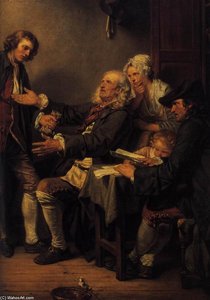
Self-Portrait

- 56.0 x 46.0 cm


 Weiterlesen
Giclée / Kunstdruck
Giclée- oder Leinwanddruck in Museumsqualität mit schneller Produktion und flexiblen Veredelungsoptionen. ( Handgemalte Reproduktion bestellen Zum digitalen Bild wechseln)




P118B €10

P118H €10

P118W €10

P438Z €10

P508JH €12

P508YH €12

P805H €10

P805Z €10

P919BZ €10

P919G €10

P919XJ €10

P959ZH €10

P968JZ €12

W106C €8

W218G €10

W218JH €8

W218Y €10

W307PJ €10

W316G €10

W316PJ €8

W316Y €10

W398PJ €8

W4111J €10

W500HY €15

W500JH €15

W692G €12

W849H €8

W940BG €15

W953PJ €8




Wählen Sie aus unseren vordefinierten Formaten, die den ursprünglichen Proportionen des Kunstwerks entsprechen.

Geben Sie die benötigte Breite und Höhe an, damit der Druck perfekt in Ihren Rahmen oder an Ihre Wand passt. Ein Druck kann nur beschnitten, aber niemals größer als das Originalbild angefertigt werden; daher verliert ein Format mit anderen Proportionen einen Teil des Bildes. Wir senden Ihnen ein digitales Mockup zur Freigabe, bevor wir den Druck ausführen. Das auf dieser Seite gezeigte Bild zeigt nicht den tatsächlichen Beschnitt – dies ist nur im Mockup ersichtlich.
Weltweiter Versand () innerhalb von 2 Wochen statt der üblichen 4/5 Wochen. (1 November)

Kostenloser weltweiter Expressversand

Hochwertige Leinenleinwand

Umfassender Versicherungsschutz beim Versand

Zollgebühren-Rückerstattungsgarantie

Garantie für exakte Farbtreue

100 Tage Rückgaberecht (nur bei Mängeln)

100% Geld-zurück-Garantie

Mengenrabatt verfügbar
 Die Glasoption ist nur für Größen unter 110 cm verfügbar.

Self-Portrait
Giclée / Kunstdruck
Format der Reproduktion
-


Endpreis
€ 71
A Glimpse into Sentimental Life: Analyzing Greuze's Self-Portrait
To stand before this depiction of a man with distinguished white hair, pipe held thoughtfully in his mouth, is to step directly into the emotional landscape of late eighteenth-century France. Jean-Baptiste Greuze, master chronicler of human feeling, has captured not merely a likeness, but a moment imbued with quiet contemplation. The subject gazes out, seemingly connecting with the viewer across the span of two centuries. His attire, suggesting an earlier epoch, anchors him in a time when sentimentality was becoming the dominant current in art. Yet, it is the subtle presence of the two other figures—one flanking the left, another on the right—that enriches the narrative, transforming what might be a simple portrait into a complex tableau of social interaction.
The Artistry of Sentiment and Genre
Greuze’s genius lay in his ability to elevate everyday life—the genre scene—to the level of high art. While academic painters often gravitated toward grand historical epics or mythological grandeur, Greuze found his profound resonance in the intimate dramas of ordinary people. This Self-Portrait, dated around 1780, exemplifies this focus. The technique employed speaks to a mastery of tonal subtlety; observe how the light catches the texture of the brown coat and the wisps of white hair. It is a painting that rewards close inspection, allowing the eye to wander from the direct gaze of the central figure to the muted activities unfolding around him. This careful balance between individual focus and surrounding narrative depth is characteristic of his most compelling works.
Historical Echoes: Life in the Late Enlightenment
The period surrounding 1780 was a time of profound intellectual ferment, one where emotion began to challenge rigid classical structures. Greuze’s work resonated deeply with the burgeoning sentimental taste—a cultural shift that valued empathy, domestic virtue, and relatable human struggle over sheer grandeur. The inclusion of multiple figures suggests a community moment, perhaps a gathering or an informal portrait session. These secondary characters are not mere props; they participate in the atmosphere, grounding the central figure's introspection within a tangible social reality. Owning a reproduction of this piece allows one to bring that historical resonance—that feeling of intimate, observed life—into a modern setting.
Symbolism and Emotional Resonance for the Collector
The pipe itself functions as more than just an accessory; it is a classic symbol of contemplation, reflection, and perhaps even melancholy wisdom. The man seems caught between the outward performance of his composure and the deep thoughts suggested by his posture. For the collector or designer, this painting offers immediate emotional depth. It speaks to the quiet dignity found in aging, in companionship, and in the act of simply observing life unfold. Whether placed above a mantelpiece or within a gallery setting, this artwork does not shout for attention; rather, it invites the viewer into a hushed, thoughtful conversation, making it an exquisite piece for those who appreciate art with a soulful whisper.
Fragen & Antworten
Welche Technik und welche Größe hat das Original von "Self-Portrait" von Jean-Baptiste Greuze?
Das Originalwerk "Self-Portrait" von Jean-Baptiste Greuze ist ein Oil On Canvas mit den Maßen 56 x 46 cm. Technik und Größe beziehen sich auf das Originalobjekt.
Welche Farbpalette wird in "Self-Portrait" verwendet?
Die Farben von "Self-Portrait" bilden eine Earthy-Palette. Diese Klassifizierung beschreibt die dominierenden Farbfamilien.
Kann ich eine Ölreproduktion von "Self-Portrait" bestellen?
Eine handgemalte Reproduktion von "Self-Portrait" von Jean-Baptiste Greuze können Sie direkt auf der entsprechenden Handgemalte Ölreproduktion-Seite bestellen: eine handgemalte Ölreproduktion auf Leinenleinwand, auf Bestellung angefertigt.
Künstlerbiografie
Frühe Jahre und Ausbildung
Jean-Baptiste Greuze, ein französischer Maler, wurde am 21. August 1725 in Tournus, Burgund, geboren. Sein Vater, ein Dachdeckermeister, ermutigte seinen Sohn zunächst nicht zu künstlerischen Neigungen, aber schließlich förderte Grandon, ein lyonesischer Künstler, Greuze, seine Leidenschaft zu verfolgen. Im Jahr 1750 zog Greuze nach Paris, um unter Charles-Joseph Natoire an der Königlichen Akademie für Malerei und Bildhauerei zu studieren.Aufstieg zum Ruhm
Greuzes Durchbruch kam 1755 mit seinem Gemälde „Le Père de famille expliquant la bible à ses enfants“, das von einem wohlhabenden Kunstliebhaber, Ange-Laurent Lalive de Jully, erworben wurde. Dies führte zu Greuzes Anerkennung in der philosophischen und Kunstgemeinschaft. Er reiste daraufhin mit Abbé Gougenot nach Italien, wo er etwa ein Jahr verbrachte und seine zukünftigen Werke inspirierte.Künstlerischer Stil und bemerkenswerte Werke
Greuzes Stil ist durch seinen Fokus auf Genreszenen gekennzeichnet, die das Wesen des täglichen Lebens einfangen. Einige bemerkenswerte Werke sind:- „A Girl with a Dead Canary“ (Scottish National Gallery, Edinburgh), das Greuzes Fähigkeit zeigt, Emotionen hervorzurufen.
- „Savoyard with a Dancing Doll“ (Albertina, Wien), das seine Fähigkeit hervorhebt, den Geist seiner Sujets einzufangen.
- „Boy with a Broken Egg“, um 1756 (Albertina, Wien), das Greuzes frühes Können in der Genresmalerei demonstriert.
Vermächtnis und spätere Jahre
Greuzes Erfolg gipfelte 1765 mit dreizehn Werken, die im Salon ausgestellt wurden, darunter „La jeune fille qui pleure son oiseau mort“, „La bonne mère“ und „Le mauvais fils puni“ (Louvre). Sein Versuch, in die historische Malerei überzugehen, wurde jedoch kritisiert. Greuze verstarb am 4. März 1805 im Louvre, nach einem Leben, das von sowohl künstlerischen Triumphen als auch finanziellen Schwierigkeiten geprägt war.Einflüsse und Entwicklung
Greuzes Werk zeigt Einflüsse der niederländischen Genresmalerei des 17. Jahrhunderts, insbesondere in seiner Darstellung alltäglicher Szenen und seinem Fokus auf Details. Er kombinierte Elemente des Rokoko-Stils mit realistischen Elementen, was zu einem einzigartigen Stil führte, der sowohl sentimental als auch moralisierend war. Seine frühen Werke wie „Boy with a Broken Egg“ zeigen bereits seine Fähigkeit, Emotionen durch subtile Gesichtsausdrücke und Gesten darzustellen. Im Laufe seiner Karriere versuchte Greuze sich auch historischen Themen zuzuwenden, was jedoch weniger erfolgreich war und von Kritik begleitet wurde. Trotzdem bleibt er als einer der bedeutendsten Vertreter der Genresmalerei des 18. Jahrhunderts in Frankreich anerkannt.
Jean-Baptiste Greuze
1725 - 1805 , Frankreich
Kurzinfos
- Bemerkenswerte Werke:
- Le Père de Famille expliquant la Bible
- A Girl with a Dead Canary
- Savoyard mit einer Tanzpuppe
- Boy with a Broken Egg
- Einflussreiche Künstler: ['Charles-Joseph Natoire']
- Geburtsdatum: 21. August 1725
- Geburtsort: Tournus, Frankreich
- Künstlerische Bewegung: Rokoko
- Nationalität: Französisch
- Sterbedatum: 4. März 1805
- Vollständiger Name: Jean-Baptiste Greuze
Ähnliche Artikel

Öl auf Leinwand: Eine historische und technische Erkundung eines zeitlosen künstlerischen Mediums
Entdecken Sie die faszinierende Welt der Ölmalerei! Von historischen Techniken bis zur modernen Anwendung – wir bieten Expertenwissen, Restaurierungstipps und hochwertige Reproduktionen. Jetzt informieren!

The Soul of Impressionism: Why Oil on Canvas Captures Eternal Light and Timeless Emotion
Discover the enchanting alchemy of Impressionism. Explore how the mastery of oil on canvas, through glazing and impasto, captures eternal light and emotion. Perfect for lovers of Monet and Van Gogh seeking the profound depth of hand-painted fine art.

Das bleibende Erbe der Ölmalerei: Technik, Geschichte und zeitgenössische Praxis
Entdecken Sie die faszinierende Geschichte der Ölmalerei – von den frühen Techniken bis zur modernen Kunst. Expertenwissen, detaillierte Analysen und Inspiration für Sammler & Kunstliebhaber.
Jean-Baptiste Greuze: Moral, Gefühl und der Aufstieg der Genremalerei
Entdecken Sie das Werk von Jean-Baptiste Greuze – dem Meister der Genremalerei! Erfahren Sie mehr über seine moralischen Botschaften, den Einfluss der Aufklärung und sein bleibendes Vermächtnis in der Kunstgeschichte.

The Enduring Legacy of Oil on Canvas: Technique, History & Aesthetic Impact
Explore the rich history & techniques of oil painting – from Renaissance masters to Impressionism. Discover pigments, layering methods, and why this timeless medium endures. Expert insights for artists & art enthusiasts.