Vorschau anzeigen
 Versenden
 Teilen
 Details anzeigen
 Leitfaden

 Herunterladen
 Ähnliche Objekte
 Röntgenaufnahme
 Diashow
 Statistiken
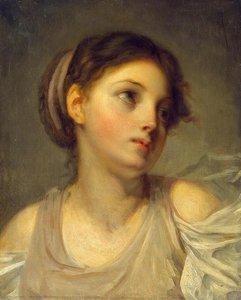
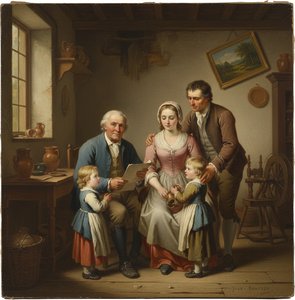
Mädchen mit Vögeln
 Acrylfarbe
- Wandkunst
- Romantische Sentimentalität
 1780
1780 61.0 x 52.0 cm
 National Gallery of Art
 Weiterlesen
Giclée / Kunstdruck
Giclée- oder Leinwanddruck in Museumsqualität mit schneller Produktion und flexiblen Veredelungsoptionen. ( Handgemalte Reproduktion bestellen Zum digitalen Bild wechseln)




P118B €10

P118H €10

P118W €10

P438Z €10

P508JH €12

P508YH €12

P805H €10

P805Z €10

P919BZ €10

P919G €10

P919XJ €10

P959ZH €10

P968JZ €12

W106C €8

W218G €10

W218JH €8

W218Y €10

W307PJ €10

W316G €10

W316PJ €8

W316Y €10

W398PJ €8

W4111J €10

W500HY €15

W500JH €15

W692G €12

W849H €8

W940BG €15

W953PJ €8




Wählen Sie aus unseren vordefinierten Formaten, die den ursprünglichen Proportionen des Kunstwerks entsprechen.

Geben Sie die benötigte Breite und Höhe an, damit der Druck perfekt in Ihren Rahmen oder an Ihre Wand passt. Ein Druck kann nur beschnitten, aber niemals größer als das Originalbild angefertigt werden; daher verliert ein Format mit anderen Proportionen einen Teil des Bildes. Wir senden Ihnen ein digitales Mockup zur Freigabe, bevor wir den Druck ausführen. Das auf dieser Seite gezeigte Bild zeigt nicht den tatsächlichen Beschnitt – dies ist nur im Mockup ersichtlich.
Weltweiter Versand () innerhalb von 2 Wochen statt der üblichen 4/5 Wochen. (26 Oktober)

Kostenloser weltweiter Expressversand

Hochwertige Leinenleinwand

Umfassender Versicherungsschutz beim Versand

Zollgebühren-Rückerstattungsgarantie

Garantie für exakte Farbtreue

100 Tage Rückgaberecht (nur bei Mängeln)

100% Geld-zurück-Garantie

Mengenrabatt verfügbar
 Die Glasoption ist nur für Größen unter 110 cm verfügbar.

Mädchen mit Vögeln
Giclée / Kunstdruck
Format der Reproduktion
-


Endpreis
€ 70
Jean-Baptiste Greuze’s Enchanting Portrait of Innocence
Jean-Baptiste Greuze (1725-1805) stands as a cornerstone of eighteenth-century French art, celebrated for his unparalleled ability to distill human emotion into exquisitely rendered canvases. Born in Tournus, Burgundy, Greuze's artistic journey began humbly, spurred by encouragement from Grandon, a Lyon artist who recognized his innate talent—a talent destined to transform him into one of the era’s most influential genre painters. Despite initial discouragement from his father regarding artistic pursuits, Greuze’s unwavering passion found fertile ground at the Royal Academy in Paris under Charles-Joseph Natoire, where he honed his skills and forged a path distinct from the academy's prevailing focus on grand historical narratives. Instead, Greuze embraced the burgeoning sentimental movement, capturing everyday life with breathtaking sensitivity and imbuing his works with moral lessons—a stylistic choice that cemented his legacy as a champion of human compassion.A Delicate Balance: Style and Technique
Greuze’s distinctive style is characterized by its meticulous realism combined with an expressive tonal palette. He skillfully employed chiaroscuro – the dramatic interplay of light and shadow – to sculpt figures with remarkable detail, conveying subtle nuances of emotion through nuanced facial expressions and gestures. His brushstrokes were deliberate yet graceful, creating textures that mirrored the softness of flesh and drapery. Unlike many artists of his time who favored idealized representations, Greuze opted for unflinching portrayals of human vulnerability, particularly in depictions of women—a stylistic hallmark that distinguishes him from contemporaries like François Boucher and Jean-Honoré Fragonard. The artist’s meticulous attention to detail extended beyond mere visual accuracy; he meticulously researched costumes and settings to ensure authenticity, grounding his narratives within the realities of bourgeois life.The Symbolism of Birds: Hope Amidst Sorrow
The inclusion of birds in “Girl With Birds” transcends mere decorative embellishment; they serve as potent symbols laden with significance. Traditionally associated with purity, innocence, and spiritual aspiration, the birds perched on either side of the young woman represent a glimmer of optimism amidst the melancholic contemplation evident in her gaze. Their presence underscores Greuze’s preoccupation with moral virtue—a central theme throughout his oeuvre—suggesting that even in moments of profound sadness or introspection, beauty and grace endure. The artist's deliberate placement of these avian figures reinforces the painting’s overarching message: a reminder to cherish compassion and tenderness as beacons of hope amidst life’s inevitable hardships.Historical Context: Sentimentality and Its Rise
“Girl With Birds” emerged during the height of the Rococo period, a movement that prioritized elegance, frivolity, and sensual pleasure—a stark contrast to the grandeur and formality of Neoclassical art. However, Greuze skillfully navigated this stylistic landscape by channeling the prevailing sentimental sensibilities of his time into emotionally resonant genre scenes. The painting reflects the growing interest in portraying human experience with psychological depth—a reaction against the rigid conventions of academic art that sought to elevate noble subjects above the concerns of ordinary life. By focusing on domestic interiors and intimate portraits, Greuze captured the essence of bourgeois morality and compassion—themes that resonated deeply with audiences eager for narratives imbued with moral instruction and emotional sincerity.Emotional Resonance: A Timeless Portrait
Ultimately, “Girl With Birds” captivates viewers not merely through its technical virtuosity but also through its profound emotional impact. Greuze’s masterful depiction of youthful vulnerability evokes empathy and contemplation—a testament to his ability to convey complex psychological states with remarkable subtlety. The painting's serene composition and delicate tonal palette contribute to its enduring beauty, inviting observers to immerse themselves in a scene that speaks volumes about the human condition. As a reproduction, this artwork offers an opportunity to experience Greuze’s artistic vision firsthand—a celebration of compassion and grace that continues to inspire admiration centuries after its creation.Fragen & Antworten
Was stellt "Mädchen mit Vögeln" dar?
Die Motive von "Mädchen mit Vögeln" sind frau, vögel, porträtmalerei, rokoko, emotion, weiblichkeit, symbolik.
Welches Gefühl wird mit "Mädchen mit Vögeln" assoziiert?
"Mädchen mit Vögeln" von Jean-Baptiste Greuze vermittelt eine Ruhig emotionale Stimmung.
Welcher Raum passt farblich zu "Mädchen mit Vögeln" von Jean-Baptiste Greuze?
Aufgrund seiner Erdtöne-Palette wird "Mädchen mit Vögeln" von Jean-Baptiste Greuze für ein Wohnzimmer empfohlen; die Farbstimmung ist einer der Gründe für diese Empfehlung.
Künstlerbiografie
Frühe Jahre und Ausbildung
Jean-Baptiste Greuze, ein französischer Maler, wurde am 21. August 1725 in Tournus, Burgund, geboren. Sein Vater, ein Dachdeckermeister, ermutigte seinen Sohn zunächst nicht zu künstlerischen Neigungen, aber schließlich förderte Grandon, ein lyonesischer Künstler, Greuze, seine Leidenschaft zu verfolgen. Im Jahr 1750 zog Greuze nach Paris, um unter Charles-Joseph Natoire an der Königlichen Akademie für Malerei und Bildhauerei zu studieren.Aufstieg zum Ruhm
Greuzes Durchbruch kam 1755 mit seinem Gemälde „Le Père de famille expliquant la bible à ses enfants“, das von einem wohlhabenden Kunstliebhaber, Ange-Laurent Lalive de Jully, erworben wurde. Dies führte zu Greuzes Anerkennung in der philosophischen und Kunstgemeinschaft. Er reiste daraufhin mit Abbé Gougenot nach Italien, wo er etwa ein Jahr verbrachte und seine zukünftigen Werke inspirierte.Künstlerischer Stil und bemerkenswerte Werke
Greuzes Stil ist durch seinen Fokus auf Genreszenen gekennzeichnet, die das Wesen des täglichen Lebens einfangen. Einige bemerkenswerte Werke sind:- „A Girl with a Dead Canary“ (Scottish National Gallery, Edinburgh), das Greuzes Fähigkeit zeigt, Emotionen hervorzurufen.
- „Savoyard with a Dancing Doll“ (Albertina, Wien), das seine Fähigkeit hervorhebt, den Geist seiner Sujets einzufangen.
- „Boy with a Broken Egg“, um 1756 (Albertina, Wien), das Greuzes frühes Können in der Genresmalerei demonstriert.
Vermächtnis und spätere Jahre
Greuzes Erfolg gipfelte 1765 mit dreizehn Werken, die im Salon ausgestellt wurden, darunter „La jeune fille qui pleure son oiseau mort“, „La bonne mère“ und „Le mauvais fils puni“ (Louvre). Sein Versuch, in die historische Malerei überzugehen, wurde jedoch kritisiert. Greuze verstarb am 4. März 1805 im Louvre, nach einem Leben, das von sowohl künstlerischen Triumphen als auch finanziellen Schwierigkeiten geprägt war.Einflüsse und Entwicklung
Greuzes Werk zeigt Einflüsse der niederländischen Genresmalerei des 17. Jahrhunderts, insbesondere in seiner Darstellung alltäglicher Szenen und seinem Fokus auf Details. Er kombinierte Elemente des Rokoko-Stils mit realistischen Elementen, was zu einem einzigartigen Stil führte, der sowohl sentimental als auch moralisierend war. Seine frühen Werke wie „Boy with a Broken Egg“ zeigen bereits seine Fähigkeit, Emotionen durch subtile Gesichtsausdrücke und Gesten darzustellen. Im Laufe seiner Karriere versuchte Greuze sich auch historischen Themen zuzuwenden, was jedoch weniger erfolgreich war und von Kritik begleitet wurde. Trotzdem bleibt er als einer der bedeutendsten Vertreter der Genresmalerei des 18. Jahrhunderts in Frankreich anerkannt.
Jean-Baptiste Greuze
1725 - 1805 , Frankreich
Kurzinfos
- Bemerkenswerte Werke:
- Le Père de Famille expliquant la Bible
- A Girl with a Dead Canary
- Savoyard mit einer Tanzpuppe
- Boy with a Broken Egg
- Einflussreiche Künstler: ['Charles-Joseph Natoire']
- Geburtsdatum: 21. August 1725
- Geburtsort: Tournus, Frankreich
- Künstlerische Bewegung: Rokoko
- Nationalität: Französisch
- Sterbedatum: 4. März 1805
- Vollständiger Name: Jean-Baptiste Greuze
Ähnliche Artikel

The Enduring Gaze: A Historical & Artistic Exploration of Portraiture Across Cultures
Explore the rich history of portraiture with OriginalUniqueArt.com! Discover symbolism, techniques & master artists from antiquity to modern times. Expert insights for art collectors.
Scenes of Daily Life: A Comprehensive Exploration of Genre Painting Through History
Explore the rich history of genre painting! Discover Dutch Masters & European artists who captured everyday life with stunning realism. Learn about symbolism, techniques & lasting influence.
The Grandeur of Presence: Exploring Representations of Stately Bearing in Western Portraiture
Explore the art of stately bearing in Western portraiture with expert analysis of Renaissance & Baroque masterpieces. Discover symbolism, techniques, and the legacy of iconic portraits – a guide for discerning collectors.
Jean-Baptiste Greuze: Moral, Gefühl und der Aufstieg der Genremalerei
Entdecken Sie das Werk von Jean-Baptiste Greuze – dem Meister der Genremalerei! Erfahren Sie mehr über seine moralischen Botschaften, den Einfluss der Aufklärung und sein bleibendes Vermächtnis in der Kunstgeschichte.

The Enduring Legacy of Formal Portraiture: Power, Identity & Artistic Exploration
Explore the rich history of formal portraiture & its enduring power to capture identity and shape perception. Discover investment-worthy artworks, expert appraisals, and custom reproduction services at OriginalUniqueArt.