Textgröße

() ·

Ein Gemälde, von Hand für Sie geschaffen

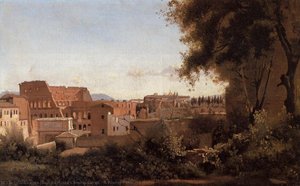
Wasserfall bei Terni

Handgefertigte Ölreproduktion

Handgemaltes Ölgemälde auf Leinwand in Ihrer Wunschgröße und mit Rahmen, auf Bestellung von unseren Künstlern angefertigt. ( Zum Druck wechseln Zum digitalen Bild wechseln)

Beschreibung des Sammlerstücks

Jean-Baptiste Corots 'Wasserfall bei Terni' (1826) fängt die Schönheit der Natur ein. Ein Meisterwerk des Pleinair-Malens, inspiriert von Rom und dem Velino-Fluss. Jetzt als hochwertige Reproduktion erhältlich.

Künstlerbiografie

Entdecken Sie Jean-Baptiste-Camille Corot (1796-1875), französischen Landschaftsmeister! Seine Werke verbinden Neoklassik & Impressionismus. Erleben Sie ruhige Landschaften & inspirierende Porträts!

ab ·

Kapitel 1

Welche Größe soll es haben?

Wischen Sie, um die Größe zu ändern; das Bild auf der linken Seite zeigt den Rahmen in seiner tatsächlichen Breite. Die Proportionen des Originals bleiben erhalten.

Standardformat
individuell anpassbar
CM
INCH

Wählen Sie aus unseren vordefinierten Formaten, die den ursprünglichen Proportionen des Kunstwerks entsprechen.

Breite
Höhe

Geben Sie die Breite und die Höhe an, die Sie für Ihren Rahmen oder Ihre Wand benötigen. Da dieses Werk handgemalt ist, kann der Künstler bei einer anderen Form etwas mehr um das Bild herum malen oder etwas abschneiden – Sie entscheiden. Wir senden Ihnen ein digitales Mockup zur Freigabe, bevor mit dem Malen begonnen wird. Das auf dieser Seite gezeigte Bild stellt nicht das tatsächliche Ergebnis dar – dies tut nur das Mockup.

Kapitel 2

Wie soll es geliefert werden?

Wählen Sie die Kanten der Leinwand aus

Wählen Sie Ihren Rahmen

Corner sample of the WhiteWrap canvas edge finish, stretched on Massivholz bars
Weißer Rand €1
Corner sample of the BlurSideWrap canvas edge finish, stretched on Massivholz bars
verlaufende Kanten €1
Corner sample of the ExtendedWrap canvas edge finish, stretched on Massivholz bars
Umrandung €1
Corner sample of the P118B picture frame: formgepresstes Polystyrol, 5 cm wide and 3 cm thick
P118B €10
Corner sample of the P118H picture frame: formgepresstes Polystyrol, 5 cm wide and 3 cm thick
P118H €10
Corner sample of the P118W picture frame: formgepresstes Polystyrol, 5 cm wide and 3 cm thick
P118W €10
Corner sample of the P438Z picture frame: formgepresstes Polystyrol, 5.5 cm wide and 3.5 cm thick
P438Z €10
Corner sample of the P508JH picture frame: formgepresstes Polystyrol, 7 cm wide and 3.5 cm thick
P508JH €12
Corner sample of the P508YH picture frame: formgepresstes Polystyrol, 7 cm wide and 3.5 cm thick
P508YH €12
Corner sample of the P805H picture frame: formgepresstes Polystyrol, 5 cm wide and 3.5 cm thick
P805H €10
Corner sample of the P805Z picture frame: formgepresstes Polystyrol, 5 cm wide and 3.5 cm thick
P805Z €10
Corner sample of the P919BZ picture frame: formgepresstes Polystyrol, 7 cm wide and 3.5 cm thick
P919BZ €10
Corner sample of the P919G picture frame: formgepresstes Polystyrol, 7 cm wide and 3.5 cm thick
P919G €10
Corner sample of the P919XJ picture frame: formgepresstes Polystyrol, 7 cm wide and 3.5 cm thick
P919XJ €10
Corner sample of the P959ZH picture frame: formgepresstes Polystyrol, 5 cm wide and 3 cm thick
P959ZH €10
Corner sample of the P968JZ picture frame: formgepresstes Polystyrol, 6 cm wide and 4 cm thick
P968JZ €12
Corner sample of the W106C picture frame: Massivholz, 5 cm wide and 3 cm thick
W106C €8
Corner sample of the W218G picture frame: Massivholz, 5 cm wide and 3 cm thick
W218G €10
Corner sample of the W218JH picture frame: Massivholz, 5 cm wide and 3 cm thick
W218JH €8
Corner sample of the W218Y picture frame: Massivholz, 5 cm wide and 3 cm thick
W218Y €10
Corner sample of the W307PJ picture frame: Massivholz, 6 cm wide and 3 cm thick
W307PJ €10
Corner sample of the W316G picture frame: Massivholz, 6 cm wide and 3 cm thick
W316G €10
Corner sample of the W316PJ picture frame: Massivholz, 6 cm wide and 3 cm thick
W316PJ €8
Corner sample of the W316Y picture frame: Massivholz, 6 cm wide and 3 cm thick
W316Y €10
Corner sample of the W398PJ picture frame: Massivholz, 5 cm wide and 3 cm thick
W398PJ €8
Corner sample of the W4111J picture frame: Massivholz, 6.5 cm wide and 3.5 cm thick
W4111J €10
Corner sample of the W500HY picture frame: Massivholz, 7 cm wide and 5 cm thick
W500HY €15
Corner sample of the W500JH picture frame: Massivholz, 7 cm wide and 5 cm thick
W500JH €15
Corner sample of the W692G picture frame: Massivholz, 8 cm wide and 4 cm thick
W692G €12
Corner sample of the W849H picture frame: Massivholz, 5 cm wide and 3 cm thick
W849H €8
Corner sample of the W940BG picture frame: Massivholz, 7.5 cm wide and 4.5 cm thick
W940BG €15
Corner sample of the W953PJ picture frame: Massivholz, 6 cm wide and 3.5 cm thick
W953PJ €8
Corner sample of the H24-GOLD picture frame: geschnitztes Holz mit Gesso, 10 cm wide and 6 cm thick
H24-GOLD €30
Corner sample of the H24-SILVER picture frame: geschnitztes Holz mit Gesso, 10 cm wide and 6 cm thick
H24-SILVER €30
Corner sample of the H36-GOLD picture frame: geschnitztes Holz mit Gesso, 15 cm wide and 6.5 cm thick
H36-GOLD €45
Corner sample of the H36-SILVER picture frame: geschnitztes Holz mit Gesso, 15 cm wide and 6.5 cm thick
H36-SILVER €45

Profil: . Gesamtgröße mit Rahmen: .

Kapitel 3

Wer malt es, und sollte etwas geändert werden?

Beispiele für Anpassungsmöglichkeiten: Gesicht durch Kundenfoto ersetzen; Haustier hinzufügen (z. B. Katze durch Hund ersetzen); Versteckte Botschaft im Hintergrund einfügen; Hintergrundlandschaft oder Elemente ändern.
Nach der Bestellung wird das Team von OriginalUniqueArt.com den Kunden per E-Mail kontaktieren, um Anweisungen einzuholen und eine Vorschau des Entwurfs bereitzustellen

Weltweiter Versand () in nur 3 bis 4 Wochen statt der üblichen 5 Wochen. (7 November). Keine Kompromisse bei der Qualität.

Kapitel 4

Der letzte Schliff

Ein Namensschild, wie im Museum?

Details der gravierten Bronzetafel

This elegant plaque features the artist's name and the title of the artwork, finely engraved for a timeless presentation.

It is made from bronze with a refined, elegant finish. The text is precisely laser-engraved for a sharp and permanent result. Measuring 9x2 cm, the plaque is compact yet easy to read. It's built to be durable and scratch-resistant, offering a professional, museum-quality look. Mounting is simple thanks to the included adhesive backing.

Details zur Acrylglas-Plakette (transparent)

The plaque includes essential engraved details such as the artist's name, the title of the artwork, the date it was created, the type of media used-like oil on canvas or watercolor-a brief description of the piece, and a QR code that links to the complete artwork information.

It is crafted from clear acrylic, offering a sleek, modern appearance. The text is UV-engraved in black to ensure strong visual contrast. With a size of 10x15 cm, it ensures optimal readability. It comes equipped with two metal hooks for secure wall mounting. The plaque is designed to be weather-resistant, making it suitable for various environments, and it includes interactive features that work seamlessly with smartphone scanning.

Details zur schwarzen Acryltafel

This elegant plaque includes engraved information such as the artist's name, the title of the artwork, the date it was created, the type of media used (like oil on canvas or watercolor), a short description of the artwork, and a QR code for quick access to more information.

The plaque itself is made from refined black acrylic with a premium finish. The text is laser-engraved in white for high contrast and readability. Its size is 10x15 cm, designed to be easy to read. It comes with two metal hooks for professional mounting. The design is sleek and fits any interior style. It is also weather-resistant and durable, with built-in digital integration for mobile compatibility.

Ein Schutzlack?

Bis wann benötigen Sie es?

Kapitel 5

Ihr Gemälde, wie von Ihnen bestellt

Wasserfall bei Terni

Art der Reproduktion

Format der Reproduktion

-

Erstklassige Meisterkünstler

Mehr Detailtiefe, Raffinesse und zusätzliche Produktionszeit

-

Rahmen für Reproduktionen

-

-

Bei Kunstwerken oder Reproduktionen, die an einer Seite größer als 105 cm (ca. 41 Zoll) sind, wird der Rahmen zerlegt als Bausatz geliefert. Diese Methode gewährleistet eine sichere Zustellung und verhindert Schäden während des Transports.

Professionelle Montage erforderlich – dies ist kein DIY-Produkt.
Der Bausatz muss von einem erfahrenen professionellen Rahmenmacher zusammengebaut und die Leinwand gespannt werden. Hierfür werden Holzleim (nicht im Lieferumfang enthalten), eine Leinwandspannzange sowie Klemmen benötigt, um die Keilleisten während des Trocknungsvorgangs rechtwinklig zu halten. Eine unsachgemäße Montage oder eine ungleichmäßige Spannung der Leinwand kann das Kunstwerk dauerhaft beschädigen und ist nicht durch unsere Garantie abgedeckt.

  • Alle Vollholzkomponenten sind enthalten, präzise auf Maß zugeschnitten.

  • Der Zusammenbau erfolgt mit den mitgelieferten Schrauben sowie Holzkleber für die Eckverbindungen, der nicht im Lieferumfang enthalten ist und vom Rahmenbauer selbst beschafft werden muss.

  • Professionelles Werkzeug ist erforderlich und nicht im Lieferumfang enthalten: eine Keilrahmenzange (Spannwerkzeug) sowie Klammern, um die Leisten während der Trocknungszeit des Klebers rechtwinklig zu fixieren.

Wichtiger Hinweis:
Für die Eckverbindungen wird Holzleim benötigt, die Leisten müssen mit Zwingen fixiert werden, bis der Leim vollständig getrocknet ist, und das Spannen der Leinwand auf dem fertigen Rahmen erfordert eine Keilrahmen-Zange. Keines dieser Utensilien ist im Set enthalten. Bitte stellen Sie sicher, dass ein erfahrener Rahmenmacher zur Verfügung steht, bevor Sie diese Größe bestellen.

Beschriftung

-

-

Schutzlackierung

Glanzlack (verstärkt die Farben, schützt vor Licht und Feuchtigkeit)

-

Mein Kunstwerk personalisieren

Beispiele für Anpassungsmöglichkeiten: Gesicht durch Kundenfoto ersetzen; Haustier hinzufügen (z. B. Katze durch Hund ersetzen); Versteckte Nachricht im Hintergrund einfügen; Hintergrundlandschaft oder -elemente ändern.

-

Eilt sehr

Weltweiter Versand () in nur 3 bis 4 Wochen statt der üblichen 5 Wochen. (7 November). Keine Kompromisse bei der Qualität.

-

Expressversand

Weltweiter Versand () innerhalb von 5 Wochen. (14 November).

Inklusive Versand

Endpreis

€ 268

Gesamtpreis € 268

Die Glasoption ist nur für Größen unter 110 cm verfügbar.

In jeder Bestellung enthalten

  • Kostenloser weltweiter Expressversand
  • Hochwertige Leinenleinwand
  • Umfassender Versicherungsschutz beim Versand
  • Zollgebühren-Rückerstattungsgarantie
  • Garantie für exakte Farbtreue
  • 100 Tage Rückgaberecht (nur bei Mängeln)
  • 100% Geld-zurück-Garantie
  • Mengenrabatt verfügbar

Jean-Baptiste-Camille Corot’s “Wasserfall bei Terni” – A Moment of Sublime Harmony

Jean-Baptiste-Camille Corot's "Wasserfall bei Terni" from 1826 is more than just a depiction of a waterfall; it’s an invitation into the heart of Romanticism, a profound meditation on nature’s power and the fleeting beauty of light. Painted during his formative years in Rome, this oil on paper captures a specific, almost palpable atmosphere – a serene stillness punctuated by the dramatic force of cascading water. The painting resides within the Metropolitan Museum of Art in New York, a testament to its enduring artistic merit and Corot’s lasting legacy.

Corot's journey towards art was anything but conventional. Raised in a comfortable Parisian household, he initially pursued a mercantile career before an early childhood spent largely in the countryside near L’Isle-Adam ignited within him a deep and abiding love for the natural world. This formative experience—a direct connection to rural tranquility—became the bedrock of his artistic philosophy, shaping his relentless pursuit of capturing the ephemeral qualities of light and atmosphere. “Wasserfall bei Terni” embodies this perfectly; it isn’t merely a representation of a landscape, but an attempt to distill the very essence of being within that landscape.

The Plein-Air Technique and Corot's Revolutionary Approach

What immediately strikes the viewer is Corot’s masterful use of *plein-air* painting – working directly from nature. This technique, still relatively novel at the time, demanded a rapid response to changing light conditions, forcing the artist to capture not just the appearance of a scene but its immediate, transient quality. Notice how the shadows shift and dance across the rocks and trees, reflecting the movement of the water itself. Corot’s brushstrokes are loose and expressive, almost impressionistic in their immediacy, yet grounded in a meticulous observation of form and color. He avoids sharp outlines, preferring to suggest rather than define, creating an illusion of depth and atmosphere that draws the viewer into the scene.

  • Color Palette: Corot employs a muted palette dominated by earthy browns, greens, and blues – colors that evoke the dampness of the forest floor and the cool depths of the water.
  • Brushwork: The visible brushstrokes contribute to the painting’s sense of movement and immediacy, conveying the dynamism of the waterfall.
  • Light & Shadow: Corot's skillful manipulation of light and shadow creates a dramatic effect, highlighting the power and beauty of the natural world.

A Glimpse into 19th-Century Rome – Engineering and Nature

"Wasserfall bei Terni" is inextricably linked to its historical context: Corot’s visit to Rome in 1826. He was profoundly moved by the dramatic landscape surrounding the city, particularly the Cascata delle Marmore – an ancient Roman engineering marvel that diverted the Velino River into the Nera. This monumental project, completed in the third century BC, represents a remarkable fusion of human ingenuity and natural power. Corot’s painting subtly echoes this juxtaposition, presenting the waterfall as both a force of nature and a testament to human intervention. The smaller waterfalls on either side further emphasize this interplay between the wildness of the landscape and the deliberate shaping of its waters.

Symbolism and Emotional Resonance

Beyond its technical brilliance, “Wasserfall bei Terni” resonates with profound emotional depth. The painting evokes a sense of tranquility and contemplation, inviting the viewer to pause and appreciate the beauty of the natural world. The waterfall itself symbolizes renewal, cleansing, and the constant flow of life – themes central to Romanticism. Corot’s deliberate avoidance of overt narrative or dramatic composition allows the scene to speak for itself, fostering a quiet connection between the observer and the depicted landscape. It's a painting that whispers rather than shouts, leaving a lasting impression long after you’ve turned away.

Bringing “Wasserfall bei Terni” into Your Space

OriginalUniqueArt offers meticulously crafted hand-painted reproductions of Jean-Baptiste-Camille Corot’s "Wasserfall bei Terni," allowing you to experience the artist's genius in stunning detail. Available in a range of sizes, our reproductions faithfully capture the painting’s atmospheric quality and nuanced color palette. Whether adorning your living room wall or serving as a focal point in an interior design scheme, this timeless masterpiece will undoubtedly bring a touch of sublime harmony to your surroundings. Explore our collection today and own a piece of art history.

Fragen & Antworten

Wie kann ich eine Vorschau einer Reproduktion von "Wasserfall bei Terni" von Jean-Baptiste-Camille Corot aufrufen?

Um eine Vorschau einer Reproduktion von "Wasserfall bei Terni" von Jean-Baptiste-Camille Corot zu erhalten, öffnen Sie die Vorschau im Raum-Seite des Kunstwerks.

Welcher Künstler und welcher Stil stecken hinter "Wasserfall bei Terni"?

Jean-Baptiste-Camille Corot schuf „Wasserfall bei Terni“ im Rahmen der Romantic Landscape Painting-Bewegung.

Wo lässt sich eine Reproduktion von "Wasserfall bei Terni" von Jean-Baptiste-Camille Corot am besten präsentieren?

Mit seinem Querformat-Format wird eine Reproduktion von „Wasserfall bei Terni“ für ein Wohnbereich empfohlen.

Mehr über dieses Gemälde

Vorschau anzeigen In AR ansehen Zum Druck wechseln Zum digitalen Bild wechseln Versenden
Details anzeigen Leitfaden Zu Favoriten hinzufügen Herunterladen Ähnliche Objekte Röntgenaufnahme Diashow Fragen & Antworten Statistiken

In Zahlen

  • 1826das Jahr der Entstehung
  • 29Rahmen zur Auswahl
  • Standardformate, in ihren eigenen Proportionen
  • 5Wochen für die Bemalung und Lieferung
Jean-Baptiste-Camille Corot

Jean-Baptiste-Camille Corot

1796 - 1875, Frankreich

Kurzinfos zu Jean-Baptiste-Camille Corot

  • Beeinflusste Künstler: ['Gustave Courbet']
  • Bemerkenswerte Werke:
    • Die Ruhe
    • Unterbrochenes Lesen
    • Agostina
  • Geburtsdatum: 16. Juli 1796
  • Geburtsort: Paris, Frankreich
  • Künstlerische Richtung: Neoklassizismus, Pleinair
  • Nationalität: Französisch
  • Sterbedatum: 1875
  • Vollständiger Name: Jean-Baptiste-Camille Corot
  • Von Künstlern Beeinflusst: ['Keine Angaben']

Künstlerbiografie

Frühe Jahre und Ausbildung

Jean-Baptiste-Camille Corot, ein renommierter französischer Landschafts- und Porträtmaler, wurde am 16. Juli 1796 in Paris geboren. Seine Familie, die zum Bürgertum gehörte, bot ihm eine Umgebung, die seine künstlerischen Neigungen förderte. Anfänglich lagen Corots Interessen woanders, doch er entdeckte um 1821 seine Leidenschaft für das Malen. Dies markierte den Beginn seiner produktiven Karriere, die später die Entwicklung des Impressionismus beeinflussen sollte.

Künstlerische Laufbahn und bedeutende Werke

Corots künstlerischer Weg ist geprägt von einer Mischung aus neoklassischer Tradition und plein-air Innovationen. Er kombinierte sorgfältige Kompositionen mit der direkten Beobachtung der Natur im Freien, was zu einer einzigartigen Atmosphäre in seinen Werken führte. Zu seinen bemerkenswertesten Arbeiten zählen:
  • Die Ruhe (La Repose) (Öl auf Leinwand, ca. 1860er Jahre), ein fesselndes Werk, das Corots Meisterschaft in der Darstellung von Gelassenheit zeigt.
  • Unterbrochenes Lesen (Lecture Interrompue) (Realismus, Öl, ca. 1850er Jahre), ein ergreifendes Beispiel für Corots Fähigkeit, den Alltag mit Tiefe und Emotion darzustellen.
  • Agostina (Realismus, Öl, ca. 1860er Jahre), ein beeindruckendes Porträt, das Corots Geschicklichkeit in der Darstellung des Wesens seiner Motive veranschaulicht.
Corot war bekannt für seine "Veduten", kleine Skizzen, die er während seiner Reisen nach Italien anfertigte und später in größeren Gemälden ausarbeitete. Diese Werke zeigen oft eine zarte Atmosphäre und ein sanftes Lichtspiel.

Einflüsse und Entwicklung

Corots künstlerische Entwicklung wurde von verschiedenen Einflüssen geprägt. Er studierte zunächst bei den neoklassizistischen Malern Jacques-Louis David und Jean-Antoine Houdon, was seine frühen Werke beeinflusste. Später fand er Inspiration in der Landschaftsmalerei des 17. Jahrhunderts, insbesondere bei Meistern wie Claude Lorrain und Nicolas Poussin. Corot entwickelte jedoch seinen eigenen Stil, indem er die klassische Komposition mit den direkten Beobachtungen der Natur im Freien verband. Er gilt als Brücke zwischen dem Klassizismus und dem Impressionismus. Seine Plein-Air-Malerei war revolutionär für seine Zeit und ebnete den Weg für zukünftige Generationen von Künstlern, darunter die Impressionisten.

Vermächtnis und Bedeutung

Corots umfangreicher Output hatte einen nachhaltigen Einfluss auf die Entwicklung der Landschaftsmalerei. Sein innovativer Ansatz, traditionelle Techniken mit plein-air Innovationen zu verbinden, ebnete den Weg für zukünftige Generationen von Künstlern. Obwohl er zu Lebzeiten nicht immer Anerkennung fand, wurde Corot nach seinem Tod als einer der wichtigsten französischen Maler des 19. Jahrhunderts anerkannt. Seine Werke werden heute in bedeutenden Museen auf der ganzen Welt ausgestellt und seine Bedeutung für die Kunstgeschichte ist unbestreitbar. Entdecken Sie mehr über Jean-Baptiste-Camille Corots Gemälde auf OriginalUniqueArt.com: https://OriginalUniqueArt.com/@/jean-baptiste-camille-corot Erfahren Sie mehr über das Musée Courbet auf Wikipedia: https://en.wikipedia.org/wiki/mus%c3%a9e_courbet_(ornans,_france)

Eckdaten

  • Jahr: 1826
  • Einflüsse:
    • Natur
    • Architektur
  • Bewegung: Romantik
  • Stil: Naturnähe, Impressionismus
  • Künstler: Jean-Baptiste-Camille Corot
  • Abmessungen: 27 x 31 cm

Kunst-Quiz

Jede Frage hat nur eine richtige Antwort.

Frage 1:
Welche Epoche und Stilrichtung kennzeichnet Jean-Baptiste-Camille Corots Gemälde "Wasserfall bei Terni"?
Frage 2:
Wann wurde Jean-Baptiste-Camille Corot das Gemälde "Wasserfall bei Terni" gemalt?
Frage 3:
Welche historische Bedeutung hat die Wasserfallanlage Cascata delle Marmore, die im Gemälde zu sehen ist?
Frage 4:
Welche Technik wird durch Corots Darstellung des Wasserfalls besonders hervorgehoben?
Frage 5:
Welche Aussage trifft am besten auf Corots Malstil im Allgemeinen zu?