
 In echtem Maßstab anzeigen
 Versenden als Grußkarte
 Teilen
 Details anzeigen
 Leitfaden öffnen

 Herunterladen
 Ähnliche Objekte
 Röntgenaufnahme
 Diashow
 Besucherstatistiken
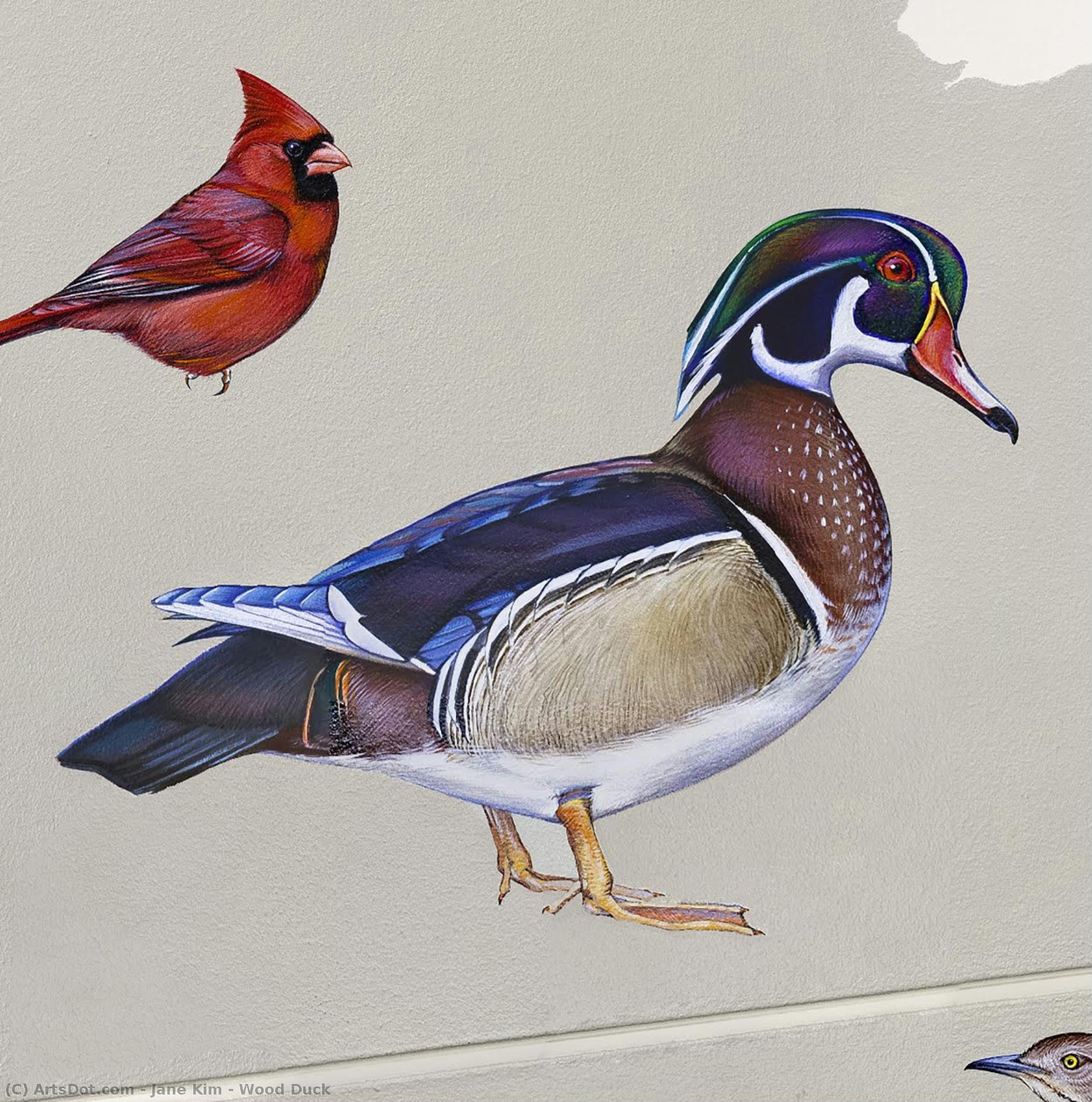
Wood Duck


 Mehr anzeigen
Die auf dieser Seite dargestellten Kunstwerke sind urheberrechtlich geschützt, was bedeutet, dass wir keine identische Reproduktion rechtmäßig erstellen oder verkaufen dürfen. Dieser Schutz wird durch internationale Abkommen wie die Berner Übereinkunft und durch nationale Gesetze, einschließlich derer, die von den ... festgelegt wurden US-Urheberrecht – Titel 17.
Diese Methode entspricht vollumfänglich den Urheberrechtsbestimmungen, da sie keine Kopie oder Vervielfältigung des geschützten Kunstwerks darstellt. Stattdessen handelt es sich um eine kreative Neuinterpretation – ein neues Gemälde, das vom Original inspiriert, aber nicht identisch mit ihm ist.
Giclée / Kunstdruck
Giclée- oder Leinwanddruck in Museumsqualität mit schneller Produktion und flexiblen Veredelungsoptionen. ( Handgemalte Reproduktion kaufen Zum digitalen Bild wechseln)




P118B €10

P118H €10

P118W €10

P438Z €10

P508JH €12

P508YH €12

P805H €10

P805Z €10

P919BZ €10

P919G €10

P919XJ €10

P959ZH €10

P968JZ €12

W106C €8

W218G €10

W218JH €8

W218Y €10

W307PJ €10

W316G €10

W316PJ €8

W316Y €10

W398PJ €8

W4111J €10

W500HY €15

W500JH €15

W692G €12

W849H €8

W940BG €15

W953PJ €8




Wählen Sie aus unseren vordefinierten Formaten, die den ursprünglichen Proportionen des Kunstwerks entsprechen.

Geben Sie die Breite und die Höhe an, die Sie benötigen, damit der Druck perfekt in Ihren Rahmen oder an Ihre Wand passt. Ein Druck kann nur beschnitten werden und niemals größer als das Originalbild gemacht werden; daher verliert ein Format mit einer anderen Proportion einen Teil des Bildes. Wir senden Ihnen ein digitales Mockup zur Freigabe, bevor wir den Druck ausführen. Das auf dieser Seite gezeigte Bild zeigt nicht den tatsächlichen Beschnitt – dies ist nur im Mockup ersichtlich.
Weltweiter Versand () innerhalb von 2 Wochen statt der üblichen 4/5 Wochen. (23 Oktober)

Kostenloser weltweiter Expressversand

Hochwertige Leinenleinwand

Vollständiger Versicherungsschutz beim Versand

Zollgebühren-Rückerstattungsgarantie

Garantie für exakte Farbtreue

100-tägiges Rückgaberecht (nur bei Mängeln)

100% Geld-zurück-Garantie

Angebot für Mengenrabatt
 Die Glasoption ist nur für Größen unter 110 cm verfügbar.

Wood Duck
Giclée / Kunstdruck
Format der Reproduktion
-


Gesamtpreis
€ 70
A Symphony in Teal and Crimson: Unveiling Jane Kim’s “Wood Duck”
Jane Kim's "Wood Duck," a breathtaking watercolor illustration rendered with the meticulous detail of scientific precision, isn’t merely a depiction of two birds; it’s an immersion into the vibrant heart of North American wildlife. Completed in 2015 as part of a monumental mural commissioned by the Cornell Lab of Ornithology, this piece stands as a testament to Kim's extraordinary talent and her deep-seated passion for celebrating the natural world through art. The painting captures a male wood duck and a cardinal, positioned against a subtly textured beige backdrop that allows their plumage—a riot of blues, greens, browns, creams, and fiery reds—to command immediate attention. It’s an artwork that speaks to both the scientific rigor of observation and the pure joy of witnessing beauty in its most intricate form.
A Masterclass in Observation and Technique
Kim's technique is a captivating blend of realism and illustrative artistry. The piece appears to be executed primarily with colored pencils, or perhaps a similar fine art medium known for layering and blending—a deliberate choice that lends an incredible sense of texture and depth. Each feather is rendered with painstaking detail, capturing the subtle variations in color and tone that define their unique structure. Soft blending creates smooth transitions between hues, avoiding harsh edges and fostering a feeling of softness and fluffiness, as if you could reach out and gently touch the birds’ feathers. The artist's use of line work is equally precise, defining the contours of the bodies with confident strokes while maintaining an overall sense of fluidity. The composition itself—a deliberate placement of the wood duck on the right and the cardinal to its left—creates a dynamic visual dialogue, inviting the viewer to contemplate their relationship within the broader ecosystem.
Echoes of Audubon and the Legacy of Scientific Illustration
“Wood Duck” resonates deeply with the legacy of John James Audubon, one of the most celebrated ornithologists and artists of the 19th century. Like Audubon’s meticulous studies, Kim's work is rooted in a profound understanding of avian anatomy and behavior. The painting draws inspiration from Audubon’s own detailed illustrations of wood ducks, capturing their characteristic coloration and posture with remarkable accuracy. However, Kim transcends mere replication; she imbues the piece with her own artistic sensibility, adding a layer of contemporary beauty and emotional resonance. The influence of scientific illustration is also evident—a commitment to documenting nature with precision and clarity, while simultaneously elevating it to an object of aesthetic appreciation. The painting’s almost photographic quality speaks to this dedication.
Symbolism and the Language of Nature
Beyond its technical brilliance, “Wood Duck” carries a subtle yet powerful symbolic weight. The wood duck itself is often associated with resilience, adaptability, and the quiet beauty of the wilderness. Its vibrant plumage—a complex tapestry of blues, greens, and browns—represents the richness and diversity of the natural world. The cardinal, with its striking red coloration, symbolizes passion, energy, and a connection to the heart. Together, these two birds embody the interconnectedness of life within an ecosystem. The choice to depict them in this specific pose – the wood duck stepping forward, the cardinal partially turned away—suggests movement, interaction, and a fleeting moment captured in time. The painting serves as a gentle reminder of the importance of conservation efforts and our responsibility to protect these remarkable creatures and their habitats.
This stunning reproduction captures the essence of Kim’s original artwork, offering a timeless tribute to the beauty and wonder of North American wildlife.
Fragen & Antworten
Welche Technik wurde für "Wood Duck" von Jane Kim verwendet?
Das Medium von "Wood Duck" von Jane Kim ist Acrylic On Canvas. Die Reproduktionen zielen darauf ab, das Erscheinungsbild dieser Technik wiederzugeben.
Welche Druckgröße wird für "Wood Duck" von Jane Kim empfohlen?
Die empfohlene Druckgröße für "Wood Duck" von Jane Kim ist Large.
Wann wurde "Wood Duck" von Jane Kim geschaffen und welcher Stil liegt ihm zugrunde?
"Wood Duck" entstand im Jahr 2015 innerhalb der Contemporary Realism-Bewegung.
Biografie des Künstlers
Die Kunst des Eintreten: Die visionäre Welt von Jane Kim
Jane Kim bewegt sich an der Schnittstelle zwischen bildender Kunst und wissenschaftlicher Präzision – eine Malerin und Wissenschaftsillustratorin, deren Werk als lebendige Brücke zwischen der Menschheit und der natürlichen Welt dient. Geboren 1981 und aufgewachsen in Mount Prospect, Illinois, ist Kims künstlerischer Weg tief in einer intimen Beobachtung des Lebens verwurzente. Ihre Praxis, die oft in ihrem Studio Ink Dwell ausgeübt wird, geht weit über bloße Dekoration hinaus; sie ist eine Form der visuellen Fürsprache, die darauf abzielt, den Schutz und das Feiern der vielfältigen Ökosysteme unseres Planeten zu fördern. Indem sie die akribische Detailtreue wissenschaftlicher Illustration mit dem monumentalen Ausmaß öffentlicher Wandgemälde verbindet, verwandelt sie urbane Landschaften in immersive Bildungserlebnisse.
Kims formale Ausbildung legte das technische Fundament für ihre einzigartige Ästhetik. Im Jahr 2003 erwarb sie ihren B.F.A. in Druckgrafik an der Rhode Island School of Design, eine Zeit, die vermutlich ihr Gespür für Textur und vielschichtige Komposition schärfte. Auf der Suche nach einer tieferen Verbindung zwischen Kunst und Ökologie studierte sie später an der California State University, Monterey Bay, wo sie 2010 ihren Abschluss in wissenschaftlicher Illustration machte. Diese duale Expertise ermöglicht es ihr, die irisierenden Qualitäten des Gefieders und die zarte Anatomie der Flora mit einer Genauigkeit einzufangen, welche die biologische Realität ihrer Motive ehrt und gleichzeitig eine tiefe emotionale Resonanz bewahrt.
Eine Symphonie aus Maßstab und Artenvielfalt
Die wahre Wirkung von Kims Werk ist vielleicht am stärksten in ihren großformatigen Wandgemälden spürbar, die Stadtmauern in Fenster zu schwindenden Lebensräumen verwandeln. Ihre Projekte sind oft weit mehr als nur ästhetische Unterfangen; sie sind ökologische Erzählungen. Eines ihrer ehrgeizigsten Vorhaben war das Migrating Mural, eine Serie von sechs Werken, die sich über 120 Meilen entlang des Highway 395 in Kalifornien erstreckt und das Sierra-Nevada-Dickhornschaf thematisiert. Solche Arbeiten demonstrieren ihre Fähigkeit, den öffentlichen Raum zu nutzen, um ein Gefühl der gemeinsamen Verantwortung für die lokale Tierwelt zu fördern.
Ihre Meisterschaft im Detail zeigt sich ebenso deutlich in ihren konzentrierteren Werken, wie etwa der monumentalen Wall of Birds am Lab of Ornithology der Cornell University. Dieses gewaltige Werk, das 2015 fertiggestellt wurde, stellt 243 moderne Vogelfamilien dar, die lebensgroß auf eine Weltkarte projiziert sind. In Stücken wie dem South Island Wren oder dem Jocotoco Antpitta versetzt Kim die Betrachter in einen meditativen Zustand, indem sie eine schichtweise Maltechnik anwendet, die durch sichtbare Pinselstriche und eine lebendige Palette an Tiefe gewinnt. Durch diese Werke fängt sie die Zerbrechlichkeit gefährdeter Arten ein und verwandelt jeden Pinselstrich in einen Appell für den Naturschutz.
Vermächtnis und ökologische Verbundenheit
Jenseits der technischen Ausführung liegt Kims Bedeutung in ihrer Fähigkeit, soziale und historische Narrative in die natürliche Landschaft einzuweben. Ihre Serie Flora From Fauna in Redwood City, Kalifornien, dient als bewegendes Beispiel, da sie an die verlorene Chrysanthemen-Industrie der 1920er Jahre und die Geschichte japanischer Einwanderer in der Region erinnert. Diese Fähigkeit, menschliche Geschichte mit ökologischer Forschung zu verflechten, definiert ihren Beitrag zur zeitgenössischen Kunst.
Ob durch ihre Residenz im de Young Museum oder ihre Präsenz auf Unternehmensgeländen – Kim verschiebt kontinuierlich die Grenzen dessen, wo Kunst existieren kann und was sie erreichen kann. Ihr Werk bleibt ein Zeugnis für die Macht der Beobachtung und erinnert uns daran, dass wir, indem wir die komplizierte Schönheit eines einzelnen Vogels oder einer verborgenen Blume wahrhaftig sehen, vielleicht die Inspiration finden, die notwendig ist, um das gesamte Gewebe des Lebens zu schützen.

Jane Kim
1981 - , USA
Eckdaten zum Künstler
- Artistic Movement Or Style: Wissenschaftliche Illustration
- Date Of Birth: 1981
- Full Name: Jane Kim
- Nationality: Amerikanisch
- Notable Artworks:
- Kagu
- South Island Wren
- Jocotoco Antpitta
- Europa und Eurasien Wandbild Detail
- Migrating Mural
- Wall of Birds
- Flora From Fauna
- Place Of Birth: Vereinigte Staaten von Amerika
Verwandte Artikel

Die 10 legendärsten Aquarellwerke der Kunstgeschichte – Meisterwerke für Ihr Zuhause
Entdecken Sie die 10 legendärsten Aquarellwerke der Kunstgeschichte! Von Turner bis Monet – erleben Sie die Geschichten, Techniken & Farben dieser Meisterwerke. Finden Sie hochwertige Kunstdrucke auf OriginalUniqueArt.com und gestalten Sie Ihr Zuhause mit zeitloser Eleganz.

Ephemeral Visions: Exploring the Artistic Legacy & Contemporary Practice of Watercolor Painting
Explore the captivating world of watercolor painting! Discover its rich history, essential techniques, influential artists & collecting tips. A comprehensive guide for art enthusiasts from OriginalUniqueArt.

Die zeitlose Anziehungskraft der Aquarellmalerei: Geschichte, Techniken und zeitgenössische Praxis
Entdecken Sie die faszinierende Welt der Aquarellmalerei! Geschichte, Techniken & zeitgenössische Kunst – Expertenwissen von für Kunstliebhaber.

Flüchtige Visionen: Die Geschichte und emotionale Resonanz der Aquarellmalerei
Entdecken Sie die faszinierende Welt der Aquarellmalerei! Von historischen Ursprüngen bis zu modernen Techniken – wir bieten Expertenwissen, Inspiration und Tipps für Anfänger & Fortgeschrittene.

Ephemeral Visions: Exploring the Artistic Legacy & Nuances of Watercolor Painting
Explore the captivating world of watercolor painting! Discover its rich history, essential techniques, influential artists & collecting tips from art experts. A comprehensive guide for enthusiasts.

