

 In echtem Maßstab anzeigen
 Versenden als Grußkarte
 Teilen
 Details anzeigen
 Leitfaden öffnen

 Herunterladen
 Ähnliche Objekte
 Röntgenaufnahme
 Diashow
 Besucherstatistiken
LA HALTE MILITAIRE


 Mehr anzeigen
Giclée / Kunstdruck
Giclée- oder Leinwanddruck in Museumsqualität mit schneller Produktion und flexiblen Veredelungsoptionen. ( Handgemalte Reproduktion kaufen Zum digitalen Bild wechseln)




P118B $10

P118H $10

P118W $10

P438Z $10

P508JH $12

P508YH $12

P805H $10

P805Z $10

P919BZ $10

P919G $10

P919XJ $10

P959ZH $10

P968JZ $12

W106C $8

W218G $10

W218JH $8

W218Y $10

W307PJ $10

W316G $10

W316PJ $8

W316Y $10

W398PJ $8

W4111J $10

W500HY $15

W500JH $15

W692G $12

W849H $8

W940BG $15

W953PJ $8




Wählen Sie aus unseren vordefinierten Formaten, die den ursprünglichen Proportionen des Kunstwerks entsprechen.

Sie können Ihre eigenen Maße eingeben, um ein bestimmtes Format oder einen speziellen Platz einzupassen. Wenn das von Ihnen gewählte Format nicht den Proportionen des Originalbildes entspricht, werden wir das Kunstwerk entweder beschneiden oder das Bild mit einem gespiegelten oder einfarbigen Rand erweitern. Ein digitaler Entwurf wird Ihnen zur Genehmigung zugesandt, bevor die Produktion beginnt.
Bitte beachten Sie, dass die Vorschau auf dem Bildschirm nicht den tatsächlichen Zuschnitt oder die Erweiterung widerspiegelt. Nur der Entwurf zeigt die endgültige Komposition präzise an.
Obwohl Sondermaße verfügbar sind, empfehlen wir die Auswahl eines Maßes aus der vordefinierten Liste, um die ursprünglichen Proportionen zu bewahren.
Weltweiter Versand () innerhalb von 2 Wochen statt der üblichen 4/5 Wochen. (26 September)

Kostenloser weltweiter Expressversand

Hochwertige Leinenleinwand

Vollständiger Versicherungsschutz beim Versand

Zollgebühren-Rückerstattungsgarantie

Garantie für exakte Farbtreue

100-tägiges Rückgaberecht (nur bei Mängeln)

100% Geld-zurück-Garantie

Angebot für Mengenrabatt
 Die Glasoption ist nur für Größen unter 110 cm verfügbar.

LA HALTE MILITAIRE
Giclée / Kunstdruck
Format der Reproduktion
-


Gesamtpreis
$ 80
Biografie des Künstlers
Jan Miel: Die Brücke zwischen niederländischem Realismus und barocker Pracht
Jan Miel (1599–1663) gilt als eine Schlüsselfigur in der künstlerischen Landschaft des siebzehnten Jahrhunderts, da er die faszinierende Verschmelzung von flämischer Tradition und italienischer Innovation verkörprobte. Geboren in Beveren, Belgien – obwohl auch Antwerpen und ’s-Hertogenbosch als Geburtsorte in Betracht kommen – bleibt Miels frühes Leben in relativer Unklarheit gehüllt, was die biografischen Details spärlich hält. Was jedoch aus der wissenschaftlichen Forschung hervorgeht, ist eine bemerkenswerte künstlerische Reise, die durch stilistische Evolution und gemeinschaftliche Bestrebungen geprägt war und seinen Platz innerhalb des lebendigen kulturellen Milieus von Rom und Turin festigte.
Seine prägenden Jahre verbrachte er vor allem in Antwerpen, wo er die Einflüsse bedeutender flämischer Meister wie Anthony van Dyck in sich aufnahm. Während der genaue Umfang seiner Ausbildung schwer fassbar bleibt, hat sie zweifellos eine Wertschätzung für akribische Beobachtung und raffinierte Technik in ihm verankert – Qualitäten, die sein späteres Gesamtwerk charakterisieren sollten. Diese fundamentale Ausbildung in klassischer Zeichnung und Porträtmalerei lieferte das wesentliche Instrumentarium für eine Karriere, die schließlich regionale Grenzen überschreiten sollte.
Die römische Transformation und der Geist der Bamboccianti
Miels Ankunft in Rom um 1636 markierte einen transformativen Moment in seiner künstlerischen Laufbahn. Er schloss sich rasch den Bentvueghels an, einer einflussreichen Vereinigung niederländischer und flämischer Künstler, die in der Ewigen Stadt lebten. Innerhalb dieser Bruderschaft nahm er den einprägschaftlichen Beinamen „bieco“ an, einen Spitznamen, der seinen charakteristischen schielenden Blick widerspiegelte – ein Merkmal, das untrennbar mit seiner künstlerischen Identität werden sollte. Diese Zugehörigkeit förderte tiefe Verbindungen innerhalb einer breiteren Künstlergemeinschaft, die stark vom Bamboccianti-Stil des Pieter van Laer beeinflusst war.
Diese Bewegung widmete sich der Darstellung von Alltagsszenen der unteren sozialen Schichten in Rom und Umgebung und verzichtete auf die idealisierte Pracht der Hochrenaissance zugunsten von etwas viel Unmittelbarerem und Viszeralem. Miel verschrieb sich diesem Trend mit ganzem Herzen und schuf fesselnde Genrebilder, welche den Geist des städtischen Lebens mit bemerkenswertem Realismus und Sensibilität einfingen. Seine Werke zeichneten sich oft aus durch:
- Lebendige Straßenszenen, bevölkert von Reisenden, Händlern und Arbeitern.
- Einen meisterhaften Einsatz des Lichts, um die staubige, sonnendurchflutete Atmosphäre römischer Gassen heraufzubeschwören.
- Das subtile Zusammenspiel menschlicher Emotionen in überfüllten, chaotischen Umgebungen.
- Eine akribische Aufmerksamkeit für die Texturen von Stoff, Stein und Erde.
Evolution hin zum Klassizismus und zur höfischen Grandezza
Im Laufe seiner Karriere durchlief Miels künstlerische Vision eine bedeutende Metamorphose. Obwohl er ein Meister der Genreszene blieb, begann er sich vom rauen Realismus der Bamboccianti hin zu klassizistischeren Historiengemälden zu bewegen. Dieser Wandel spiegelte einen breiteren Trend in der europäischen Kunst wider, bei dem die rohe Energie des Barock zunehmend durch das Verlangen nach Ordnung, Adel und klassischer Allegorie gezähmt wurde.
Diese Entwicklung führte ihn schließlich zu prestigeträchtigen Ämtern, am bedeutendsten als Hofmaler für Charles Emanuel II., Herzog von Savoyen. Im Dienste des Mailänder Hofes nahm Miels Werk einen formelleren und prächtigeren Charakter an. Die Intimität seiner früheren römischen Szenen wich Kompositionen von größerem Ausmaß und Komplexität, die darauf ausgelegt waren, die Macht und das Prestige seines königlichen Gönners widerzuspiegeln. Diese Periode stellt den Höhepunkt seines beruflichen Erfolgs dar, in der seine flämischen Wurzeln im Detail auf die großen, weitläufigen Erzählungen trafen, die vom europäischen Adel gefordert wurden.
Die historische Bedeutung von Jan Miel liegt in seiner Fähigkeit, diese unterschiedlichen Welten zu navigieren. Er war ein Künstler, der Schönheit im bescheidenen Kampf eines römischen Straßenkindes und Würde in den epischen Erzählungen der Antike finden konnte. Indem er die Kluft zwischen dem akribischen Realismus des Nordens und dem dramatischen Klassizismus des Südens überbrückte, hinterließ Miel einen unauslöschlichen Eindruck im Kanon des siebzehnten Jahrhunderts und sicherte sich sein Erbe als wahrer Kosmopolit der Barockära.

Jan Miel
1599 - 1663 , Belgien
Eckdaten zum Künstler
- Artistic Movement Or Style: Bamboccianti, Klassizierend
- Artists Or Movements Influenced By This Artist: ['Pieter van Laer']
- Artists Who Influenced This Artist: ['Anthony van Dyck']
- Date Of Birth: 1599 Beveren Belgien
- Date Of Death: 1663
- Full Name: Jan Miel
- Nationality: Niederländisch
- Notable Artworks:
- Landschaft mit einem Kampf zwischen zwei Gänsen
- Römisches Kalksteinbruch mit Bauern beim Glücksspiel
- Place Of Birth: Beveren Belgien
Verwandte Artikel

Barocke Pracht: Wie Sie Opulenz und Emotionen in zeitgenössische Innenräume bringen
Entdecken Sie die Pracht des Barock! Expertenratgeber für luxuriöse Innenräume mit barocken Elementen. Inspiration, Tipps & hochwertige Kunst bei .

Embrace the Drama: A Guide to Baroque Dynamism and Chiaroscuro for Sophisticated Modern Interiors
Discover how to transform your home with the dramatic elegance of Baroque art. Learn to master chiaroscuro, integrate bold oil reproductions, and use light and shadow to create a luxurious, high-impact modern interior with expert design guidance.
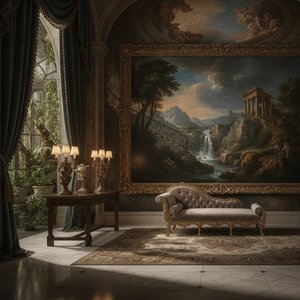
Baroque Landscapes: A Procurement Guide to Dramatic Depth and Grandeur for Professional Hotel Interiors
Elevate hospitality interiors with Baroque landscape reproductions. Our guide for hotel designers covers sourcing hand-painted oils, multi-panel layouts, and large-scale murals to create dramatic, high-end spaces with reliable bulk procurement and global shipping.

Öl auf Leinwand: Eine historische und technische Erkundung eines zeitlosen künstlerischen Mediums
Entdecken Sie die faszinierende Welt der Ölmalerei! Von historischen Techniken bis zur modernen Anwendung – wir bieten Expertenwissen, Restaurierungstipps und hochwertige Reproduktionen. Jetzt informieren!

Barocke Meisterwerke: Dramatik und zeitlose Eleganz für Ihr Interieur – Eine kuratierte Auswahl für anspruchsvolle Sammler
Entdecken Sie die dramatische Pracht barocker Meisterwerke. OriginalUniqueArt bietet exklusive, handgemalte Ölreproduktionen von Klassikern wie Rembrandt und Velázquez. Erleben Sie höchste Handwerkskunst, museale Qualität und individuelle Beratung für Ihr anspruchsvolles Interieur.
