
 Vorschau anzeigen
 Versenden
 Teilen
 Details anzeigen
 Leitfaden

 Herunterladen
 Ähnliche Objekte
 Röntgenaufnahme
 Diashow
 Fragen & Antworten
 Statistiken
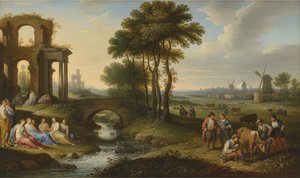
Beggars vor einer römischen Kalkofen

- 38.0 x 33.0 cm


 Weiterlesen
Giclée / Kunstdruck
Giclée- oder Leinwanddruck in Museumsqualität mit schneller Produktion und flexiblen Veredelungsoptionen. ( Handgemalte Reproduktion bestellen Zum digitalen Bild wechseln)




P118B €10

P118H €10

P118W €10

P438Z €10

P508JH €12

P508YH €12

P805H €10

P805Z €10

P919BZ €10

P919G €10

P919XJ €10

P959ZH €10

P968JZ €12

W106C €8

W218G €10

W218JH €8

W218Y €10

W307PJ €10

W316G €10

W316PJ €8

W316Y €10

W398PJ €8

W4111J €10

W500HY €15

W500JH €15

W692G €12

W849H €8

W940BG €15

W953PJ €8




Wählen Sie aus unseren vordefinierten Formaten, die den ursprünglichen Proportionen des Kunstwerks entsprechen.

Geben Sie die benötigte Breite und Höhe an, damit der Druck perfekt in Ihren Rahmen oder an Ihre Wand passt. Ein Druck kann nur beschnitten, aber niemals größer als das Originalbild angefertigt werden; daher verliert ein Format mit anderen Proportionen einen Teil des Bildes. Wir senden Ihnen ein digitales Mockup zur Freigabe, bevor wir den Druck ausführen. Das auf dieser Seite gezeigte Bild zeigt nicht den tatsächlichen Beschnitt – dies ist nur im Mockup ersichtlich.
Weltweiter Versand () innerhalb von 2 Wochen statt der üblichen 4/5 Wochen. (8 November)

Kostenloser weltweiter Expressversand

Hochwertige Leinenleinwand

Umfassender Versicherungsschutz beim Versand

Zollgebühren-Rückerstattungsgarantie

Garantie für exakte Farbtreue

100 Tage Rückgaberecht (nur bei Mängeln)

100% Geld-zurück-Garantie

Mengenrabatt verfügbar
 Die Glasoption ist nur für Größen unter 110 cm verfügbar.

Beggars vor einer römischen Kalkofen
Giclée / Kunstdruck
Format der Reproduktion
-


Endpreis
€ 72
Jan Asselijn und die Darstellung eines historischen Augenblicks
Jan Asselijn (1610-1652) gilt als einer der bedeutendsten Landschaftsmaler seiner Zeit und verkörperte den Höhepunkt der niederländischen Kunst des Goldenen Zeitalters. Seine Werke zeichnen sich durch eine außergewöhnliche Beobachtungsgabe für die Natur aus und wurden von Kollegen und Kritikern gleichermaßen gefeiert. Besonders beeindruckend ist seine Fähigkeit, nicht nur die äußere Erscheinung einer Landschaft einzufangen, sondern auch ihre Stimmung und Emotionen auf Papier zu bringen – eine Technik, die bis heute Künstler inspiriert.
Ein Blick zurück ins Jahr 1638
„Beggars in Front of a Roman Limekiln“ wurde zwischen 1638 und 1640 geschaffen und bietet einen faszinierenden Einblick in das Leben einer kleinen Gemeinde im niederländischen Dieppe. Das Gemälde zeigt eine Gruppe von mindestens zwölf Personen vor einem römischen Kalkofen, die sich um den Bau dieses wichtigen Industriegebäudes kümmern. Diese Darstellung ist nicht nur historisch bedeutsam, sondern auch sozialkritisch und offenbart ein Bild der damaligen Zeit.
Die Technik des Öl auf Holz
Asselijn arbeitete mit Ölfarbe auf Holztechnique, eine Methode, die ihm ermöglichte, außergewöhnliche Detailtreue und Farbintensität zu erreichen. Durch geschickte Verwendung von Licht und Schatten konnte er eine beeindruckende Atmosphäre schaffen und die Figuren sowie den Kalkofen lebendig wirken lassen. Diese Technik war besonders beliebt bei Landschaftsmalern des Goldenen Zeitalters und wird bis heute für hochwertige Reproduktionen verwendet.
Symbolik und Ausdruckskraft
Über die reine Darstellung hinaus trägt das Gemälde eine tiefere Bedeutung innerhalb der Kunstgeschichte mit sich. Die Gruppe von Bettlern vor dem Kalkofen steht für Armut und soziale Ungleichheit, während gleichzeitig die Präsenz eines Pferdes und eines Hundes eine Verbindung zur Natur und zum Leben symbolisieren. Asselijns Werk ist ein beeindruckendes Beispiel für künstlerischen Ausdruck und wird auch heute noch von Betrachtern tief bewegt.
Ein Kunstwerk für Ihr Zuhause
Eine hochwertige Reproduktion von „Beggars in Front of a Roman Limekiln“ kann Ihrem Wohnraum einen einzigartigen Charakter verleihen und eine Erinnerung an die Schönheit und Tiefe der niederländischen Renaissance schaffen. Kontaktieren Sie uns noch heute für Informationen zu unseren außergewöhnlichen Drucken!
Fragen & Antworten
Welches Format und welche Größe hat "Beggars vor einer römischen Kalkofen"?
Das Format von „Beggars vor einer römischen Kalkofen“ ist Hochformat und das Original hat die Maße 38 x 33 cm. Beides ist bei der Planung einer Reproduktion hilfreich.
In welchem Alter schuf Jan Asselyn „Beggars vor einer römischen Kalkofen"?
Als "Beggars vor einer römischen Kalkofen" im Jahr 1638 entstand, war Jan Asselyn – geboren 1610 – 28 Jahre alt.
Woher kommen die Besucher von "Beggars vor einer römischen Kalkofen" von Jan Asselyn?
Auf der Besucherzahlen-Seite des Kunstwerks finden Sie Statistiken zu "Beggars vor einer römischen Kalkofen" von Jan Asselyn: monatliche Aufrufe des Kunstwerks, Aufrufe der Werke des Künstlers sowie eine Aufschlüsselung der jüngsten Besucher nach Land und Sprache.
Künstlerbiografie
A Life Forged in Landscape: The World of Jan Asselijn
Born Jean Asselin in the French port city of Dieppe around 1610, Jan Asselijn’s journey was one shaped by religious upheaval and artistic exploration. His family, Huguenots fleeing persecution, relocated to Amsterdam in 1621, a vibrant hub of commerce and burgeoning artistic talent during the Dutch Golden Age. This relocation proved pivotal, immersing young Jean into a world where landscape painting was rapidly evolving beyond traditional depictions toward more atmospheric and emotionally resonant scenes. He initially trained with Jan Martszen the Younger, honing his skills in battle pieces before discovering his true calling – capturing the beauty and drama of both natural landscapes and animal life. Asselijn’s early exposure to the Dutch light and expansive skies would become a defining characteristic of his work, though it was a sojourn to Italy that truly solidified his artistic vision.The Italianate Embrace & The Bentvueghels
Like many ambitious Northern European painters of the era, Asselijn sought refinement in Italy, likely arriving sometime after 1635. It was there he fully embraced the *Italianate* style – a genre characterized by sun-drenched vistas, classical ruins, and pastoral scenes imbued with a sense of romanticism. He joined the ranks of the *Bentvueghels*, a colorful society of Dutch and Flemish artists working in Rome. These “Birds of a Feather” were known for their unconventional behavior, satirical nicknames, and dedication to painting directly from life – rejecting the constraints of studio work. Within this boisterous community, Asselijn earned the moniker "Krabbetje" (little crab) due to a physical disability affecting his hand, yet he thrived creatively. He absorbed the influence of artists like Pieter van Laer (Bamboccio), whose depictions of Roman peasant life and landscapes resonated deeply with Asselijn’s own developing style. This period was crucial in shaping his ability to convey atmosphere, light, and a sense of narrative within his compositions.Mastering Light & Symbolism: Key Works
Asselijn returned to Amsterdam with a refined technique and a distinctive voice. His paintings are characterized by a clarity of execution and a masterful handling of light – qualities that quickly gained him recognition. While he produced historical and battle scenes, it was his landscapes and animal paintings that truly set him apart. The Threatened Swan, painted in the 1640s, remains his most celebrated work. More than just a depiction of avian defense, this painting became a powerful symbol of Dutch national resistance against external threats. The fiercely protective swan, aggressively warding off intruders near its nest, resonated with contemporary anxieties and was even interpreted as an allegory for Johan de Witt, a prominent Dutch statesman. Intriguingly, later owners added symbolic inscriptions to the canvas – “Holland” on one of the eggs and “Enemy of the state” beside the menacing dog – further cementing its political undertones. Other notable works include Cavalry Attack at Sunset, showcasing his earlier training in battle scenes with dramatic flair, and depictions of rural life like Drovers with Cattle under an Arch of the Colosseum in Rome, which beautifully blend Italianate landscapes with animal studies. The Breach of the Saint Anthony’s Dike near Amsterdam demonstrates his ability to capture a moment of national crisis, reflecting the ever-present threat of water and the ingenuity required for Dutch land reclamation.Influence & Legacy: A Lasting Impression
Jan Asselijn's impact extended beyond his own prolific output. He was admired by contemporaries like Rembrandt, who even created etchings of the artist at work – though notably, these etchings obscure Asselijn’s hands, perhaps a sensitive acknowledgement of his physical challenge. He also served as a mentor to Frederik de Moucheron, another prominent Dutch landscape painter who further popularized the Italianate style. Asselijn's innovative approach to light and atmosphere influenced a generation of artists, paving the way for greater naturalism and emotional depth in landscape painting. His works are now held in prestigious collections such as the Rijksmuseum in Amsterdam, ensuring his legacy endures as a significant figure within the Dutch Golden Age. He died relatively young, in 1652, but left behind a body of work that continues to captivate viewers with its beauty, drama, and subtle layers of meaning.
Jan Asselyn
1610 - 1652 , Frankreich
Kurzinfos
- Artistic Movement Or Style: Italienische Landschaftsmalerei
- Artists Or Movements Influenced By This Artist: ['Frederick de Moucheron']
- Artists Who Influenced This Artist:
- Pieter van Laer
- Esaias van de Velde
- Rembrandt
- Date Of Birth: c. 1610
- Date Of Death: c. 1652
- Full Name: Jan Asselin
- Nationality: Niederlande
- Notable Artworks:
- Die Bedrohte Weißhuhn
- Aufenthalt in Italien
- Übernahme der Stadt Rom
- Place Of Birth: Dieppe, Frankreich
Ähnliche Artikel
Cornelis van Poelenburch: Bridging Mannerism & the Dutch Baroque Landscape
Discover Cornelis van Poelenburch, a pivotal Dutch Baroque landscape painter bridging Mannerism & Italianate styles. Explore his life, key works, and lasting influence on 17th-century art with OriginalUniqueArt.

Golden Light & Dutch Skies: The Timeless Magic of Dutch Golden Age Landscapes
Discover the breathtaking beauty of Dutch Golden Age landscapes. Explore the mastery of light, chiaroscuro, and 17th-century realism through an expert art history lens, celebrating the enduring legacy of the Dutch Masters for discerning collectors and art lovers.

Golden Age Reflections: Dutch Baroque Painting & Cultural Innovation
Explore the Dutch Golden Age of painting! Discover key artists like Vermeer & ter Borch, their innovative techniques, and the rich cultural context behind these Baroque masterpieces. Learn about collecting & appreciating this iconic art period.

Jan van Goyen: Meister der niederländischen Landschaft und atmosphärische Perspektive
Entdecken Sie Jan van Goyens Meisterwerke der niederländischen Landschaftsmalerei! Analysieren Sie Realismus, atmosphärische Perspektive und seinen Einfluss auf die Kunstgeschichte. Expertenwissen & detaillierte Einblicke.

Die 10 Meisterwerke der niederländischen Barockmalerei – Kunst für Ihr Zuhause | OriginalUniqueArt
Entdecken Sie die 10 prägendsten Meisterwerke der niederländischen Barockmalerei! Von Rembrandt bis Vermeer – erleben Sie Kunstgeschichte, Techniken & Emotionen. Hochwertige Reproduktionen für Ihr Zuhause auf OriginalUniqueArt.com.


