Vorschau anzeigen
 Versenden
 Teilen
 Details anzeigen
 Leitfaden

 Herunterladen
 Ähnliche Objekte
 Röntgenaufnahme
 Diashow
 Fragen & Antworten
 Statistiken
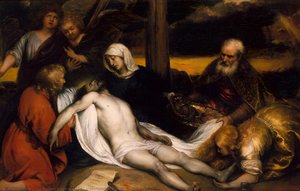
Der Violinspieler


 Weiterlesen
Giclée / Kunstdruck
Giclée- oder Leinwanddruck in Museumsqualität mit schneller Produktion und flexiblen Veredelungsoptionen. ( Handgemalte Reproduktion bestellen Zum digitalen Bild wechseln)




P118B €10

P118H €10

P118W €10

P438Z €10

P508JH €12

P508YH €12

P805H €10

P805Z €10

P919BZ €10

P919G €10

P919XJ €10

P959ZH €10

P968JZ €12

W106C €8

W218G €10

W218JH €8

W218Y €10

W307PJ €10

W316G €10

W316PJ €8

W316Y €10

W398PJ €8

W4111J €10

W500HY €15

W500JH €15

W692G €12

W849H €8

W940BG €15

W953PJ €8




Wählen Sie aus unseren vordefinierten Formaten, die den ursprünglichen Proportionen des Kunstwerks entsprechen.

Geben Sie die benötigte Breite und Höhe an, damit der Druck perfekt in Ihren Rahmen oder an Ihre Wand passt. Ein Druck kann nur beschnitten, aber niemals größer als das Originalbild angefertigt werden; daher verliert ein Format mit anderen Proportionen einen Teil des Bildes. Wir senden Ihnen ein digitales Mockup zur Freigabe, bevor wir den Druck ausführen. Das auf dieser Seite gezeigte Bild zeigt nicht den tatsächlichen Beschnitt – dies ist nur im Mockup ersichtlich.
Weltweiter Versand () innerhalb von 2 Wochen statt der üblichen 4/5 Wochen. (4 November)

Kostenloser weltweiter Expressversand

Hochwertige Leinenleinwand

Umfassender Versicherungsschutz beim Versand

Zollgebühren-Rückerstattungsgarantie

Garantie für exakte Farbtreue

100 Tage Rückgaberecht (nur bei Mängeln)

100% Geld-zurück-Garantie

Mengenrabatt verfügbar
 Die Glasoption ist nur für Größen unter 110 cm verfügbar.

Der Violinspieler
Giclée / Kunstdruck
Format der Reproduktion
-


Endpreis
€ 72
Jan Andrea Lievens und „Der Violinspieler“ – Ein Meisterwerk der niederländischen Barockkunst
Die Gemälde von Jan Andrea Lievens sind bekannt für ihre dramatische Intensität und ihre außergewöhnliche Fähigkeit, Emotionen einzufangen. Besonders beeindruckend ist sein Werk „Der Violinspieler“, entstanden um 1625 und heute im Mauritshuis in Den Haag zu sehen – ein Kunstwerk, das bis heute Künstler und Kunstliebhaber weltweit fasziniert. Dieses Gemälde bietet einen einzigartigen Einblick in die künstlerische Welt des niederländischen Goldenen Zeitalters und wird oft als eines von Lievenss Meisterwerken angesehen.- Überblick: „Der Violinspieler“ zeigt einen Mann, der mit konzentriertem Blick eine Violine spielt. Er trägt einen Hut und besitzt eine auffällige Augenbrauenbewegung, die seinem Gesicht Ausdruck verleiht. Die Komposition ist bewusst symmetrisch gestaltet und betont die zentrale Figur durch einen einfachen Hintergrund.
- Stil und Technik: Lievens arbeitete im Stil der italienischen Caravaggisti-Tradition und setzte dabei auf eine hohe Lichtintensität und dramatische Schattenwirkung – ein Verfahren, das typisch für die Darstellung von Figuren und Szenen in Bewegung ist. Die Verwendung von Ölfarbe auf einem Holzpanel ermöglichte eine außergewöhnliche Detailtreue und eine lebendige Farbgebung.
- Historischer Kontext: Das Gemälde entstand während der Zeit des niederländischen Goldenen Zeitalters unter der Herrschaft von Mauritz von Nassau, einem Förderer der Künste und Wissenschaften. Diese Epoche zeichnete sich durch eine außergewöhnliche wirtschaftliche Prosperität und einen kulturellen Aufschwung aus und brachte zahlreiche bedeutende Künstler hervor.
- Symbolik: Die Violine selbst steht für Musik und Kunst und wird oft als Symbol für Intelligenz und Schönheit interpretiert. Darüber hinaus kann die Darstellung des Mannes beim Spielen der Violine auch auf verschiedene soziale und philosophische Ideen hinweisen, beispielsweise auf die Bedeutung von Selbstkontrolle und künstlerischem Ausdruck.
- Emotionale Wirkung: „Der Violinspieler“ erzeugt eine Atmosphäre von Ruhe und Kontemplation und lädt den Betrachter ein, sich mit der Musik und der Kunst auseinanderzusetzen. Das Gemälde wirkt kraftvoll und bewegend zugleich und erinnert daran, dass Kunst die Fähigkeit besitzt, Emotionen zu verstärken und neue Perspektiven aufzugeben.
Fragen & Antworten
Welche Größe und Ausrichtung werden für einen Druck von "Der Violinspieler" von Jan Lievens empfohlen?
Für „Der Violinspieler“ wird ein Druckformat von Großformatig in der Ausrichtung Hochformat empfohlen.
Wie alt war Jan Lievens, als „Der Violinspieler“ geschaffen wurde?
Als "Der Violinspieler" im Jahr 1625 entstand, war Jan Lievens – geboren 1607 – 18 Jahre alt.
Wie stark ist der Kontrast in "Der Violinspieler" von Jan Lievens?
"Der Violinspieler" von Jan Lievens zeigt einen Aussagekraft Kontrast zwischen hellen und dunklen Bereichen.
Künstlerbiografie
Jan Lievens: A Dutch Master Rediscovered
Jan Lievens (1607 – 1674) was a dutch painter from the netherlands, who lived from 1607 to 1674. his work is often associated with that of rembrandt, as both artists worked in similar styles during the dutch golden age. He was born on october 24, 1607, in leiden, the son of lieven hendriksze, an embroiderer (*borduurwerker*), and was trained by joris verschoten. At about the age of 10, he was sent to pieter lastman in amsterdam for a two-year apprenticeship. This formative experience instilled in him a meticulous attention to detail and a profound understanding of artistic technique—qualities that would characterize his entire oeuvre.- Early Career & Rembrandt Collaboration
- Notable Paintings & Artistic Style
- London Years & Patronage
- Later Life & Legacy
Early Career & Rembrandt Collaboration
Jan Lievens’s artistic journey began in leiden, where he quickly gained recognition for his talent. His copy of *Democriet & Herakliet* by cornelis van haarlem—a monumental undertaking that demonstrated his mastery of perspective and composition—immediately drew the eye of maurice of nassau, prince of orange, who commissioned a portrait of him. This patronage secured Lievens’s financial stability and allowed him to pursue his artistic ambitions without constraint. Crucially, he entered into a collaborative partnership with rembrandt van rijn from 1626 to 1631. Their collaboration produced over two dozen paintings, drawings, and etchings—a period marked by intense rivalry and mutual influence. While the attribution of works from this era remains debated among scholars, there is no doubt that Rembrandt’s presence spurred Lievens to experiment with bolder brushstrokes and dramatic lighting—techniques that would become hallmarks of his distinctive style.Notable Paintings & Artistic Style
Lievens' artistic style was profoundly shaped by caravaggisti influences, evident in his use of tenebrism—the stark contrast between light and dark—and his penchant for portraying figures in dynamic poses. He excelled at capturing psychological depth and emotion, particularly in portraits that aimed to convey the inner life of their subjects. His oeuvre encompasses a diverse range of genres, including history paintings, landscapes, genre scenes depicting everyday life, and still lifes—each infused with meticulous observation and expressive artistry. Among his most celebrated works are *Head of an Old Man*, *Bearded Man with a Beret*, and *Boy in a Cape and Turban*, which exemplify Lievens’s ability to render human anatomy with remarkable accuracy while simultaneously conveying profound emotional resonance.London Years & Patronage
Following the dissolution of his partnership with Rembrandt, Lievens embarked on a period of artistic exploration that took him beyond amsterdam to london, antwerp, and berlin. During these years he secured commissions from royalty—including james i—and established himself as a respected artist in cosmopolitan environments. His success was fueled by his keen understanding of the tastes of the era and his willingness to adapt his style to suit diverse patrons. He continued to produce paintings that showcased both technical virtuosity and imaginative vision, cementing his reputation as one of the most versatile and accomplished painters of his generation.Later Life & Legacy
Jan Lievens died in berlin on june 4, 1674, at the age of 66—leaving behind a legacy of approximately 300 paintings and drawings that continue to fascinate art historians today. His work is housed in museums across europe, including the mauritshuis in leiden and the kremer collection in cologne—testaments to his enduring artistic significance. Despite the initial obscurity surrounding his career—particularly after rembrandt’s death—Lievens has experienced a resurgence of scholarly interest in recent decades, thanks largely to new research that sheds light on previously overlooked aspects of his life and work. His paintings stand as powerful reminders of the dutch golden age and offer invaluable insights into the artistic sensibilities of a pivotal period in european history.
Jan Lievens
1607 - 1674 , Niederlande
Kurzinfos
- Artistic Movement Or Style: Dutch Gouden Eeuw
- Artists Or Movements Influenced By This Artist: ['Rembrandt']
- Artists Who Influenced This Artist:
- Pieter Lastman
- Peter Paul Rubens
- Date Of Birth: 24 Oktober 1607
- Date Of Death: 4 Juni 1674
- Full Name: Jan Lievens
- Nationality: Niederländisch
- Notable Artworks:
- Kopf eines alten Mannes
- Porträt von Constantin Huygens
- Junger Mann mit einem Beret
- Place Of Birth: Leiden, Niederlande
Ähnliche Artikel
Dutch Baroque Unlocked: Mastering Chiaroscuro, Epic Drama, and the High-Impact Legacy of Rembrandt
Explore the dramatic power of Dutch Baroque art. Master the secrets of Rembrandt’s chiaroscuro, discover the epic scale of the Golden Age, and learn how to bring high-impact, hand-painted historical masterpieces into your modern collection with expert precision.

Licht & Schatten: Die 25 größten Meisterwerke von Rembrandt
Entdecke Rembrandts 25 größte Meisterwerke des Barock. Erlebe Licht und Schatten auf OriginalUniqueArt.com – Jetzt die Kollektion entdecken!

Chiaroscuro and Character: A Definitive Guide to Light and Shadow in the Dutch Baroque Era
Explore the dramatic mastery of the Dutch Baroque era. Discover how masters like Rembrandt used chiaroscuro to transform everyday life into timeless art. An expert guide for collectors and enthusiasts seeking to understand the profound interplay of light and shadow.

Jan Lievens & Rembrandt: A Comparative Study of Baroque Innovation
Explore the fascinating artistic dialogue between Jan Lievens and Rembrandt van Rijn. Discover Lievens’s unique Baroque style, continental influences, and evolving legacy – a must-read for discerning art collectors.

Die 10 Meisterwerke der niederländischen Barockmalerei – Kunst für Ihr Zuhause | OriginalUniqueArt
Entdecken Sie die 10 prägendsten Meisterwerke der niederländischen Barockmalerei! Von Rembrandt bis Vermeer – erleben Sie Kunstgeschichte, Techniken & Emotionen. Hochwertige Reproduktionen für Ihr Zuhause auf OriginalUniqueArt.com.