Vorschau anzeigen
 Versenden
 Teilen
 Details anzeigen

 Herunterladen
 Ähnliche Objekte
 Röntgenaufnahme
 Diashow
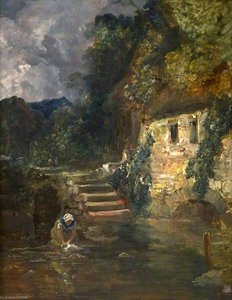
The Golden Age (study)


 Weiterlesen
Giclée / Kunstdruck
Giclée- oder Leinwanddruck in Museumsqualität mit schneller Produktion und flexiblen Veredelungsoptionen. ( Handgemalte Reproduktion bestellen Bild kaufen)




P118B $10

P118H $10

P118W $10

P438Z $10

P508JH $12

P508YH $12

P805H $10

P805Z $10

P919BZ $10

P919G $10

P919XJ $10

P959ZH $10

P968JZ $12

W106C $8

W218G $10

W218JH $8

W218Y $10

W307PJ $10

W316G $10

W316PJ $8

W316Y $10

W398PJ $8

W4111J $10

W500HY $15

W500JH $15

W692G $12

W849H $8

W940BG $15

W953PJ $8




Wählen Sie aus unseren vordefinierten Formaten, die den ursprünglichen Proportionen des Kunstwerks entsprechen.

Sie können Ihre eigenen Maße eingeben, um ein bestimmtes Format oder einen speziellen Platz einzupassen. Wenn das von Ihnen gewählte Format nicht den Proportionen des Originalbildes entspricht, werden wir das Kunstwerk entweder beschneiden oder das Bild mit einem gespiegelten oder einfarbigen Rand erweitern. Ein digitaler Entwurf wird Ihnen zur Genehmigung zugesandt, bevor die Produktion beginnt.
Bitte beachten Sie, dass die Vorschau auf dem Bildschirm nicht den tatsächlichen Zuschnitt oder die Erweiterung widerspiegelt. Nur der Entwurf zeigt die endgültige Komposition präzise an.
Obwohl Sondermaße verfügbar sind, empfehlen wir die Auswahl eines Maßes aus der vordefinierten Liste, um die ursprünglichen Proportionen zu bewahren.
Weltweiter Versand () innerhalb von 2 Wochen statt der üblichen 4/5 Wochen. (17 August)

Kostenloser weltweiter Expressversand

Hochwertige Leinenleinwand

Umfassender Versicherungsschutz beim Versand

Zollgebühren-Rückerstattungsgarantie

Garantie für exakte Farbtreue

60 Tage Rückgaberecht (nur bei Mängeln)

100% Geld-zurück-Garantie

Mengenrabatt verfügbar
 Die Glasoption ist nur für Größen unter 110 cm verfügbar.

The Golden Age (study)
Giclée / Kunstdruck
Format der Reproduktion
-


Gesamtpreis
$ 80
Sammlerstück-Beschreibung
A Window Into Romantic Intensity: James Francis Danby’s “The Golden Age (Study)”
James Francis Danby's "The Golden Age (Study)," painted in 1827, isn’t merely a landscape; it’s a visceral plunge into the heart of the Romantic movement. This evocative work, rendered in meticulous black and white photography, offers a tantalizing glimpse into the artist’s creative process – a preparatory study for what would become a monumental canvas brimming with dramatic light and shadowed emotion. The photograph itself, a testament to early photographic techniques, captures the essence of Danby's vision with remarkable clarity, revealing the subtle brushstrokes and layered composition that define his unique style.
The Artist and His Vision: A Romantic Soul
Born in County Wexford, Ireland, in 1793, James Francis Danby’s life was shaped by both privilege and profound loss. The sudden death of his father at a young age propelled him to Dublin, where he received rigorous training under the tutelage of esteemed landscape artists like James Arthur O’Connor and George Petrie. This formative period instilled in him not just technical proficiency but also a deep appreciation for landscape as a conduit for expressing intense emotion – a core tenet of Romanticism. Danby's work frequently explored themes of sublime beauty, dramatic weather, and the power of nature to evoke both awe and terror, drawing inspiration from the rugged Irish coastline and the vastness of the European wilderness.
A Study in Light and Shadow: Technique and Composition
“The Golden Age (Study)” exemplifies Danby’s masterful command of atmospheric perspective and dramatic lighting. The composition is carefully constructed to draw the viewer into a scene teeming with figures amidst a sprawling, wooded landscape. Notice how he utilizes light – a diffused, almost ethereal glow – to sculpt the forms of the trees and the human subjects, creating a sense of depth and mystery. The loose brushwork visible in the photograph hints at the energetic application of paint characteristic of Danby’s finished works. The placement of figures, seemingly caught in a moment of contemplation or perhaps even apprehension, adds a layer of narrative complexity to the scene. It's clear that this wasn’t simply a depiction of scenery; it was an attempt to capture a specific mood and feeling.
Symbolism and Emotional Resonance
The title itself, “The Golden Age,” evokes a sense of nostalgia and perhaps even melancholy – a yearning for a lost ideal. While the exact meaning remains open to interpretation, it’s likely referencing a period of prosperity and beauty now fading into memory. The presence of figures within the landscape suggests humanity's relationship with nature: are they masters or subjects? The animal figure, partially obscured in the background, could represent instinct, wildness, or perhaps even a connection to the ancient past. More broadly, the painting speaks to the Romantic fascination with the sublime – that feeling of awe and terror inspired by the overwhelming power of nature. Danby’s work invites us to contemplate our place within this grand, untamed world.
A Legacy in Reproduction: Bringing Danby's Vision Home
Reproductions of “The Golden Age (Study)” offer a remarkable opportunity to bring the intensity and beauty of Danby’s Romantic vision into your home or office. Whether adorning a grand salon or adding character to a more intimate space, this artwork serves as a powerful reminder of the enduring appeal of landscape painting and the profound emotional impact of art. Consider commissioning a hand-painted reproduction – a faithful recreation that captures not only the visual details but also the spirit and atmosphere of this iconic work.
Über den Künstler
James Francis Danby: Ein Visionärer des Romantischen Zeitalters
- Geboren: County Wexford, Irland (1793)
- Gestorben: 1861
Francis Danby ARA war ein irischer Maler der romantischen Epoche. Seine einfallsreichen, dramatischen Landschaften waren vergleichbar mit denen von John Martin. Er gilt als eine bedeutende Figur in der britischen Kunstgeschichte und verbindet traditionelle Landschaftsmalerei mit dem aufkommenden Schwerpunkt der Romantik auf Emotionen, Vorstellungskraft und Grandiosität.
Frühes Leben und Künstlerische Entwicklung
Geboren im County Wexford, Irland, war James Francis Danby einer von Zwillingen; sein Vater bewirtschaftete ein kleines Anwesen. Nach dem Tod seines Vaters im Jahr 1807 zog die Familie nach Dublin um. Er begann seine Studien in Zeichnen an den Schulen der Royal Dublin Society und erhielt frühe Anweisungen von James Arthur O’Connor und knüpfte Bekanntschaft mit George Petrie. Im Jahr 1813 begaben sich Danby zusammen mit O’Connor und Petrie nach London. Diese anfängliche Expedition erwies sich als finanziell herausfordernd, was dazu führte, dass sie in Bristol eine Pause einlegten, wo Danby Erfolg beim Verkauf von Aquarellzeichnungen hatte. Dieser Zeitraum in Bristol (um 1818/19) war entscheidend für seine Entwicklung, da er zu einer zentralen Figur innerhalb der informellen Gruppe wurde, die als Bristol School bekannt ist.
Die Bristol School und Entstehender Stil
Danbys Verbindung mit der Bristol School prägte seine künstlerische Laufbahn maßgeblich. Diese Gruppe, die anfänglich um Edward Bird herum entstanden war, förderte ein Umfeld des gemeinsamen Skizzenunterfangens und gegenseitigen Einflusses. Danby löste Bird als zentrale Figur der Schule ab. Birds naturalistische Stil und frische Farben beeinflussten Danby, was in Werken wie “Boys Sailing a Little Boat” (ca. 1821) und "The Delivery of Israel out of Egypt" (1825) deutlich wird. Zu den weiteren einflussreichen Figuren innerhalb dieses Kreises gehörten Edward Villiers Rippingille und der Amateurkünstler Francis Gold, die Danby ermutigten, sich verstärkt fantasievollen und poetischen Themen zuzuwenden. George Cumberland, ein Freund von William Blake, spielte ebenfalls eine wichtige Rolle, indem er Danby Motive für seine Gemälde vorschlug und ihn möglicherweise an Blakes visionären Stil heranführte.
Wichtige Werke und Künstlerische Themen
- Der Upas-Baum von Java (1820): Dieses Werk brachte Danby Anerkennung ein und trug dazu bei, seine Wahl zum Associate Member der Royal Academy zu sichern.
- Enttäuschte Liebe (1821): Demonstriert Danbys charakteristischen poetischen Ansatz in der Landschaftsmalerei, möglicherweise beeinflusst von Samuel Taylor Coleridge.
- Eine verzauberte Insel (1825): Ein sehr einflussreiches Werk, das andere Künstler der Bristol School inspirierte und von Letitia Elizabeth Landon in ihrer Sammlung "The Troubadour" gelobt wurde.
- Die Öffnung des sechsten Siegels (1828): Dieses großformatige Gemälde, das von William Beckford erworben wurde, demonstrierte Danbys Ehrgeiz für dramatische narrative Szenen.
- Die Sintflut (1840): Ein monumentales Werk, das seinen Ruf nach einem Jahrzehnt, das er in der Schweiz und Paris verbracht hatte, wiederherstellte.
Danbys Stil ist gekennzeichnet durch weitläufige illusionistische Leinwände, die großartige, düstere und fantastische Sujets darstellen – Themen, die mit dem byronischen Geschmack der 1820er Jahre in Resonanz standen. Seine Gemälde zeigen oft dramatische Himmel, stürmische Meere und eindringliche Landschaften, die von einem Gefühl des Geheimnisvollen und Ehrfurchtsgebietenden durchdrungen sind.
Spätere Jahre und Vermächtnis
Nach einer Zeit am Ufer des Genfersees in der Schweiz und einem kurzen Aufenthalt in Paris kehrte Danby 1840 nach England zurück. Er setzte seine Ausstellungen fort, darunter "The Golden Age" (ca. 1827) und “Rich and Rare Were the Gems She Wore” (1837). Obwohl einige spätere Werke wie "The Woodnymph's Hymn to the Rising Sun" (1845) einen ruhigeren Stil zeigten, kehrte er mit Gemälden wie "The Shipwreck" (1859) zu seinem früheren dramatischen Modus zurück. Danbys Vermächtnis beruht auf seinem bedeutenden Beitrag zur britischen Romantik. Neben John Martin und J.M.W. Turner gilt er als einer der führenden Künstler dieser Epoche, gefeiert für seine einfallsreichen Landschaften und seine Fähigkeit, durch seine Gemälde kraftvolle Emotionen hervorzurufen.

James Francis Danby
1793 - 1861 , Irland
Kurzinfos
- Artistic Movement Or Style: Romantik
- Artists Or Movements Influenced By This Artist: ['Bristol School artists']
- Artists Who Influenced This Artist:
- John Martin
- J.M.W. Turner
- William Blake
- Date Of Birth: 16. November 1793
- Date Of Death: 9. Februar 1861
- Full Name: James Francis Danby
- Nationality: Irisch
- Notable Artworks:
- The Upas Tree of Java
- Disappointed Love
- An Enchanted Island
- Opening of the Sixth Seal
- The Deluge
- Place Of Birth: Wexford, Irland
Ähnliche Artikel

Sir Alfred James Munnings: Die 25 Meisterwerke des Pferdebildes | OriginalUniqueArt
Entdecken Sie die 25 Meisterwerke von Sir Alfred James Munnings! Erleben Sie seine beeindruckenden Pferdebilder, geprägt vom Impressionismus und Realismus. Hochwertige Kunstdrucke & Reproduktionen auf OriginalUniqueArt.com – für elegante Wandkunst & stilvolles Interieurdesign.
Die schönsten Landschaftsbilder: 10 Meisterwerke für Ihr Zuhause | OriginalUniqueArt.com
Entdecken Sie die 10 schönsten Landschaftsbilder der Kunstgeschichte! Von Monet bis Van Gogh – erfahren Sie die Geschichten hinter Meisterwerken & finden Sie Inspiration für Ihr Zuhause. Hochwertige Kunstdrucke auf OriginalUniqueArt.com.

Golden Light & Dutch Skies: The Timeless Magic of Dutch Golden Age Landscapes
Discover the breathtaking beauty of Dutch Golden Age landscapes. Explore the mastery of light, chiaroscuro, and 17th-century realism through an expert art history lens, celebrating the enduring legacy of the Dutch Masters for discerning collectors and art lovers.

Romantische Landschaften: Die 10 Meisterwerke, die eine Epoche prägten | OriginalUniqueArt
Entdecken Sie die 10 Meisterwerke der Romantischen Landschaftsmalerei! Von Caspar David Friedrich bis Turner – erleben Sie die Kunst, Emotion & Natur. Hochwertige Reproduktionen auf OriginalUniqueArt.com
Nicolaes Berchem und das Goldene Zeitalter: Pastoralismus, Idealisierung & Künstlerische Innovation
Entdecken Sie die faszinierende Welt von Nicolaes Berchem und das Goldene Zeitalter der niederländischen Landschaftsmalerei. Expertenanalyse, Hintergrundinformationen & künstlerische Innovationen.