In echtem Maßstab anzeigen
 Versenden als Grußkarte
 Teilen
 Details anzeigen
 Leitfaden öffnen

 Herunterladen
 Ähnliche Objekte
 Röntgenaufnahme
 Diashow
 Besucherstatistiken
Feiertag


 Mehr anzeigen
Giclée / Kunstdruck
Giclée- oder Leinwanddruck in Museumsqualität mit schneller Produktion und flexiblen Veredelungsoptionen. ( Handgemalte Reproduktion kaufen Zum digitalen Bild wechseln)




P118B €10

P118H €10

P118W €10

P438Z €10

P508JH €12

P508YH €12

P805H €10

P805Z €10

P919BZ €10

P919G €10

P919XJ €10

P959ZH €10

P968JZ €12

W106C €8

W218G €10

W218JH €8

W218Y €10

W307PJ €10

W316G €10

W316PJ €8

W316Y €10

W398PJ €8

W4111J €10

W500HY €15

W500JH €15

W692G €12

W849H €8

W940BG €15

W953PJ €8




Wählen Sie aus unseren vordefinierten Formaten, die den ursprünglichen Proportionen des Kunstwerks entsprechen.

Geben Sie die Breite und die Höhe an, die Sie benötigen, damit der Druck perfekt in Ihren Rahmen oder an Ihre Wand passt. Ein Druck kann nur beschnitten werden und niemals größer als das Originalbild gemacht werden; daher verliert ein Format mit einer anderen Proportion einen Teil des Bildes. Wir senden Ihnen ein digitales Mockup zur Freigabe, bevor wir den Druck ausführen. Das auf dieser Seite gezeigte Bild zeigt nicht den tatsächlichen Beschnitt – dies ist nur im Mockup ersichtlich.
Weltweiter Versand () innerhalb von 2 Wochen statt der üblichen 4/5 Wochen. (24 Oktober)

Kostenloser weltweiter Expressversand

Hochwertige Leinenleinwand

Vollständiger Versicherungsschutz beim Versand

Zollgebühren-Rückerstattungsgarantie

Garantie für exakte Farbtreue

100-tägiges Rückgaberecht (nur bei Mängeln)

100% Geld-zurück-Garantie

Angebot für Mengenrabatt
 Die Glasoption ist nur für Größen unter 110 cm verfügbar.

Feiertag
Giclée / Kunstdruck
Format der Reproduktion
-


Gesamtpreis
€ 70
Ein Blick in die viktorianische Gelassenheit
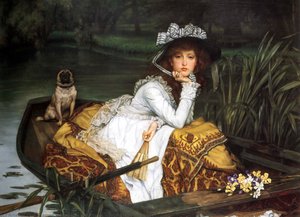
In der sanften Umarmung der Nachmittagssonne lädt Jacques Joseph Tissots "Feiertag" den Betrachter in eine Welt voller kultivierter Muße und stiller Eleganz ein. Dieses exquisite Ölgemälde dient als Fenster zum Herzen der viktorianischen High Society und fängt einen Moment ein, in dem die Zeit unter dem weitläufigen Blätterdach eines üppigen Gartens stillzustehen scheint. Die Szene entfaltet sich im Rahmen einer Teegesellschaft im Freien, bei der das sanfte Rascheln von Seide und das feine Klirren von Porzellan durch Tissots meisterhaften Pinselstrich fast hörbar werden. Während wir die elegant gekleideten Frauen betrachten, die in Gespräch und Ruhe vertieft sind, werden wir in eine Ära versetzt, die durch ihr Streben nach Anmut, sozialen Ritualen und einer tiefen, romantisierten Verbindung zur Natur definiert war.
Die Komposition ist ein Meisterwerk des vielschichtigen Geschichtenerzählens, das das Auge durch eine akribisch arrangierte Landschaft führt. Ein dichtes, lebendiges Laubwerk über den Figuren wirft ein gesprenkeltes Muster aus Licht und Schatten und schafft so ein Gefühl von Intimität und Abgeschiedenheit. Tissot nutzt einen organischen Linienfluss – die geschwungenen Kurven der Baumzweige und die sanften Silhouetten der ruhenden Gestalten –, um einen Kontrast zur strukturiert-geometrischen Form des Teeservice und der Gartenelemente zu setzen. Dieses Zusammenspiel zwischen der wilden Schönheit der Natur und der disziplinierten Etikette der menschlichen Gesellschaft erzeugt eine fesselnde visuelle Spannung, die den Betrachter in jedem Winkel der Leinwand aufs Neue in ihren Bann zieht.
Technik, Licht und der impressionistische Hauch
Obwohl Tissots Wurzeln fest in der akribischen Tradition des Realismus verankert sind, atmet "Feiertag" mit der leuchtenden Energie des Impressionismus. Der Künstler beweist eine tiefgreifende Beherrschung des Lichts, indem er es nicht nur zur Beleuchtung nutzt, sondern um die Atmosphäre selbst zu formen. Das durch die Blätter filternde Sonnenlicht erzeugt ein rhythmisches Muster aus Helligkeit und Schatten, das den Texturen feiner Stoffe, poliertem Silber und grünem Laub eine dreidimensionale Tiefe verleiht. Jeder Pinselstrich ist bewusst gesetzt und trägt zu einem reichen Geflecht von Texturen bei, das von der glatten, porzellanartigen Haut der Dargestellten bis hin zum schweren, kunstvollen Gewebe ihrer Nachmittagskleidung reicht.
Der Einsatz von Farbe in diesem Werk ist sowohl subtil als auch tiefgründig. Tissot verwendet eine Palette, die die Wärme eines späten Sommer- oder frühen Herbstnachmittags heraufbeschwört, und nutzt gedämpfte Töne in der Ferne, um eine atmosphärische Perspektive zu schaffen, die den Betrachter tiefer in die Umarmung des Gartens zieht. Für Sammler und Innenarchitekten bietet diese Technik einen einzigartigen Vorteil: Das Gemälde besitzt die bemerkenswerte Fähigkeit, mit verschiedenen Farbschemata zu harmonieren, und schafft so einen anspruchsvollen Fokuspunkt, der sowohl Wärme als auch ein Gefühl historischer Tiefe in jeden kuratierten Raum bringt.
Symbolik und emotionale Resonanz
Jenseits seiner oberflächlichen Schönheit ist "Feiertag" reich an der Symbolik einer idealisierten Epoche. Die Teegesellschaft dient als weit mehr als nur ein soziales Beisammensein; sie ist ein Symbol für Stabilität, Kultiviertheit und den kultivierten Frieden der Oberschichten. Die Anwesenheit des jungen Mädchens, das die Szene beobachtet, fügt eine Ebene der Kontinuitat hinzu und deutet auf das Weitergeben von Traditionen sowie die Unschuld der Jugend innerhalb der strukturierten Welt des Erwachsenenalters hin. In jedem Detail ist ein tiefes Gefühl der Nostalgie eingebettet, das eine Sehnsucht nach einer Zeit heraufbeschwört, die durch Entschleunigung und ästhetische Wertschätzung geprägt war.
Für jene, die ihr Zuhause mit Kunst schmücken möchten, die Ruhe ausstrahlt, bietet dieses Meisterwerk eine unvergleichliche emotionale Wirkung. Es dekoriert nicht bloß eine Wand; es verwandelt einen Raum in einen Ort des Friedens. Ob man es als historisches Dokument des französischen Lebens im 19. Jahrhundert oder als reine Erkundung von Licht und Schönheit betrachtet – "Feiertag" bleibt ein zeitloses Zeugnis der Eleganz des menschlichen Geistes in der Ruhe. Der Besitz einer hochwertigen Reproduktion dieses Werkes ermöglicht es, dieses Gefühl von erhabener Raffinesse in die moderne Ära zu tragen, was es zu einer exquisiten Wahl für jeden anspruchsvollen Kunstliebhaber macht.
Fragen & Antworten
Welche Stellung nimmt „Feiertag“ unter den wiederkehrenden Motiven von Jacques Joseph Tissot ein?
"Feiertag" stellt viktorianische gesellschaft, teezeit-szene, gartenfreizeit, elegante frauen, gesprenkeltes sonnenlicht, soziale zusammenkunft dar, während die dokumentierten Themen von Jacques Joseph Tissot impressionistischer realismus, gesellschaft der belle époque, viktorianisches freizeitleben, tissots soziale szenen, japonismus-einfluss, religiöse untertöne, meisterschaft der genremalerei, raffinierter aristokratischer geschmack sind. Ein Vergleich der beiden zeigt, wie das Werk mit den üblichen Sujets des Künstlers in Verbindung steht.
Kann ich "Feiertag" genauer untersuchen?
Die Röntgenansicht von "Feiertag" von Jacques Joseph Tissot finden Sie auf der Röntgenaufnahme-Seite des Kunstwerks: eine interaktive Untersuchung des Bildes durch elf optische Schichten.
Wie verbinden sich Medium und Bewegung in "Feiertag"?
"Feiertag" ist in Öl auf Leinwand im Stil der Realismus-Epoche gefertigt.
Biografie des Künstlers
Early Life and Artistic Beginnings
Jacques Joseph Tissot, born October 15, 1836, in Nantes, France, was destined for a life steeped in artistic passion from his earliest years. His father, Marcel Théodore Tissot, was a successful drapery merchant. His mother, Marie Durand, assisted her husband in the family business and designed hats. A devout Catholic, Tissot's formative years were marked by a deep appreciation for craftsmanship and detail—qualities that would profoundly shape his artistic vision. Simultaneously, he absorbed influences from Parisian society, exposing him to the vibrant world of fashion and culture. Despite familial responsibilities, Tissot relentlessly pursued his artistic ambitions, enrolling at the École des Beaux-Arts in Paris where he honed his skills under the tutelage of luminaries like Ingres, Flandrin, and Lamothe. This formative period cemented his commitment to painting as a vocation and established him firmly within the influential Parisian art milieu.The Salon Years and Recognition
Tissot’s debut at the Paris Salon in 1861 signaled a pivotal moment—the unveiling of “The Meeting of Faust and Marguerite,” a dramatic tableau that captivated audiences and garnered considerable acclaim from critics. Purchased by the state for inclusion in the Luxembourg Gallery, this ambitious undertaking showcased Tissot's burgeoning reputation as a painter capable of capturing complex narratives and conveying profound emotion. Subsequent Salon exhibitions solidified his position within the artistic establishment, attracting commissions from prominent patrons. His early successes fueled confidence and propelled him toward exploring new subjects and techniques—a trajectory that would ultimately define his illustrious career. The painting’s masterful composition and luminous color palette immediately established Tissot as a rising star among Impressionist painters.Genre Painting and Parisian Society
Tissot’s artistic breakthrough arrived with his series “La Femme à Paris,” a meticulously observed depiction of the demi-mondaine world of late Victorian London. These paintings, characterized by their luminous color palettes and masterful rendering of textures—particularly fabrics—became synonymous with capturing the allure and dynamism of Parisian high society. Tissot's meticulous attention to detail extended beyond mere visual representation; he sought to convey not only appearances but also psychological nuances, reflecting the anxieties and aspirations of his subjects. His work stands as a testament to Impressionistic influences blended with realism, offering an unparalleled glimpse into the social customs and artistic sensibilities of the Belle Époque. He skillfully captured the atmosphere of London’s theaters and cafes, portraying women in elegant gowns and conveying subtle emotions through facial expressions and body language—a remarkable achievement for his time.Biblical Themes and Japonisme
Throughout his prolific output, Tissot embraced diverse artistic inspirations—ranging from medieval narratives to biblical scenes—demonstrating remarkable versatility. His depictions of religious subjects, imbued with spiritual depth and emotional resonance, showcased his ability to elevate visual storytelling into profound contemplation. Simultaneously, he was captivated by Japonisme—the fascination with Japanese art and aesthetics that swept across Europe during the Victorian era—evident in compositions infused with asymmetrical arrangements and subtle color harmonies reminiscent of Japanese prints. This stylistic fusion underscored Tissot’s intellectual curiosity and his willingness to experiment with innovative artistic approaches. He drew inspiration from Japanese woodblock prints, incorporating elements of flatness and bold outlines into his paintings—a distinctive feature that distinguishes him from many of his contemporaries.Later Years and Legacy
Tissot served in the Franco-Prussian War on the side of France and later the Paris Commune—an experience that undoubtedly shaped his worldview. Following the war’s conclusion, he relocated to London where he pursued etching alongside Sir Seymour Haden and honed his artistic skills through portrait commissions and caricatures for Vanity Fair. His relationship with Kathleen Newton blossomed into a passionate companionship, providing him with enduring inspiration for numerous paintings. Tragically, Newton succumbed to tuberculosis in 1882—a profound loss that deeply affected Tissot’s creative output. Despite this sorrowful chapter, he continued to produce exceptional artwork until his death in 1902. Today, Jacques Joseph Tissot's legacy resides in museums across Europe and North America—most notably the Musée National Jean-Jacques Henner in Paris—where his celebrated paintings continue to inspire admiration for their artistic brilliance and evocative portrayal of Victorian life and faith. His enduring influence on genre painting and Impressionism secures his place as one of France’s most distinguished artists of the 19th century.
Jacques Joseph Tissot
1836 - 1902 , Frankreich
Eckdaten zum Künstler
- Artistic Movement Or Style: Genre Painting
- Artists Who Influenced This Artist:
- Jean-Auguste Ingres
- Gustave Courbet
- Date Of Birth: 15. Oktober 1836
- Date Of Death: 8. August 1902
- Full Name: Jacques Joseph Tissot
- Nationality: Französisch
- Notable Artworks:
- Das Treffen von Faust und Marguerite
- La Femme à Paris
- Place Of Birth: Nantes, Frankreich
Verwandte Artikel
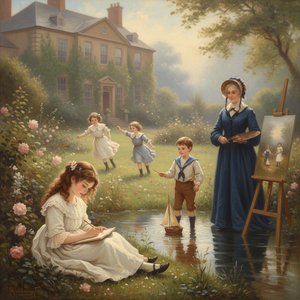
James Sant: Capturing Victorian Childhood & the Evolving Landscape of British Genre Painting
Explore the life & art of James Sant (1820-1916), renowned Victorian portraitist to Queen Victoria. Discover his captivating depictions of childhood, landscapes, and aristocratic society. Learn about his legacy & find fine art reproductions.

Sir Alfred James Munnings: Die 25 Meisterwerke des Pferdebildes | OriginalUniqueArt
Entdecken Sie die 25 Meisterwerke von Sir Alfred James Munnings! Erleben Sie seine beeindruckenden Pferdebilder, geprägt vom Impressionismus und Realismus. Hochwertige Kunstdrucke & Reproduktionen auf OriginalUniqueArt.com – für elegante Wandkunst & stilvolles Interieurdesign.
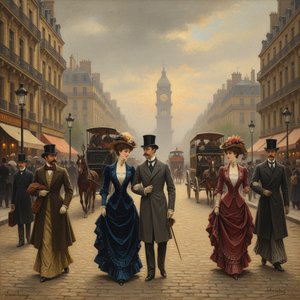
Jacques Joseph Tissot: Chronik eines Pariser Lebens – Narrative Entwicklung und die Ästhetik der Moderne
Entdecken Sie Jacques Joseph Tissots faszinierende Chronik des Pariser Lebens! Analysieren Sie seine narrative Entwicklung, die Ästhetik der Belle Époque und seinen Einfluss auf die Moderne. Expertenwissen & tiefe Einblicke.
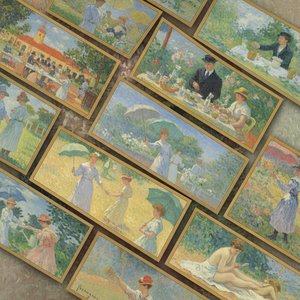
Pierre-Auguste Renoir: Die 25 Meisterwerke des Impressionismus für Ihr Zuhause | OriginalUniqueArt
Entdecken Sie die 25 schönsten Meisterwerke von Pierre-Auguste Renoir! Tauchen Sie ein in die Welt des Impressionismus, erleben Sie berühmte Gemälde wie 'Bal au moulin de la Galette' und finden Sie hochwertige Kunstdrucke für Ihr Zuhause. Jetzt auf OriginalUniqueArt.com!

James Abbott McNeill Whistler: Die 25 Meisterwerke für Ihr Zuhause | OriginalUniqueArt
Entdecken Sie die 25 Meisterwerke von James Abbott McNeill Whistler! Von den berühmten Nocturnes bis zu ikonischen Porträts – erleben Sie Ästhetizismus, Impressionismus & Tonalismus. Hochwertige Reproduktionen auf OriginalUniqueArt.com.