Vorschau anzeigen
 Versenden
 Teilen
 Details anzeigen
 Leitfaden

 Herunterladen
 Ähnliche Objekte
 Röntgenaufnahme
 Diashow
 Statistiken
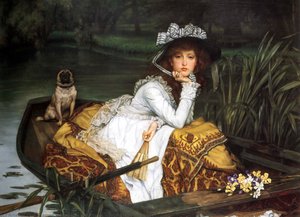
Das letzte Abendessen
 Öl auf Leinwand
- Wandkunst
- Belle Époque Realism
 1873
1873- – 19. Jahrhundert
 72.0 x 103.0 cm
 Guildhall Art Gallery
 Weiterlesen
Giclée / Kunstdruck
Giclée- oder Leinwanddruck in Museumsqualität mit schneller Produktion und flexiblen Veredelungsoptionen. ( Handgemalte Reproduktion bestellen Zum digitalen Bild wechseln)




P118B €10

P118H €10

P118W €10

P438Z €10

P508JH €12

P508YH €12

P805H €10

P805Z €10

P919BZ €10

P919G €10

P919XJ €10

P959ZH €10

P968JZ €12

W106C €8

W218G €10

W218JH €8

W218Y €10

W307PJ €10

W316G €10

W316PJ €8

W316Y €10

W398PJ €8

W4111J €10

W500HY €15

W500JH €15

W692G €12

W849H €8

W940BG €15

W953PJ €8




Wählen Sie aus unseren vordefinierten Formaten, die den ursprünglichen Proportionen des Kunstwerks entsprechen.

Geben Sie die benötigte Breite und Höhe an, damit der Druck perfekt in Ihren Rahmen oder an Ihre Wand passt. Ein Druck kann nur beschnitten, aber niemals größer als das Originalbild angefertigt werden; daher verliert ein Format mit anderen Proportionen einen Teil des Bildes. Wir senden Ihnen ein digitales Mockup zur Freigabe, bevor wir den Druck ausführen. Das auf dieser Seite gezeigte Bild zeigt nicht den tatsächlichen Beschnitt – dies ist nur im Mockup ersichtlich.
Weltweiter Versand () innerhalb von 2 Wochen statt der üblichen 4/5 Wochen. (26 Oktober)

Kostenloser weltweiter Expressversand

Hochwertige Leinenleinwand

Umfassender Versicherungsschutz beim Versand

Zollgebühren-Rückerstattungsgarantie

Garantie für exakte Farbtreue

100 Tage Rückgaberecht (nur bei Mängeln)

100% Geld-zurück-Garantie

Mengenrabatt verfügbar
 Die Glasoption ist nur für Größen unter 110 cm verfügbar.

Das letzte Abendessen
Giclée / Kunstdruck
Format der Reproduktion
-


Endpreis
€ 70
Ein Blick auf „Das letzte Abendmahl“ von Jacques Joseph Tissot
Jacques Joseph Tissot (James Tissot), geboren am 15. Oktober 1836 in Nantes, Frankreich, war für sein Leben tief im künstlerischen Begeisterung geprägt und begann bereits frühzeitig seine künstlerische Reise. Sein Vater, ein Türmergeschäftsmann, vermittelte ihm eine Wertschätzung für Handwerkskunst und Detailtreue – Eigenschaften, die seinen künstlerischen Blick maßgeblich prägten und sich später in seinem Werk widerspiegelten. Gleichzeitig förderte seine Mutter, eine Mädlingschmückerin, seine Sensibilität für Schönheit und Mode und gewährte ihm Einblicke in die lebendige Welt der Pariser Gesellschaft. Trotz familiärer Verantwortlichkeiten verfolgte Tissot unermüdlich seine künstlerischen Ambitionen und studierte an der École des Beaux-Arts in Paris, wo er unter Anleitung von Künstlern wie Ingres, Flandrin und Lamothe sein Können perfektionierte. Diese formative Periode festigte sein Engagement für die Malerei als Berufung und etablierte ihn nachhaltig im einflussreichen Pariser Kunstmilieu.Ein Meisterwerk der Belle Époque
„Das letzte Abendmahl“ ist ein außergewöhnliches Gemälde, das einen wichtigen Abschnitt der europäischen Kunstgeschichte repräsentiert – die Belle Époque (Die schöne Epoche), eine Zeit des Optimismus und gesellschaftlicher Veränderung im Frankreich des späten 19. Jahrhunderts. Tissot gelang es, diese Ära mit beeindruckender Genauigkeit einzufangen und gleichzeitig eine tiefgründige künstlerische Vision zu entwickeln. Das Werk zeichnet sich durch einen außergewöhnlichen Realismus aus, der bis ins kleinste Detail wiedergegeben wird und den Betrachter unmittelbar in die Atmosphäre einer wohlhabenden französischen Familie hineinzieht. Dabei wurde besonderes Augenmerk auf die Darstellung von Licht und Schatten gelegt, um eine besondere Stimmung zu erzeugen und die Emotionen der Figuren einzufangen.Technik und Stil: Eine Synthese von Beobachtung und Fantasie
Tissot arbeitete hauptsächlich mit Ölfarbe auf Leinwand und setzte dabei eine Technik ein, die sowohl wissenschaftliche Präzision als auch künstlerische Kreativität vereinte. Durch sorgfältige Studien und anatomische Untersuchungen gelang es ihm, die menschliche Figur äußerst realistisch darzustellen und gleichzeitig ihre Bewegungen und Emotionen auf natürliche Weise auszudrücken. Gleichzeitig ließ sich sein Stil von französischen Impressionisten und japanischen Kunstformen beeinflussen – eine Kombination, die zu seinem unverwechselbaren Charakter beitrug. Besonders auffällig ist die Verwendung von Licht und Farbe, insbesondere die Darstellung des Abendmahls selbst, bei der Tissot versucht, die religiöse Bedeutung des Ereignisses auf eine Weise einzufangen, die sowohl beeindruckend als auch zugänglich ist.Symbolik und Emotionale Wirkung
Das Gemälde ist nicht nur ein außergewöhnliches Beispiel für künstlerische Technik, sondern auch reich an Symbolik. Die Darstellung einer Familie beim Abendmahl steht für Gemeinschaft und Gebet sowie für die zentrale Rolle der Religion im Leben des Einzelnen. Darüber hinaus wird eine gewisse Melancholie und Reflexion durch die Körperhaltung der Figuren und die Verwendung von Farben wie Weiß und Gold vermittelt – Elemente, die tiefgreifende Emotionen hervorrufen und den Betrachter dazu anregen, über Fragen der menschlichen Existenz nachzudenken. „Das letzte Abendmahl“ bleibt ein beeindruckendes Kunstwerk, das bis heute Besucher weltweit fasziert und inspiriert.Fragen & Antworten
Wie lassen sich die Farben von "Das letzte Abendessen" von Jacques Joseph Tissot mit dessen emotionaler Wirkung in Verbindung bringen?
"Das letzte Abendessen" von Jacques Joseph Tissot vereint eine Erdig Farbpalette mit einem Romantisch Ton.
Was stellt "Das letzte Abendessen" dar und welche Atmosphäre vermittelt es?
"Das letzte Abendessen" von Jacques Joseph Tissot verbindet victorian fashion, maritime scene, interior decoration, romantic painting, elegant society, biblical narrative, japanese influence mit einer Zeitlos elegant Atmosphäre.
Welche Farbpalette wird in "Das letzte Abendessen" verwendet?
"Das letzte Abendessen" von Jacques Joseph Tissot verwendet eine Erdig-Farbpalette. Diese Palette bestimmt den gesamten farblichen Charakter des Werkes.
Künstlerbiografie
Early Life and Artistic Beginnings
Jacques Joseph Tissot, born October 15, 1836, in Nantes, France, was destined for a life steeped in artistic passion from his earliest years. His father, Marcel Théodore Tissot, was a successful drapery merchant. His mother, Marie Durand, assisted her husband in the family business and designed hats. A devout Catholic, Tissot's formative years were marked by a deep appreciation for craftsmanship and detail—qualities that would profoundly shape his artistic vision. Simultaneously, he absorbed influences from Parisian society, exposing him to the vibrant world of fashion and culture. Despite familial responsibilities, Tissot relentlessly pursued his artistic ambitions, enrolling at the École des Beaux-Arts in Paris where he honed his skills under the tutelage of luminaries like Ingres, Flandrin, and Lamothe. This formative period cemented his commitment to painting as a vocation and established him firmly within the influential Parisian art milieu.The Salon Years and Recognition
Tissot’s debut at the Paris Salon in 1861 signaled a pivotal moment—the unveiling of “The Meeting of Faust and Marguerite,” a dramatic tableau that captivated audiences and garnered considerable acclaim from critics. Purchased by the state for inclusion in the Luxembourg Gallery, this ambitious undertaking showcased Tissot's burgeoning reputation as a painter capable of capturing complex narratives and conveying profound emotion. Subsequent Salon exhibitions solidified his position within the artistic establishment, attracting commissions from prominent patrons. His early successes fueled confidence and propelled him toward exploring new subjects and techniques—a trajectory that would ultimately define his illustrious career. The painting’s masterful composition and luminous color palette immediately established Tissot as a rising star among Impressionist painters.Genre Painting and Parisian Society
Tissot’s artistic breakthrough arrived with his series “La Femme à Paris,” a meticulously observed depiction of the demi-mondaine world of late Victorian London. These paintings, characterized by their luminous color palettes and masterful rendering of textures—particularly fabrics—became synonymous with capturing the allure and dynamism of Parisian high society. Tissot's meticulous attention to detail extended beyond mere visual representation; he sought to convey not only appearances but also psychological nuances, reflecting the anxieties and aspirations of his subjects. His work stands as a testament to Impressionistic influences blended with realism, offering an unparalleled glimpse into the social customs and artistic sensibilities of the Belle Époque. He skillfully captured the atmosphere of London’s theaters and cafes, portraying women in elegant gowns and conveying subtle emotions through facial expressions and body language—a remarkable achievement for his time.Biblical Themes and Japonisme
Throughout his prolific output, Tissot embraced diverse artistic inspirations—ranging from medieval narratives to biblical scenes—demonstrating remarkable versatility. His depictions of religious subjects, imbued with spiritual depth and emotional resonance, showcased his ability to elevate visual storytelling into profound contemplation. Simultaneously, he was captivated by Japonisme—the fascination with Japanese art and aesthetics that swept across Europe during the Victorian era—evident in compositions infused with asymmetrical arrangements and subtle color harmonies reminiscent of Japanese prints. This stylistic fusion underscored Tissot’s intellectual curiosity and his willingness to experiment with innovative artistic approaches. He drew inspiration from Japanese woodblock prints, incorporating elements of flatness and bold outlines into his paintings—a distinctive feature that distinguishes him from many of his contemporaries.Later Years and Legacy
Tissot served in the Franco-Prussian War on the side of France and later the Paris Commune—an experience that undoubtedly shaped his worldview. Following the war’s conclusion, he relocated to London where he pursued etching alongside Sir Seymour Haden and honed his artistic skills through portrait commissions and caricatures for Vanity Fair. His relationship with Kathleen Newton blossomed into a passionate companionship, providing him with enduring inspiration for numerous paintings. Tragically, Newton succumbed to tuberculosis in 1882—a profound loss that deeply affected Tissot’s creative output. Despite this sorrowful chapter, he continued to produce exceptional artwork until his death in 1902. Today, Jacques Joseph Tissot's legacy resides in museums across Europe and North America—most notably the Musée National Jean-Jacques Henner in Paris—where his celebrated paintings continue to inspire admiration for their artistic brilliance and evocative portrayal of Victorian life and faith. His enduring influence on genre painting and Impressionism secures his place as one of France’s most distinguished artists of the 19th century.
Jacques Joseph Tissot
1836 - 1902 , Frankreich
Kurzinfos
- Artistic Movement Or Style: Genre Painting
- Artists Who Influenced This Artist:
- Jean-Auguste Ingres
- Gustave Courbet
- Date Of Birth: 15. Oktober 1836
- Date Of Death: 8. August 1902
- Full Name: Jacques Joseph Tissot
- Nationality: Französisch
- Notable Artworks:
- Das Treffen von Faust und Marguerite
- La Femme à Paris
- Place Of Birth: Nantes, Frankreich
Ähnliche Artikel

Zeitlose Eleganz: 10 ikonische Kunstwerke der viktorianischen Ära
Entdecken Sie 10 Meisterwerke der viktorianischen Ära: Von Millais bis Turner erleben Sie die Pracht der Pre-Raphaeliten. Finden Sie museale Kunstreproduktionen für Ihr Zuhause. Erforschen Sie die gesamte Kollektion auf OriginalUniqueArt.com.
Step into Elegance: Discover the Timeless Beauty and Opulence of Belle Époque Art
Immerse yourself in the splendor of Belle Époque art. From Art Nouveau to Impressionism, OriginalUniqueArt.com provides exquisite, hand-painted oil reproductions and custom portraits. Discover timeless elegance and expert artistry to elevate your home decor with confidence.

Zeitlose Eleganz: 10 ikonische Kunstwerke der viktorianischen Ära
Entdecken Sie 10 ikonische Meisterwerke der viktorianischen Ära – von den Pre-Raphaeliten bis zu J.M.W. Turner. Erleben Sie die Eleganz historischer Kunst und finden Sie museale Reproduktionen für Ihr Interior Design auf OriginalUniqueArt.com. Jetzt die gesamte Kollektion online entdecken!

Zeitlose Eleganz: 10 ikonische Kunstwerke der viktorianischen Ära
Entdecken Sie 10 ikonische Meisterwerke der viktorianischen Ära – von den Pre-Raphaeliten bis zu J.M.W. Turner. Erleben Sie die Eleganz historischer Ölgemälde und finden Sie museale Reproduktionen für Ihr Zuhause. Entdecken Sie alle Meisterwerke auf OriginalUniqueArt.com.

Zeitlose Eleganz: 10 ikonische Kunstwerke der viktorianischen Ära
Entdecken Sie 10 ikonische Meisterwerke der viktorianischen Ära – von der Pre-Raphaelite-Bewegung bis zu Turner. Erleben Sie die Emotionen und Techniken hinter diesen Klassikern. Finden Sie museale Ölgemälde-Reproduktionen für Ihr Interieur auf OriginalUniqueArt.com. Jetzt Kollektion entdecken!