Vorschau anzeigen
 Versenden
 Teilen
 Details anzeigen
 Leitfaden

 Herunterladen
 Ähnliche Objekte
 Röntgenaufnahme
 Diashow
 Fragen & Antworten
 Statistiken
St James


 Weiterlesen
Giclée / Kunstdruck
Giclée- oder Leinwanddruck in Museumsqualität mit schneller Produktion und flexiblen Veredelungsoptionen. ( Handgemalte Reproduktion bestellen Zum digitalen Bild wechseln)




P118B €10

P118H €10

P118W €10

P438Z €10

P508JH €12

P508YH €12

P805H €10

P805Z €10

P919BZ €10

P919G €10

P919XJ €10

P959ZH €10

P968JZ €12

W106C €8

W218G €10

W218JH €8

W218Y €10

W307PJ €10

W316G €10

W316PJ €8

W316Y €10

W398PJ €8

W4111J €10

W500HY €15

W500JH €15

W692G €12

W849H €8

W940BG €15

W953PJ €8




Wählen Sie aus unseren vordefinierten Formaten, die den ursprünglichen Proportionen des Kunstwerks entsprechen.

Geben Sie die benötigte Breite und Höhe an, damit der Druck perfekt in Ihren Rahmen oder an Ihre Wand passt. Ein Druck kann nur beschnitten, aber niemals größer als das Originalbild angefertigt werden; daher verliert ein Format mit anderen Proportionen einen Teil des Bildes. Wir senden Ihnen ein digitales Mockup zur Freigabe, bevor wir den Druck ausführen. Das auf dieser Seite gezeigte Bild zeigt nicht den tatsächlichen Beschnitt – dies ist nur im Mockup ersichtlich.
Weltweiter Versand () innerhalb von 2 Wochen statt der üblichen 4/5 Wochen. (6 November)

Kostenloser weltweiter Expressversand

Hochwertige Leinenleinwand

Umfassender Versicherungsschutz beim Versand

Zollgebühren-Rückerstattungsgarantie

Garantie für exakte Farbtreue

100 Tage Rückgaberecht (nur bei Mängeln)

100% Geld-zurück-Garantie

Mengenrabatt verfügbar
 Die Glasoption ist nur für Größen unter 110 cm verfügbar.

St James
Giclée / Kunstdruck
Format der Reproduktion
-


Endpreis
€ 72
Jacopo Sansovino’s St James: A Florentine Masterpiece of Classical Grace
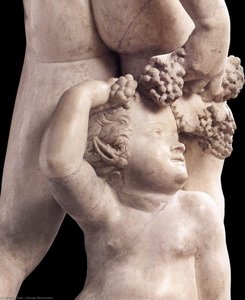
Within the serene confines of the Florence Cathedral stands Jacopo Sansovino's "St James," a sculpture that embodies the Renaissance spirit of classical revival and profound humanism. Completed in 1511, this marble figure transcends mere representation; it’s an embodiment of idealized form, imbued with a quiet dignity and a subtle dynamism that continues to captivate viewers centuries later. The work isn't simply a depiction of the apostle – it’s a carefully constructed meditation on balance, proportion, and the very essence of human beauty, reflecting Sansovino’s deep engagement with ancient Greek and Roman sculpture.
Sansovino’s training in Florence, under the tutelage of Andrea Sansovino, laid the foundation for his distinctive style. He was profoundly influenced by the rediscovery of classical antiquity during this period, a movement that sought to recapture the perceived perfection of the ancient world. This influence is immediately apparent in “St James,” where the figure’s pose – a contrapposto stance reminiscent of Roman statues – establishes a visual connection to the past. The careful attention to anatomical detail, particularly in the musculature and drapery, demonstrates Sansovino's mastery of sculpture and his commitment to accurately representing the human form.
The Language of Form: Technique and Composition
Crafted from pristine white marble, “St James” showcases Sansovino’s exceptional technical skill. The surface is remarkably smooth, achieved through meticulous polishing – a technique that highlights the material's inherent beauty while subtly suggesting its weight and solidity. Notice how light plays across the figure, creating delicate gradations of tone and revealing the subtle curves of the drapery. This masterful manipulation of light and shadow not only enhances the sculpture’s three-dimensionality but also contributes to its overall sense of realism.
The composition is equally deliberate. The figure is positioned within a niche or alcove, creating a sense of enclosure that draws the viewer's eye inward. This framing device emphasizes the importance of the subject and reinforces the sculpture’s role as a focal point within the cathedral space. Sansovino skillfully uses vertical lines – established by the figure’s posture and the architectural setting – to create a sense of stability and monumentality, while subtle curves in the drapery introduce a dynamic element that prevents the composition from feeling static.
Symbolism and Spiritual Resonance
Beyond its technical brilliance, “St James” is rich in symbolic meaning. The contrapposto pose itself – with one leg bearing weight and the other relaxed – represents balance, harmony, and the inherent dignity of humanity. It’s a gesture that speaks to both physical strength and spiritual grace. The flowing robes, draped around the figure's body, evoke a sense of modesty and reverence, suggesting the apostle’s role as a messenger of God.
Furthermore, St James is often associated with humility and service – qualities deeply valued in Christian tradition. The sculpture’s serene expression and dignified posture convey a profound sense of inner peace and devotion. It's not merely an image of a saint; it’s an invitation to contemplate the virtues of faith, compassion, and selflessness.
A Legacy of Renaissance Art
“St James” stands as a testament to Jacopo Sansovino’s artistic genius and his pivotal role in shaping the Florentine Renaissance. His work exemplifies the period's fascination with classical ideals while simultaneously imbuing them with a distinctly humanistic sensibility. The sculpture’s enduring appeal lies not only in its technical mastery but also in its ability to evoke a sense of timeless beauty, spiritual contemplation, and profound emotional resonance. Reproductions of this masterpiece offer a remarkable opportunity to experience the artistry and spirit of the Renaissance firsthand.
Fragen & Antworten
Mit welcher Technik wurde "St James" erstellt?
"St James" wurde in Acrylic On Canvas ausgeführt.
Warum ist der Urheberrechtsstatus von "St James" so, wie er ist?
"St James" von Jacopo Sansovino ist gemeinfrei – das Urheberrecht ist abgelaufen. Die Schutzfrist des Urheberrechts beginnt mit dem Tod des Künstlers im Jahr 1570.
Welche Farbe sticht in "St James" am meisten hervor?
Gray (#8e8e8e) ist die dominierende Farbe von "St James" von Jacopo Sansovino.
Künstlerbiografie
Frühes Leben und Florentinische Ausbildung
Jacopo Sansovino, geboren Jacopo Tatti um 1486 in Florenz, erlebte eine formative künstlerische Reise, die in seiner Heimatstadt begann. Zunächst Lehrling bei einem unbekannten Bildhauer, demonstrierte er schnell Talent und Ehrgeiz. Im Jahr 1511 erhielt er bedeutende Aufträge, darunter Marmorbildhauerei von St. Jakob für die Kathedrale und eine Hart-Statue, ausgestellt im Bargello. Ein bemerkenswerter Vorfall ereignete sich 1518, als seine Entwürfe für die Santa Maria Gloriosa dei Frari von Michelangelo abgelehnt wurden, was das wettbewerbsorientierte künstlerische Klima in Florenz unterstrich. Er teilte ein Atelier mit dem Maler Andrea del Sarto von 1511-1515 und bereicherte so sein Verständnis der Renaissancekunst weiter. Sansovinos frühe Arbeit spiegelt eine Mischung aus Hochrenaissanceidealen und aufkommenden Manierismustendenzen wider.Römische Periode und Architektonische Entwicklung
Nach einer Zeit in Rom (1519-1527), die mit der Entsackung Roms zusammenfiel, verlagerte sich Sansovinos Karrierebahn dramatisch. Seine römische Erfahrung setzte ihn breiteren architektonischen Einflüssen aus und verbesserte seine Fähigkeiten. Während dieser Zeit schuf er St. Onofrio und Thomas Rangone. Die Turbulenzen in Rom veranlassten seinen Umzug nach Venedig, wo er bleibende Berühmtheit erlangen würde.Venezianische Meisterwerke und Architektonisches Erbe
Sansovinos Ankunft in Venedig markierte den Beginn seiner produktivsten Periode. Ernannter Architekt der Venezianischen Republik, begann er mit einer Reihe ehrgeiziger Projekte, die die architektonische Landschaft der Stadt veränderten. Sein Meisterwerk ist zweifellos die Biblioteca Marciana, die um 1537 begonnen und über fünfzig Jahre später fertiggestellt wurde. Diese reich dekorierte Renaissancekonstruktion gegenüber dem Dogenpalast in der Piazzetta verkörpert seine Fähigkeit, klassische Architektur mit venezianischen Dekorationssensibilitäten zu verbinden. Andere bedeutende venezianische Werke sind:- Das Ca' de Dio-Krankenhaus.
- Der Palazzo Corner.
- Der Palazzo Loredan.
- Entwürfe für den Piazza San Marco.
Einfluss und Historische Bedeutung
Jacopo Sansovinos historische Bedeutung liegt in seiner Rolle als zentrale Figur, die Hochrenaissance und Manierismus verbindet. Seine Fähigkeit, klassische Ideale mit venezianischen Dekorations Traditionen zu synthetisieren, schuf einen einzigartigen architektonischen Stil, der Generationen von Künstlern und Architekten beeinflusste. Er war Mentor der Bildhauer Alessandro Vittoria und Danese Cataneo. Sansovinos Werk demonstriert eine Meisterschaft sowohl in Bildhauerei als auch in Architektur und festigt so seinen Platz als einer der wichtigsten Renaissancekünstler. Sein Vermächtnis inspiriert weiterhin die Wertschätzung für venezianische Kunst und Architektur.
Jacopo Sansovino
1486 - 1570 , Italien
Kurzinfos
- Artistic Movement Or Style: Hochrenaissance, Manierismus
- Artists Or Movements Influenced By This Artist:
- Andrea Palladio
- Alessandro Vittoria
- Artists Who Influenced This Artist:
- Michelangelo
- Andrea del Sarto
- Date Of Birth: ca. 1486
- Date Of Death: 1570
- Full Name: Jacopo Sansovino
- Nationality: Italiener
- Notable Artworks:
- Biblioteca Marciana
- Ca' de Dio
- Palazzo Corner
- Piazza San Marco (Entwürfe)
- Place Of Birth: Florenz, Italien
Ähnliche Artikel

Meister des Dramas: Die 25 größten Kunstwerke von Jacopo Tintoretto
Entdecke die 25 Meisterwerke von Tintoretto und seine dramatische Lichtführung. Erlebe die Renaissance auf OriginalUniqueArt.com.

The Enduring Form: Exploring Themes & Techniques in Sculpture Across Historical Periods
Explore the rich history of sculpture from ancient masterpieces to contemporary innovations. Discover key techniques, influential artists & investment potential for discerning art collectors.

Bronze-Meisterwerke: Die 10 Skulpturen, die Kunstgeschichte schrieben | OriginalUniqueArt
Entdecken Sie die 10 legendärsten Bronze Skulpturen der Kunstgeschichte! Von Michelangelo bis Rodin – erfahren Sie die Geschichten hinter den Meisterwerken und lassen Sie sich von Wanddeko-Ideen inspirieren. Hochwertige Kunstdrucke auf OriginalUniqueArt.com.

Materie und Mimesis: Die handwerkliche Tradition der klassischen Marmorbildhauerei
Erfahren Sie alles über die Technik und Lichtmagie klassischer Marmorbildhauerei. Entdecken Sie die Tiefe der alten Meister jetzt.

The Enduring Allure of Marble in Art History: From Classical Sculpture to Modern Abstraction
Explore the captivating history of marble sculpture from ancient Greece to modern art. Discover renowned artists like Canova & Michelangelo, carving techniques, and investment insights at OriginalUniqueArt.