
 Vorschau anzeigen
 Versenden
 Teilen
 Details anzeigen

 Herunterladen
 Ähnliche Objekte
 Röntgenaufnahme
 Diashow
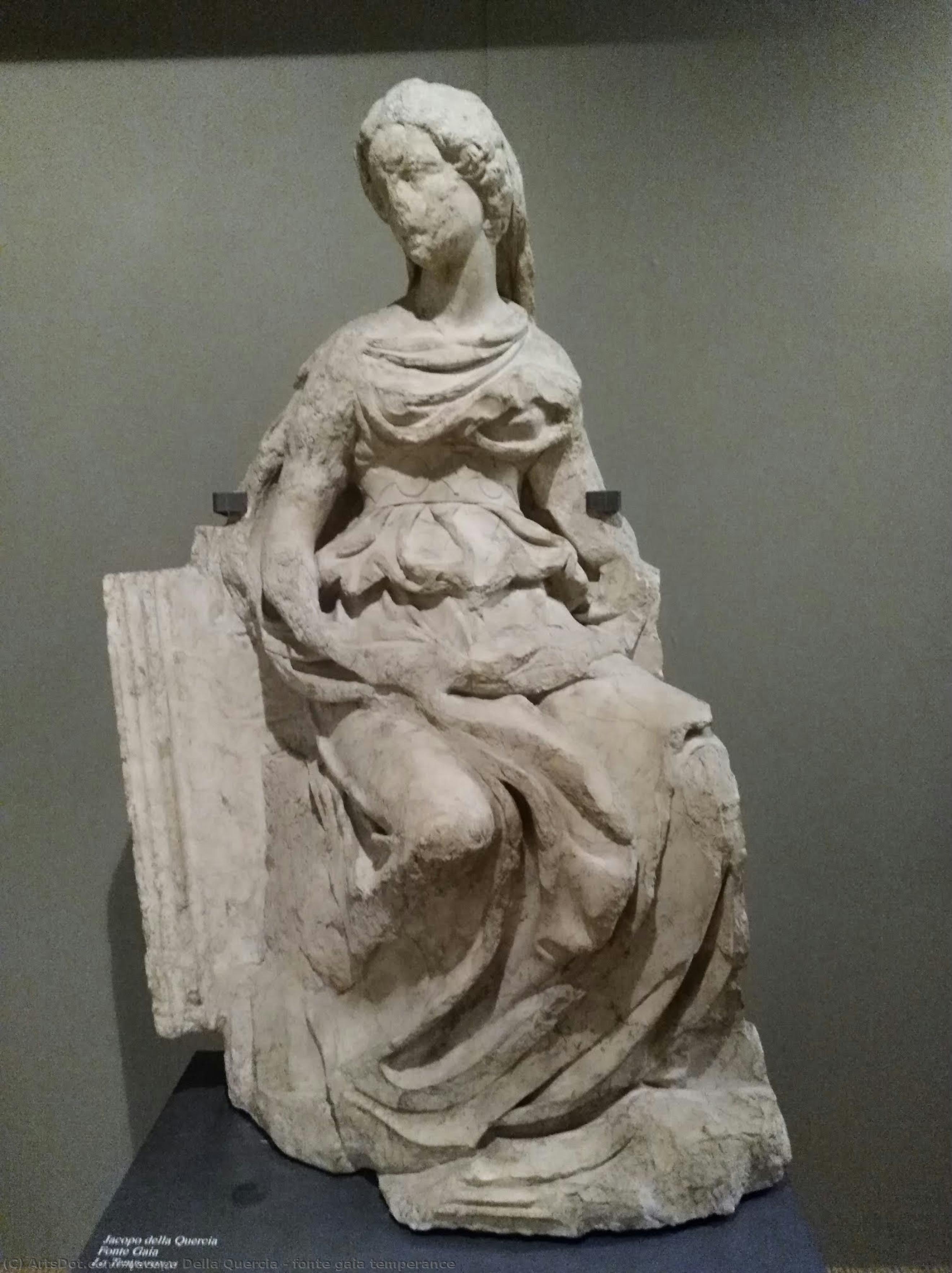
Fonte Gaia Tempérance


 Weiterlesen
Handgefertigte Ölreproduktion
Handgemaltes Ölgemälde auf Leinwand in Ihrer Wunschgröße und mit Rahmen, auf Bestellung von unseren Künstlern angefertigt. ( Druck bestellen Bild kaufen)




P118B $10

P118H $10

P118W $10

P438Z $10

P508JH $12

P508YH $12

P805H $10

P805Z $10

P919BZ $10

P919G $10

P919XJ $10

P959ZH $10

P968JZ $12

W106C $8

W218G $10

W218JH $8

W218Y $10

W307PJ $10

W316G $10

W316PJ $8

W316Y $10

W398PJ $8

W4111J $10

W500HY $15

W500JH $15

W692G $12

W849H $8

W940BG $15

W953PJ $8




Wählen Sie aus unseren vordefinierten Formaten, die den ursprünglichen Proportionen des Kunstwerks entsprechen.

Sie können Ihre eigenen Maße eingeben, um einen bestimmten Rahmen oder Platz auszufüllen. Wenn die gewählte Größe nicht den Proportionen des Originalbildes entspricht, werden wir das Kunstwerk entweder beschneiden oder das Gemälde durch zusätzliche, handgemalte Elemente erweitern. Ein digitales Mockup wird Ihnen zur Genehmigung zugesandt, bevor die Produktion beginnt.
Bitte beachten Sie, dass die Bildschirmvorschau nicht die tatsächliche Beschneidung oder Erweiterung widerspiegelt. Nur das Mockup zeigt die endgültige Komposition exakt an.
Obwohl Sondermaße verfügbar sind, empfehlen wir, eine Größe aus der vordefinierten Liste zu wählen, um die ursprünglichen Proportionen beizubehalten.
Nach der Bestellung wird das OriginalUniqueArt.com-Team dem Kunden Anweisungen per E-Mail zusenden und eine Mockup-Vorschau bereitstellen.
Weltweiter Versand () in nur 3 bis 4 Wochen statt der üblichen 5 Wochen. (20 August). Keine Kompromisse bei der Qualität.

Kostenloser weltweiter Expressversand

Hochwertige Leinenleinwand

Umfassender Versicherungsschutz beim Versand

Zollgebühren-Rückerstattungsgarantie

Garantie für exakte Farbtreue

60 Tage Rückgaberecht (nur bei Mängeln)

100% Geld-zurück-Garantie

Mengenrabatt verfügbar
 Die Glasoption ist nur für Größen unter 110 cm verfügbar.

Fonte Gaia Tempérance
Art der Reproduktion
Format der Reproduktion
-


Gesamtpreis
$ 300
Beschreibung des Kunstwerks
Jacopo della Quercia: The Sculptor Who Ushered in Renaissance Harmony
The Florentine sculptor Jacopo della Quercia remains an enigmatic figure, celebrated for his masterful blend of Gothic and Renaissance influences – a stylistic crossroads that embodies the very spirit of artistic innovation during the mid-14th and early 15th centuries. His legacy isn’t merely defined by impressive monuments; it's etched into the fabric of Italian art history as he skillfully navigated the turbulent currents between established traditions and emerging ideals.
Born in Monteroni di Lecce around 1374, Jacopo’s artistic journey began under the watchful eye of his father, Piero d’Angelo – a craftsman renowned for his woodworking skills. This early apprenticeship instilled within him not only technical mastery but also an unwavering dedication to meticulous detail and sculptural excellence. He quickly ascended through the ranks of Florentine ateliers, demonstrating remarkable versatility in tackling diverse projects ranging from ecclesiastical sculptures to civic commissions.
A Synthesis of Gothic Elegance and Renaissance Idealism
Early works reveal a pronounced Gothic sensibility – characterized by elongated figures, expressive drapery, and an emphasis on spiritual contemplation. However, Jacopo swiftly embraced the burgeoning humanist ideals championed by artists like Brunelleschi and Donatello, incorporating classical proportions and anatomical accuracy into his sculptures. This deliberate fusion resulted in a distinctive style that prioritized both beauty and intellectual rigor—a hallmark of the Renaissance.
Technique: Marble Mastery and Innovative Modeling
Jacopo della Quercia’s technical prowess was particularly evident in his masterful manipulation of marble – a medium he treated with unparalleled sensitivity. Unlike many sculptors of his era who relied on rough carving techniques, Jacopo pioneered innovative modeling methods utilizing bole (a clay mixture) to create subtle gradations of tone and texture. This painstaking process allowed him to achieve astonishing realism, capturing the nuances of human musculature and facial expression with breathtaking precision.
Symbolism: Faith, Virtue, and Human Dignity
Throughout his oeuvre, Jacopo della Quercia infused his sculptures with profound symbolic meaning – reflecting the humanist preoccupation with moral virtue and spiritual aspiration. Figures embodying saints and biblical narratives frequently convey messages of piety and compassion, while portraits celebrate human dignity and intellect. The sculptor’s meticulous attention to detail extended beyond mere anatomical accuracy; he sought to communicate complex ideas about faith, morality, and the human condition.
Emotional Impact: Capturing the Essence of Human Experience
Perhaps Jacopo della Quercia's greatest achievement lay in his ability to evoke powerful emotions within the viewer. His sculptures possess an uncanny capacity to convey feelings of sorrow, joy, contemplation, and reverence—capturing the very essence of human experience with remarkable sensitivity. By skillfully employing expressive gestures and nuanced facial expressions, he succeeded in animating stone into living embodiments of emotion – a testament to his artistic genius.
His enduring influence can be seen in subsequent generations of sculptors who sought inspiration from his pioneering approach to modeling and his masterful synthesis of Gothic and Renaissance styles. Jacopo della Quercia’s legacy continues to resonate today, reminding us that true artistry transcends temporal boundaries—forever capturing the beauty and complexity of human existence.
Über den Künstler
Jacopo della Quercia: Bridging the Gothic and Embracing Renaissance Vision
Jacopo della Quercia, a name inextricably linked to the transformative period of 15th-century Italy, stands as a pivotal figure – a master craftsman who skillfully bridged the lingering shadows of the Gothic era with the burgeoning brilliance of the Italian Renaissance. Born in Monteroni di Lecce around 1374 and tragically passing away in Bologna in 1438, his life unfolded as a rich tapestry woven from commissions, artistic rivalries, and an unwavering engagement with both the enduring wisdom of classical antiquity and the evolving sensibilities of his time. He wasn’t merely a sculptor; he was an architect of style, a translator between traditions, and ultimately, a harbinger of the revolutionary artistic shifts that would define the Renaissance.
His formative years were meticulously shaped under the guidance of his father, Piero d'Angelo – a highly skilled woodcarver and goldsmith. This early apprenticeship instilled within him not just technical proficiency but also an acute appreciation for craftsmanship, the meticulous detail required to bring form to stone, and the enduring power of traditional techniques. However, Jacopo’s artistic journey took on a profound dimension through his exposure to the monumental works adorning the pulpit of Siena Cathedral – specifically, the sculptures by Nicola Pisano and Arnolfo di Cambio. These encounters ignited within him a fervent fascination with narrative sculpture, dynamic composition, and the expressive potential inherent in human form – elements that would become defining characteristics of his distinctive style.
The Early Years: Lucca and the Seeds of Innovation
Jacopo’s career truly blossomed in Lucca, a strategically positioned city at the heart of Italy's artistic crossroads. His relocation to Lucca with his father in 1386, driven by political instability, proved to be a catalyst for significant artistic development. It was here that he began to establish himself as a sculptor of considerable promise, undertaking projects such as the poignant “Man of Sorrows” for the altar of the Sacrament and a relief depicting St. Aniello on a tomb. These early works already demonstrated a nascent ability to imbue stone with emotional depth – a characteristic that would become increasingly pronounced in his later career. The "Man of Sorrows," in particular, showcased a remarkable sensitivity to human suffering, foreshadowing the profound psychological realism that would characterize Renaissance sculpture.
A defining moment arrived in 1401 when Jacopo entered the prestigious competition to design the bronze doors for Florence’s Baptistery – a contest fiercely contested by some of Italy's most celebrated artists. While he ultimately didn’t secure the commission itself, this experience served as an invaluable crucible, exposing him to the highest standards of Florentine artistry and fueling his ambition. The designs themselves remain lost to history, adding an intriguing layer to his already fascinating story.
Ferrara and the Influence of Roman Antiquity
Jacopo’s artistic trajectory continued eastward to Ferrara in 1403, where he was entrusted with a significant commission: the creation of a marble sculpture of the Virgin and Child for the city's cathedral. This work marked a decisive shift towards greater naturalism and a profound engagement with the legacy of classical antiquity. He immersed himself in the study of Roman sculptures and sarcophagi, absorbing their elegance, proportion, and narrative power – elements that would profoundly shape his artistic vision.
The city of Ferrara provided him with unparalleled access to an extraordinary collection of Roman artifacts, sparking a deep appreciation for the beauty and intellectual depth of the ancient world. This encounter fueled his desire to integrate classical motifs into his own work, subtly yet decisively transforming the Gothic style he had inherited. He began to incorporate elements of classical drapery, anatomy, and composition – creating sculptures that possessed both a distinctly humanistic sensibility and a subtle echo of antiquity.
Fonte Gaia: A Masterpiece of Civic Pride and Artistic Innovation
Perhaps Jacopo della Quercia’s most enduring legacy is undoubtedly Fonte Gaia, a monumental fountain commissioned in 1406 by Paolo Guinigi, the ruler of Lucca. This ambitious project represented not only a significant civic investment but also a bold artistic statement – a deliberate rejection of the pagan Venus statue that had previously adorned the square and been blamed for outbreaks of plague. The fountain itself is a marvel of engineering and artistry, constructed from gleaming white marble and adorned with numerous statues and spouts, creating a vibrant spectacle of water and light.
Fonte Gaia stands as a testament to Jacopo’s ability to synthesize diverse influences – Gothic elegance, classical proportion, and the burgeoning spirit of the Renaissance. The inclusion of nude putti flanking the fountain's base—a daring departure from traditional sculptural conventions—clearly signaled his embrace of classical ideals while retaining a distinctly humanistic sensibility. The project, however, was a protracted undertaking, spanning over a decade and reflecting the challenges inherent in managing multiple commissions simultaneously.
Later Works and a Legacy of Transition
Throughout the remainder of his career, Jacopo della Quercia continued to work on a diverse range of projects, including the Trenta Chapel in San Frediano, Lucca, and tomb slabs for Lorenzo Trenta and his wife. His involvement in the design of a hexagonal basin with bronze panels for Siena’s Baptistery, alongside his rival Ghiberti, resulted in the completion of only one relief – “The Annunciation to Zacharias” – due to his simultaneous commitments to other projects. This episode highlights his cautious approach to working with bronze and his preference for the more manageable medium of marble.
Jacopo della Quercia’s life was tragically cut short in 1438, but his artistic legacy endures as a bridge between the Gothic and Renaissance worlds. He wasn't simply a skilled craftsman; he was an innovator, a visionary, and a key figure in shaping the trajectory of Italian art. His work foreshadowed the revolutionary developments championed by Michelangelo, solidifying his place as one of the most important sculptors of the Early Renaissance.

Jacopo Della Quercia
1374 - 1438 , Italien
Kurzinfos
- Artistic Movement Or Style: Frührenaissance
- Artists Or Movements Influenced By This Artist: ['Michelangelo']
- Artists Who Influenced This Artist:
- Pisano
- Arnolfo
- Date Of Birth: c. 1374
- Date Of Death: 1438
- Full Name: Jacopo della Quercia
- Nationality: Italiener
- Notable Artworks:
- Fonte Gaia
- Tomb Ilaria
- Zacharias
- Place Of Birth: Siena, Italien
Ähnliche Artikel

Jacopo Tintoretto: Die 25 Meisterwerke des venezianischen Dramatikers | OriginalUniqueArt
Entdecken Sie die 25 Meisterwerke von Jacopo Tintoretto! Tauchen Sie ein in die dramatische Welt der venezianischen Renaissance. Hochwertige Kunst-Reproduktionen & Inspiration für Ihr Zuhause – jetzt auf OriginalUniqueArt.com.

Bronze-Meisterwerke: Die 10 Skulpturen, die Kunstgeschichte schrieben | OriginalUniqueArt
Entdecken Sie die 10 legendärsten Bronze Skulpturen der Kunstgeschichte! Von Michelangelo bis Rodin – erfahren Sie die Geschichten hinter den Meisterwerken und lassen Sie sich von Wanddeko-Ideen inspirieren. Hochwertige Kunstdrucke auf OriginalUniqueArt.com.

The Enduring Allure of Marble in Art History: From Classical Sculpture to Modern Abstraction
Explore the captivating history of marble sculpture from ancient Greece to modern art. Discover renowned artists like Canova & Michelangelo, carving techniques, and investment insights at OriginalUniqueArt.
Timeless Elegance: A Complete Guide to the Sublime Beauty and Artistry of Marble Sculpture
Discover the sublime beauty of marble art through an expert exploration of Renaissance and Neoclassical masterpieces. From the delicate textures of Carpeaux to the grandeur of Sansovino, immerse yourself in a guide to timeless elegance and sculptural perfection.

Die 10 legendärsten Bronzestatuen: Meisterwerke, die Kunstgeschichte schrieben | OriginalUniqueArt
Entdecken Sie die 10 legendärsten Bronzestatuen der Kunstgeschichte! Von Rodin bis Michelangelo – erfahren Sie die Geschichten hinter ikonischen Skulpturen und finden Sie hochwertige Reproduktionen für Ihr Zuhause. Jetzt bei OriginalUniqueArt entdecken!



