 In echtem Maßstab anzeigen
 Versenden als Grußkarte
 Teilen
 Details anzeigen
 Leitfaden öffnen

 Herunterladen
 Ähnliche Objekte
 Röntgenaufnahme
 Diashow
 Besucherstatistiken
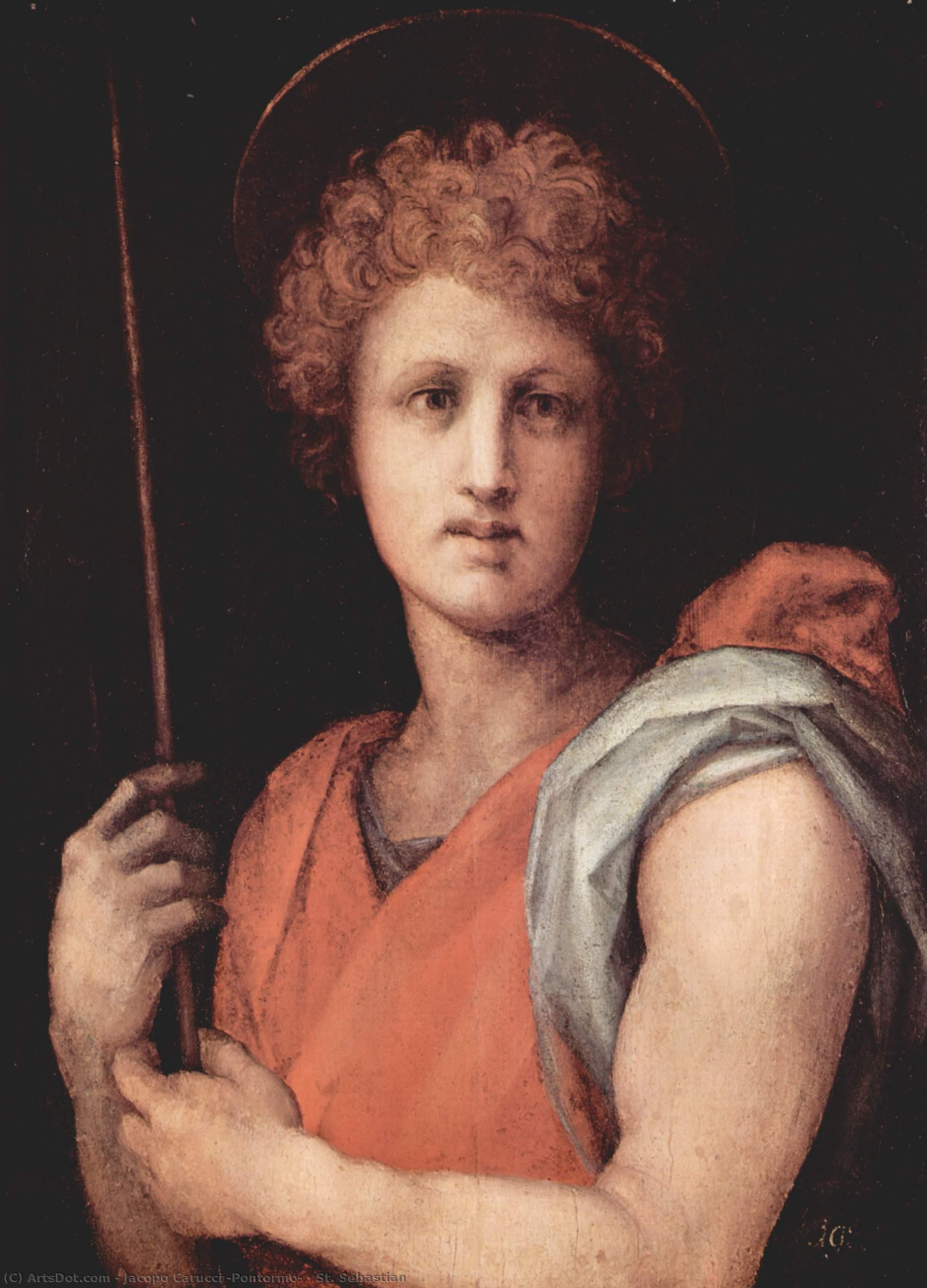
St. Sebastian


 Mehr anzeigen
Giclée / Kunstdruck
Giclée- oder Leinwanddruck in Museumsqualität mit schneller Produktion und flexiblen Veredelungsoptionen. ( Handgemalte Reproduktion kaufen Zum digitalen Bild wechseln)




P118B €10

P118H €10

P118W €10

P438Z €10

P508JH €12

P508YH €12

P805H €10

P805Z €10

P919BZ €10

P919G €10

P919XJ €10

P959ZH €10

P968JZ €12

W106C €8

W218G €10

W218JH €8

W218Y €10

W307PJ €10

W316G €10

W316PJ €8

W316Y €10

W398PJ €8

W4111J €10

W500HY €15

W500JH €15

W692G €12

W849H €8

W940BG €15

W953PJ €8




Wählen Sie aus unseren vordefinierten Formaten, die den ursprünglichen Proportionen des Kunstwerks entsprechen.

Geben Sie die Breite und die Höhe an, die Sie benötigen, damit der Druck perfekt in Ihren Rahmen oder an Ihre Wand passt. Ein Druck kann nur beschnitten werden und niemals größer als das Originalbild gemacht werden; daher verliert ein Format mit einer anderen Proportion einen Teil des Bildes. Wir senden Ihnen ein digitales Mockup zur Freigabe, bevor wir den Druck ausführen. Das auf dieser Seite gezeigte Bild zeigt nicht den tatsächlichen Beschnitt – dies ist nur im Mockup ersichtlich.
Weltweiter Versand () innerhalb von 2 Wochen statt der üblichen 4/5 Wochen. (24 Oktober)

Kostenloser weltweiter Expressversand

Hochwertige Leinenleinwand

Vollständiger Versicherungsschutz beim Versand

Zollgebühren-Rückerstattungsgarantie

Garantie für exakte Farbtreue

100-tägiges Rückgaberecht (nur bei Mängeln)

100% Geld-zurück-Garantie

Angebot für Mengenrabatt
 Die Glasoption ist nur für Größen unter 110 cm verfügbar.

St. Sebastian
Giclée / Kunstdruck
Format der Reproduktion
-


Gesamtpreis
€ 70
A Portrait of Spiritual Anguish: Unveiling Jacopo Pontormo’s St. Sebastian
Jacopo Pontormo's 1515 depiction of Saint Sebastian is not merely a portrait; it’s an immersion into the heart of Mannerist emotion, a profound exploration of faith, suffering, and the human condition. Painted during a period of artistic upheaval—a deliberate departure from the idealized beauty of the High Renaissance—Pontormo crafted a work that anticipates the dramatic intensity of the Baroque while retaining a distinctly personal and haunting quality. The painting immediately commands attention with its stark contrast: a dark, almost impenetrable background against which the figure of St. Sebastian is rendered in rich, warm hues, creating an immediate sense of isolation and vulnerability.
The composition itself is meticulously constructed, adhering to the pyramidal structure favored by Renaissance artists but imbued with a subtle instability that speaks to the era’s fascination with ambiguity. St. Sebastian's head, centrally positioned, dominates the canvas, his gaze direct and unwavering – an invitation, perhaps, or a plea for understanding. The crossed arms, a gesture of both defense and acceptance, suggest a man caught between earthly suffering and divine grace. The halo encircling his head is not a symbol of triumphant victory but rather a quiet acknowledgment of his martyrdom, a subtle reminder of the spiritual weight he carries.
The Language of Mannerism: Color, Line, and Emotion
Pontormo’s masterful use of color is central to the painting's emotional impact. The dominant palette—deep reds, oranges, and earthy terracotta tones—evokes a sense of warmth and vitality, yet this is immediately tempered by the surrounding darkness. These warm hues are juxtaposed against cooler blues and whites in the draped fabric, creating visual tension and highlighting the figure’s isolation. The artist employs a technique known as *sfumato*, subtly blurring lines and edges to create an atmosphere of ethereal softness—a hallmark of Mannerism. Lines are deliberately soft and blended, avoiding sharp definition; this contributes significantly to the painting's overall sense of fluidity and emotional intensity.
Furthermore, Pontormo’s manipulation of light is particularly noteworthy. It isn’t a dramatic spotlight but rather a diffused illumination that seems to emanate from multiple sources, gently sculpting St. Sebastian’s form and emphasizing his face. This subtle lighting creates a sense of depth and volume while simultaneously flattening the space, drawing the viewer's attention solely to the figure himself. The textures are rendered with remarkable delicacy—the smooth skin, the flowing fabric—suggesting an almost tactile quality that invites close observation.
Symbolism and Historical Context: A Bridge Between Eras
Beyond its aesthetic qualities, St. Sebastian’s image is rich in symbolic meaning. As a martyr for his Christian faith, he represents sacrifice, endurance, and the triumph of spirit over adversity. The arrows piercing his body are not merely depictions of physical pain but potent symbols of spiritual wounds—a visual representation of the suffering endured by all believers. The painting reflects the turbulent religious climate of 16th-century Florence, a city grappling with political instability and religious reform. Pontormo’s embrace of Mannerism can be seen as a response to the perceived rigidity of the High Renaissance, a willingness to explore subjective experience and emotional intensity.
Born Jacopo Carucci in Pontorme, Tuscany, around 1494, Pontormo was a pivotal figure bridging the Renaissance and Baroque eras. His life was marked by both artistic brilliance and personal tragedy – a loss of his wife and children profoundly impacting his work. This experience undoubtedly contributed to the melancholic tone that permeates St. Sebastian, transforming it into a timeless meditation on grief, faith, and the enduring power of the human spirit.
A Timeless Masterpiece: Reproduction and Beyond
Reproductions of Jacopo Pontormo’s *St. Sebastian* offer an exceptional opportunity to experience this profoundly moving work firsthand. The meticulous detail, evocative color palette, and masterful composition are faithfully captured in high-quality reproductions, allowing viewers to appreciate the artist's genius from any vantage point. Whether adorning a grand salon or a more intimate space, this painting continues to resonate with its powerful message of resilience and spiritual depth.
Fragen & Antworten
In welchem Alter schuf Jacopo Pontormo „St. Sebastian"?
Als "St. Sebastian" im Jahr 1515 entstand, war Jacopo Pontormo – geboren 1494 – 21 Jahre alt.
Kann ich eine Röntgenaufnahme von "St. Sebastian" von Jacopo Pontormo sehen?
Die Röntgenaufnahme-Seite von "St. Sebastian" von Jacopo Pontormo ist ein interaktiver Viewer, der es Ihnen ermöglicht, durch elf optische Schichten des Kunstwerks zu gleiten, einschließlich einer Ansicht im Röntgenstil.
An welcher Stelle innerhalb des Gesamtwerks von Jacopo Pontormo lässt sich "St. Sebastian" einordnen?
Innerhalb des Œuvres von Jacopo Pontormo steht „St. Sebastian“ im Stil der Mannerist Painting, geprägt von den Themen renaissance mannerism, emotional intensity, christian martyrdom, spiritual themes, religious iconography, symbolism rich, pontormo’s unique style, innovation”.
Biografie des Künstlers
Der melancholische Visionär: Das Leben und Vermächtnis von Jacopo Pontormo
Jacopo Carucci, der der Geschichte unter dem ausdrucksstarken Beinamen Pontormo bekannt wurde, war ein Künstler, dessen Pinsel das eigentliche Wesen des Übergangs einfing. Geboren um 1494 in dem kleinen toskanischen Dorf Pontorme, war sein frühes Leben von einem tiefen Gefühl der Einsamkeit und Melancholie geprägt – Qualitäten, die seinen Leinwänden später eine unvergleichliche psychologische Tiefe verleihen sollten. Als junger Lehrling in Florenz bewegte er sich durch eine Welt sich wandelnder künstlerischer Paradigmen und trat schließlich als zentrale Figur der florentinischen Manierismus-Bewegung hervor. Im Gegensatz zu den Meistern der Hochrenaissance, die Perfektion durch Gleichgewicht und mathematische Harmonie suchten, blickte Pontormo nach innen, um die turbulenten, oft beunruhigenden Komplexitäten der menschlichen Seele zum Ausdruck zu bringen. Seine prägenden Jahre wurden im Schatten von Giganten geformt. Unter der Anleitung von Domenico del Pollaiuolo und dem monumentalen Einfluss von Michelangelo Buonarroti meisterte er die anatomische Präzision, die von einem Renaissance-Meister verlangt wurde, doch er besaß den unbändigen Drang, eben jene Realität für eine emotionale Wirkung zu verzerren. Er schöpfte Inspiration nicht nur aus der skulpturalen Wucht Michelangelos, sondern auch aus den komplizierten, emotionalen Stichen von Albrecht Dürer. Diese einzigartige Synthese aus italienischer Form und nordeuropäischem, expressivem Detail ermöglichte es ihm, einen Stil zu pionieren, in dem die Figuren ihre Verbindung zur Schwerkraft zu verlieren schienen und durch ambivalente, traumähnliche Räume drifteten.Die Architektur des Manierismus: Stil und Innovation
Ein Gemälde von Pontormo zu betrachten bedeutet, in eine Welt einzutreten, in der die vertrauten Gesetze der Physik und Perspektive außer Kraft gesetzt sind. Sein Werk stellt eine bewusste Abkehr von der heiteren, perspektivischen Regelmäßigkeit seiner Vorgänger dar. In Meisterwerken wie seiner "Visitation" oder der eindringlichen "Grablegung" beobachtet man die Merkmale seiner revolutionären manieristischen Ästhetik: gelängte Gliedmaßen, verschlungene und unnatürliche Posen sowie eine Palette aus leuchtenden, fast säurehaltigen Farben, die mit einem jenseitigen Licht kontrastieren und schimmern. Er ersetzte die stabilen, dreieckigen Kompositionen der Renaissance durch wirbelnde, überfüllte Arrangements, die ein Gefühl von rastloser Energie und spiritueller Unruhe hervorrufen. Die technische Brillanz Pontormos lag in seiner Fähigkeit, Farbe und Form als psychologische Werkzeuge einzusetzen. Seine Figuren scheinen oft in unsicheren Umgebungen zu schweben, ungehindert von Gewicht, was ein Gefühl tiefer Instabilität erzeugt. Dies war keine bloße Künstlichkeit; es war der bewusste Versuch, die spirituellen Ängste einer Ära zu vermitteln, die zwischen den Gewissheiten der Renaissance und dem aufkommenden Drama des Barock gefangen war. Ob durch das dramatische Licht in seinem "Abendmahl in Emmaus" oder die karge, emotionale Intensität seiner Christusstudien – Pontormo nutzte jeden Pinselstrich, um Themen wie Trauer, Hingabe und das Göttliche zu erforschen.Ein bleibender Eindruck auf die Kunstgeschichte
Die historische Bedeutung von Jacopo Pontormo kann nicht hoch genug eingeschätzt werden. Er diente als lebenswichtige Brücke, die die klassischen Ideale des 15. Jahrhunderts in die expressive, theatralische Sprache übersetzte, welche einen Großteil der Kunst des 16. Jahrhunderts definieren sollte. Sein Einfluss hallte durch die florentinische Schule wider, prägte die Werke von Nachfolgern wie Bronzino und stellte sicher, dass das Spannungsfeld zwischen Schönheit und Künstlichkeit ein zentraler Dialog in der europäischen Malerei blieb. Sein Œuvre bleibt ein Zeugnis für die Macht der individuellen Vision gegenüber der Tradition. Durch seine Porträts, wie etwa den majestätischen "Cosimo I. de' Medici", und seine tief symbolischen religiösen Werke demonstrierte er, dass Kunst mehr als nur ein Spiegel der Realität sein konnte; sie konnte ein Fenster zum Unterbewusstsein sein. Obwohl sein Leben oft von persönlichem Leid überschattet wurde, ziehen die Brillanz seiner Farben und die Komplexität seiner Kompositionen den Betrachter bis heute in ihren Bann und laden dazu ein, sich in der wunderschönen, verzerrten und zutiefst menschlichen Welt des florentinischen Meisters zu verlieren.
Jacopo Pontormo
1494 - 1557 , Italien
Eckdaten zum Künstler
- Artistic Movement Or Style: Mannerismus
- Artists Or Movements Influenced By This Artist: ['Michelangelo']
- Artists Who Influenced This Artist:
- Leonardo da Vinci
- Andrea del Sarto
- Date Of Birth: 1494
- Full Name: Jacopo Pontormo
- Nationality: Italienisch
- Notable Artworks:
- Visitation
- Deposition
- Place Of Birth: Pontorme, Italien
Verwandte Artikel

The Enduring Legacy of Oil on Canvas: Technique, History & Aesthetic Impact
Explore the rich history & techniques of oil painting – from Renaissance masters to Impressionism. Discover pigments, layering methods, and why this timeless medium endures. Expert insights for artists & art enthusiasts.

El Greco: Die 25 Meisterwerke – Kunst für Ihr Zuhause | OriginalUniqueArt
Entdecken Sie die 25 bedeutendsten Meisterwerke von El Greco! Erleben Sie die spirituelle Tiefe und den dramatischen Stil des griechischen Malers. Hochwertige Kunstdrucke & Inspiration für Ihr Zuhause auf OriginalUniqueArt.com.
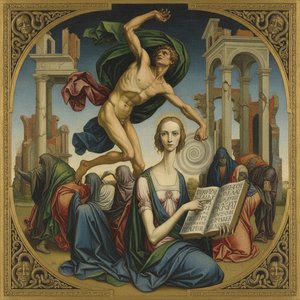
Beyond Perfection: The Dramatic Elegance and Intellectual Tension of Renaissance Mannerism
Explore the captivating world of Renaissance Mannerism. Discover how artists moved beyond High Renaissance harmony into a realm of elegant distortion, psychological tension, and dramatic beauty that bridged the gap to the Baroque era.

The Enduring Power of Painting: A Historical & Contemporary Exploration of Form and Emotion
Explore the rich history & enduring techniques of oil painting with OriginalUniqueArt. Discover masterpieces, learn about art collecting, and find authentic handmade reproductions crafted by skilled artists.

Öl auf Leinwand: Eine historische und technische Erkundung eines zeitlosen künstlerischen Mediums
Entdecken Sie die faszinierende Welt der Ölmalerei! Von historischen Techniken bis zur modernen Anwendung – wir bieten Expertenwissen, Restaurierungstipps und hochwertige Reproduktionen. Jetzt informieren!