Vorschau anzeigen
 Versenden
 Teilen
 Details anzeigen
 Leitfaden

 Herunterladen
 Ähnliche Objekte
 Röntgenaufnahme
 Diashow
 Statistiken
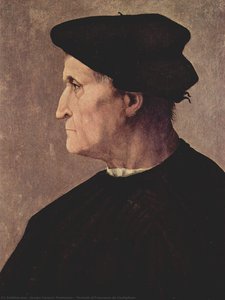
St. Anthony Abbot
 Oil On Panel
- WallArt
- Renaissance Portraiture
 1519
1519- Renaissance
 78.0 x 66.0 cm
 Galleria degli Uffizi
 Weiterlesen
Handgefertigte Ölreproduktion
Handgemaltes Ölgemälde auf Leinwand in Ihrer Wunschgröße und mit Rahmen, auf Bestellung von unseren Künstlern angefertigt. ( Zum Druck wechseln Zum digitalen Bild wechseln)




P118B €10

P118H €10

P118W €10

P438Z €10

P508JH €12

P508YH €12

P805H €10

P805Z €10

P919BZ €10

P919G €10

P919XJ €10

P959ZH €10

P968JZ €12

W106C €8

W218G €10

W218JH €8

W218Y €10

W307PJ €10

W316G €10

W316PJ €8

W316Y €10

W398PJ €8

W4111J €10

W500HY €15

W500JH €15

W692G €12

W849H €8

W940BG €15

W953PJ €8




Wählen Sie aus unseren vordefinierten Formaten, die den ursprünglichen Proportionen des Kunstwerks entsprechen.

Geben Sie die Breite und die Höhe an, die Sie für Ihren Rahmen oder Ihre Wand benötigen. Da dieses Werk handgemalt ist, kann der Künstler bei einer anderen Form etwas mehr um das Bild herum malen oder etwas abschneiden – Sie entscheiden. Wir senden Ihnen ein digitales Mockup zur Freigabe, bevor mit dem Malen begonnen wird. Das auf dieser Seite gezeigte Bild stellt nicht das tatsächliche Ergebnis dar – dies tut nur das Mockup.
Nach der Bestellung wird das OriginalUniqueArt.com-Team dem Kunden Anweisungen per E-Mail zusenden und eine Mockup-Vorschau bereitstellen.
Weltweiter Versand () in nur 3 bis 4 Wochen statt der üblichen 5 Wochen. (25 Oktober). Keine Kompromisse bei der Qualität.

Kostenloser weltweiter Expressversand

Hochwertige Leinenleinwand

Umfassender Versicherungsschutz beim Versand

Zollgebühren-Rückerstattungsgarantie

Garantie für exakte Farbtreue

100 Tage Rückgaberecht (nur bei Mängeln)

100% Geld-zurück-Garantie

Mengenrabatt verfügbar
 Die Glasoption ist nur für Größen unter 110 cm verfügbar.

St. Anthony Abbot
Art der Reproduktion
Format der Reproduktion
-


Endpreis
€ 263
A Renaissance Reverie: The Soul of Pontormo’s St. Anthony Abbot
In the quietude of a Florentine studio around 1519, Jacopo Carucci—the master known to history as Pontormo—captured a moment of profound spiritual stillness that continues to resonate centuries later. His depiction of St. Anthony Abbot is far more than a mere portrait of a desert saint; it is a window into the burgeoning Mannerist movement, where the serene balance of the High Renaissance began to yield to a more complex, psychological intensity. As one gazes upon this work, there is an immediate sense of encountering a soul in contemplation, a figure emerging from a muted, greenish-yellow void to offer a glimpse of divine light.
The painting serves as a masterful bridge between eras. While the anatomical precision and sculptural presence of the subject echo the monumental influence of Michelangelo, Pontormo introduces an emotional depth that anticipates the dramatic tension of the Baroque. The saint is rendered with a striking realism; his weathered face, the texture of his long, flowing beard, and the heavy drape of his dark, ascetic robes all speak to a life of rigorous devotion and solitude. This meticulous attention to detail does not merely serve to document the physical form but to ground the spiritual subject in a palpable, human reality.
The Language of Light and Symbolism
Technique and symbolism are inextricably linked in this evocative composition. Pontormo employs chiaroscuro with surgical precision, utilizing a light source that strikes the figure from the left to carve his features out of the shadows. This play of light and dark does more than create a three-dimensional illusion; it acts as a metaphor for the saint's spiritual journey through the darkness of temptation toward the clarity of faith. The subtle use of shadow on the right side of the face adds a layer of mystery, suggesting the internal struggles inherent in the monastic life.
Central to the painting’s narrative is the scroll held firmly in St. Anthony's hand. Upon it, the Latin inscription "EGO SUM LUX MUNDI"—I am the light of the world—serves as a powerful theological anchor. Though these words are attributed to Christ, their presence in the hands of the Abbot connects the saint to the divine essence, reinforcing his role as a beacon of spiritual truth. The muted, atmospheric background, devoid of distracting landscapes, ensures that the viewer’s focus remains locked onto this sacred message and the luminous countenance of the saint himself.
An Enduring Legacy for the Discerning Collector
For the art lover or the interior designer, a reproduction of Pontormo’s St. Anthony Abbot offers much more than aesthetic beauty; it provides an atmosphere of contemplative gravity. The painting's sophisticated palette—dominated by earthy tones, deep shadows, and that singular, haunting greenish-yellow hue—makes it a versatile centerpiece for spaces that value historical depth and intellectual character. It is a piece that invites long periods of study, rewarding the observer with new layers of emotional complexity upon every viewing.
Whether placed in a private library, a formal study, or a curated gallery setting, this work brings with it the weight of Florentine history and the melancholic beauty of the Mannerist vision. To possess such a piece is to invite the spirit of Pontormo into one's environment—a master who dared to look inward and capture the turbulent, beautiful complexity of the human soul through the medium of oil and light.
Fragen & Antworten
Für welchen Raum im Zuhause eignet sich eine Reproduktion von "St. Anthony Abbot" besonders gut?
"St. Anthony Abbot" von Jacopo Pontormo wird für ein Living Room empfohlen. Dieser Vorschlag basiert auf dem Motiv, den Farben und der Stimmung des Werkes.
Wie kann ich "St. Anthony Abbot" von Jacopo Pontormo als Diashow ansehen?
"St. Anthony Abbot" von Jacopo Pontormo kann als Diashow auf der Diashow-Seite des Kunstwerks betrachtet werden.
Kann ich eine Ölreproduktion von "St. Anthony Abbot" bestellen?
Handgemalte Kopien von "St. Anthony Abbot" von Jacopo Pontormo sind auf diese Webseite erhältlich: eine handgemalte Ölreproduktion auf Leinenleinwand, bestellbar über die Seite Handgemalte Ölreproduktion.
Künstlerbiografie
Der melancholische Visionär: Das Leben und Vermächtnis von Jacopo Pontormo
Jacopo Carucci, der der Geschichte unter dem ausdrucksstarken Beinamen Pontormo bekannt wurde, war ein Künstler, dessen Pinsel das eigentliche Wesen des Übergangs einfing. Geboren um 1494 in dem kleinen toskanischen Dorf Pontorme, war sein frühes Leben von einem tiefen Gefühl der Einsamkeit und Melancholie geprägt – Qualitäten, die seinen Leinwänden später eine unvergleichliche psychologische Tiefe verleihen sollten. Als junger Lehrling in Florenz bewegte er sich durch eine Welt sich wandelnder künstlerischer Paradigmen und trat schließlich als zentrale Figur der florentinischen Manierismus-Bewegung hervor. Im Gegensatz zu den Meistern der Hochrenaissance, die Perfektion durch Gleichgewicht und mathematische Harmonie suchten, blickte Pontormo nach innen, um die turbulenten, oft beunruhigenden Komplexitäten der menschlichen Seele zum Ausdruck zu bringen. Seine prägenden Jahre wurden im Schatten von Giganten geformt. Unter der Anleitung von Domenico del Pollaiuolo und dem monumentalen Einfluss von Michelangelo Buonarroti meisterte er die anatomische Präzision, die von einem Renaissance-Meister verlangt wurde, doch er besaß den unbändigen Drang, eben jene Realität für eine emotionale Wirkung zu verzerren. Er schöpfte Inspiration nicht nur aus der skulpturalen Wucht Michelangelos, sondern auch aus den komplizierten, emotionalen Stichen von Albrecht Dürer. Diese einzigartige Synthese aus italienischer Form und nordeuropäischem, expressivem Detail ermöglichte es ihm, einen Stil zu pionieren, in dem die Figuren ihre Verbindung zur Schwerkraft zu verlieren schienen und durch ambivalente, traumähnliche Räume drifteten.Die Architektur des Manierismus: Stil und Innovation
Ein Gemälde von Pontormo zu betrachten bedeutet, in eine Welt einzutreten, in der die vertrauten Gesetze der Physik und Perspektive außer Kraft gesetzt sind. Sein Werk stellt eine bewusste Abkehr von der heiteren, perspektivischen Regelmäßigkeit seiner Vorgänger dar. In Meisterwerken wie seiner "Visitation" oder der eindringlichen "Grablegung" beobachtet man die Merkmale seiner revolutionären manieristischen Ästhetik: gelängte Gliedmaßen, verschlungene und unnatürliche Posen sowie eine Palette aus leuchtenden, fast säurehaltigen Farben, die mit einem jenseitigen Licht kontrastieren und schimmern. Er ersetzte die stabilen, dreieckigen Kompositionen der Renaissance durch wirbelnde, überfüllte Arrangements, die ein Gefühl von rastloser Energie und spiritueller Unruhe hervorrufen. Die technische Brillanz Pontormos lag in seiner Fähigkeit, Farbe und Form als psychologische Werkzeuge einzusetzen. Seine Figuren scheinen oft in unsicheren Umgebungen zu schweben, ungehindert von Gewicht, was ein Gefühl tiefer Instabilität erzeugt. Dies war keine bloße Künstlichkeit; es war der bewusste Versuch, die spirituellen Ängste einer Ära zu vermitteln, die zwischen den Gewissheiten der Renaissance und dem aufkommenden Drama des Barock gefangen war. Ob durch das dramatische Licht in seinem "Abendmahl in Emmaus" oder die karge, emotionale Intensität seiner Christusstudien – Pontormo nutzte jeden Pinselstrich, um Themen wie Trauer, Hingabe und das Göttliche zu erforschen.Ein bleibender Eindruck auf die Kunstgeschichte
Die historische Bedeutung von Jacopo Pontormo kann nicht hoch genug eingeschätzt werden. Er diente als lebenswichtige Brücke, die die klassischen Ideale des 15. Jahrhunderts in die expressive, theatralische Sprache übersetzte, welche einen Großteil der Kunst des 16. Jahrhunderts definieren sollte. Sein Einfluss hallte durch die florentinische Schule wider, prägte die Werke von Nachfolgern wie Bronzino und stellte sicher, dass das Spannungsfeld zwischen Schönheit und Künstlichkeit ein zentraler Dialog in der europäischen Malerei blieb. Sein Œuvre bleibt ein Zeugnis für die Macht der individuellen Vision gegenüber der Tradition. Durch seine Porträts, wie etwa den majestätischen "Cosimo I. de' Medici", und seine tief symbolischen religiösen Werke demonstrierte er, dass Kunst mehr als nur ein Spiegel der Realität sein konnte; sie konnte ein Fenster zum Unterbewusstsein sein. Obwohl sein Leben oft von persönlichem Leid überschattet wurde, ziehen die Brillanz seiner Farben und die Komplexität seiner Kompositionen den Betrachter bis heute in ihren Bann und laden dazu ein, sich in der wunderschönen, verzerrten und zutiefst menschlichen Welt des florentinischen Meisters zu verlieren.
Jacopo Pontormo
1494 - 1557 , Italien
Kurzinfos
- Artistic Movement Or Style: Mannerismus
- Artists Or Movements Influenced By This Artist: ['Michelangelo']
- Artists Who Influenced This Artist:
- Leonardo da Vinci
- Andrea del Sarto
- Date Of Birth: 1494
- Full Name: Jacopo Pontormo
- Nationality: Italienisch
- Notable Artworks:
- Visitation
- Deposition
- Place Of Birth: Pontorme, Italien
Ähnliche Artikel
Discover the Divine: Inspiring Saint Anthony Artworks to Elevate Your Home Decor
Transform your home with the profound beauty of Saint Anthony artworks. Explore exquisite Baroque reproductions by Murillo and Zurbarán, hand-painted on 100% cotton canvas to bring divine serenity and timeless elegance to your interior design.
Jacopo Tintoretto: Die 25 Meisterwerke des venezianischen Dramatikers | OriginalUniqueArt
Entdecken Sie die 25 Meisterwerke von Jacopo Tintoretto! Tauchen Sie ein in die dramatische Welt der venezianischen Renaissance. Hochwertige Kunst-Reproduktionen & Inspiration für Ihr Zuhause – jetzt auf OriginalUniqueArt.com.

Jacopo Pontormo: Manierismus zwischen Renaissance und Emotion – Eine Neubewertung
Entdecken Sie Jacopo Pontormos revolutionäre Kunst! Unsere Expertenanalyse beleuchtet den Manierismus, seine Schlüsselwerke und Vasaris Einfluss – fundiert & verständlich.

El Greco: Die 25 Meisterwerke – Kunst für Ihr Zuhause | OriginalUniqueArt
Entdecken Sie die 25 bedeutendsten Meisterwerke von El Greco! Erleben Sie die spirituelle Tiefe und den dramatischen Stil des griechischen Malers. Hochwertige Kunstdrucke & Inspiration für Ihr Zuhause auf OriginalUniqueArt.com.
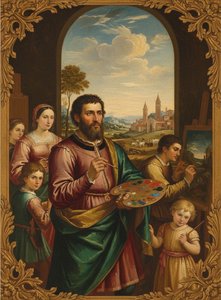
Jacopo Bassano: A Venetian Master of Color, Family & the Renaissance Landscape
Explore the life & art of Jacopo Bassano, a Venetian master renowned for his vibrant colorism and innovative religious scenes. Discover his family legacy & enduring influence on Renaissance painting with OriginalUniqueArt.