Vorschau anzeigen
 Versenden
 Teilen
 Details anzeigen
 Leitfaden

 Herunterladen
 Ähnliche Objekte
 Röntgenaufnahme
 Diashow
 Q&A
Q&A Statistiken
Satyr playing flute
 Oil
Oil- WallArt
- Baroque
 1640
1640- Early Modern
 135.0 x 176.0 cm
 Weiterlesen
Giclée / Kunstdruck
Giclée- oder Leinwanddruck in Museumsqualität mit schneller Produktion und flexiblen Veredelungsoptionen. ( Handgemalte Reproduktion bestellen Zum digitalen Bild wechseln)




P118B €10

P118H €10

P118W €10

P438Z €10

P508JH €12

P508YH €12

P805H €10

P805Z €10

P919BZ €10

P919G €10

P919XJ €10

P959ZH €10

P968JZ €12

W106C €8

W218G €10

W218JH €8

W218Y €10

W307PJ €10

W316G €10

W316PJ €8

W316Y €10

W398PJ €8

W4111J €10

W500HY €15

W500JH €15

W692G €12

W849H €8

W940BG €15

W953PJ €8




Wählen Sie aus unseren vordefinierten Formaten, die den ursprünglichen Proportionen des Kunstwerks entsprechen.

Geben Sie die benötigte Breite und Höhe an, damit der Druck perfekt in Ihren Rahmen oder an Ihre Wand passt. Ein Druck kann nur beschnitten, aber niemals größer als das Originalbild angefertigt werden; daher verliert ein Format mit anderen Proportionen einen Teil des Bildes. Wir senden Ihnen ein digitales Mockup zur Freigabe, bevor wir den Druck ausführen. Das auf dieser Seite gezeigte Bild zeigt nicht den tatsächlichen Beschnitt – dies ist nur im Mockup ersichtlich.
Weltweiter Versand () innerhalb von 2 Wochen statt der üblichen 4/5 Wochen. (29 Oktober)

Kostenloser weltweiter Expressversand

Hochwertige Leinenleinwand

Umfassender Versicherungsschutz beim Versand

Zollgebühren-Rückerstattungsgarantie

Garantie für exakte Farbtreue

100 Tage Rückgaberecht (nur bei Mängeln)

100% Geld-zurück-Garantie

Mengenrabatt verfügbar
 Die Glasoption ist nur für Größen unter 110 cm verfügbar.

Satyr playing flute
Giclée / Kunstdruck
Format der Reproduktion
-


Endpreis
€ 71
A Symphony of Earthly Delights
In the masterful hands of Jacob Jordaens, the canvas breathes with a rustic, unbridled vitality that defines the very essence of the Flemish Baroque. Satyr playing flute is not merely a depiction of a mythological figure; it is an immersive sensory experience that transports the viewer to a sun-dappled woodland clearing in 1640. The scene centers on a satyr, a creature of myth and instinct, lost in the melodic breath of his flute. Beside him, a goat stands as a silent, watchful companion, its gaze drifting toward an unseen point beyond the frame, adding a layer of quiet mystery to the composition. This is Jordaens at his most evocative, capturing a moment where the boundaries between the divine, the mythological, and the mundane dissolve into a single, harmonious melody.
The technique employed in this piece showcases the robust, painterly style that made Jordaens a titan of Antwerp. Unlike the polished, ethereal finishes of some of his contemporaries, Jordaens embraces a certain earthy texture and a rich, warm palette that feels tactile to the touch. One can almost feel the coarse hair of the goat, the weathered skin of the satyr, and the crispness of the leaves on the backdrop tree. The artist utilizes light not just to illuminate, but to sculpt; the way the sunlight filters through the foliage to catch the curve of the flute or the musculature of the satyr’s arm creates a profound sense of three-dimensionality. This mastery of chiaroscuro lends a dramatic weight to the scene, turning a pastoral moment into a theatrical event.
Symbolism and the Spirit of the Baroque
Beyond its visual splendor, the painting serves as a profound exploration of themes prevalent in 17th-century Flemish art: the celebration of nature, the primal joys of life, and the interplay between civilization and wildness. The satyr, a symbol of untamed passion and instinct, playing his instrument suggests that music is a universal language capable of bridging the gap between the human spirit and the natural world. The presence of other figures in the distant background adds a sense of community and shared existence, suggesting that this musical interlude is part of a larger, ongoing cycle of life and revelry. For the collector or interior designer, this piece offers more than just decoration; it provides a window into a philosophy of abundance and the appreciation of life's simple, profound rhythms.
Integrating a high-quality reproduction of such a masterpiece into a contemporary space allows for a sophisticated dialogue between history and modernity. The deep tones and dynamic composition of Satyr playing flute command attention, making it an ideal focal point for a grand salon, a library, or a curated gallery wall. It brings an air of classical elegance and intellectual depth to any room, evoking the warmth of a bygone era while maintaining a timeless aesthetic appeal. To possess such a work is to invite the spirited energy of Jordaens into one's home, ensuring that every glance at the canvas is a reminder of the enduring power of art to capture the soul of the natural world.
Fragen & Antworten
Inwiefern spiegelt der Stil von "Satyr playing flute" die Epoche seines Schöpfers wider?
"Satyr playing flute" von Jakob Jordaens lässt sich der Strömung des Baroque innerhalb der – Frühe Neuzeit-Ära seines Schöpfers zuordnen.
Wer hat "Satyr playing flute" geschaffen und in welchem Stil ist es gehalten?
Jakob Jordaens schuf „Satyr playing flute“ im Rahmen der Baroque-Bewegung.
In welche Phase von Jakob Jordaenss Schaffen lässt sich "Satyr playing flute" einordnen?
"Satyr playing flute" repräsentiert die Mature Period von Jakob Jordaens.
Künstlerbiografie
Frühe Jahre und Ausbildung
Jacob Jordaens, ein bedeutender flämischer Maler, wurde am 19. Mai 1593 in Antwerpen, Belgien, geboren. Er war der erste von elf Kindern von Jacob Jordaens Sr., einem wohlhabenden Leinenhändler, und Barbara van Wolschaten. Über Jordans frühe Bildung ist wenig bekannt, aber es kann davon ausgegangen werden, dass er die Vorteile einer für Kinder seines Standes üblichen Ausbildung genoss.Künstlerische Einflüsse und Stil
Jordaens wurde von norditalienischen Malern wie Jacopo Bassano, Paolo Veronese und Caravaggio beeinflusst. Seine Arbeit ist durch eine Tendenz zu größerem Realismus, das Überfüllen seiner Kompositionen und eine Vorliebe für das Burleske gekennzeichnet. Jordans Stil unterscheidet sich von seinen Zeitgenossen durch seine Verwendung einer warmen Palette, des Naturalismus und der Beherrschung von Chiaroscuro und Tenebrismus.Bedeutende Werke und Aufträge
- Die Anbetung der Hirten (Öl auf Leinwand, 205 x 269 cm), ein Gemälde, das Jordans Fähigkeit zeigt, die Essenz menschlicher Erfahrung einzufangen.
- Argus und Merkur (Barock, Öl), ein Werk, das seine Beherrschung des Barockstils demonstriert.
Entwicklung und Vermächtnis
Jordaens etablierte sich als einer der führenden Maler Flanderns nach dem Tod von Peter Paul Rubens im Jahr 1640. Er war bis zu seinem Tod Antwerpen's angesehenster Figurenmaler. Sein Studio florierte, und er assistierte häufig Rubens. Jordans Bedeutung zeigt sich in der Anzahl seiner Schüler; die Zunft des St. Lukas verzeichnet zwischen 1621 und 1667 fünfzehn offizielle Schüler. Seine Arbeit beeinflusste Jan Steen, und seine klassisch inspirierten Bauernmotive haben einen bleibenden Einfluss auf die Kunstwelt gehabt. Jordans Stil entwickelte sich im Laufe der Jahre weiter, wobei er zunächst von Rubens' dynamischeren Ansatz beeinflusst war, später aber seinen eigenen, realistischeren und detailreicheren Stil entwickelte. Seine späten Werke zeichnen sich durch eine größere Zurückhaltung und kühlere Farben aus.Museen und Sammlungen
- Das Museum Huis ten Bosch (Den Haag, Niederlande) - ein umfassender Leitfaden: https://OriginalUniqueArt.com/@@/a@d3b6sx-the-museum-huis-ten-bosch-(the-hague-netherlands)-a-comprehensive-guide
- Kunstgalerie Südaustralien (Adelaide, Australien) - mit einem Gemälde von Sir Anthony van Dyck: https://OriginalUniqueArt.com/@@/d4cl9h-sir-anthony-van-dyck-a-married-couple
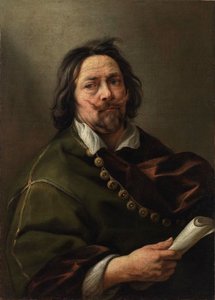
Jakob Jordaens
1593 - 1678 , Belgien
Kurzinfos
- Bemerkenswerte Werke:
- Die Vier Evangelisten
- Das Lustspiel des Bacchus
- Weintrauben in einem Korb
- Geburtsdatum: 19. Mai 1593
- Geburtsort (Stadt, Land): Antwerpen, Belgien
- Künstler, Die Diesen Künstler Beeinflussten:
- Jacopo Bassano
- Paolo Veronese
- Caravaggio
- Künstlerische Bewegung/Stil: Barock
- Nationalität: Belgisch
- Sterbedatum: 1678
- Vollständiger Name: Jacob Jordaens
- Von Diesem Künstler Beeinflusste Künstler/Bewegungen: ['Jan Steen']
Ähnliche Artikel

Mastering Drama and Light: A Definitive Guide to the Flemish Baroque Art Movement
Explore the dramatic brilliance of the Flemish Baroque movement. Discover how masters like Peter Paul Rubens utilized chiaroscuro and dynamic composition to redefine art history through light, shadow, and unparalleled emotion.
Drama and Light: Discover the Captivating Grandeur of Baroque Art
Immerse yourself in the dramatic splendor of Baroque art. Explore the profound impact of light, shadow, and the Counter-Reformation through an expert historical lens, celebrating the masters who defined an era of unparalleled grandeur and emotional intensity.
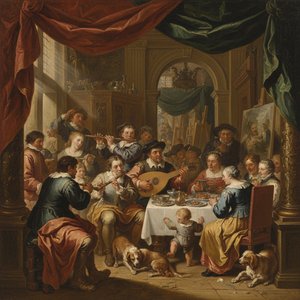
Jacob Jordaens: Barocke Dynamik und Genre-Innovation der Antwerpener Schule
Entdecken Sie das faszinierende Werk von Jacob Jordaens, einem Meister der Barockmalerei! Erfahren Sie mehr über seine Genre-Szenen, religiösen Gemälde und seinen Einfluss auf die Antwerpener Schule. Jetzt lesen!

Barocke Pracht: Wie Sie Opulenz und Emotionen in zeitgenössische Innenräume bringen
Entdecken Sie die Pracht des Barock! Expertenratgeber für luxuriöse Innenräume mit barocken Elementen. Inspiration, Tipps & hochwertige Kunst bei .

The Dramatic Flourish: Exploring the Baroque Movement's Enduring Legacy in Art History
Explore the dramatic world of Baroque art! Discover iconic artists like Caravaggio & Rubens, defining techniques, and its lasting impact on art history. Expert insights for collectors & enthusiasts at OriginalUniqueArt.