Vorschau anzeigen
 Versenden
 Teilen
 Details anzeigen
 Leitfaden

 Herunterladen
 Ähnliche Objekte
 Röntgenaufnahme
 Diashow
 Q&A
Q&A Statistiken
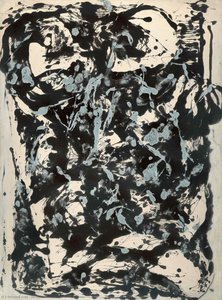
Silber und Schwarz I


 Weiterlesen
Giclée / Kunstdruck
Giclée- oder Leinwanddruck in Museumsqualität mit schneller Produktion und flexiblen Veredelungsoptionen. ( Handgemalte Reproduktion bestellen Zum digitalen Bild wechseln)




P118B €10

P118H €10

P118W €10

P438Z €10

P508JH €12

P508YH €12

P805H €10

P805Z €10

P919BZ €10

P919G €10

P919XJ €10

P959ZH €10

P968JZ €12

W106C €8

W218G €10

W218JH €8

W218Y €10

W307PJ €10

W316G €10

W316PJ €8

W316Y €10

W398PJ €8

W4111J €10

W500HY €15

W500JH €15

W692G €12

W849H €8

W940BG €15

W953PJ €8




Wählen Sie aus unseren vordefinierten Formaten, die den ursprünglichen Proportionen des Kunstwerks entsprechen.

Geben Sie die benötigte Breite und Höhe an, damit der Druck perfekt in Ihren Rahmen oder an Ihre Wand passt. Ein Druck kann nur beschnitten, aber niemals größer als das Originalbild angefertigt werden; daher verliert ein Format mit anderen Proportionen einen Teil des Bildes. Wir senden Ihnen ein digitales Mockup zur Freigabe, bevor wir den Druck ausführen. Das auf dieser Seite gezeigte Bild zeigt nicht den tatsächlichen Beschnitt – dies ist nur im Mockup ersichtlich.
Weltweiter Versand () innerhalb von 2 Wochen statt der üblichen 4/5 Wochen. (2 November)

Kostenloser weltweiter Expressversand

Hochwertige Leinenleinwand

Umfassender Versicherungsschutz beim Versand

Zollgebühren-Rückerstattungsgarantie

Garantie für exakte Farbtreue

100 Tage Rückgaberecht (nur bei Mängeln)

100% Geld-zurück-Garantie

Mengenrabatt verfügbar
 Die Glasoption ist nur für Größen unter 110 cm verfügbar.

Silber und Schwarz I
Giclée / Kunstdruck
Format der Reproduktion
-


Endpreis
€ 71
A Symphony of Chaos: Exploring Jackson Pollock’s “Silver and Black I”
Jackson Pollock (1912–1956) stands as an undisputed titan among American painters, forever enshrined in the annals of Abstract Expressionism. His groundbreaking approach to art—characterized by a radical departure from traditional representation—continues to fascinate scholars and inspire artists alike. “Silver and Black I,” created during his formative years between 1947 and 1950, encapsulates this revolutionary spirit, presenting a mesmerizing visual experience rooted in the interplay of color and texture. This painting isn’t merely about depicting something; it's about conveying emotion—a visceral reaction to the world rendered through an audacious technique that redefined artistic possibility.Style & Technique: The Birth of Action Painting
Pollock’s method, dubbed “Action Painting,” fundamentally challenged conventional notions of artistry. Abandoning the easel and palette altogether, he transformed his studio into a dynamic arena where paint became not just pigment but an active participant in the creative process. He laid canvases horizontally on the floor and employed household enamels—often thinned to achieve a fluid consistency—dripping, splashing, and pouring them onto the surface with wrist movements and occasionally utilizing sticks or syringes instead of brushes. This unorthodox approach liberated him from constraints imposed by traditional tools, allowing for an unprecedented level of spontaneity and improvisation. The resulting canvases are densely layered with pigment, creating a textured surface that vibrates with energy – a testament to Pollock’s unwavering belief in the transformative power of physical engagement. As he famously stated, “I continue to move further and further away from the painter’s usual tools like easels, palettes, brushes and so on.”Historical Context: A Post-War Aesthetic
“Silver and Black I” emerged during the immediate aftermath of World War II, mirroring a broader cultural shift toward subjective expression. Artists like Pollock responded to the anxieties and uncertainties of the era by rejecting representational art in favor of forms that communicated universal emotions and experiences. The influence of Surrealism—particularly André Breton’s emphasis on automatism—is palpable in Pollock's work, reflecting a desire to bypass conscious thought and tap into subconscious impulses. This artistic rebellion signaled a rejection of established aesthetic standards and embraced chance as an integral element of the creative process – a bold assertion of individuality against the backdrop of societal upheaval.Symbolism & Interpretation: Unlocking Emotional Resonance
Despite Pollock’s deliberate resistance to assigning specific meanings to his paintings, “Silver and Black I” invites profound contemplation. The chaotic network of lines and shapes—dominated by shades of silver, black, grey, purple, and yellow—can be interpreted as representing the complexities of human psychology, the forces of nature, or even the boundless expanse of cosmic consciousness. The predominance of dark tones evokes feelings of mystery, melancholy, and perhaps a hint of existential angst – emotions that resonate deeply with viewers encountering this iconic artwork. Pollock’s deliberate use of color—particularly silver—suggests luminosity and contemplation, while the black pours convey depth and solemnity. Ultimately, “Silver and Black I” encourages us to project our own emotional responses onto the canvas, forging a personal connection with its visual language.Emotional Impact & Interior Design Considerations
“Silver and Black I” transcends mere decorative function; it serves as an emotional catalyst—a source of inspiration and contemplation for any space it inhabits. Its dynamic composition and dramatic color palette lend themselves particularly well to modern or minimalist interiors, where they can elevate the aesthetic without competing with other design elements. Consider pairing it with neutral furnishings and ample lighting to allow the artwork’s texture and depth to truly shine through—revealing its captivating beauty and fostering a sense of artistic serenity. A high-quality reproduction offers an accessible pathway to experiencing the transformative power of Pollock's vision, bringing this masterpiece into your home or office.Fragen & Antworten
Inwiefern spiegelt der Stil von "Silber und Schwarz I" die Epoche seines Schöpfers wider?
"Silber und Schwarz I" gehört der Strömung des Abstrakter Expressionismus an, und sein Schöpfer war in der Ära der Moderne tätig.
Wie fügt sich „Silber und Schwarz I“ in die Themen und den Stil von Jackson Pollock ein?
"Silber und Schwarz I" gehört zu Jackson Pollocks Werk der Abstrakter Expressionismus-Epoche, dessen dokumentierte Themen unter anderem schwarze gemälde serie, spätes pollock-output, erforschung von emotionen, abstrakte expressionismus, action painting, nicht-darstellend, chaos & ordnung, spontaneität umfassen.
Wie finde ich Kunstwerke, die "Silber und Schwarz I" von Jackson Pollock ähneln?
Ähnliche Werke zu „Silber und Schwarz I“ finden Sie auf der Seite Ähnliche Werke des Kunstwerks.
Künstlerbiografie
Frühes Leben und die Keime der Innovation
Paul Jackson Pollock, geboren 1912 in Cody, Wyoming, war von Beginn an ein rastloser Geist. Sein frühes Leben war geprägt von häufigen Ortswechseln, da sein Vater als Landvermesser in den weiten Landschaften des amerikanischen Westens arbeitete. Diese wandernde Existenz vermittelte dem jungen Pollock eine tiefe Verbindung zur natürlichen Welt und machte ihn mit vielfältigen Kulturen vertraut – insbesondere durch Begegnungen mit der Kunst der amerikanischen Ureinwohner während jener Vermessungsreisen, Eindrücke, die seine künstlerische Vision im späteren Leben subtil durchdringen sollten. Obwohl er indigene Stile nie explizit imitierte, hinterließen die rohe Energie und die spirituelle Resonanz dieser frühen Erfahrungen zweifellos ihre Spuren.
Pollocks formale künstlerische Ausbildung begann an der Manual Arts High School in Los Angeles, gefolgt von Studien an der Art Students League in New York unter der Anleitung von Thomas Hart Benton. Benton, eine prominente Figur der Regionalismus-Bewegung, legte Wert auf rhythmische Komposition und narrative Themen, die im amerikanischen Leben verwurzelt waren. Während Pollock diese Lektionen anfangs verinnerlichte, neigte seine angeborene Veranlagung zu abstrakteren Erkundungen. Er wurde auch tief von mexikanischen Muralisten wie José Clemente Orozco beeinflusst, deren kraftvolle Darstellungen des sozialen Kampfes bei ihm tiefen Widerhall fanden. Diese frühen Einflüsse legten ein Fundament, doch es war die aufstrebende Welt des Surrealismus, die Pollocks künstlerisches Potenzial wahrhaftig entfesselte.
Die Geburtsstunde des Action Painting und eine revolutionäre Technik
In den 1930er Jahren experimentierte Pollock mit verschiedenen Techniken und suchte nach Alternativen zum traditionellen Pinselstrich. Er begann, Farbe zu gießen, und erforschte deren Fließfähigkeit und unvorhersehbare Natur. Um das Jahr 1947 jedoch erfuhr seine künstlerische Laufbahn eine radikale Transformation. Indem er die Stafflei gänzlich aufgab, legte Pollock die Leinwände direkt auf den Boden und initiierte das, was als seine „Drip-Technik“ bekannt werden sollte. Er begann, Farbe von oben auf die Leinwand zu tropfen, zu spritzen und zu schleudern, wodurch er einen dynamischen Tanz zwischen Künstler, Medium und Oberfläche orchestrierte.
Dabei ging es nicht bloß um das Auftragen von Farbe; es ging darum, den Akt des Erschaffens selbst zu verkörpern. Pollocks Leinwände wurden zu Arenen physischen Ausdrucks, die die Unmittelbarkeit seiner Gesten und Emotionen einfingen. Die resultierenden Gemälde zeichnen sich durch ihre „All-over“-Komposition aus – ein Mangel an zentralem Fokus, der den Betrachter dazu einlädt, die gesamte Oberfläche als ein einheitliches Energiefeld zu erkunden. Komplexe Netzwerke aus Linien und Farben verflechten sich und schaffen eine visuelle Komplexität, die zugleich fesselnd und herausfordernd ist. Er verwendete unkonventionelle Werkzeuge – Stöcke, Messer, sogar Spritzen –, um die Farbe auf unvorhersehbare Weise zu manipulieren, was die spontane Natur seines Prozesses weiter unterstrich.
Dieser innovative Ansatz positionierte Pollock als zentrale Figur der aufstrebenden Abstrakten Expressionismus-Bewegung, die im New York der Nachkriegszeit entstand. Der Abstrakte Expressionismus priorisierte die spontane Geste, das monumentale Format und die nicht-gegenständliche Bildsprache und spiegelte einen breiteren kulturellen Wandel weg von traditionellen künstlerischen Konventionen wider. Auch seine Ehe mit der Mitkünstlerin Lee Krasner war entscheidend; sie bot ihm unerschütterliche emotionale Unterstützung und förderte aktiv seine künstlerische Entwicklung, da sie das bahnbrechende Wesen seiner Arbeit erkannte.
Ikonische Werke und ein bleibendes Vermächtnis
Pollocks berühmteste Werke – wie Number 1, 1950 (Lavender Mist), One: Number 31, 1950, Blue Poles: Number 11, 1952 und Convergence – sind Zeugnisse seiner revolutionären Technik. Diese Gemälde sind nicht einfach nur Bilder; sie sind Aufzeichnungen einer Performance, durchdrungen von der physischen Präsenz und emotionalen Intensität des Künstlers. Die dynamische Energie, die von diesen Leinwänden ausgeht, ist greifbar und zieht den Betrachter in eine Welt reiner Abstraktion.
Sein Stil transzendiert reine Ästhetik; er ist eine Untersuchung des Prozesses über das Produkt. Pollock suchte danach, die Unmittelbarkeit seiner Handlungen und Emotionen auf der Leinwand festzuhalten, indem er traditionelle Vorstellungen von Komposition und Repräsentation ablehnte. Er vertiefte sich in die Jungsche Psychologie und erforschte Archetypen sowie das Unterbewusste in seiner Kunst, um universelle Symbole und Urkräfte anzuzapfen.
Pollocks Einfluss auf die Kunstgeschichte ist unermesslich. Er veränderte grundlegend die Art und Weise, wie Künstler der Malerei entgegentraten, indem er sich von staffeleibasierten Methoden befreite und einen performativeren Ansatz wählte. Sein Werk half dabei, die Position New Yorks als globales Zentrum der modernen Kunst zu festigen und verlagerte den Fokus weg von der europäischen Dominanz. Sein Einfluss zeigt sich in den Werken unzähliger nachfolgender Künstler, einschließlich jener, die mit der Color Field Painting-Bewegung und späteren Formen des Abstrakten Expressionismus verbunden sind.
Obwohl er anfangs auf gemischte Kritiken stieß – einige Kritiker taten sein Werk als chaotisch oder handwerklich unzulänglich ab – wuchs Pollocks Ruf nach seinem frühen Tod im Jahr 1956 im Alter von 44 Jahren stetig an. Heute wird er universell als einer der bedeutendsten und einflussreichsten Künstler des 20. Jahrhunderts anerkannt – ein Visionär, der es wagte, Konventionen herauszufordern und die Grenzen des künstlerischen Ausdrucks neu zu definieren. Seine innovativen Techniken und sein expressiver Stil inspirieren und provozieren bis heute und sichern ihm ein unvergängliches Vermächtnis für kommende Generationen.

Jackson Pollock
1912 - 1956 , Vereinigte Staaten von Amerika
Kurzinfos
- Artistic Movement Or Style: Abstrakt Expressionismus
- Artists Who Influenced This Artist:
- José Clemente Orozco
- Thomas Hart Benton
- Date Of Birth: Januar 28, 1912
- Date Of Death: August 11, 1956
- Full Name: Paul Jackson Pollock
- Nationality: Amerikanisch
- Notable Artworks:
- Number 1, 1950 (Lavender Mist)
- One: Number 31, 1950
- Blue Poles: Number 11, 1952
- Convergence
- Place Of Birth: Cody, USA
Ähnliche Artikel

Meister der Abstraktion: Die 25 ikonischsten Werke von Wassily Kandinsky
Entdecken Sie die 25 Meisterwerke Kandinskys und die Magie der Abstraktion. Erleben Sie die volle Sammlung auf OriginalUniqueArt.com.

Pure Chaos & Color: The High-Voltage World of Abstract Expressionism
Dive into the high-voltage world of Abstract Expressionism. Explore the raw energy of Action Painting and the legendary masters of the New York School through a visual journey of pure chaos and color. Discover how to bring bold, high-impact abstract art into your modern space.

Jackson Pollock: Ein radikaler Aufbruch und das Erbe des Abstrakten Expressionismus
Entdecken Sie Jackson Pollocks revolutionäres Werk und das Erbe des Abstrakten Expressionismus. Expertenanalyse, Hintergrundinformationen & Investitionstipps für Kunstsammler.

Beyond Representation: Exploring the Emotional Landscape of Abstract Expressionism
Explore the profound emotional world of Abstract Expressionism with OriginalUniqueArt. Discover key artists like Pollock & Rothko, learn about collecting, and find museum-quality reproductions to inspire your space.

Abstrakter Expressionismus: Die 10 Meisterwerke, die eine Kunstbewegung prägten |
Entdecken Sie die 10 Meisterwerke des Abstrakten Expressionismus! Von Jackson Pollock bis Mark Rothko – erfahren Sie die Geschichten hinter ikonischen Gemälde und finden Sie hochwertige Reproduktionen für Ihr Zuhause. Jetzt bei entdecken!